Sardinia Yacht Charter Guide: Costa Smeralda, La Maddalena & Skipper Tips

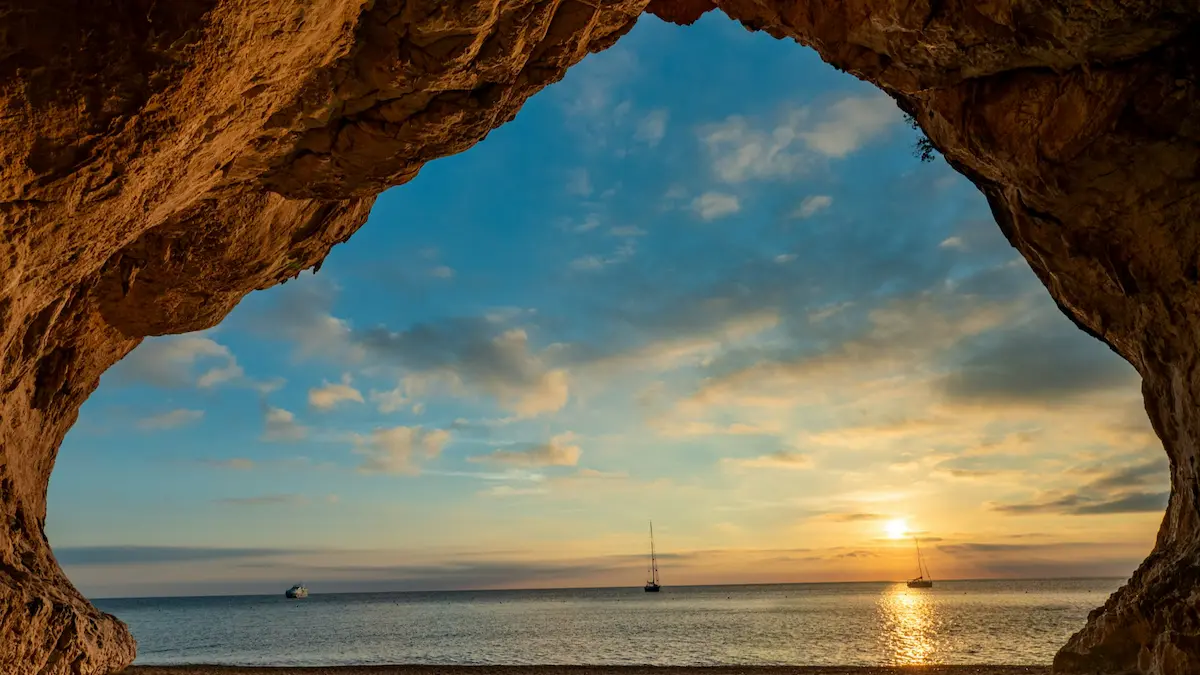
A Sardinia yacht charter offers a breathtaking blend of glamour, rugged wilderness, and world-class sailing conditions, making Italy’s second-largest island one of the most prestigious cruising grounds in the Mediterranean. Centered on the famous Costa Smeralda (Emerald Coast) and the granite islands of the La Maddalena Archipelago, this region is celebrated for its deep bays, striking rock formations, and clear turquoise waters. Cruising Sardinia requires active seamanship to navigate the windy Strait of Bonifacio, careful attention to national park permit requirements, and experience anchoring in deep sandy coves under summer breezes. For travelers planning a Mediterranean escape, chartering a private vessel—whether a luxury catamaran built for stability in coastal coves or a classic sailing monohull built to handle spirited offshore winds—is the ultimate way to explore. Weekly bareboat charters typically range from $4,500 to $14,000 depending on the season, while hiring a professional local captain adds roughly $1,500 to $2,000 per week, providing essential pilotage, mooring navigation, and local knowledge. If you are preparing for your first private cruise, be sure to read our guide on what to expect from a crewed yacht charter to understand the best options for your group, or explore our adjacent Mallorca yacht charter guide for a comparison of Western Mediterranean sailing destinations.
Key Takeaways
- National Park Permits: Cruising the La Maddalena Archipelago requires a specialized entry permit. Skippers must purchase this online in advance, with fees based on the vessel’s length overall (LOA).
- Bonifacio Wind Funneling: The Strait of Bonifacio, separating Sardinia from Corsica, is notorious for high winds (frequently accelerating to 30–40+ knots), requiring careful weather routing and reefing.
- Strict Environmental Rules: Certain zones in La Maddalena, such as the famous Pink Beach (Spiaggia Rosa) on Budelli Island, are strictly protected; landing on the beach or anchoring within the bay is illegal and heavily fined.
⚓ Sardinia Cruising Vitals
| Best Cruising Months | Avg. Weekly Cost | Difficulty Level | Primary Winds & Currents | License Required? |
|---|---|---|---|---|
| May–October (July-August peak) | $4,500–$14,000 (bareboat) + $1,500–$2,000 (captain) | Intermediate to Advanced (Bonifacio channel wind management) | Northwesterly Mistral wind (15-35+ kts); daytime thermal sea breezes (10-15 kts) | Yes (Sailing License + VHF Radio Certificate mandatory) |
Cruising Sardinia: The Four Primary Sailing Zones
Sardinia’s northern coast is geographically diverse, split into four distinct sectors that dictate anchoring tactics, wind exposure, and harbor fees.
1. The Costa Smeralda (Luxury & Glamour)
The Costa Smeralda is the famous “Emerald Coast,” extending from Portisco north to Porto Cervo. This zone is the playground of the international yachting elite, featuring world-class marinas like Porto Cervo and Porto Rotondo. The water is exceptionally clear, and the coves (such as Cala di Volpe and Pevero) offer protected anchorages. However, slip fees in July and August are among the highest in the world, and anchorages are crowded with mega yachts.
2. La Maddalena Archipelago (Pristine Islands)
Comprising seven main islands and dozens of rocky islets, this national park is the jewel of Sardinian sailing. The landscape is dominated by wind-sculpted granite boulders and pink-sand beaches. Cruising here is focused on nature, with anchorages like Cala Corsara on Spargi and Cala Coticcio on Caprera. Skippers must respect the park’s zoning regulations, which prohibit anchoring in sensitive zones to protect Posidonia seagrass.
3. The Strait of Bonifacio (Windy Channel)
The Strait of Bonifacio is the narrow channel separating Sardinia from the French island of Corsica. The channel is a notorious wind funnel; the prevailing northwesterly Mistral wind accelerates through the gap, creating high sea states and strong currents. Sailing here is thrilling but requires advanced navigation skills, reefed sails, and a close eye on the weather forecast.
4. Gulf of Olbia & Tavolara (Laid-Back Cruising)
Located south of the Costa Smeralda, the Gulf of Olbia and the waters surrounding the monolithic limestone island of Tavolara offer a more relaxed, less crowded alternative. Tavolara rises over 1,800 feet above the sea, providing a dramatic backdrop. Anchorages are protected and deep, with sandy bottoms offering excellent holding. This zone is ideal for family charters and starting or ending a cruise.
A 7-Day Sardinia & La Maddalena Itinerary
This classic one-week cruising itinerary begins in Portisco, exploring the luxury of the Costa Smeralda before heading north into the pristine La Maddalena Archipelago and crossing toward the Strait of Bonifacio.
Disclaimer: Boating conditions, weather, and regulations change rapidly. Always cross-check with local authorities, official weather services, and paper charts before embarking.
Day 1: Portisco (Marina di Portisco) to Porto Cervo
Sailing Distance: ~10 nautical miles
Depart your charter base at Marina di Portisco in the early afternoon. Sail north along the dramatic Costa Smeralda, enjoying a comfortable beam reach in the afternoon sea breeze. Navigate toward the world-famous harbor of Porto Cervo. Secure a transit berth in the marina (booking required weeks in advance during summer) or anchor in the outer bay of Cala Granu. Walk the village square, admire the superyachts, and visit the Stella Maris church overlooking the harbor.
Day 2: Porto Cervo to Caprera Island (Cala Coticcio)
Sailing Distance: ~12 nautical miles
Weigh anchor early and sail north into the La Maddalena National Park. Ensure your park cruising permit is active. Set a course for the eastern shore of Caprera Island. Anchor in the narrow, rocky inlet of Cala Coticcio, often referred to as “Tahiti” due to its pink sand and clear turquoise water. Mooring buoys are available for overnight stays. Snorkel in the marine sanctuary, surrounded by colorful sea bream and granite formations.
Day 3: Caprera to Budelli & Razzoli (Cala di Trono)
Sailing Distance: ~8 nautical miles
Navigate the inner channels of the archipelago, passing the main island of La Maddalena. Sail toward the northern islands of Budelli, Razzoli, and Santa Maria. Stop to view the famous Pink Beach (Spiaggia Rosa) on Budelli, keeping a safe distance as landing and anchoring are strictly prohibited. Proceed to Cala di Trono on Razzoli Island, anchoring in 15–20 feet of water over sand and rocky patches. Enjoy the rugged wilderness and hike up to the abandoned lighthouse of Razzoli.
Day 4: Budelli to Santa Teresa Gallura
Sailing Distance: ~15 nautical miles
Prepare for a spirited sail west toward the Strait of Bonifacio. Catch the morning breeze to cross the channel, watching out for sudden wind funneling and high-speed ferry traffic between Sardinia and Corsica. Navigate into the deep fjord of Santa Teresa Gallura on Sardinia’s northern tip. Secure a slip at the municipal marina. Explore the historic town, visit the 16th-century Longosardo Tower, and enjoy views across the strait to the white cliffs of Corsica.
Day 5: Santa Teresa Gallura to Spargi Island (Cala Corsara)
Sailing Distance: ~12 nautical miles
Weigh anchor and sail east, heading back toward the sheltered waters of the archipelago. Navigate toward the southern tip of Spargi Island. Anchor in Cala Corsara, a spectacular bay famed for its wind-sculpted granite rocks and fine sand. Drop anchor in 12–15 feet of water over clean sand. The holding here is excellent. Snorkel along the rocky walls and explore the sandy dunes ashore.
Day 6: Spargi to La Maddalena Town (Cala Gavetta)
Sailing Distance: ~5 nautical miles
Enjoy a relaxed morning sail to the island of La Maddalena, the only inhabited island in the archipelago. Navigate into the historic port of Cala Gavetta and secure a berth. Cala Gavetta offers excellent provisioning, fresh water, and fuel docks. Spend the afternoon walking the narrow cobblestone streets, visiting the local boutiques, and dining at a traditional Sardinian restaurant serving fresh seafood and local Vermentino wine.
Day 7: La Maddalena Town back to Portisco
Sailing Distance: ~18 nautical miles
Cast off your stern lines and set a course south-southeast back to Portisco. Catch the afternoon sea breeze as you sail past Capo d’Orso and the Gulf of Congianus. Return to Marina di Portisco, refuel your yacht at the fuel dock, and conclude your Sardinian cruise.
Ready to experience these historic waters? You can browse yacht charters on WeBoating.com to compare monohulls and catamarans and hire a local captain for your Sardinia cruise.
Itinerary 2: Southern Sardinia & Gulf of Cagliari Loop (7 Days)
This alternative, less crowded itinerary focuses on the historic and wild southern coast of Sardinia, departing from Cagliari to explore ancient ruins, soaring cliffs, isolated islands, and pristine sand dunes.
Day 1: Cagliari to Nora (Pula)
Sailing Distance: ~15 nautical miles
Depart the charter base at the Port of Cagliari. Sail southwest across the Gulf of Cagliari, enjoying gentle daytime thermal sea breezes. Navigate around the shallow shoals of Pula and drop anchor in the sheltered bay under the ancient Roman ruins of Nora. Anchor in 15 feet over sand and mud. Go ashore by dinghy to walk the archaeological site, viewing the Roman theater and mosaics right at the water’s edge.
Day 2: Nora to Chia (Cala Cipolla)
Sailing Distance: ~12 nautical miles
Weigh anchor and sail southwest along the coast. Pass the long beaches of Santa Margherita di Pula. Round the dramatic headland of Capo Spartivento, keeping alert for larger swells and localized wind gusts. Anchor in the crystal-clear turquoise waters of Cala Cipolla in Chia. Drop anchor in 12–15 feet over clean, firm sand. Swim, paddleboard, or climb up to the Capo Spartivento lighthouse for panoramic views.
Day 3: Chia to Porto Pino
Sailing Distance: ~20 nautical miles
Set a course west-northwest, crossing the Gulf of Teulada. Navigate around the steep limestone cliffs of Capo Teulada (keep a safe distance from the restricted military zones). Head for Porto Pino, famous for its towering white sand dunes and pine trees. Drop anchor in the outer bay in 15 feet over sand, which offers excellent holding. Go ashore to walk the quiet dunes and swim in the shallow, warm water.
Day 4: Porto Pino to Carloforte (San Pietro Island)
Sailing Distance: ~24 nautical miles
Sail northwest past Sant’Antioco Island and cross the canal toward San Pietro Island. Secure a transit berth at the marina in the historic town of Carloforte. Explore the unique Ligurian-influenced town, which was settled by Genovese coral fishers. Walk the narrow cobblestone streets, admire the colorful historic walls, and dine at a local restaurant to sample Carloforte’s famous fresh red tuna and local focaccia.
Day 5: Carloforte to Cala Domestica
Sailing Distance: ~18 nautical miles
Cast off your lines and sail north along the wild western coast of Sardinia. The scenery here is dramatic, featuring tall cliffs and abandoned mining ruins. Navigate into the deep, fjord-like cove of Cala Domestica, flanked by steep limestone walls. Drop anchor in 15 feet of water over sand. Take the walking path through the rock tunnel to the adjacent pocket beach (La Caletta) and climb the Spanish watchtower on the headland.
Day 6: Cala Domestica to Cala Zafferano
Sailing Distance: ~28 nautical miles
Weigh anchor early and sail south-southeast, re-crossing the Gulf of Teulada. Navigate toward the isolated bay of Cala Zafferano, located inside the Teulada military firing range. This spectacular bay is open to yachts only during July and August when military exercises are suspended. Drop anchor in 10–12 feet of transparent turquoise water over soft sand. Snorkel the pristine reef and enjoy a peaceful night under the stars.
Day 7: Cala Zafferano back to Cagliari
Sailing Distance: ~32 nautical miles
Cast off early for a long, scenic sail east back to Cagliari. Sail past Capo Spartivento and cross the wide Gulf of Cagliari, sailing close to the rocky cliffs of the Devil’s Saddle (Sella del Diavolo). Return to the charter marina in Cagliari, refuel your vessel, and conclude your Southern Sardinia cruise.
Yachting Infrastructure: Sardinian Marinas & Park Moorings
Sailing in northern Sardinia requires planning ahead due to high marina fees and regulated national park buoys:
Marina di Portisco: Located in the Gulf of Cugnana, this is the main charter base for Costa Smeralda, offering over 500 berths for yachts up to 90 meters, with full services, water, electricity, fuel, and provisioning shops within walking distance of the docks.
Porto Cervo Marina: Operated by the Yacht Club Costa Smeralda, this is the center of luxury yachting, with over 700 berths and top-tier services. Mooring fees are extremely high in July and August, requiring reservations months in advance.
La Maddalena Park Permits & Buoys: The national park requires all cruising yachts to hold a permit (available on lamaddalenapark.it). Mooring buoys are available in sensitive zones to prevent anchor damage to Posidonia seagrass, and anchoring is restricted only to designated sandy areas.
🌪️ Weather Guardrails & Sardinian Winds
Sailing safely in Sardinia requires an understanding of regional summer wind systems and channel currents:
- The Mistral Wind: A strong, cold northwesterly wind (known locally as the Maestrale) that blows across the western Mediterranean. It is driven by pressure differences between the Azores high and Genoa low. The Mistral accelerates through the Strait of Bonifacio, easily reaching 35–45+ knots, raising steep seas. Skippers must check forecasts and seek shelter in south-facing bays or secure marinas.
- Strait of Bonifacio Funneling: Due to the narrowing between Sardinia and Corsica, winds are accelerated by a factor of 1.5. A gentle 15-knot breeze on the Costa Smeralda can become a challenging 25-knot wind in the Strait. Skippers must reef sails before entering the Strait.
- Tramontana (North Wind): Occasional cold northerly winds can blow during summer, bringing swells to northern anchorages. Skippers must monitor weather daily via AEMET/Lamma and ensure anchors are set in deep sand with sufficient chain scope.
Local Rules, Mooring & Licensing Regulations
Italian Coast Guard (Guardia Costiera) and national park rangers strictly enforce environmental and safety rules:
– Posidonia Grass Protection: Anchoring in Posidonia oceanica seagrass is illegal. Anchors must only be dropped in visible sandy areas (light turquoise patches). Park rangers patrol the bays daily and issue heavy fines for anchors dropped in seagrass.
– Mandatory Skipper Licenses: Bareboat skippers must hold an approved sailing license recognized by the Italian government (such as the ICC, RYA Day Skipper, or SLC) and a valid VHF Radio operator certificate. A crew list must be registered with the charter base.
– Pink Beach (Spiaggia Rosa) Protection: Budelli’s famous Pink Beach is completely protected (Zone TA). Walking on the beach, swimming in the bay, and anchoring are strictly prohibited, with fines starting at €500.
Glossary: Speak Like a Sardinian Skipper
Maestrale (Mistral): The strong northwesterly wind that blows across Sardinia, bringing clear skies but building heavy waves in the Strait of Bonifacio.
Spiaggia Rosa: The protected Pink Beach on Budelli Island, colored by microscopic shell fragments, strictly off-limits to visitors.
Cala Gavetta: The historic main harbor of La Maddalena town, acting as the commercial and provisioning center of the archipelago.
WeBoating.com is a marketplace connecting travelers with independent, third-party operators. WeBoating does not operate, manage, or own any charters or experiences.
Frequently Asked Questions About Sardinia Yacht Charters
The prime charter season runs from May through October. May, June, September, and October offer the best weather, lighter winds, and fewer crowds. July and August are the hottest and most crowded months, with high mooring costs.
Yes. To skipper a bareboat charter in Italy, you must hold a valid, government-approved sailing license (such as the ICC, RYA Day Skipper, or SLC) and a valid VHF Radio operator certificate. The charter company will verify your credentials prior to departure.
Cruising permits for La Maddalena must be purchased online via the official national park website (lamaddalenapark.it) in advance. Fees depend on the vessel’s length.
The Strait of Bonifacio is a narrow funnel where winds accelerate. The northwesterly Mistral wind can cause waves to build rapidly. Skippers must check forecasts, reef early, and avoid crossing in gale conditions.
No. Anchoring is prohibited in Zone MA (strict reserve) and in areas with Posidonia seagrass. You must anchor only in sandy areas, which appear as light turquoise patches, or use the regulated mooring buoys.
Marina di Portisco is the largest charter base, followed by Cannigione, Olbia, and Palau, all offering easy access to the La Maddalena Archipelago.
The Mistral (Maestrale) is a strong northwesterly wind that can blow at 30-40+ knots, requiring skippers to seek sheltered anchorages or marinas immediately.
Yes, the national park operates several mooring buoy fields in popular bays to protect the seabed; permits must be purchased online.
The tidal range in the Mediterranean surrounding Sardinia is negligible, usually less than 1 foot (30 cm), so tide heights do not affect pilotage.
Yes, crossing the Strait of Bonifacio to Corsica is a popular route, but you must notify the charter operator and comply with French customs rules.
Yes, anchoring in Posidonia grass beds is strictly illegal throughout Italy and subject to severe fines; anchors must be set in clear sand.
You can compare and book yacht charters directly on WeBoating.com, where you can select a catamaran or monohull and hire a professional captain for your cruise.