
Greece Yacht Charter Guide: Saronic Gulf & Cyclades Sailing Itinerary & Skipper Tips

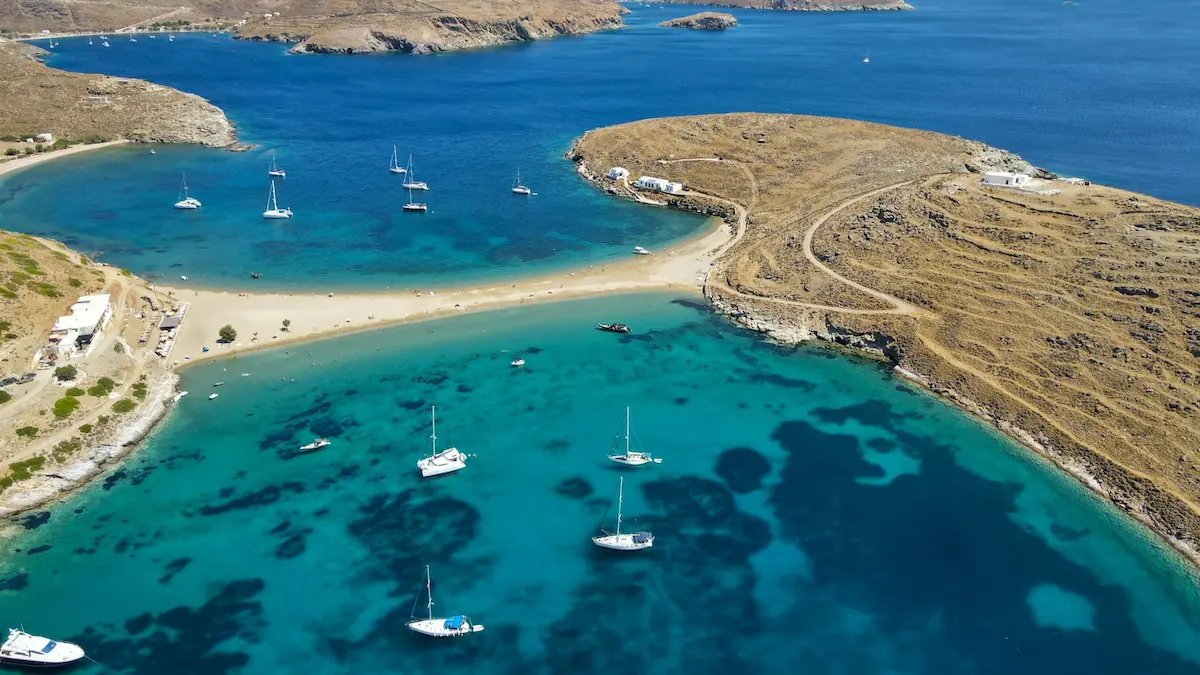
A Greece yacht charter offers one of the most culturally rich, scenic, and diverse sailing experiences in the world, tracing thousands of islands, ancient ruins, and whitewashed villages across the Aegean and Ionian seas. As the birthplace of maritime trade, Greece features world-class cruising grounds split between the sheltered, beginner-friendly Saronic Gulf and the spirited, wind-swept Cyclades. Cruising Greece’s historic waters requires active navigation, competence in executing a “Med-tether” (stern-to quay mooring), and careful monitoring of the summer “Meltemi” wind system. For travelers planning a Mediterranean escape, chartering a private vessel—whether a stable catamaran ideal for docking in shallow harbor quays or a classic monohull built to handle spirited Aegean breezes—is the ultimate way to explore the Greek islands. Weekly bareboat charters typically range from $3,500 to $10,000, while hiring a professional local captain adds roughly $1,500 to $2,000 per week, providing essential pilotage and regional knowledge. If you are preparing for your first private cruise, be sure to read our guide on what to expect from a crewed yacht charter to understand the best options for your group, or explore our adjacent Croatia yacht charter guide for an Adriatic comparison.
Key Takeaways
- Mandatory Licensing: Greek maritime authorities strictly require bareboat skippers to hold a recognized sailing license (e.g., ICC, RYA Day Skipper, or SLC) and a valid VHF certificate, with a co-skipper signing a declaration of competence.
- The Meltemi Wind: During summer, the Aegean Sea experiences strong, dry north winds (the Meltemi) that can blow at 25–35+ knots, requiring advanced sailing skills and strategic route planning in the Cyclades.
- Med-Tethering Technique: Sailing in Greece requires mastering “Med-tethering” (stern-to quay mooring), where you drop anchor from the bow and back toward a stone quay to secure stern lines.
⚓ Greece Cruising Vitals
| Best Cruising Months | Avg. Weekly Cost | Difficulty Level | Primary Winds & Currents | License Required? |
|---|---|---|---|---|
| May–October (July-August Meltemi peak) | $3,500–$10,000 (bareboat) + $1,500–$2,000 (captain) | Intermediate (Saronic) to Advanced (Cyclades) | Meltemi north winds (15-35 kts in Cyclades); light afternoon sea breezes in Saronic | Yes (Sailing License + VHF Radio Certificate mandatory) |
Cruising Greece: The Three Primary Sailing Zones
Greece’s vast archipelago is geographically diverse, split into three distinct zones that dictate your routing, wind conditions, and anchoring strategies.
1. The Saronic Gulf (Sheltered & Historic)
The Saronic Gulf is the most popular starting zone, located just south of Athens. Bordered by the Peloponnese peninsula, this gulf is highly protected from the open Mediterranean, offering flat water and gentle, predictable sea breezes (10–15 knots). Cruising here is intermediate-friendly, featuring short distances between cays and historic island ports like Aegina, Poros, Hydra, and Spetses. Dotted with ancient temples and vibrant waterfront tavernas, the Saronic is the premier zone for family charters and relaxed cruising.
2. The Cyclades (Spirited & Windy)
The Cyclades (including Mykonos, Santorini, and Paros) represent the iconic Greece of white-washed houses, blue-domed churches, and rugged cliffs. Sailing here offers spectacular, high-adventure conditions but requires advanced skipper experience. The region is fully exposed to the northern Meltemi wind, which sweeps across the Aegean Sea in July and August, creating heavy swells and wind speeds exceeding 30 knots. Anchorages are rocky and deep, and executing a Med-tether under crosswinds requires precise helm and windlass control.
3. The Ionian Islands (Lush & Calm)
Located on the western coast of Greece, the Ionian Islands (such as Corfu, Lefkada, and Paxos) offer a lush, green contrast to the arid Aegean. The weather is characterized by light morning winds and reliable summer afternoon breezes (10–12 knots) that die down at sunset. The waters are exceptionally calm, making it a beginner-friendly paradise. The region features beautiful wooded cliffs, white cliffs, and highly protected natural harbors (covered in adjacent destination guides).
A 7-Day Athens-to-Athens Saronic Itinerary
This classic one-week cruising itinerary covers the best of the Saronic Gulf, heading south from Athens to explore historic loyalist towns, uninhabited cays, and ancient archaeological sites.
Disclaimer: Boating conditions, weather, and regulations change rapidly. Always cross-check with local authorities, official weather services, and paper charts before embarking.
Day 1: Athens (Alimos Marina) to Aegina (Perdika)
Sailing Distance: ~22 nautical miles
Depart your charter base at Alimos Marina in Athens in the early afternoon. Sail southwest across the Saronic Gulf, enjoying a comfortable beam reach in the afternoon sea breeze. Navigate toward the traditional fishing village of Perdika on the island of Aegina. Drop anchor in 15–20 feet of water over sand and mud, backing up stern-to the stone quay. Walk the waterfront lined with fresh seafood tavernas and sample Aegina’s famous local pistachio nuts.
Day 2: Aegina to Hydra Island
Sailing Distance: ~15 nautical miles
Weigh anchor early and sail south past the volcanic peninsula of Methana. Set a course for Hydra Port on the historic island of Hydra. Because Hydra’s harbor is extremely small and busy, and motor vehicles are strictly banned, yachts must arrive by 1:00 PM to secure a spot along the quay. Docks are tight, and yachts frequently raft up 3–4 deep, requiring you to walk across other boats to reach the shore. Spend the afternoon exploring the steep cobblestone streets lined with donkeys and historic stone mansions.
Day 3: Hydra to Dokos Island (Skilos Bay)
Sailing Distance: ~6 nautical miles
Enjoy a short morning hop west to Dokos Island, a rugged, uninhabited island that serves as a historic marine sanctuary (site of the world’s oldest shipwreck discovery). Anchor in the deep, crystal-clear basin of Skilos Bay in 25–30 feet of water. Execute a land-line tether: drop anchor off the bow, back towards the rocky shoreline, and run a long floating line from the stern to a secure boulder on shore. Spend a quiet night under the stars in this off-grid wilderness anchorage.
Day 4: Dokos to Spetses Island (Baltiza Harbour)
Sailing Distance: ~14 nautical miles
Weigh anchor and sail southwest into the Argolic Gulf. Navigate toward Spetses, a stylish island known for its grand Venetian-style architecture and pine-draped hills. Secure a berth in the narrow Baltiza Harbour or anchor in the outer bay. Explore the elegant waterfront square, rent a horse-drawn carriage to tour the historic town, and visit the museum home of Laskarina Bouboulina, the legendary female naval commander of the Greek War of Independence.
Day 5: Spetses to Poros Island (Poros Town)
Sailing Distance: ~28 nautical miles
Prepare for a spirited, long broad-reach sail east-northeast along the coast of the Peloponnese. Navigate the scenic, narrow sea channel that separates Poros from the Peloponnese mainland. Tie up stern-to along the bustling Poros Town quay. Poros offers excellent marine services, fresh water, and provisioning docks. Climb the historic clock tower on the hill at sunset for a breathtaking panoramic view of the channel and mountains.
Day 6: Poros to Epidavros (Palaia Epidavros)
Sailing Distance: ~16 nautical miles
Sail north past the island of Angistri. Stop for lunch and snorkeling at the “Sunken City” of Epidavros, where you can swim over ancient Roman villa ruins in just 6 feet of water. Continue to the harbor of Palaia Epidavros and tie stern-to the quay. Take a 20-minute taxi ride inland to the world-famous Ancient Theatre of Epidaurus, built in the 4th century BC, and experience its legendary, perfect acoustics.
Day 7: Epidavros back to Athens (Alimos Marina)
Sailing Distance: ~30 nautical miles
Cast off your stern lines and set a course northeast across the Saronic Gulf back to Athens. Catch the reliable afternoon summer sea breezes to enjoy a spirited final sail. Keep a sharp lookout for commercial shipping traffic as you approach the Athens coast. Return to Alimos Marina, refuel your yacht at the dock, and conclude your Aegean cruise.
Ready to experience these historic waters? You can browse yacht charters on WeBoating.com to compare monohulls and catamarans and hire a local captain for your Greece cruise.
Itinerary 2: The Spirited Cyclades Loop (7 Days)
This alternative, high-adventure itinerary is designed for experienced crews seeking sporty sailing, consistent wind, and iconic white-washed island villages, departing from Athens or Lavrion to explore the Cyclades.
Day 1: Athens/Lavrion to Kea (Korissia Bay)
Sailing Distance: ~16 nautical miles
Depart the charter docks at Lavrion Marina. Sail southeast across the Kea Channel, which is often windy and experiences strong currents. Enter the protected bay of Korissia on Kea. Drop anchor in 15 feet of sand and mud, backing stern-to the village quay. Head ashore to explore the harbor and hike inland to see the famous ancient stone-carved Lion of Ioulis.
Day 2: Kea to Kythnos (Kolona Beach)
Sailing Distance: ~22 nautical miles
Weigh anchor and sail south along the coast of Kea before crossing the open passage to Kythnos. Navigate toward the northwest coast and enter Kolona Beach. This spectacular, unique anchorage features a narrow strip of sand connecting the main island to the islet of Agios Loukas, allowing you to anchor on either side in 12 feet of clean sand. Climb the hillside for a classic photo of the double-sided bay.
Day 3: Kythnos to Syros (Finikas)
Sailing Distance: ~24 nautical miles
Sail east-southeast across the Cycladic waters, enjoying a fast beam reach in the Meltemi wind. Head for the southwestern port of Finikas on Syros Island. Tie up stern-to along the marina pontoon or anchor in the bay in 15 feet of sand. Go ashore to take a short taxi ride to Ermoupoli, the grand capital of the Cyclades, characterized by marble-paved plazas and neoclassical mansions.
Day 4: Syros to Mykonos (Ornos Bay)
Sailing Distance: ~22 nautical miles
Set a course east toward Mykonos. Navigate carefully around the southern reefs of the island. Due to strong north winds, avoid the exposed main town port and drop anchor in the sheltered sandy bottom of Ornos Bay in 12 feet of water. Go ashore to experience Mykonos’ famous windmills, walk the narrow alleys of Little Venice, and enjoy the island’s lively nightlife.
Day 5: Mykonos to Delos & Rhenia Island
Sailing Distance: ~6 nautical miles
Take a short morning sail west to the sacred island of Delos, the mythological birthplace of Apollo. Drop anchor temporarily in the narrow channel to tour the ancient temples and ruins (overnight anchoring is strictly prohibited). In the afternoon, sail a short distance west to the uninhabited island of Rhenia. Drop anchor in the sandy pool of Miso Bay in 10 feet of turquoise water for a peaceful night at anchor.
Day 6: Rhenia to Serifos (Livadi Bay)
Sailing Distance: ~30 nautical miles
Prepare for a long, sporty sail southwest toward Serifos. Run downwind with the Meltemi, monitoring your sails and waves carefully. Enter the deep natural harbor of Livadi Bay and tie stern-to the quay or anchor in 15 feet of sand. Take the local bus up the steep cliffs to the breathtaking Chora, one of the most picturesque hilltop villages in the Aegean.
Day 7: Serifos back to Athens/Lavrion
Sailing Distance: ~42 nautical miles
Weigh anchor early for a long, challenging upwind beat back north-northwest toward Lavrion. This passage involves tacking against the Meltemi wind and currents, so ensure your sails are properly reefed. Return to Lavrion Marina, refuel your yacht, and conclude your Cyclades sailing adventure.
Yachting Infrastructure: Greek Marinas & Town Quays
Sailing in Greece features a unique mix of large modern marinas and historic, low-cost municipal town quays:
Alimos Marina (Athens): Located 40 minutes from Athens Airport, this is the largest marina in Greece and the central staging hub for Saronic charters. It offers over 1,000 slips, shore power, water, fuel trucks, showers, and restaurants, with several supermarkets offering direct delivery of groceries to your yacht’s stern.
Lavrion Marina: Situated at the southern tip of the Attica peninsula, Lavrion is the primary alternative base, offering much faster access to the Cyclades islands. It features full services, repair yards, and provisioning shops within walking distance of the docks.
Municipal Town Quays: Unlike most of Europe, Greek island harbors are managed by local municipalities. Mooring fees are nominal (typically €5–€20 per night) and are collected by the local port officer. Electricity and water are available via columns activated by prepaid cards purchased at local cafes. Docks are first-come, first-served, and anchor-crossing is a frequent occurrence during busy summer afternoons.
🌪️ Weather Guardrails & Aegean Winds
Sailing safely in the Aegean requires an understanding of regional summer wind systems and local mooring techniques:
- The Meltemi Wind: A strong, dry north wind that blows across the Aegean Sea (especially the Cyclades) from mid-June to mid-September. It is driven by pressure differences between the Azores high and India low. The Meltemi builds during the day, peaking in the afternoon at 20–35+ knots, and can blow continuously for days, raising steep, short-period seas. Skippers must check forecasts and seek shelter in south-facing bays or protected ports.
- Med-Tethering & Stern-to Mooring: Due to narrow harbors, yachts do not tie alongside docks. Instead, you drop anchor off the bow (typically 3–4 times the boat’s length), back up toward the stone wall, and secure two heavy stern lines to iron rings on the quay. Keep the anchor chain tight to prevent the bow from swinging into adjacent boats.
- Crossed Anchors: In tight town harbors, boats anchor opposite each other. When leaving, it is common to hook another boat’s anchor chain. Skippers must have a tripping line, a windlass-buddy, or be prepared to use a boat hook and fender to clear the chains.
Local Rules, Mooring & Licensing Regulations
Greek port police (Limenarcheio) strictly enforce safety and documentation rules along the coast:
– Mandatory Skipper Licenses: Bareboat skippers must hold an approved sailing license recognized by the Greek government (such as the ICC, RYA Day Skipper, or SLC). A VHF Radio operator license is also legally mandatory. Crucially, a second crew member (first mate) must sign a formal declaration of competence at check-in.
– Transit Log Clearance: Every charter yacht must carry an official Transit Log listing the crew list and skipper licenses. The log must be stamped by the Port Police at your departure base and is subject to audit at island ports.
– Pelican Cays & Marine Parks: Respect marine conservation zones. Discharging black water is strictly illegal in Greek harbors; holding tanks must be closed and pumped out only in open sea.
Glossary: Speak Like an Aegean Skipper
Meltemi: The strong, dry north wind of the Aegean Sea that blows during the summer months.
Med-Tether: The standard mooring technique of dropping anchor from the bow and backing the stern up to secure to a quay wall or shoreline rocks.
Limenarcheio: The Greek Port Authority/Police office responsible for checking logs, collecting port fees, and ensuring maritime safety in harbors.
WeBoating.com is a marketplace connecting travelers with independent, third-party operators. WeBoating does not operate, manage, or own any charters or experiences.
Frequently Asked Questions About Greece Yacht Charters
The prime sailing season in Greece runs from May through October, offering warm weather and sunny skies. May, June, September, and October are ideal for comfortable cruising and less crowded harbors. July and August are the peak summer months, featuring the strongest winds and high tourist numbers.
Yes. To charter a bareboat yacht in Greece, at least one crew member must hold an approved, government-recognized sailing license (such as an ICC, SLC, or RYA Day Skipper). A second crew member should also act as an experienced co-skipper. If you do not have a license, you can hire a professional skipper.
The Meltemi is a strong, dry northerly wind that blows across the Aegean Sea during July and August. It can blow at 20-30+ knots for several days, creating rough sea states. While not dangerous for experienced crews with reefed sails, it requires careful weather routing and secure anchoring.
Med-tethering, or stern-to mooring, is the standard method for securing a yacht to town quays in Greece. It involves dropping the bow anchor far out in the harbor, backing the yacht toward the quay, and securing stern lines to the dock. It requires coordination and quick wind-correction maneuvers.
Greek municipal harbor fees are among the lowest in Europe, often costing only $5 to $15 USD per night for a 40-foot catamaran. However, modern private marinas (like those in Athens or Kos) offer full services like shore power and water, charging significantly higher rates ($50 to $120+ per night).
Most yacht charters in Athens depart from Alimos Marina (the largest charter hub in Greece) or Lavrion Marina (located on the southern tip of Attica). Alimos provides immediate access to the Saronic Gulf, while Lavrion is the ideal starting point for a direct route to the Cyclades Islands.
Crossed anchors are common in crowded Greek harbors. If another boat drops their anchor over your chain, do not panic. Use a tripping line or fenders to support the crossed chain while you lower it, allowing the other boat to retrieve their anchor first. Communication with other crews is key.
Yes, bareboat chartering is highly popular in Greece, but you must possess a valid ICC or SLC sailing certification to operate the vessel yourself.
The Mediterranean Sea, including the Aegean and Ionian seas, has a negligible tidal range of less than 0.3 meters (1 foot), making tide-related navigation simple.
Yes, the National Marine Park of Alonissos and the Zakynthos Marine Park have strict zoning rules to protect monk seals and loggerhead sea turtles.
Catamarans offer excellent comfort and stability for social cruising, while monohulls are preferred by sailing purists for beating against the Meltemi wind.
You can compare and book yacht charters directly on WeBoating.com, where you can select a catamaran or monohull and hire a professional captain for your cruise.


[…] are comparing Mediterranean sailing destinations, read our Amalfi Coast yacht charter guide or our Greece yacht charter guide to find your perfect cruising […]