Amalfi Coast Yacht Charter Guide: Gulf of Naples, Capri & Twin Sailing Itineraries

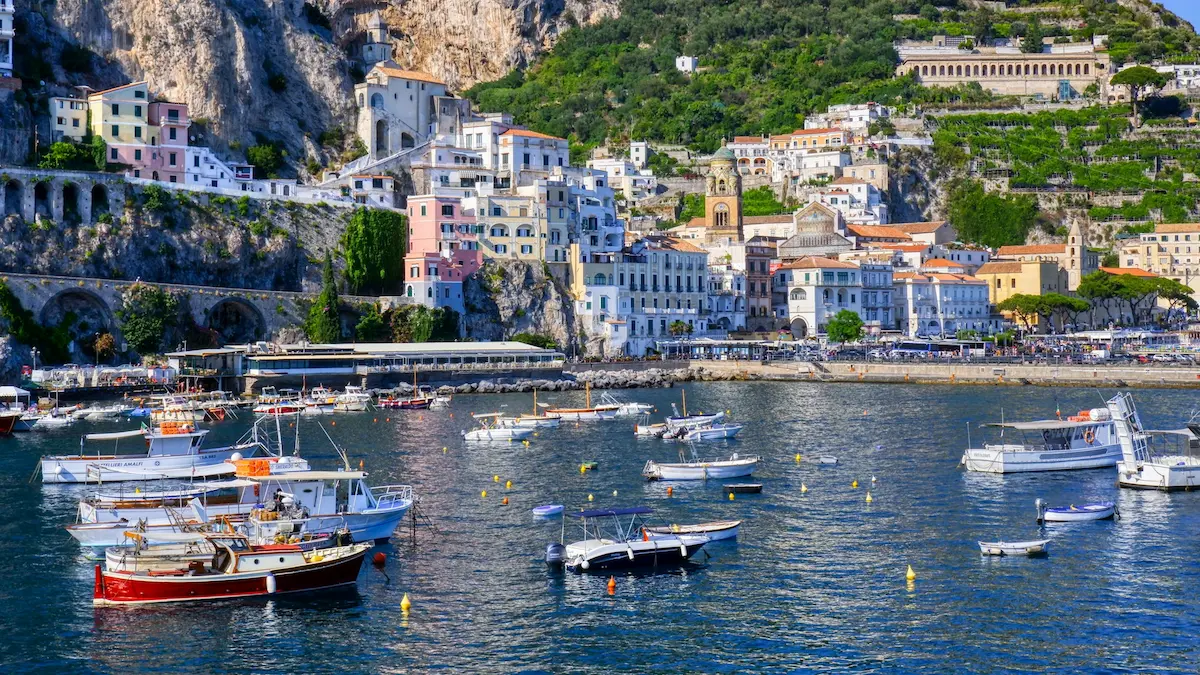
An Amalfi Coast yacht charter represents the pinnacle of Mediterranean luxury sailing, combining dramatic volcanic cliffs, pastel-colored villages perched over the Tyrrhenian Sea, and legendary culinary shore stops. Cruising this storied Italian coastline—stretching from the Gulf of Naples to the Gulf of Salerno—offers a rich blend of historic ports, deep-water anchorages, and glamorous island destinations like Capri and Ischia. However, navigating this region demands careful preparation. Skippers must manage crowded summer waterways, negotiate high-speed commercial ferry and hydrofoil traffic, and anticipate steep overnight mooring fees in exclusive harbors. Whether you choose a stable catamaran to lounge off the rocky coves of Positano or a classic monohull to tackle the open passages of the Pontine Islands, a private yacht is the ultimate way to experience Southern Italy. Weekly bareboat charters generally range from $5,000 to $15,000 depending on vessel class and season, while hiring a professional local captain adds approximately $1,800 to $2,500 per week to provide navigation, local mooring reservations, and local guiding. If you are comparing Mediterranean cruising grounds, read our Greece yacht charter guide or our Mallorca yacht charter guide to find the best sailing destination for your crew.
Key Takeaways
- Twin Cruising Options: The region offers two distinct cruising pathways: the classic, high-fashion Amalfi Coast & Capri Loop, and the quieter, wilder Phlegraean & Pontine Islands Route.
- Ferry Traffic & Wakes: High-speed commercial hydrofoils connect Naples, Sorrento, Capri, and Positano. Skippers must maintain a constant lookout and expect significant rolling wakes even in calm weather.
- Mooring Logistics: True anchorages are limited and deep. Most overnight stays require booking a local mooring buoy (boa) or paying premium marina docking fees (especially in Capri).
⚓ Amalfi Coast Cruising Vitals
| Best Cruising Months | Avg. Weekly Cost | Difficulty Level | Primary Winds & Currents | License Required? |
|---|---|---|---|---|
| May–October (July and August are highly crowded) | $5,000–$15,000 (bareboat) + $1,800–$2,500 (captain) | Intermediate (Requires deep anchoring and heavy traffic awareness) | Mistral (NW, 10-20 kts); afternoon thermals (W-SW, 8-15 kts); seasonal Scirocco (SE) | Yes, formal sailing license (ICC, SLC, or equivalent national license) plus a VHF operator license |
Cruising the Amalfi Coast: Three Primary Sailing Zones
The sailing grounds of Southern Italy are naturally divided into three main sectors, each offering a distinct atmosphere and sea state.
1. The Gulf of Naples & Phlegraean Islands
The Gulf of Naples is bordered by the city of Naples, Mount Vesuvius, and the Sorrento Peninsula. The Phlegraean Islands of Procida and Ischia sit at the northern entrance of the gulf. Procida is characterized by its colorful fishing harbor of Marina Corricella, while Ischia is famous for its thermal springs and the Castello Aragonese. The gulf is relatively protected, but high-speed commercial traffic is dense, requiring vigilant watchkeeping.
2. The Amalfi Coast & Capri
Stretching along the southern side of the Sorrento Peninsula, this zone features dramatic cliffs rising straight from the deep sea. The island of Capri lies just off the western tip of the peninsula. Anchoring is deep and exposed to the open Tyrrhenian Sea. Towns like Positano and Amalfi do not have large sheltered marinas; instead, yachts anchor in designated deep-water buoy fields managed by local mooring services that provide water taxi transits to the shore.
3. The Pontine Islands
Located about 25 to 40 miles northwest of Ischia, the Pontine Islands (including Ventotene, Ponza, and Palmarola) are volcanic gems that offer a wilder, more remote sailing experience. The waters here are clean and clear, and the coastline is carved with spectacular caves and sandy bays (like Chiaia di Luna). This zone is exposed to open ocean winds, making it an excellent destination for experienced sailors who enjoy active navigation and quiet natural anchorages.
Itinerary 1: The Classic Amalfi Coast & Capri Loop (7 Days)
This classic one-week itinerary starts from the Gulf of Naples, rounds the Sorrento Peninsula, and traces the high-fashion towns of Positano and Amalfi before visiting the exclusive island of Capri.
Disclaimer: Boating conditions, weather, and regulations change rapidly. Always cross-check with local authorities, official weather services, and paper charts before embarking.
Day 1: Naples (Marina di Stabia) to Sorrento
Sailing Distance: ~12 nautical miles
Embark at Marina di Stabia, a modern marina inside the Gulf of Naples. Complete your vessel check-in and sail southwest along the coast to Sorrento. Drop anchor in the sandy pool off Marina Grande in 25 feet of water, or secure a mooring ball from the local harbor service. Head ashore to explore Sorrento’s historic center, famous for its lemon groves and Limoncello, and enjoy a traditional dinner overlooking the Gulf.
Day 2: Sorrento to Positano
Sailing Distance: ~15 nautical miles
Cast off and sail west around Punta Campanella, the rugged cape separating the Gulf of Naples from the Gulf of Salerno. Navigate past the Li Galli islands, a small archipelago once believed to be the home of the Sirens. As you approach Positano, contact the local mooring service (“Cariddi” or similar) on VHF Channel 77 to secure a mooring buoy in the deep-water field. Take their water taxi ashore to stroll through Positano’s steep, colorful streets.
Day 3: Positano to Amalfi
Sailing Distance: ~7 nautical miles
Enjoy a short, scenic coastal sail east to Amalfi. The coast is dotted with historic watchtowers and sheer cliffs. Enter the small harbor of Amalfi. Because space is extremely limited, pre-book a berth at the Coppola Marina Dock or anchor in the deep-water buoy field outside the breakwater. Walk ashore to visit the stunning 9th-century Duomo di Sant’Andrea and hike up the Valley of the Mills to see the historic paper workshops.
Day 4: Amalfi to Cetara
Sailing Distance: ~9 nautical miles
Sail further east along the coast, passing Minori, Maiori, and the dramatic fjord of Furore. Arrive at Cetara, a traditional, unpretentious fishing village famous for its anchovy syrup (Colatura di Alici). Anchor off the sandy beach in 20 feet of water, protected from north winds, or dock along the small breakwater jetty. Cetara offers a quiet, authentic Italian fishing village charm, contrasting with the glamorous tourist hubs.
Day 5: Cetara to Capri
Sailing Distance: ~22 nautical miles
Weigh anchor and sail west back along the peninsula toward the island of Capri. If you have pre-booked a berth at Marina Grande, enter the harbor carefully, watching out for the constant stream of high-speed passenger ferries. If anchoring, drop anchor in the sand off Marina Piccola on the south side of the island in 30 feet of water, underneath the famous Faraglioni rocks. Spend the afternoon exploring the gardens and designer shops of Capri town.
Day 6: Capri to Ischia
Sailing Distance: ~19 nautical miles
Depart Capri and set a course northwest across the open channel to Ischia, the largest island in the Phlegraean group. Sail around the eastern coast, passing the imposing Castello Aragonese. Anchor in 20 feet of sand below the castle, or enter the circular harbor of Ischia Porto (a collapsed volcanic crater). Ischia is famous for its natural thermal springs and volcanic mud baths; spend the afternoon relaxing at one of the thermal parks.
Day 7: Ischia back to Naples (Marina di Stabia)
Sailing Distance: ~18 nautical miles
Sail east across the Gulf of Naples back to your charter base. Keep a lookout for commercial shipping lanes. Pass the colorful island of Procida and return to Marina di Stabia. Complete your vessel check-out and celebrate the end of your cruise with a dinner in the historic town of Castellammare di Stabia.
Itinerary 2: The Phlegraean & Pontine Islands Expedition (7 Days)
This alternative itinerary is designed for sailors seeking clear waters, quiet volcanic bays, and active blue-water passages. It visits the Phlegraean Islands of Procida and Ischia before heading northwest to the remote Pontine Islands.
Day 1: Naples (Pozzuoli) to Procida (Marina Corricella)
Sailing Distance: ~10 nautical miles
Depart your charter base in Pozzuoli, located on the northern shore of the Gulf of Naples. Sail southwest to the island of Procida. Round the southern cape and anchor in the sheltered bay of Chiaiolella in 15 feet of sand, or pick up a local mooring ball. Take the dinghy or walk across the island to Marina Corricella, a breathtaking, car-free fishing harbor painted in vibrant pastel colors, and dine at a local trattoria.
Day 2: Procida to Ischia (Castello Aragonese)
Sailing Distance: ~6 nautical miles
Sail a short distance west across the Ischia Channel. Navigate around the historic Castello Aragonese, which sits on a rocky islet connected to Ischia by a stone bridge. Drop anchor in the sand flat south of the castle in 15–20 feet of clear water. The holding is excellent. Spend the day swimming, exploring the medieval castle chambers, and dining at a waterfront seafood restaurant in Ischia Ponte.
Day 3: Ischia to Ventotene Island (Porto Romano)
Sailing Distance: ~22 nautical miles
Weigh anchor early for a blue-water passage west-northwest to the volcanic island of Ventotene. This passage is exposed to the open sea and prevailing winds. Enter the Porto Romano, a unique harbor hand-carved out of volcanic tuff rock by the ancient Romans. Dock along the Roman quay, or anchor outside in Cala Rossano if the inner harbor is full. Ventotene is incredibly quiet and peaceful, with a population of only a few hundred residents.
Day 4: Ventotene to Ponza Island (Porto di Ponza)
Sailing Distance: ~24 nautical miles
Enjoy a fast beam reach northwest to Ponza Island, the largest of the Pontine group. Ponza’s harbor is a beautiful, crescent-shaped amphitheater of yellow and pink houses. Drop anchor in the wide outer bay of Porto di Ponza in 20 feet of sand, or tie up to one of the floating seasonal pontoons. Stroll through the charming town and visit the ancient Roman cisterns carved into the hillsides.
Day 5: Ponza to Palmarola Island (Cala Brigantina) & back to Ponza
Sailing Distance: ~10 nautical miles
Sail five miles west to Palmarola Island, widely considered one of the most beautiful islands in the Mediterranean. Palmarola is a protected nature reserve with no permanent residents. Anchor in the spectacular cove of Cala Brigantina, flanked by sheer cliffs and sea caves, or Cala del Porto (known as the “Frenchman’s Cove”). Snorkel in the volcanic rock pools, and return to Ponza’s protected harbor before sunset.
Day 6: Ponza Island back to Ischia (Sant’Angelo)
Sailing Distance: ~44 nautical miles
Prepare for a long, active sailing crossing south-southeast back to the southern coast of Ischia Island. This passage can be challenging in strong westerly winds, requiring reefing and active helm work. Arrive at the picturesque fishing village of Sant’Angelo, which is built around a giant tombolo rock. Anchor in the sandy bay of Chiaia di Rose in 20 feet of sand, protected from north and west winds. Explore the car-free village and relax on the beach.
Day 7: Ischia back to Naples (Pozzuoli)
Sailing Distance: ~15 nautical miles
Weigh anchor and sail east across the Gulf of Pozzuoli. Return to your charter base. Complete your charter check-out, and enjoy a final evening dining in the historic Phlegraean Fields region, famous for its archaeological sites and local volcanic wines.
Ready to experience Italy’s premier sailing waters? You can browse yacht charters on WeBoating.com to compare catamarans and monohulls and hire a professional local skipper for your Amalfi Coast cruise.
Yachting Infrastructure: Italian Marinas & Provisioning Docks
Sailing on the Amalfi Coast requires navigating a mix of modern commercial marinas and historic, crowded town harbors:
Marina di Stabia (Naples): Located at the base of the Sorrento Peninsula, this modern, full-service marina is the primary staging base for Amalfi Coast yacht charters. It offers excellent shelter, deep-water berths, fuel, water, electricity, 24/7 security, and a swimming pool, with major supermarkets located nearby for provisioning.
Marina Grande (Capri): Capri’s primary marina is world-famous and extremely expensive, with overnight slips for catamarans frequently exceeding $300–$500 per night during the summer. Space must be booked months in advance. It offers full services, but the harbor basin is constantly active with ferry wakes, making it a rolly berth.
Amalfi Town Jetty (Porto di Amalfi): Amalfi features a small breakwater harbor with floating pontoons (managed by Coppola Marina Dock). It offers water, electricity, and basic provisioning, but slips are tight and require skilled maneuvering. Booking in advance is mandatory during the peak season.
🌪️ Weather Guardrails & Mediterranean Winds
Understanding local wind systems and coastline topography is critical for ensuring a safe and comfortable charter experience:
- Summer Thermal Breezes: Under typical summer high-pressure systems, the wind is driven by diurnal heating. Expect calm mornings, followed by a west-southwest thermal sea breeze peaking at 10–15 knots in the afternoon, dying down at sunset. This provides comfortable, predictable sailing.
- The Mistral (Maestrale): A strong, cool wind blowing from the Northwest. While the Gulf of Naples is partially sheltered by Ischia and the mainland, the Mistral can create choppy seas in the open passages between islands, particularly during crossings to the Pontine Islands.
- The Scirocco: A warm, humid wind blowing from the Southeast. The Scirocco can blow for several days, bringing high humidity, red Saharan dust, and sudden squalls. It makes the southern-facing anchorages of the Amalfi Coast and Capri (like Marina Piccola) unsafe due to incoming swells.
- Punta Campanella Funneling: The narrow passage between Punta Campanella (the tip of the Sorrento Peninsula) and Capri acts as a wind tunnel. Easterly or westerly winds compress through this channel, increasing wind speeds by 5–10 knots and creating steep, localized waves.
Local Rules, Mooring & Environmental Regulations
Italian maritime authorities (Guardia Costiera) and marine park rangers strictly enforce environmental protection rules along this historic coast:
– Punta Campanella Marine Protected Area: Anchoring and motorized navigation are restricted in designated zones around Punta Campanella and the Li Galli islands. Skippers must check marine park boundaries and anchor only in approved sandy flats or use designated park mooring buoys.
– Positano Anchoring Ban: To protect underwater seagrass and shore safety, the local maritime authority prohibits anchoring within 300 meters of Positano’s beaches. Cruising yachts must anchor in the deeper outer waters (exceeding 60 feet) or use the regulated buoy fields managed by local operators.
– Facilitating Marketplace Role: WeBoating.com is a marketplace connecting travelers with independent, third-party operators. WeBoating does not operate, manage, or own any charters or experiences.
Glossary: Speak Like an Amalfi Skipper
Boa: The Italian word for a mooring buoy. Local operators manage private buoy fields off towns like Positano, Sorrento, and Amalfi.
Gozzo: A traditional, wooden double-ended Italian fishing boat, now commonly used as a local water taxi or day-charter vessel.
Scirocco: A hot, dry or humid wind blowing from North Africa across the Mediterranean, bringing red dust and southerly swells.
Frequently Asked Questions About Amalfi Coast Yacht Charters
The prime charter season runs from May through October. July and August are highly crowded with tourists and have the highest mooring fees, while May, June, September, and October offer milder weather and quieter anchorages.
Yes, Italian maritime regulations require a valid sailing license such as an ICC (International Certificate of Competence), SLC, or equivalent national license (like RYA Day Skipper) for bareboat charters. A VHF operator license is also mandatory.
Most charters depart from bases in the Gulf of Naples, such as Marina di Stabia, Castellammare di Stabia, Pozzuoli, or Salerno. These locations offer full provisioning facilities and are easily accessible from Naples International Airport.
Bareboat sailing yachts and catamarans typically range from $5,000 to $15,000 per week depending on the season and boat size. Hiring a professional local skipper adds approximately $1,800 to $2,500 per week to your budget.
Due to deep waters, limited natural harbors, crowded boat traffic, and active high-speed ferries, it is best suited for intermediate to advanced sailors. Beginners are strongly advised to hire a professional local skipper.
Marina Grande is one of the most expensive marinas in the world, with overnight slips ranging from $150 to over $500 USD per night during the peak summer months. Booking months in advance is required.
The primary summer wind is a westerly thermal breeze (8-15 knots) that rises in the afternoon. The region can also experience the Mistral (cool northwest wind) and the Scirocco (warm, humid southeast wind that brings heavy swells).
Anchoring is prohibited within 300 meters of the beach. You must anchor in deep water outside the beach zone or book a regulated mooring buoy from the local harbor concessionaires.
The Phlegraean Islands (Ischia and Procida) are situated close to Naples and are populated and lively. The Pontine Islands (Ponza, Ventotene, Palmarola) are located further offshore, offering a wilder, more remote volcanic cruising experience.
Yes. Most mooring fields off Positano, Amalfi, and Sorrento offer dedicated water taxi services (using traditional gozzo boats) to transport crews from their anchored yachts directly to the town docks.
High-speed hydrofoils (aliscafi) follow strict routes between Naples, Sorrento, Capri, and Amalfi. Skippers must maintain an active lookout, yield the channel, and keep well clear to avoid their heavy rolling wakes.
You can compare and book yacht charters directly on WeBoating.com, where you can select a catamaran or monohull and hire a professional captain for your cruise.