Seychelles Yacht Charter Guide: Inner Islands Cruising Itinerary & Skipper Tips

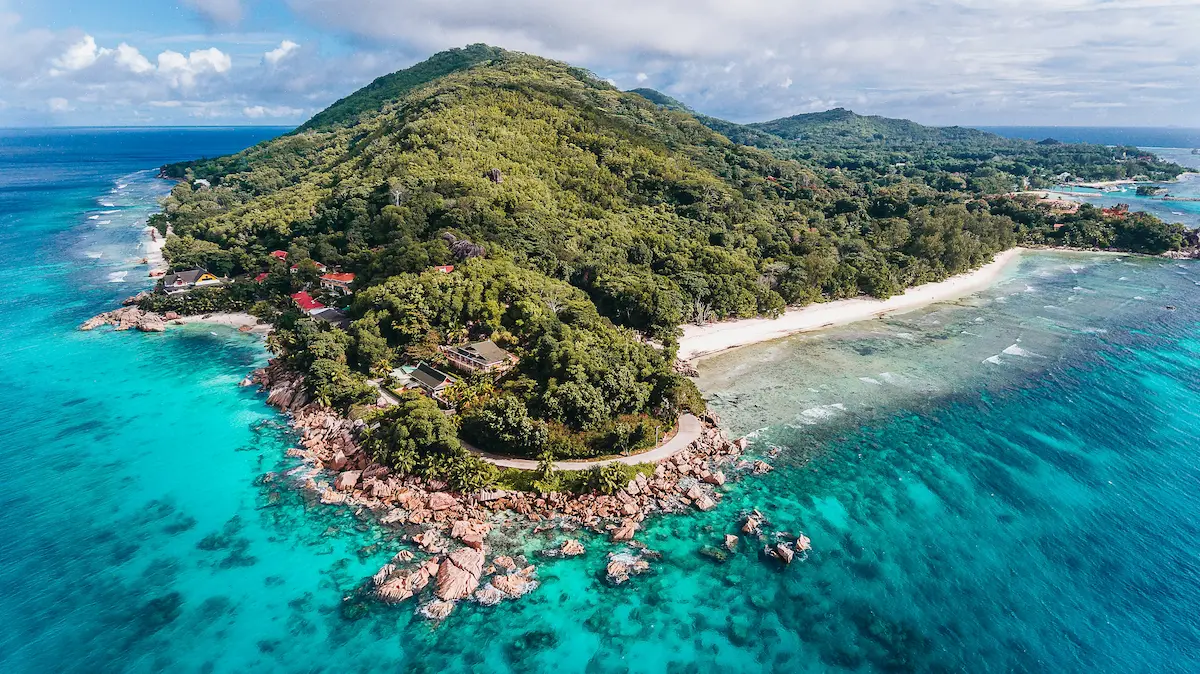
A Seychelles yacht charter offers one of the most exotic and visually spectacular sailing adventures in the world, taking you through an ancient archipelago of 115 islands scattered across the warm waters of the western Indian Ocean. Unlike the flat coral atolls found in other tropical destinations, the Inner Islands of the Seychelles feature massive, polished black granite boulders, lush mountainous rainforests, and some of the most famous white-sand beaches on Earth. Cruising here involves navigating the turquoise channels between Mahé, Praslin, and La Digue, managing variable semi-diurnal tides, and keeping a sharp lookout for shallow coral heads (bommies) in the lagoons. Whether you choose a spacious catamaran to slide over the shallow reef pools or a monohull to tackle the ocean channels, the Seychelles deliver an unparalleled island-hopping experience. Weekly bareboat catamarans generally range from $6,000 to $15,000 depending on vessel size and season, while hiring a professional local skipper adds approximately $1,800 to $2,500 per week to provide navigation, local anchoring expertise, and guiding. If you are comparing tropical destinations, read our BVI yacht charter guide or our Tahiti yacht charter guide to find the best cruising ground for your next cruise.
Key Takeaways
- Granitic Island Hopping: The Inner Islands offer easy line-of-sight navigation between Mahé, Praslin, and La Digue, allowing you to transition between secluded bays and rainforest hikes by mid-day.
- Active Monsoon Seasons: Wind conditions are governed by the Northwest Monsoon (calmer seas, lighter winds) and the Southeast Monsoon (cooler temperatures, but strong winds and rougher ocean channel crossings).
- Coral Head Navigation: Many pristine anchorages require careful piloting through shallow reef passes and alert navigation around isolated coral heads rising close to the surface.
⚓ Seychelles Cruising Vitals
| Best Cruising Months | Avg. Weekly Cost | Difficulty Level | Primary Winds & Currents | License Required? |
|---|---|---|---|---|
| April, May, October, November (Inter-monsoon periods) | $6,000–$15,000 (catamarans) + $1,800–$2,500 (skipper) | Intermediate (Requires tidal planning and reef piloting) | NW Monsoon (Nov-Apr, 5-12 kts); SE Monsoon (May-Oct, 15-25 kts); tides up to 1.8m | Yes, formal license (ICC, SLC, or equivalent) plus a sailing resume showing catamaran experience is required |
Cruising the Seychelles: Three Primary Sailing Zones
The main cruising area of the Seychelles is focused on the Inner Islands. These granitic islands are grouped into three primary cruising sectors, each with distinct conditions and highlights.
1. Mahé and the Sainte Anne Marine National Park
Mahé is the largest island in the Seychelles, home to the capital city of Victoria and the international airport. The island’s dramatic granite peaks provide a stunning backdrop for sailing. Just a few miles off the coast of Victoria lies the Sainte Anne Marine National Park, a group of six small islands surrounded by shallow coral reefs. This marine sanctuary offers excellent shelter from the wind and is an ideal first-day shake-down anchorage with sandy bottoms and gentle waters.
2. Praslin Island & Curieuse Marine National Park
Praslin is the second-largest island, located about 24 miles northeast of Mahé. It serves as an excellent central cruising hub. The north shore features the stunning, world-renowned anchorage of Anse Lazio, which offers a deep sand bottom and excellent holding in easterly trade winds. Just off Praslin’s northern coast sits Curieuse Island, a protected national park where yachts can anchor in the sheltered waters of Baie Laraie to visit the famous Aldabra giant tortoise sanctuary.
3. La Digue Island & Coco Marine National Park
La Digue is famous for its slow pace of life, where bicycles are the primary mode of transport. The island’s western shore features the iconic Anse Source d’Argent beach, marked by giant granite boulders. Anchoring off La Digue requires caution, as the western coast is lined with a shallow coral reef and can be subject to rolling swells. Nearby lies Coco Island (Île de Coco), a tiny marine park offering spectacular snorkeling in clear waters, though anchoring is limited to day-use mooring balls to protect the seabed.
A 7-Day Seychelles Inner Islands Sailing Itinerary
This classic one-week cruising itinerary begins and ends on Mahé Island, taking you through the best anchorages of the Inner Islands with manageable daily hops.
Day 1: Mahé (Eden Island Marina) to Sainte Anne Marine Park
Sailing Distance: ~4 nautical milesRouting Details: Check in at Eden Island Marina on Mahé, a modern full-service facility. After completing your vessel briefing, depart and sail northeast to the Sainte Anne Marine National Park.
Anchoring & Staging: Drop anchor in the sandy pool between Sainte Anne and Moyenne islands in 10-12 feet of water. This sheltered zone provides a secure anchorage to test the yacht’s systems.
Marine Highlights: Spend the afternoon snorkeling over the shallow coral reefs, where you can swim with sea turtles and tropical fish.
Day 2: Sainte Anne Marine Park to Praslin (Anse Lazio)
Sailing Distance: ~25 nautical milesRouting Details: Depart early for a blue-water passage north-northeast to Praslin Island. This crossing of the open ocean channel is exposed to the prevailing monsoon winds. Reef your sails early for crew comfort.
Anchoring & Staging: Arrive at the north coast of Praslin and drop anchor in the deep sandy bottom of Anse Lazio in 15-20 feet of clear water.
Marine Highlights: Enjoy swimming off one of the world’s most beautiful beaches.
Day 3: Praslin (Anse Lazio) to Curieuse Island (Baie Laraie)
Sailing Distance: ~4 nautical milesRouting Details: Weigh anchor and enjoy a short, scenic sail east around the northern tip of Praslin to Curieuse Island. Navigate carefully into Baie Laraie, paying close attention to the shallow reef markers.
Anchoring & Staging: Pick up a marine park mooring ball or anchor in 12 feet of sand and mud.
Marine Highlights: Go ashore to visit the ranger station and walk the wooden boardwalk through the mangrove forest. You will encounter hundreds of free-roaming Aldabra giant tortoises that inhabit the island.
Day 4: Curieuse Island to La Digue (La Passe)
Sailing Distance: ~9 nautical milesRouting Details: Set sail southeast toward La Digue Island. As you approach the western side of La Digue, check your chart plotter and maintain a bow lookout to clear the shallow coral reef flats.
Anchoring & Staging: Anchor in the sand outside the small harbor jetty of La Passe in 15-20 feet of water, leaving ample room for local ferries.
Marine Highlights: Go ashore, rent a bicycle, and ride to L’Union Estate to see the historic coconut plantation and the iconic granite formations of Anse Source d’Argent beach.
Day 5: La Digue to Coco Island & Félicité Island
Sailing Distance: ~5 nautical milesRouting Details: Cast off and sail north to the Île de Coco Marine National Park, a small cluster of granite islets. Because Coco Island is exposed to swells, do not stay overnight.
Anchoring & Staging: Pick up a day-use mooring ball. Sail a short distance east to Félicité Island and drop anchor in a sandy patch off the southwest shore in 15 feet of water.
Marine Highlights: Snorkel the spectacular coral gardens at Coco Island, which are home to rays, reef sharks, and schools of blue-striped snappers.
Day 6: Félicité Island to Praslin (Anse Volbert / Cote d’Or)
Sailing Distance: ~6 nautical milesRouting Details: Set a course west back to the eastern coast of Praslin.
Anchoring & Staging: Drop anchor in the wide, sandy bay of Anse Volbert (Cote d’Or) in 10-12 feet of water. The holding here is excellent.
Marine Highlights: Go ashore to visit the local shops and restaurants along the beach. Arrange a land taxi to the Vallée de Mai Nature Reserve, a UNESCO World Heritage site located in the island’s interior, where you can walk under the giant, endemic Coco de Mer palms.
Day 7: Praslin to Mahé (Eden Island Marina)
Sailing Distance: ~26 nautical milesRouting Details: Depart Praslin early in the morning for the blue-water crossing south-southwest back to Mahé Island. Keep a sharp lookout for commercial vessel traffic as you approach Victoria Harbour. Enter the dredged channel to Eden Island Marina and return to your slip.
Anchoring & Staging: Moor safely in your slip at Eden Island.
Marine Highlights: Conclude your Seychelles sailing cruise, and enjoy a shoreside dinner at the marina complex.
Disclaimer: Boating conditions, weather, and regulations change rapidly. Always cross-check with local authorities, official weather services, and paper charts before embarking.
Yachting Infrastructure: Indian Ocean Marinas & Provisioning Docks
Cruising in the Seychelles is highly self-reliant, but relies on a few key service ports and marina facilities:
Eden Island Marina (Mahé)
This is the premier marina facility in the Seychelles, located on a reclaimed island connected to Mahé by a short bridge. It features modern floating docks, deep-water access, shore power, fresh water, fuel berths, and superyacht slips. The adjacent Eden Plaza mall offers a large supermarket, bank, liquor stores, and restaurants, making it the primary provisioning staging base for all charters.
Baie Sainte Anne Jetty (Praslin)
Located on the eastern side of Praslin, this jetty serves as a terminal for inter-island ferries and local fishing fleets. Several charter companies maintain pontoon berths here. Water and fuel can be arranged alongside, and basic provisioning is available in the nearby village shops, though space is often limited.
La Passe Jetty (La Digue)
This is a small, shallow harbor basin protected by a breakwater on La Digue. The channel entry is narrow and can be dangerous in strong westerly winds. Guest slip space is extremely limited and usually congested with local ferries. Most cruising yachts anchor outside the breakwater and use the dinghy to access the jetty docks.
🌬️ Weather Guardrails & Wind Patterns for a Seychelles Yacht Charter
Understanding local wind systems and tidal patterns is crucial for crew safety and anchorage selection during your cruise:
- The Northwest Monsoon (November to April): During these months, winds blow primarily from the Northwest at 5–12 knots. The seas are generally calm, but the humidity is high and afternoon rain showers are common. This is the best season for snorkeling and scuba diving due to high water clarity.
- The Southeast Monsoon (May to October): Cool, dry air blows consistently from the Southeast at 15–25 knots. This monsoon brings cooler temperatures but creates choppy seas and a long ocean swell (up to 2–3 meters in open channels). Anchorages exposed to the south and east experience rolling swells, requiring you to seek shelter on the northern shores of the islands.
- Tidal Currents and Ranges: The Seychelles experiences semi-diurnal tides with a range of up to 1.8 meters (6 feet). This tidal movement creates strong currents (up to 2 knots) in the narrow channels between islands and inside shallow lagoons. Always check tide tables when planning reef crossings.
- Tropical Cyclones: The Inner Islands of the Seychelles lie outside the main Indian Ocean cyclone belt. However, they can still experience heavy rain and strong squalls from passing tropical storms during the peak cyclone season (December to March) in the southern Indian Ocean.
Local Rules, Mooring & Environmental Regulations
Strict conservation rules are enforced by the Seychelles National Parks Authority (SNPA) to protect the unique marine ecosystems:
Fees & Permitting Nuances
- Marine Park Overnight Fees: Yachts anchoring or mooring in designated marine parks (Sainte Anne, Curieuse, Coco Island) are subject to daily entry and overnight fees. Park rangers collect these fees in patrol boats.
- Retain Official Receipts: Always ensure you obtain an official receipt when paying mooring fees, and keep it handy for inspection by park rangers across different marine parks.
- Charter Pre-Clearance Fees: Verify with your charter broker whether mandatory national park cruising taxes have been pre-paid in your bareboat charter fee, or if you must pay in local currency (Seychelles Rupee) upon arrival.
- Mooring Length Limits: Be aware of variations in moorage and anchoring fees based on vessel length overall (LOA), especially when berthing at Eden Island Marina.
Prohibited & Protected Zones
- Anchoring Prohibitions on Coral: Anchoring is strictly prohibited on live coral reefs to prevent structural damage to the seabed.
- Designated Mooring Mandates: You must anchor only in clear sandy patches (identifiable by light turquoise water) or secure the yacht to the provided green mooring buoys inside marine parks like Sainte Anne and Coco Island.
- Aldabra Giant Tortoise Sanctuary: Anchoring restrictions are rigorously enforced around Curieuse Island to protect the vulnerable Aldabra giant tortoise habitat and surrounding mangrove ecosystems.
- Ferry Channel Clearances: Avoid dropping anchor inside the active ferry turning basin and dredged entrance channel at La Passe Jetty on La Digue.
Safety & Environmental Risks
- Coral Head Navigation Hazards: Isolated coral heads (bommies) rise abruptly from the sandy bottom in shallow lagoons, necessitating extreme caution.
- High Sun Visibility Strategy: When navigating inside reef pools, always post a bow lookout and only maneuver during high sun hours (10:00 to 14:00) when submerged coral features are clearly visible.
- Rolling Ocean Swells: Anchorages exposed to the Southeast Monsoon experience heavy rolling swells; ensure you select protected northern shores from May to October.
- Tidal Current Vulnerability: The up to 1.8-meter tidal range creates powerful localized currents (up to 2 knots) inside narrow island channels; always calculate tidal shifts before crossing reef passes.
Facilitating Marketplace Role: WeBoating.com is a marketplace connecting travelers with independent, third-party operators. WeBoating does not operate, manage, or own any charters or experiences.
Planning Your Seychelles Yacht Charter: A Bucket-List Cruise
A Seychelles yacht charter is a bucket-list adventure that combines pristine island-hopping, wild tropical hikes, and unparalleled marine encounters. By choosing the right vessel and preparing for local monsoon seasons, you can enjoy a safe, memorable, and truly exotic cruise in the Indian Ocean. Ready to experience this tropical sailing paradise? You can browse Seychelles yacht charters on WeBoating.com to compare catamaran or monohull options and hire a professional captain for your cruise.
Glossary: Speak Like a Seychelles Skipper
Bommie: A column of coral rising close to the water’s surface, requiring a bow lookout and high sun visibility to avoid.
Coco de Mer: An endemic giant palm tree native to Praslin, famous for producing the largest and heaviest seed in the plant kingdom.
Inner Islands: The group of 43 granitic islands clustered around Mahé, Praslin, and La Digue, representing the main cruising grounds of the Seychelles.
Frequently Asked Questions About Seychelles Yacht Charters
The best season depends on what you seek: the NW monsoon (November to April) brings calmer seas, lighter winds, and higher humidity, perfect for snorkeling; the SE monsoon (May to October) brings cooler, drier weather but strong trade winds (15-20+ knots) and rougher seas for active sailing.
Yes, chartering a bareboat yacht in the Seychelles generally requires a formal sailing license such as an ICC (International Certificate of Competence), SLC, or RYA Day Skipper, along with a detailed sailing resume. If you do not have one, you can hire a professional local skipper.
Most charters start from Mahé Island, specifically Eden Island Marina, which is a modern full-service facility located near the international airport. Some charters can also start or end on Praslin Island.
Bareboat catamarans typically range from $6,000 to $15,000+ per week depending on the size and season, while hiring a professional local skipper adds approximately $1,800 to $2,500 per week to your budget.
The Inner Islands offer line-of-sight navigation, but due to strong tidal currents, reef passages, open ocean swell, and shifting winds, it is best suited for intermediate to advanced sailors. Beginners should hire a local skipper.
Coral bommies are isolated coral heads rising close to the surface. When navigating shallow bays, always post a bow lookout, use polarized sunglasses, and navigate only during high sun hours (10:00 to 14:00) when visibility is best.
No, the Outer Islands are located hundreds of miles away, require special permits, long-distance blue-water vessels, and professional expedition crews. Standard charters are restricted to the Inner Islands.
Mooring balls are available in popular marine parks like St. Anne and Curieuse, but in many bays, you will need to anchor in sand. Always verify the bottom type and anchor depth before dropping.
You can expect to swim with giant tortoises on Curieuse, spot hawksbill sea turtles, dolphins, whale sharks (seasonally), rays, and a vibrant array of tropical reef fish.
Eden Island Marina on Mahé is the primary full-service marina. Praslin has Baie Sainte Anne (with basic pontoon services), and La Digue has a small, crowded jetty, but otherwise, you will be anchoring or mooring in bays.
The Seychelles has a semi-diurnal tide with a range of up to 1.8 meters (6 feet). This range can create strong currents in narrow channels between islands, requiring careful passage planning.
You can compare and book yacht charters directly on WeBoating.com, where you can select a catamaran or monohull and hire a professional captain for your cruise.