St. Lucia & Martinique Yacht Charter Guide: Windward Islands Sailing Itinerary

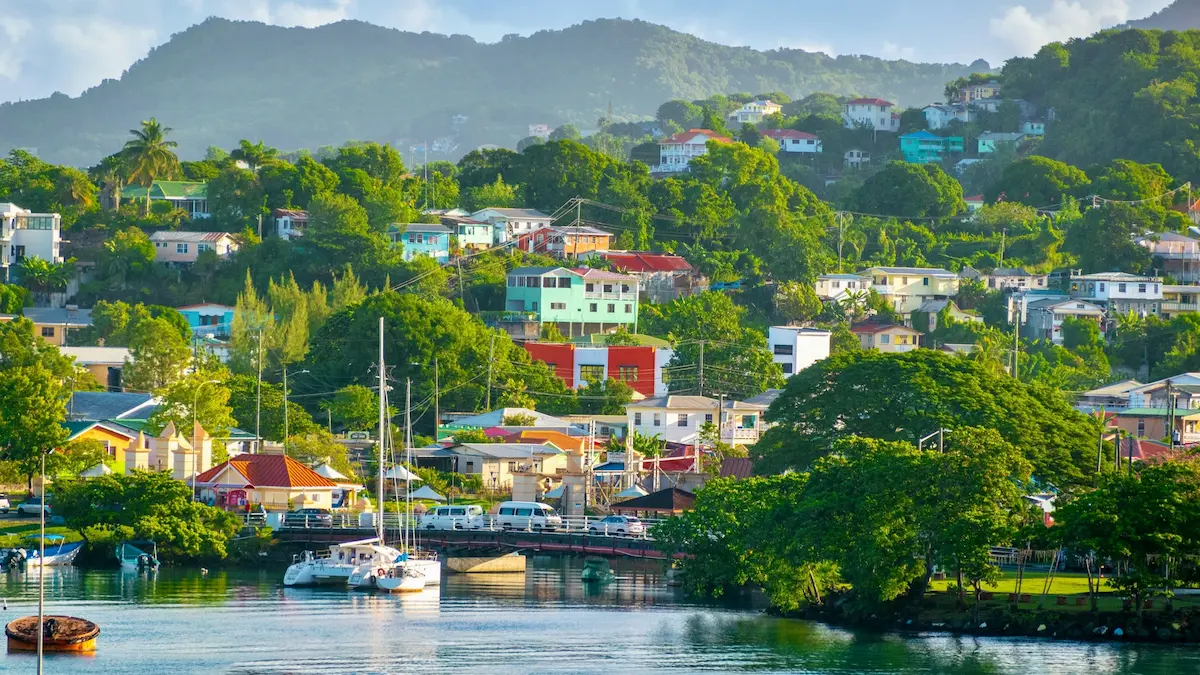
A St. Lucia yacht charter paired with neighboring Martinique offers one of the most visually stunning cruising grounds in the Caribbean, defined by towering volcanic peaks, deep rainforest valleys, and black-sand beaches. The optimal time to sail the Windward Islands is during the dry season from December to May, offering consistent 15 to 25-knot Northeast Trade Winds, with weekly bareboat rentals typically ranging from $3,500 to $9,000 USD. Navigating these waters requires offshore experience, as the open-ocean passages between the islands funnel the Atlantic swell and strong winds. From the chic, French-infused marinas of Le Marin to the dramatic, UNESCO-protected Pitons of St. Lucia, this itinerary blends two distinct Caribbean cultures with exhilarating blue-water sailing. If you are exploring other Caribbean options, compare our USVI yacht charter guide or our Antigua yacht charter guide.
Key Takeaways
- Dual-Nation Cruising: Experience the Euro-Caribbean flair of French Martinique alongside the lush, laid-back vibe of English-speaking St. Lucia.
- Exhilarating Passages: The inter-island channels offer true open-ocean sailing conditions, demanding respect for the trade winds and Atlantic swell.
- Volcanic Anchorages: Moor directly beneath the sheer volcanic spires of the Pitons, requiring deep-water anchoring techniques and marine park permits.
⚓ Quick Facts & Experience Vitals
| Best Time to Go | Avg. Weekly Cost | Difficulty Level | Key Winds / Currents | License Required? | Primary Embarkation Port |
|---|---|---|---|---|---|
| December–May | $3,500–$9,000 USD (bareboat) | Intermediate to Advanced (Open-ocean channels) | NE Trade Winds (15-25 kts); West-setting current | Sailing Resume (ICC rarely required) | Le Marin (Martinique) or Rodney Bay (St. Lucia) |
The Lay of the Land (Introduction)
Located in the heart of the Windward Islands chain, Martinique and St. Lucia sit roughly 20 nautical miles apart, creating a perfect week-long, two-nation itinerary. Martinique is an overseas department of France, meaning you will find excellent baguettes, well-stocked Carrefour supermarkets, and the massive, modern charter hub of Le Marin. Just to the south lies St. Lucia, famous for its dense rainforests, drive-in volcano, and the iconic Pitons rising sharply from the sea. Sailing between the two islands means leaving the lee of the land and crossing the St. Lucia Channel, where the uninterrupted Atlantic Ocean meets the Caribbean Sea. This crossing provides fast, wet, and thrilling reaches. The anchorages on the western (leeward) coasts are typically deep, often requiring tying a stern line to a palm tree or utilizing local boat boys to secure a marine park mooring.
Sailing Zones & Cruising Sectors
This itinerary focuses on the protected leeward (western) coasts of both islands, avoiding the treacherous, windward Atlantic shores.
1. Southern Martinique
The southern coast of Martinique features heavily indented bays, white-sand beaches, and extensive coral reefs. Le Marin is the epicenter of Caribbean yachting, providing unmatched repair and provisioning services. Nearby anchorages like Sainte-Anne offer wide, sandy holding in turquoise water, making it a perfect first or last night stop.
2. The St. Lucia Channel
The 20-mile stretch of open water separating the islands. Without the protective landmass blocking the Trade Winds, the wind will accelerate, and the Atlantic swell wraps around the islands. This is a blue-water passage that requires securing all loose gear, reefing early, and preparing for a potentially bumpy ride.
3. The Leeward Coast of St. Lucia
Starting in the north at Rodney Bay—the finish line for the famous Atlantic Rally for Cruisers (ARC)—the coast runs south past the hidden “hurricane hole” of Marigot Bay, down to Soufrière and the Pitons. The mountains block the wind, creating flukey, swirling gusts close to shore. Anchorages here are incredibly deep, dropping off steeply just yards from the beach.
Sailing Itineraries
Itinerary 1: The Windward Highlights (7 Days)
This route assumes a start in Le Marin, Martinique, which offers the largest fleet of charter yachts in the region.
Day 1: Le Marin to Sainte-Anne (Martinique)
Sailing Distance: ~5 nautical milesRouting Details: A short, protected motor-sail out of the long Cul-de-Sac Marin bay.
Anchoring & Staging: Drop anchor off the village of Sainte-Anne or the nearby Les Salines beach. The holding is excellent in white sand, with depths of 3-5 meters.
Marine Highlights: Enjoy your first Caribbean sunset with a Ti’ Punch (the local Martinique rum cocktail) and fresh croissants from the village bakery.
Day 2: Sainte-Anne to Rodney Bay (St. Lucia)
Sailing Distance: ~25 nautical milesRouting Details: An exhilarating beam-reach crossing of the St. Lucia Channel. Reef your sails before leaving the lee of Martinique.
Anchoring & Staging: Enter the buoyed channel into Rodney Bay Marina to clear customs and immigration, or anchor in the expansive bay outside (good holding in sand/mud).
Marine Highlights: Explore Pigeon Island National Park, climbing to the fort for panoramic views across the channel back to Martinique.
Day 3: Rodney Bay to Marigot Bay (St. Lucia)
Sailing Distance: ~10 nautical milesRouting Details: A short, coastal sail south. Watch for fishing floats and sudden wind gusts funneling down the mountain valleys.
Anchoring & Staging: Marigot Bay is a deep, narrow, palm-fringed fjord and a famous hurricane hole. Anchoring space is limited; picking up a mooring buoy from the marina is highly recommended.
Marine Highlights: Dine at the famous Doolittle’s restaurant (named after the movie filmed here) and enjoy the lush, jungle-enclosed atmosphere.
Day 4: Marigot Bay to The Pitons (Soufrière, St. Lucia)
Sailing Distance: ~12 nautical milesRouting Details: Sail south to the spectacular Soufrière Bay. The wind often dies entirely in the lee of the mountains, requiring you to motor.
Anchoring & Staging: Anchoring is strictly prohibited here to protect the reef. You must take a Soufrière Marine Management Area (SMMA) mooring buoy. Local “boat boys” will assist you in threading your line through the buoy for a small tip.
Marine Highlights: Take a land taxi to the Sulphur Springs (a drive-in volcano) and hike the Tet Paul Nature Trail for the best views of the Pitons.
Day 5: The Pitons to Anse d’Arlet (Martinique)
Sailing Distance: ~35 nautical milesRouting Details: A long passage back north across the channel. This will be a close reach or a beat against the trade winds and current, making for a wet and active sail.
Anchoring & Staging: Clear customs (often done via computer at a local cafe) in Grande Anse or Anse d’Arlet. Pick up a mooring buoy or anchor in deep sand.
Marine Highlights: Snorkel the crystal-clear waters of Anse Dufour, famous for its resident sea turtles.
Day 6: Anse d’Arlet to Fort-de-France (Martinique)
Sailing Distance: ~12 nautical milesRouting Details: Sail north into the massive Baie de Fort-de-France, passing the Rocher du Diamant (Diamond Rock) offshore.
Anchoring & Staging: Anchor off the Baie des Flamands directly in front of the capital city, Fort-de-France, beneath the walls of Fort Saint Louis.
Marine Highlights: Go ashore to visit the Schoelcher Library, the vibrant spice market, and soak in the distinct French-Caribbean city culture.
Day 7: Fort-de-France back to Le Marin
Sailing Distance: ~20 nautical milesRouting Details: An easy downwind or reaching sail back south along the coast to Le Marin.
Anchoring & Staging: Top up fuel at the Le Marin fuel dock before returning to your charter base slip.
Marine Highlights: Enjoy a final French-Creole dinner at one of the many excellent restaurants bordering the marina.
Local Berthing & Staging (Marinas & Yacht Harbors)
The marina infrastructure between these two islands varies wildly, from mega-hubs to rustic moorings:
Marina Le Marin (Martinique)
The largest yachting center in the southern Caribbean. It boasts over 800 berths, massive chandleries, sailmakers, and exceptional French provisioning (wine, cheese, and meats). It is the base for almost all major charter companies (Dream Yacht, Sunsail, Moorings).
Rodney Bay Marina (St. Lucia)
A full-service, modern marina situated in a highly protected inner lagoon. It features excellent restaurants, duty-free shopping, and comprehensive technical services. It serves as the official port of entry for most yachts arriving from the north.
Marigot Bay Resort & Marina (St. Lucia)
An upscale, boutique marina nestled in a deep, lush bay. It caters to luxury superyachts but offers transient moorings for charter boats. Access to the resort’s pools and facilities is often included with a mooring fee.
🌪️ Regional Weather Guardrails & Winds
Sailing the Windward Islands requires understanding and respecting the Atlantic weather systems:
- The Trade Winds (Alizés): The dominant weather feature. From December to May, the winds blow consistently from the Northeast at 15-25 knots. From June to November, they shift slightly East/Southeast and lighten to 10-15 knots.
- The “Christmas Winds”: During late December and January, the trade winds can surge to 25-30+ knots for days at a time, bringing large 3-4 meter swells into the channels. Novice crews should avoid crossing channels during these events.
- Island Wind Effects: The high volcanic mountains of St. Lucia and Martinique create significant wind shadows on their leeward coasts. You may experience dead calms immediately followed by violent, 30-knot katabatic gusts funneling down the valleys (known locally as “williwaws”).
- Hurricane Season: The official season runs from June 1st to November 30th (peaking in September). Most charter companies severely restrict or halt operations during this time, and insurance coverage is void for major storms.
Local Rules, Mooring & Anchorages
Fees & Permitting Nuances
- Clearing In and Out: Because Martinique (France) and St. Lucia (independent Commonwealth) are separate nations, you MUST clear customs and immigration every time you cross the channel. In Martinique, this is easily done via a computer terminal at a local cafe (for a few Euros). In St. Lucia, it requires a formal visit to the customs office in Rodney Bay or Soufrière with all crew passports.
- Q Flag: Always fly the yellow “Q” flag when entering territorial waters until you have officially cleared in.
Prohibited & Protected Zones
- Soufrière Marine Management Area (SMMA): The entire western coast of St. Lucia around the Pitons is a protected marine reserve. Anchoring is strictly prohibited. You must purchase a marine park permit and use the color-coded mooring buoys (white for dive boats, yellow/red for yachts).
Safety & Environmental Risks
- The “Boat Boys”: In St. Lucia, local entrepreneurs in small skiffs will approach your yacht offering to help you catch a mooring line, sell fruit, or arrange island tours. A polite “No thank you” is respected, but if you accept their help tying up, a tip of $5-$10 EC or USD is expected.
- Deep Water Anchoring: Anchorages in St. Lucia can drop from 3 meters to 30 meters in the span of a boat length. Ensure you have adequate chain (at least 50 meters) and test your anchor set aggressively by backing down on it.
- Security: Petty theft can occasionally occur in anchorages. Always lock your dinghy and outboard engine to the yacht at night, and lock the companionway when leaving the boat.
Disclaimer: Boating conditions, weather, and regulations change rapidly. Always cross-check with local authorities, official weather services, and paper charts before embarking. If you’re planning a yacht charter in St. Lucia, compare listings and hire licensed local skippers directly on WeBoating.com.
WeBoating.com is a marketplace connecting travelers with independent, third-party operators. WeBoating does not operate, manage, or own any charters or experiences.
Frequently Asked Questions
The dry season from December through May is optimal. You will experience warm weather, less rain, and reliable northeast trade winds.
A weekly bareboat charter typically ranges from $3,500 to $9,000 USD depending on the yacht size and season. Fully crewed catamarans will cost upwards of $15,000 USD.
While European certifications (like the ICC) are rarely strictly mandated by law here, charter companies will require a detailed sailing resume proving your experience with large yachts and open-water passages.
The St. Lucia channel is 20 miles of open ocean. With 20 knots of wind and a 2-meter Atlantic swell, it can be a wet, bouncy, and exhilarating 3 to 4-hour crossing. Reef early.
Yes. Martinique is French, and St. Lucia is an independent nation. You must officially clear out of one and clear into the other using your passports and boat papers.
No. Anchoring is prohibited in the Soufrière Marine Management Area to protect the reefs. You must pick up a designated marine park mooring buoy.
Local men in small skiffs who offer goods, services, and help with mooring lines. They are a staple of the local economy. Be polite, negotiate prices upfront, and tip them a few dollars for their help.
Martinique uses the Euro (EUR). St. Lucia uses the Eastern Caribbean Dollar (XCD or EC), though US Dollars are widely accepted almost everywhere in St. Lucia.
Yes, but you must respect the ocean. The channels demand offshore sailing skills, and you should always lock your dinghy and outboard at night to prevent petty theft.
Yes, Le Marin in Martinique has massive French hypermarkets (Carrefour) perfect for bulk provisioning. Rodney Bay in St. Lucia also has excellent, American-style supermarkets.
You can browse yacht charters directly on WeBoating.com to compare bareboats, luxury catamarans, and hire local skippers.
They are sudden, violent gusts of wind that accelerate down the steep mountain valleys of St. Lucia. They can strike a peaceful anchorage suddenly, which is why your anchor must be well-set.