Phuket Yacht Charter Guide: Phang Nga Bay & Andaman Sea Sailing Itinerary

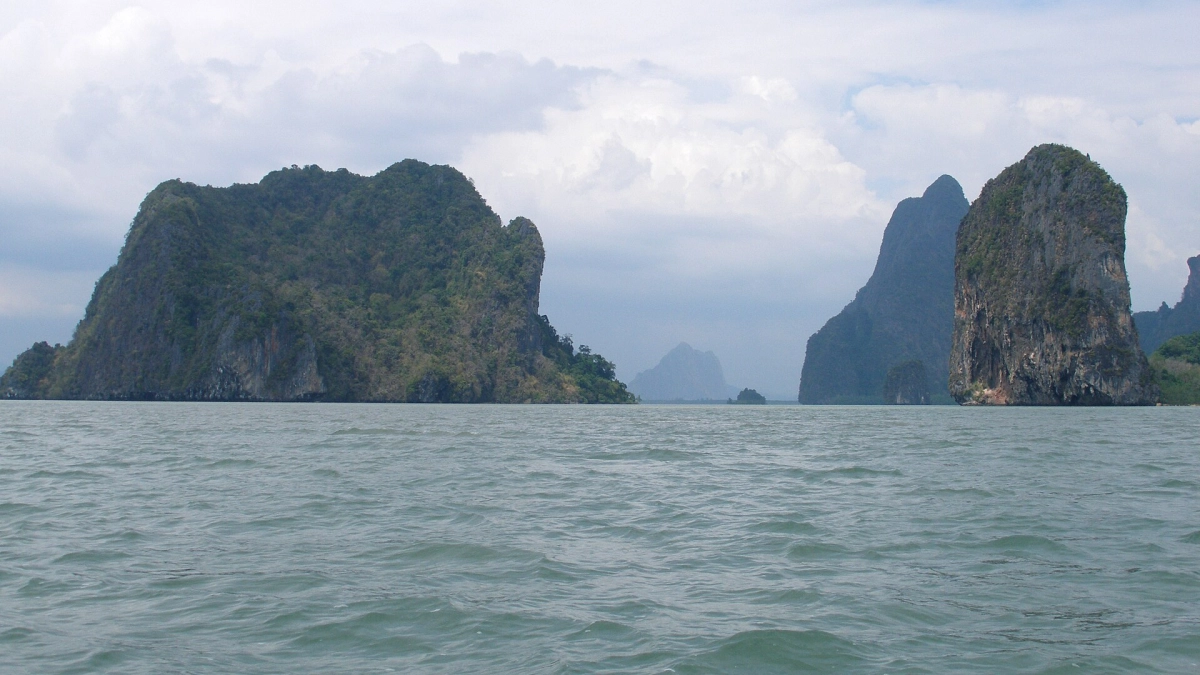
A Phuket yacht charter is the gateway to Southeast Asia’s most iconic cruising grounds, where towering limestone karsts rise from emerald waters in Phang Nga Bay and vibrant marine life fills the Andaman Sea. The best time to sail Phuket is during the dry Northeast Monsoon from November to April, offering calm seas, clear skies, and steady 10 to 20-knot winds, with weekly bareboat rentals typically ranging from $3,500 to $9,000 USD depending on vessel size. An ICC or equivalent sailing license is required for bareboat charters, though hiring a local skipper is popular for navigating the region’s tidal currents and hidden anchorages. From the bustling shores of Patong to the secluded snorkeling reefs of the Similan Islands, Phuket provides unparalleled diversity. If you are exploring broader tropical itineraries, you can also compare our Seychelles yacht charter guide or Tahiti yacht charter guide for Indian Ocean and South Pacific alternatives.
Key Takeaways
- Spectacular Karst Scenery: Phang Nga Bay features vertical limestone cliffs, hidden hongs (lagoons), and sheltered anchorages accessible year-round.
- Monsoon Dynamics: The cruising season is sharply divided into the dry Northeast Monsoon (peak sailing) and the wet Southwest Monsoon (Green Season).
- World-Class Diving: The offshore Similan and Surin Islands offer some of the planet’s best scuba diving and snorkeling in pristine national marine parks.
⚓ Quick Facts & Experience Vitals
| Best Time to Go | Avg. Weekly Cost | Difficulty Level | Key Winds / Currents | License Required? | Primary Embarkation Port |
|---|---|---|---|---|---|
| November–April (Northeast Monsoon) | $3,500–$9,000 USD (bareboat) + $150–$200/day (skipper) | Beginner to Intermediate (Phang Nga Bay) / Advanced (Offshore) | NE Monsoon (10-20 kts); Tidal currents up to 3 kts | Yes (ICC, SLC, or equivalent for bareboat) | Ao Po Grand Marina / Yacht Haven Marina |
The Lay of the Land (Introduction)
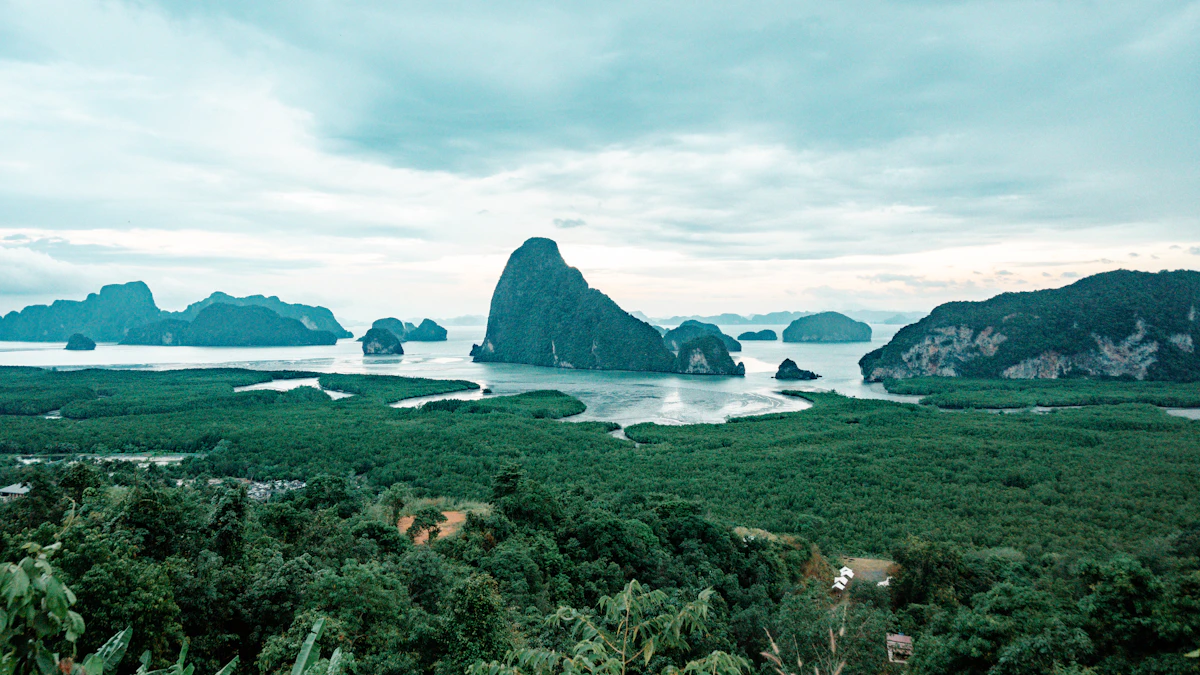
Sailing from Phuket drops you immediately into the heart of the Andaman Sea, a region of striking geographical contrasts. Leaving the modern, superyacht-friendly marinas on Phuket’s east coast, you enter the sheltered, emerald-green waters of Phang Nga Bay. Here, hundreds of sheer limestone islands plunge vertically into the sea, hiding secret internal lagoons (hongs) accessible only by kayak or tender at low tide. Heading further south toward Krabi and the Phi Phi Islands, the water shifts to crystal-clear turquoise, fringed by powdery white sand beaches and vibrant coral reefs. The culture is as rich as the scenery, with opportunities to anchor near traditional floating fishing villages like Koh Panyee, dine on fresh spicy seafood on the beach, and experience the warm hospitality of southern Thailand. While the coastal mainland buzzes with energy, your yacht provides a private sanctuary to explore remote coves where the only sounds are the rustle of the jungle and the lap of the tide against the hull.
Sailing Zones & Cruising Sectors
The Phuket cruising grounds are expansive and diverse. The region is typically divided into three distinct sectors, each dictated by seasonal weather and geographical protection:
1. Phang Nga Bay (The Protected North)
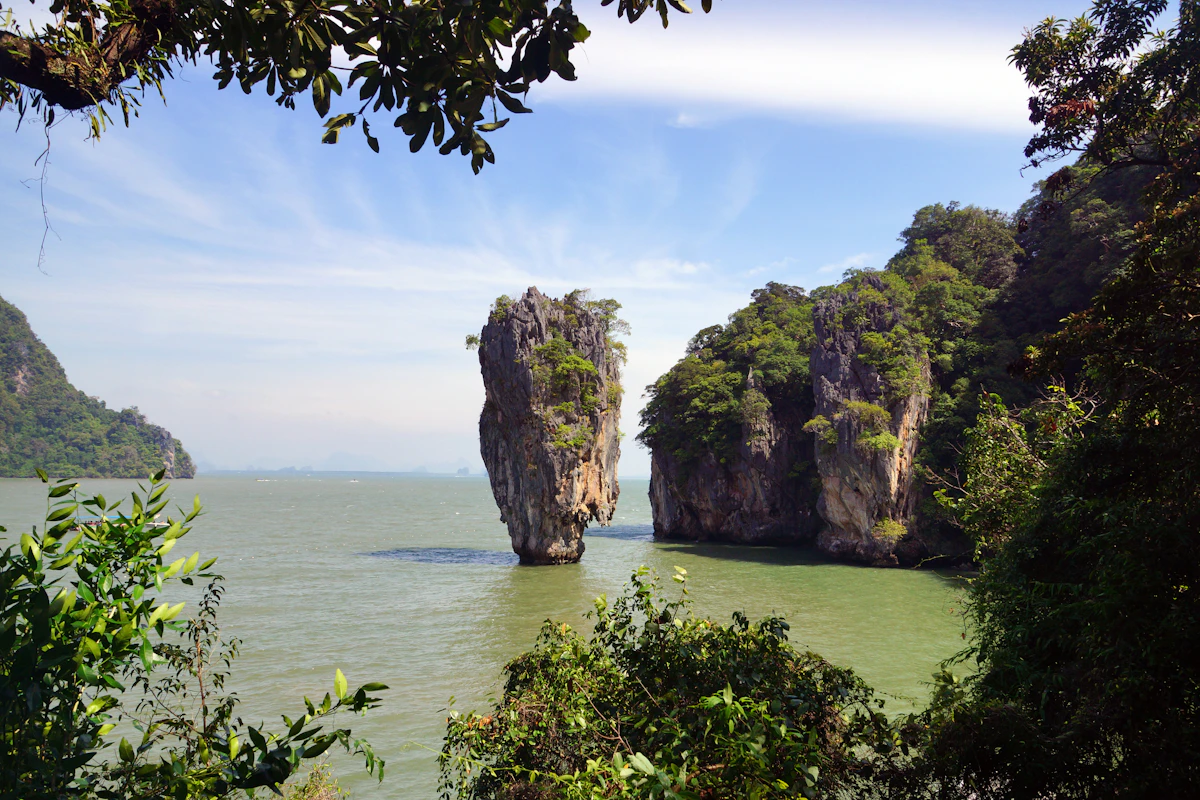
Located northeast of Phuket, this is a spectacular, highly sheltered inland sea. Famous for “James Bond Island” (Khao Phing Kan) and Koh Hong, the bay features towering limestone karsts and shallow, muddy bottoms. Because it is protected from the ocean swells of the Southwest Monsoon, it is the only major cruising ground in Phuket that remains safe and accessible year-round. Navigation requires attention to tidal depths and fish farm nets.
2. Krabi & The Phi Phi Islands (The Scenic South)
Sailing southeast from Phuket leads to the Krabi coastline and the Phi Phi archipelago. This zone offers the quintessential tropical island experience: steep cliffs, the stunning Pileh Lagoon, Maya Bay, and excellent snorkeling over fringing reefs. The holding ground is primarily sand. This area is highly exposed to the Southwest Monsoon and is best cruised during the dry Northeast Monsoon (November to April).
3. Similan & Surin Islands (The Offshore Northwest)
Situated 50 to 60 nautical miles northwest of Phuket in the open Andaman Sea, these remote archipelagos are designated national marine parks. They boast Thailand’s best scuba diving, with massive granite boulders, manta ray cleaning stations, and whale shark sightings. This is an advanced offshore passage requiring a capable vessel. The parks are strictly closed to visitors from May through mid-October due to heavy monsoon swells.
Sailing Itineraries
Itinerary 1: The Phang Nga & Phi Phi Loop (7 Days)
This classic itinerary combines the dramatic geology of the north with the vibrant beaches and snorkeling of the south, perfect for the dry season.
Day 1: Yacht Haven Marina to Koh Chong Lat
Sailing Distance: ~12 nautical milesRouting Details: Depart Yacht Haven Marina on an incoming tide, heading east into the sheltered waters of northern Phang Nga Bay.
Anchoring & Staging: Drop anchor in 5-8 meters of thick mud off Koh Chong Lat; exceptional holding and total protection.
Marine Highlights: Enjoy a peaceful first evening surrounded by towering limestone cliffs and the sounds of jungle wildlife.
Day 2: Koh Chong Lat to Koh Hong (Phang Nga) & Koh Yang
Sailing Distance: ~10 nautical milesRouting Details: Navigate south through the bay, watching for shallow sandbanks and local longtail boat traffic.
Anchoring & Staging: Anchor in 4-6 meters of mud near Koh Yang, providing easy dinghy access to James Bond Island before the day-trippers arrive.
Marine Highlights: Launch the tender or kayaks to explore the hidden internal lagoon (hong) of Koh Hong at low tide, navigating through a stunning sea cave.
Day 3: Koh Yang to Railay Beach (Krabi)
Sailing Distance: ~18 nautical milesRouting Details: Sail southeast out of the deep bay, entering the clearer waters off the Krabi coastline.
Anchoring & Staging: Anchor in 5 meters of sand off Railay Beach West. The anchorage can be rolly if the wind shifts west.
Marine Highlights: Tender ashore to world-famous Railay Beach, known for its sheer rock climbing walls and beachfront reggae bars.
Day 4: Railay Beach to Koh Phi Phi Don
Sailing Distance: ~16 nautical milesRouting Details: An open water sail south to the Phi Phi archipelago; expect a steady breeze and potential swell.
Anchoring & Staging: Pick up a public mooring buoy in Ton Sai Bay or anchor in sand in Monkey Bay, taking care to avoid coral patches.
Marine Highlights: Hike to the Phi Phi viewpoint for a panoramic sunset over the twin bays, then explore the lively shoreside village.
Day 5: Koh Phi Phi Don to Koh Phi Phi Leh & Koh Racha Yai
Sailing Distance: ~22 nautical milesRouting Details: Morning cruise to Phi Phi Leh to see Maya Bay, then a longer passage west toward the Racha Islands.
Anchoring & Staging: Anchor or take a mooring in 8 meters of sand in Ao Tawan Tok (Bungalow Bay) on Koh Racha Yai; good protection from NE winds.
Marine Highlights: Early morning snorkeling in Pileh Lagoon’s towering gorge, followed by afternoon diving in the crystal-clear waters of Racha Yai.
Day 6: Koh Racha Yai to Koh Maiton & Chalong Bay
Sailing Distance: ~15 nautical milesRouting Details: Sail north back toward the main island of Phuket, stopping at the private island of Koh Maiton.
Anchoring & Staging: Anchor in 6 meters of mud in Chalong Bay, the primary yachting hub on Phuket’s southern end.
Marine Highlights: Look for the resident pod of dolphins off Koh Maiton, then enjoy a shoreside dinner at the Chalong Yacht Club.
Day 7: Chalong Bay back to Yacht Haven / Ao Po
Sailing Distance: ~20 nautical milesRouting Details: Cruise up the east coast of Phuket, timing the tides to easily pass through the channel between Phuket and Koh Coconut.
Anchoring & Staging: Berth at Ao Po Grand Marina or Yacht Haven Marina for fuel-up and checkout.
Marine Highlights: A final relaxing sail enjoying the coastal views before concluding your Andaman adventure.
Itinerary 2: The Phang Nga Bay “Green Season” Explorer (5 Days)
Designed for chartering between May and October during the Southwest Monsoon, this route stays entirely within the highly protected waters of Phang Nga Bay to avoid ocean swells.
Day 1: Ao Po Grand Marina to Koh Panak
Sailing Distance: ~8 nautical milesRouting Details: Short crossing into the bay; navigate carefully around the shallow mudflats.
Anchoring & Staging: Anchor in 5 meters of sticky mud off the east side of Koh Panak; fully protected from SW winds.
Marine Highlights: Explore the island’s famous sea caves (mut colts) by dinghy, timing your entry with the low tide to access hidden lagoons.
Day 2: Koh Panak to Koh Panyee
Sailing Distance: ~12 nautical milesRouting Details: Sail deeper north into the bay. Water depth decreases significantly; strict depth sounder monitoring is required.
Anchoring & Staging: Anchor in 3-4 meters of mud south of the floating village; excellent holding.
Marine Highlights: Visit Koh Panyee, a remarkable Muslim fishing village built entirely on stilts over the water, and enjoy a fresh crab dinner.
Day 3: Koh Panyee to Koh Roi
Sailing Distance: ~14 nautical milesRouting Details: Sail south past James Bond Island, threading between the spectacular karst formations.
Anchoring & Staging: Anchor securely in the lee of Koh Roi in mud; completely sheltered.
Marine Highlights: Take a sunset dinghy ride to observe thousands of fruit bats leaving their roosts in the island’s caves.
Day 4: Koh Roi to Koh Hong (Krabi)
Sailing Distance: ~10 nautical milesRouting Details: Sail east toward the Krabi side of the bay, staying north of the exposed swell lines.
Anchoring & Staging: Pick up a national park mooring buoy off Koh Hong; if full, anchor in sand/mud further out.
Marine Highlights: Kayak into the massive internal lagoon of Koh Hong, surrounded by 360-degree sheer cliffs and emerald water.
Day 5: Koh Hong back to Ao Po Grand Marina
Sailing Distance: ~14 nautical milesRouting Details: An easy downwind or reaching sail west across the bay back to Phuket.
Anchoring & Staging: Return to the all-tide Ao Po Grand Marina.
Marine Highlights: Spot Brahminy kites hunting fish in the bay before docking.
Local Berthing & Staging (Marinas & Yacht Harbors)
Phuket features some of the best marine infrastructure in Asia, concentrated primarily on the island’s sheltered eastern coast:
Ao Po Grand Marina
Considered the premier departure point for Phang Nga Bay, this 300-berth marina offers 24-hour, zero-tide restriction access. It accommodates superyachts up to 100 meters with a 7-meter draft. Facilities include high-speed fuel docks, shore power, and excellent provisioning options just 20 minutes from the airport.
Phuket Yacht Haven
Located on the northeast tip of the island, Yacht Haven is the closest marina to Phuket International Airport. It holds over 300 vessels and is a major hub for bareboat charter fleets. The marina sits in a tidal channel, so skippers must calculate currents when docking, but it offers immediate access to the northern cruising grounds.
Royal Phuket Marina
A luxury “5 Gold Anchor” award-winning marina featuring high-end restaurants, wellness centers, and waterfront villas. Access requires navigating a marked channel that is tide-dependent; deep-draft vessels must time their entry and exit carefully around high water.
Phuket Boat Lagoon
Thailand’s first marina operates as a comprehensive yachting village. It is the primary location for heavy maintenance, featuring extensive dry docks, travel lifts, and chandleries. Like Royal Phuket, it shares the same tide-restricted entrance channel, requiring draft calculations.
🌪️ Regional Weather Guardrails & Winds
Navigating the Andaman Sea requires a clear understanding of the monsoon shift, which dictates where it is safe to sail:
- The Northeast Monsoon (Nov–April): The dry, high season. Winds blow steadily from the NE at 10 to 20 knots. Skies are clear, humidity is lower, and the seas on the west coast and offshore islands (Similans) are calm and safe for anchorage.
- The Southwest Monsoon (May–Oct): The wet “Green Season.” Winds shift to the SW, bringing heavier rains, localized squalls, and large ocean swells. The west coast of Phuket and offshore islands become dangerous lee shores. Sailing is strictly confined to the sheltered waters of Phang Nga Bay and the east coast.
- Tidal Range & Currents: Phuket experiences semi-diurnal tides with a spring range up to 3 meters. This generates strong tidal currents (up to 3 knots) in narrow channels like the Pak Phra Strait and between islands, requiring careful passage timing.
Local Rules, Mooring & Anchorages
Fees & Permitting Nuances
- National Park Entry Tariffs: Cruising in the Similan or Surin marine parks requires purchasing a permit from the Thai Department of National Parks, costing approximately 500 THB per person, plus a daily vessel fee.
- Superyacht Charter Licenses: Since 2021, foreign-flagged superyachts can apply for a Thai charter license, so they can legally take paying guests without first importing the yacht; ask your broker to confirm the vessel holds one.
- Mandatory Clearances: All yachts arriving from international waters (e.g., Langkawi, Malaysia) must clear Customs, Immigration, and the Harbour Master at Chalong Bay upon arrival.
- Skipper Qualifications: Bareboat charter companies legally require the captain to present an original ICC, SLC, or equivalent RYA Day Skipper certificate prior to vessel handover.
Prohibited & Protected Zones
- Similan Islands Closure: The Similan and Surin National Marine Parks are strictly closed to all vessel traffic from mid-May through mid-October to allow reef recovery and prevent accidents in monsoon swells.
- Maya Bay Restrictions: To protect the regenerating blacktip reef shark population, vessels cannot anchor inside Maya Bay; you must use designated moorings outside and access the beach via a specialized floating pier at Loh Samah Bay.
- Coral Anchoring Ban: Dropping an anchor on living coral is a severe offense under Thai law; skippers must utilize orange/blue marine park mooring buoys or drop in deep sand well clear of the reef line.
- Night Sailing Prohibition: Charter companies strictly prohibit night sailing; vessels must be securely anchored or moored at least one hour prior to sunset due to unlit fish traps and nets.
Safety & Environmental Risks
- Unmarked Fishing Hazards: The Andaman Sea is heavily utilized by local fishermen who deploy longlines and bamboo fish traps marked only by dark flags or plastic bottles, requiring a dedicated bow watch.
- Phang Nga Mudflats: The northern reaches of Phang Nga Bay feature extensive, shifting mud shoals; skippers must constantly monitor the depth sounder and calculate tidal heights to avoid running aground.
- Southwest Swell Exposure: During the Green Season, anchoring on the west coast of Phuket (like Patong or Kata) is highly dangerous due to intense, rolling lee-shore ocean swells.
- Longtail Boat Wakes: High-speed local longtail boats operate relentlessly in the Phi Phi and Krabi sectors, generating steep, disruptive wakes that require setting a stabilizing bridle when moored.
Disclaimer: Boating conditions, weather, and regulations change rapidly. Always cross-check with local authorities, official weather services, and paper charts before embarking. If you’re planning a yacht charter in Phuket, compare listings and hire licensed local skippers directly on WeBoating.com.
WeBoating.com is a marketplace connecting travelers with independent, third-party operators. WeBoating does not operate, manage, or own any charters or experiences.
Frequently Asked Questions
The optimal sailing season is the dry Northeast Monsoon from November to April, featuring calm seas, clear skies, and excellent visibility for snorkeling.
Yes, an International Certificate of Competence (ICC), SLC, or equivalent recognized sailing license (like RYA Day Skipper) is required to bareboat charter in Thailand.
A weekly bareboat catamaran or monohull charter typically costs between $3,500 and $9,000 USD. Adding a local skipper costs an additional $150 to $200 USD per day.
Yes, but sailing is strictly limited to the protected waters of Phang Nga Bay. The west coast of Phuket and offshore islands like the Similans face dangerous swells from the Southwest Monsoon.
Most charters depart from the east coast marinas, primarily Ao Po Grand Marina and Yacht Haven Marina, which provide immediate, sheltered access to Phang Nga Bay.
Yes, but only between November and April when the marine park is open. It requires an advanced offshore passage of 50-60 NM, and many bareboat companies restrict access without a hired professional skipper.
Yes, the Thai Department of National Parks maintains mooring buoys near sensitive coral reefs in areas like the Phi Phi and Similan Islands to prevent anchor damage.
A hong (Thai for ‘room’) is a collapsed cave system forming a hidden internal lagoon inside a limestone karst. They are accessible only by kayak or tender through low-clearance sea caves.
No, charter companies prohibit night sailing. Navigating after dark is highly dangerous due to unlit fishing nets, bamboo fish traps, and local longtail boats operating without navigation lights.
You can provision at large supermarkets in Phuket before departure, or charter companies offer full pre-provisioning services. En route, island markets and floating villages like Koh Panyee sell fresh seafood and basic supplies.
The Thai Baht (THB) is the official currency. While marinas accept credit cards, you must carry cash for national park fees, tipping, and buying food at small island restaurants or floating markets.
You can browse yacht charters directly on WeBoating.com to compare bareboat catamarans, monohulls, and hire licensed local skippers for your cruise.
Book Catamaran Charters
Private Catamaran from Cancun to Isla Mujeres for up to 13 People
Sold by Cancun Sailing Catamarans
4H Lux 40′ Catamaran All-Inclusive in Tulum and Playa del Carmen.
Sold by Riviera Elite