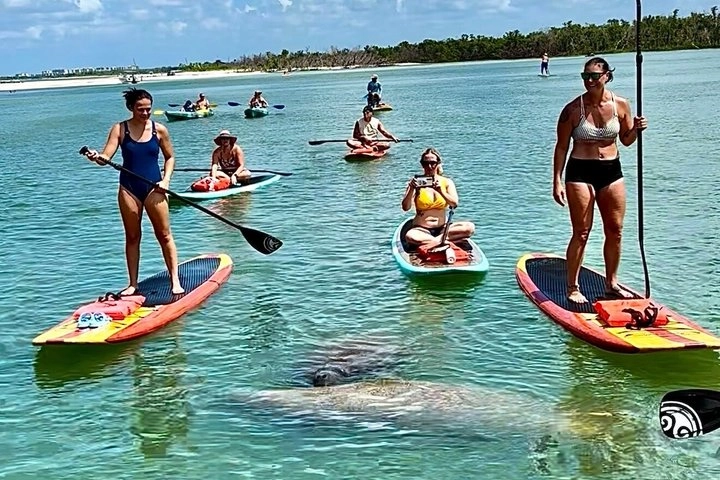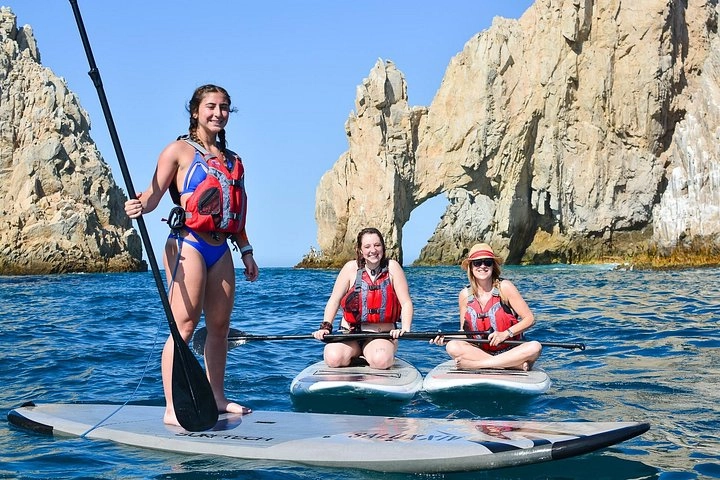
To start beginner stand up paddleboarding successfully, choose a wide, high-volume all-around SUP matched to your weight, and equip yourself with a Type III PFD, safety whistle, and ankle leash. Launch at a calm, protected spot early in the day before winds build, starting on your knees to find your balance over the board’s carry handle. Stand up with feet parallel, keep your knees soft, and look at the horizon rather than your feet to maintain stability. Master the forward stroke by stacking your hands and planting the blade fully, use wide sweep turns to rotate, and practice falling safely to the side to avoid landing on your board. Always check wind forecasts, planning your route so you return upwind, and start with a short 45 to 60-minute loop. For those interested in exploring further water sports, check out our adjacent Gulf Islands yacht charter guide for navigation strategies, or read our British Columbia yacht charter guide to plan your next coastal journey.
Key Takeaways
- Board Stability: Wide boards (32–34 inches) with high volume (180–240 liters) are ideal for beginners, offering high initial stability on flat water.
- PFD and Safety Laws: Under USCG rules, a paddleboard is a vessel. Adults must have a life jacket on board, and children under 13 must wear one when paddling outside swim zones.
- Upwind Planning: Always paddle into the wind first during your outing. This ensures you have a favorable tailwind to assist your return when you are tired.
⚓ SUP Category Vitals
| Board Type | Ideal Rider Weight | Typical Dimensions | Primary Material | Average Price Range |
|---|---|---|---|---|
| All-Around iSUP | Up to 220 lbs | 10’6″ x 32″ x 6″ | Drop-stitch PVC | $300 – $800 |
| Touring Rigid SUP | Up to 240 lbs | 12’6″ x 30″ x 5″ | Epoxy / Fiberglass | $900 – $1,600 |
| Family / Multi-person | Over 300 lbs | 12’0″ x 34″ x 6″ | Heavy-duty PVC | $600 – $1,200 |
What You Need to Start SUP Safely
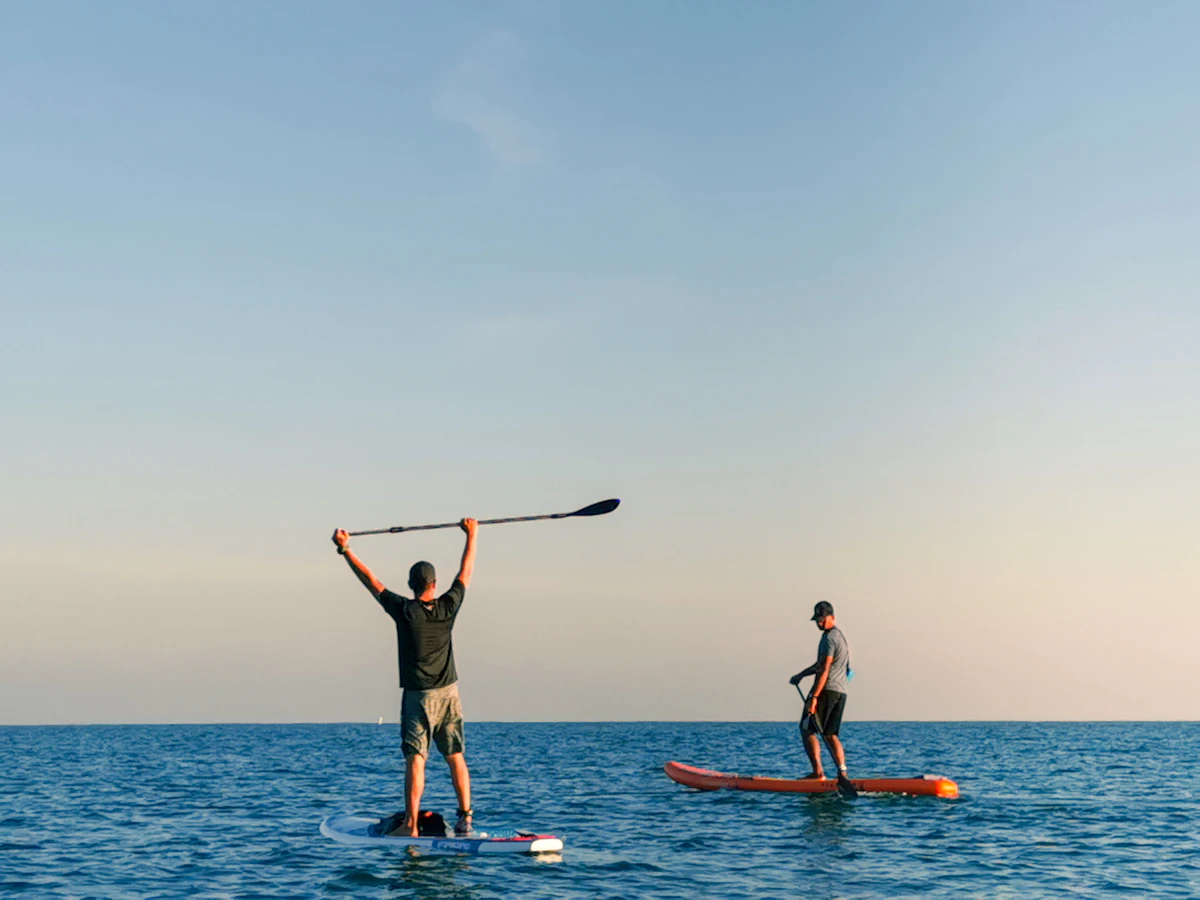
Equipping yourself with the right board, paddle, and safety gear prevents accidents and ensures a comfortable first session on the water.
1. The Right Beginner Board (Size, Width, Volume)
For beginners, board volume and width are the two most critical metrics. Volume (measured in liters) dictates how much weight the board can support before sinking too deep. As a rule of thumb, look for a board with a volume equal to your body weight in kilograms plus 100 to 140 liters of extra cushion. For example, a 180-lb (82 kg) rider needs a board with at least 180–220 liters of volume. A width of 31 to 34 inches provides the lateral stability needed to stand up in small ripples. Inflatable SUPs (iSUPs) are highly recommended for beginners because they are thick (typically 6 inches), puncture-resistant, easy to transport in a trunk, and softer to land on during falls than hard epoxy boards.
2. Paddle, PFD, Leash, and Essentials
Your paddle should be sized correctly to prevent shoulder strain. Adjust the shaft so the handle sits 6 to 10 inches above your head when standing. Under U.S. Coast Guard regulations, a paddleboard is classified as a vessel when outside swim and surf zones. This means you must carry a USCG-approved Type III PFD (life jacket) and a safety whistle. A leash is also vital: on flat water, use a coiled ankle leash to keep the board close if you fall, as it acts as your primary life raft. Safety warning: Never use a standard ankle leash in fast-moving rivers; entanglement can trap you underwater. Use a quick-release waist leash instead.
3. Clothing by Season and Water Temperature
Dress for the water temperature, not the air temperature. In summer, a swimsuit, rash guard, and wide-brimmed sun hat are sufficient. However, in winter and spring when water temperatures drop below 60°F (15.5°C), cold water shock can happen quickly. Wear a neoprene wetsuit or a paddling top to stay warm. Always carry a waterproof phone case on a lanyard to call for help in an emergency.
Learn the Basics in One Session
Mastering stand-up paddleboarding is a stepwise process of finding your balance on your knees before rising to your feet.
1. Launch and Stance
Begin by launching in knee-deep water to avoid dragging the center fin in the sand. Kneel on the board’s midpoint directly over the carrying handle. Paddle a few strokes on each side to feel the board’s stability. When you are ready to stand, place your hands on the board in front of you, tuck your toes, and place your feet one at a time where your knees were. Rise slowly, keeping your feet shoulder-width apart and parallel to the rails. Keep your knees slightly bent to absorb ripples, and look straight ahead at the horizon. Looking down at your feet disrupts your equilibrium and causes falls.
2. Three Core Strokes
To move efficiently, master these basic strokes:
- Forward Stroke: Reach forward, plant the blade fully in the water, and pull back to your ankles, keeping your arms straight and twisting from your core. Lift the paddle out at your feet—pulling it further back acts as a brake.
- Sweep Turn: Plant the paddle far forward near the nose of the board and sweep it out in a wide, semi-circular arc toward the tail. This turns the board away from the paddle side.
- J-Stroke: A slight outward flick of the blade at the end of your forward stroke to help maintain a straight course without switching sides constantly.
3. Controlled Fall and Reboarding
Falling is a natural part of learning. When you lose your balance, try to fall flat to the side into the water, rather than forward or backward onto the board, which can cause injury. Keep your grip on the paddle handle if possible. To climb back on, swim to the side of the board at the midpoint. Reach across to the opposite rail, kick your legs to get horizontal, and pull yourself back onto the deck. Slide onto your knees first to regain composure.
Reading Conditions: Wind, Tide, and Traffic
Weather and water flow have a major impact on stand-up paddleboarding. Operating safely requires assessing these forces before you launch.
1. Wind Management
Wind is the beginner paddler’s greatest challenge. Because your body stands upright on the board, you act as a sail. Winds over 10 knots make paddling difficult and exhausting. Always check the forecast and plan to paddle directly into the wind at the start of your session, so you can enjoy a relaxing downwind push on the way back.
2. Tide and Current
While bays and lakes lack ocean swells, tidal swings can create noticeable currents, especially near narrow channels and bridges. Under bridges, wind and currents often funnel, creating choppy, turbulent water. Time your sessions close to slack tide—the period of little to no water movement—for the easiest conditions.
3. Shared Water Etiquette
Always stay clear of designated swimming areas and stay outside high-speed boating channels. Yield right-of-way to larger, less maneuverable vessels. If a boat wake approaches, point the nose of your board directly into the wave and drop to your knees if you feel unstable. Always follow lifeguard instructions and respect local speed zones.
Mission Bay, San Diego: A Perfect Beginner Launch
Mission Bay in San Diego is one of the premier flatwater paddling destinations in California, featuring sandy beaches, protected coves, and designated speed zones.
1. Where to Put In
Bahia Point, Bonita Cove, and Santa Clara Point offer free public parking and sandy beach launches with excellent protection from open-ocean winds. Arrive early on summer weekends, as parking lots fill up quickly. Skipper Tip: Keep an eye out for eelgrass beds in the shallow flats near Bahia Point. Keep your center fin clear to avoid catching grass and losing steerage.
2. A 60-Minute Starter Loop
For your first session, launch from Bahia Point and hug the shoreline in a 1-mile loop inside the bay. This keeps you close to safety and away from high-speed boat traffic. The water is typically glassy in the early morning before the sea breeze builds, offering a peaceful, scenic paddle.
Costs and What to Buy (or Rent)
Starting out does not require a major financial commitment. Renting is a cost-effective way to try different boards before purchasing.
Rental vs. Purchase Blueprint
| Item | Typical Rental Rate (USD) | Purchase Price Range (USD) | Key Benefit |
|---|---|---|---|
| All-Around iSUP Kit | $20 – $30 per hour | $300 – $800 | Includes pump, paddle, bag |
| Epoxy Hardshell Board | N/A (Rarely rented) | $900 – $1,600 | Superior glide & tracking |
| USCG Type III PFD | Included with rental | $30 – $120 | Crucial safety vest |
| Adjustable Paddle | Included with rental | $60 – $200 | Fiberglass / Carbon shaft |
Safety Checklist and First-Session Playbook
Use this pre-launch safety checklist to verify your gear and conditions before pushing off the sand:
- Weather & Wind: Wind is under 10 knots; no thunderstorms forecast.
- Float Plan: Tell someone where you are going and when you expect to return.
- Safety Gear: USCG-approved PFD on board, whistle attached, ankle leash secure.
- iSUP Check: Board is inflated to 12–15 PSI; center fin is locked in place.
- Hydration & Sun: Water bottle secured under deck rigging; reef-safe sunscreen applied.
SUP Quick Facts
| Metric | Details & Averages |
|---|---|
| Best Time to Paddle | Sunrise to 10:00 AM (Calmest water) |
| Beginner Wind Limit | 10 knots (Beaufort Force 3) |
| Required Gear | Board, paddle, leash, PFD, safety whistle |
| Average Rental Cost | $20 to $30 per hour |
| First Session Length | 45 to 75 minutes |
Mini Glossary
Beam: A board’s width at its widest point. A wider beam offers more stability but more drag.
Rail: The side edges of the paddleboard. Standing near the rail allows you to carve turns.
Leeward: The side sheltered from the wind. Always plan your route to paddle into the wind first, keeping leeward protection in mind for the return.
WeBoating.com is a marketplace connecting travelers with independent, third-party operators. WeBoating does not operate, manage, or own any charters or experiences.
Frequently Asked Questions About Paddleboarding
Not at all. With flat water, light winds, and a wide, stable all-around board, most beginners can stand up and paddle comfortably within their first 15 to 30 minutes of practice.
As a beginner, look for an all-around board between 10’6″ and 11’6″ in length, 31 to 34 inches in width, and with a volume that matches your weight plus a 40–60 liter cushion of reserve buoyancy.
Yes. Under California law and USCG rules, a paddleboard is classified as a vessel when outside designated swim and surf zones. Adults must have a USCG-approved PFD on board, and children under 13 must wear one.
Inflatable paddleboards (iSUPs) are generally better for beginners due to their portability, high durability (they won’t ding on rocks), and soft deck pad which is more forgiving during falls. Hard boards offer slightly better glide.
Beginners should avoid paddling in winds exceeding 8 to 10 knots. Stand-up paddlers act as sails, and battling strong headwinds or offshore winds can quickly cause exhaustion.
Yes, but you must wear a properly fitted PFD (life jacket) and a safety leash at all times, and stick strictly to calm, shallow, designated swim areas under lifeguard supervision.
Swim to the center of the board. Place one hand on the center handle and the other on the opposite rail. Kick your legs to get horizontal in the water, pull yourself up, and slide onto the board at your chest, then slide onto your knees.
Early mornings from sunrise to 10:00 AM are the absolute best times. Winds are typically calm, and water is glassy before the afternoon onshore sea breeze fills in.
Bahia Point, Bonita Cove, and Santa Clara Point offer protected, shallow, sandy launch sites with minimal waves, making them perfect for beginners.
Adjust the paddle shaft so the handle sits about 6 to 10 inches above your head when standing. When holding the paddle, your wrist should rest comfortably on the handle.
You are legally required to carry a USCG-approved PFD and a safety whistle. A leash is highly recommended to keep you attached to your board, which acts as your primary flotation device.
You can browse water adventure bookings on WeBoating.com to locate local SUP rental shops, check pricing, and book guided paddleboard lessons in San Diego.
Stepping onto a paddleboard for the first time is the beginning of a lifetime of on-water discovery. By checking wind conditions, planning to return upwind, and starting on your knees to build balance, you set yourself up for a safe, successful first session. As you glide across glassy morning waters, you will find stand-up paddleboarding to be both a peaceful escape and an active gateway to exploring the coastline. We will see you on the water.
Disclaimer: Boating conditions, weather, and regulations change rapidly. Always cross-check with local authorities, official weather services, and paper charts before embarking.