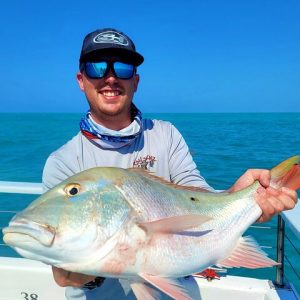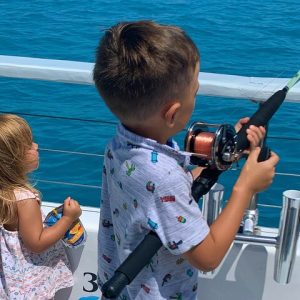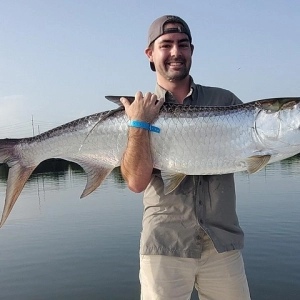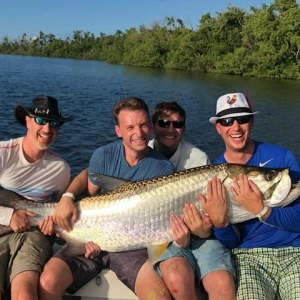
To master the most effective fishing techniques, start by matching your method to your environment—using light spinning tackle with natural baits or soft plastics in freshwater, stealthy sight-casting on saltwater flats, or trolling spreads and deep-dropping offshore. Spinning gear remains the best starting technique for beginners in lakes and inshore waters due to its ease of casting and versatility, while chartering a private vessel is highly recommended for deep-sea trolling or jigging. Successful angling requires adapting to conditions such as water temperature, clarity, depth, current, and bottom structure, and rigging your lines with knots that won’t slip under load. For regional boat charters and cruising guides, check out our adjacent Gulf Islands yacht charter guide for navigation strategies, or read our British Columbia yacht charter guide to plan your next coastal journey.
Key Takeaways
- Spinning vs. Baitcasting: Spinning gear is highly forgiving and ideal for light baits, while baitcasting reels offer superior casting accuracy and power for heavier lures in thick cover.
- Trolling vs. Jigging: Trolling covers vast distances to locate active fish in the water column, whereas jigging is a precise, vertical method targeting fish on reefs or deep structures.
- Barotrauma and Safety: Reeling deep-water fish up rapidly causes their swim bladders to expand; using a weighted descending device is critical for their survival upon release.
⚓ Fishing Experience Vitals
| Environment | Primary Techniques | Typical Target Species | Required Licenses | Typical Cost (DIY / Charter) |
|---|---|---|---|---|
| Freshwater | Spinning, bobbers, bottom rigs | Bass, trout, walleye, salmon | State Freshwater License | $150 / $300 |
| Saltwater Inshore | Flats sight-casting, popping corks | Bonefish, permit, tarpon, redfish | State Saltwater License | $250 / $600 |
| Deep-Sea / Offshore | Trolling spreads, jigging, dropping | Tuna, marlin, grouper, snapper | Federal Permits / Included | $600 / $1,800+ |
Freshwater Techniques (Lakes & Rivers)
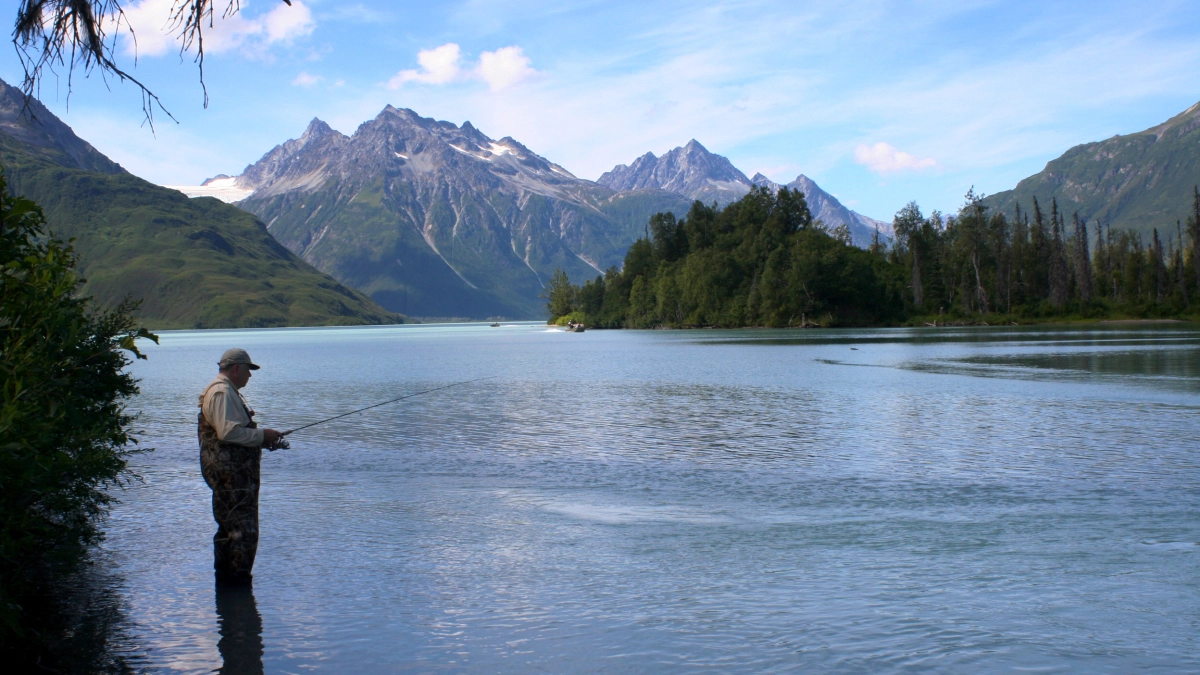
Freshwater environments range from shallow farm ponds to the vast depths of the Great Lakes. The key to freshwater success is understanding fish position relative to structure and temperature.
1. Spinning & Baitcasting Basics
Spinning gear is the workhorse of freshwater angling. Its open-spool design prevents the dreaded “backlash” (tangled line) common to baitcasters, making it ideal for casting light lures like inline spinners, soft plastic worms, and small crankbaits. Baitcasting reels, which feature a rotating spool, require thumb pressure to control the line speed. While harder to master, baitcasters offer the casting accuracy and winching power needed to pull large largemouth bass out of thick lily pads or submerged timber. Use a 10-lb monofilament line for general spinning, or switch to 30-lb braided line for baitcasting in heavy cover.
2. Lure Families & When to Use
Lures mimic the baitfish and insects that gamefish feed on. In clear water, use natural colors (browns, greens, silver) and faster retrieves. In turbid or stained water, use dark colors (black, blue) or bright chartreuse, and select lures with built-in rattles or wide-wobbling actions that help fish locate the bait through vibration. Topwater lures are highly exciting, producing surface splashes that mimic struggling prey, and are most effective during low-light hours at dawn and dusk.
3. Great Lakes Salmon Sidebar (GEO)
Paddling or motoring out off Chicago’s Belmont Harbor or Marathon’s marina zones requires different scales of gear. Trolling off the Great Lakes shorelines for Chinook (King) and Coho salmon requires downriggers and planer boards to present lures at specific depths. During summer, Lake Michigan develops a distinct thermocline—a rapid temperature boundary. Salmon concentrate in the 45°F to 55°F temperature band. Downriggers release heavy lead weights that carry your lines down to this thermal layer, releasing the line from a clip when a fish strikes.
Saltwater Inshore (Flats, Bays, and Surf)
Inshore saltwater fishing occurs in shallow bays, mangrove creeks, and sandy surf zones, where tides govern fish feeding patterns.
1. Flats Fishing (Florida Keys)
Sight-casting to fish in 12 inches of water is the ultimate test of stealth. Running a shallow-draft flats skiff or kayak along the oceanside flats of the Florida Keys requires spotting bonefish, permit, or tarpon before they spot you. Tides are critical: fish follow the rising tide onto the flats to feed on crabs and shrimp in the grass, then retreat to deeper channels on the falling tide. Poling your skiff quietly with a long graphite pole prevents motor noise from “spooking” fish. Cast your bait or fly several feet ahead of the cruising fish’s path, allowing the current to carry it naturally to them.
2. Inshore Lures & Baits
A classic popping cork rig is highly effective for redfish and sea trout. The rig consists of a foam float positioned 2 to 3 feet above a live shrimp or soft plastic jig. Jerking the rod tip causes the cork to pop, mimicking the sound of feeding fish and attracting predators. For snook, work soft plastic paddle tails slowly along mangrove root lines, using a 20 to 30-lb fluorocarbon leader to protect against their abrasive mouths and sharp gill plates.
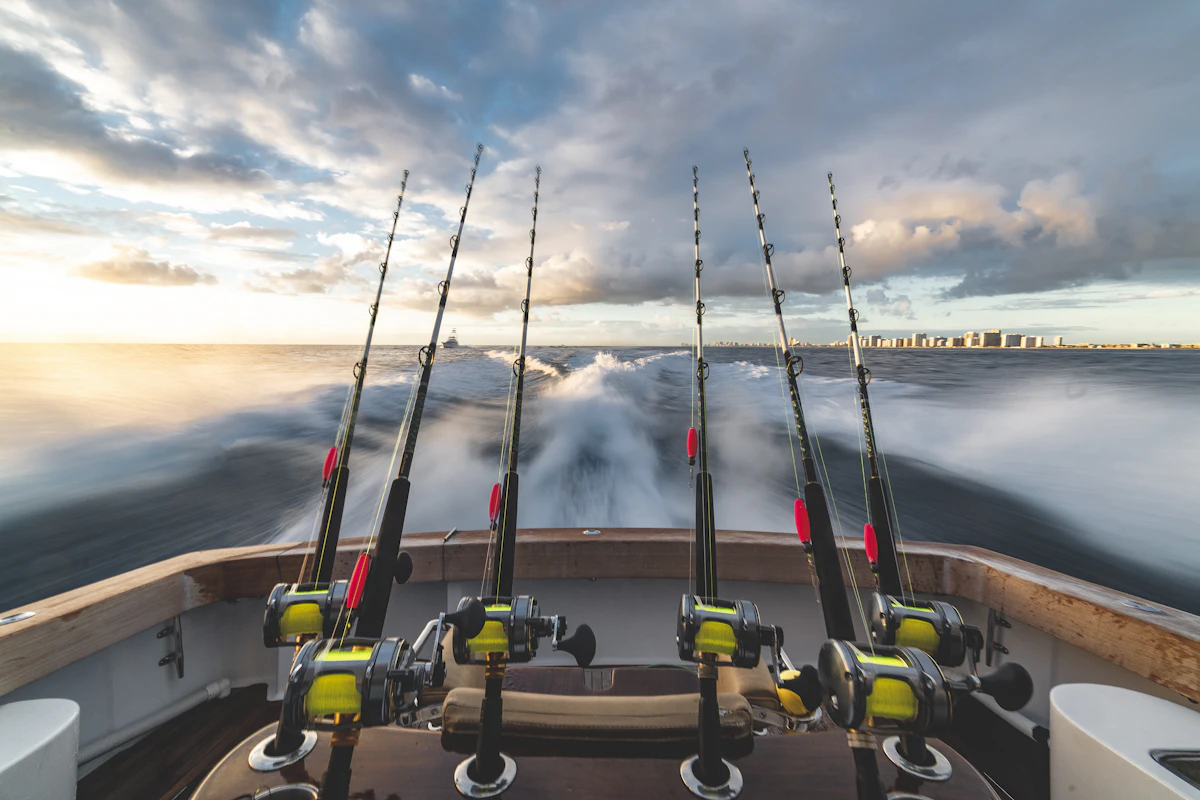
Deep-Sea/Offshore Methods
Deep-sea fishing occurs in blue water, targeting large pelagic species like tuna, marlin, wahoo, and dorado (mahi-mahi) along temperature breaks and ocean current edges.
1. Trolling Spreads
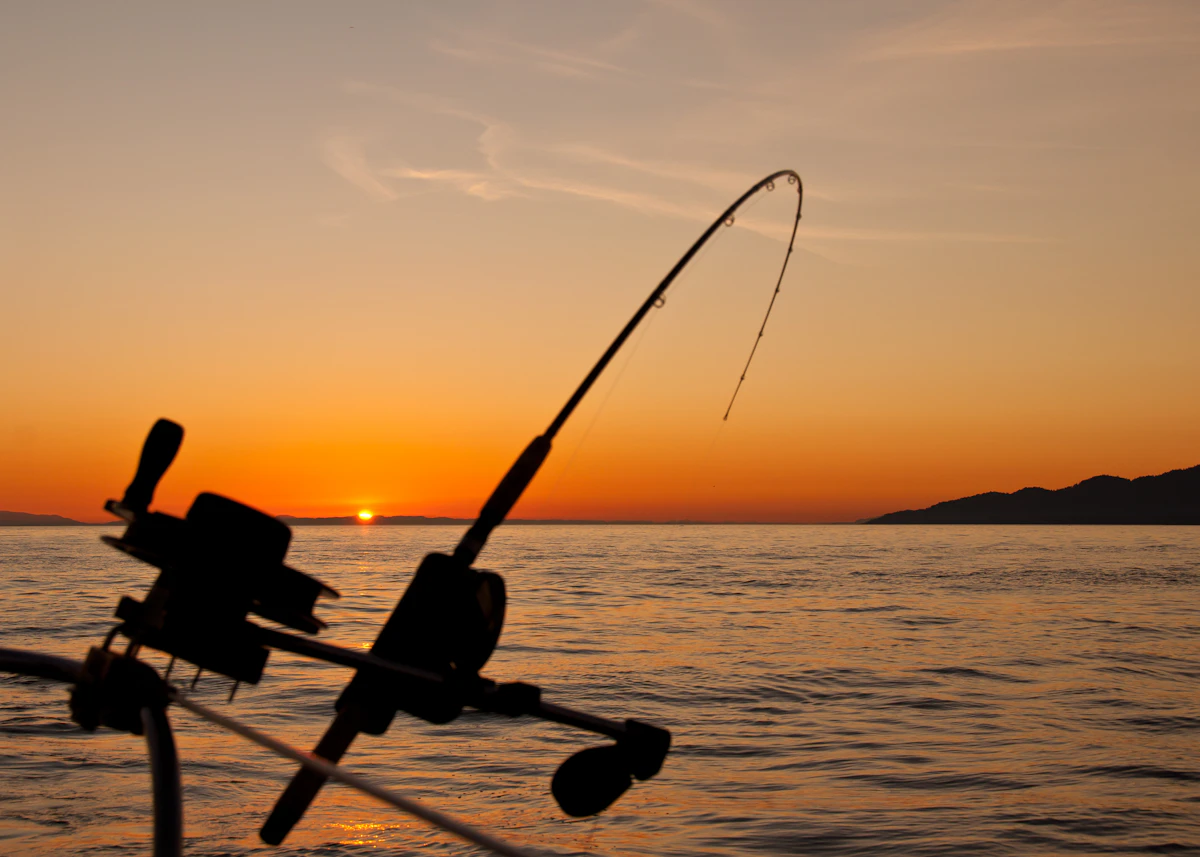
Trolling is the primary method for covering vast offshore waters. A typical trolling spread consists of 4 to 7 lines positioned at varying distances behind the boat. Outriggers are long poles swung out from the sides of the boat that spread the lines wider, preventing tangles. Lures like skirted plastics (mimicking squid) or rigged dead baits (like ballyhoo) are pulled at speeds between 6 and 9 knots. Drive the boat in gentle S-turns to vary the speed of the lures in the water, which often triggers strikes from trailing predators.
2. Jigging & Flylining (San Diego Focus)
Off the coast of Southern California, anglers departing from San Diego’s Shelter Island landings target massive bluefin tuna. During summer and fall, bluefin gather around kelp paddies—floating mats of kelp that act as natural reefs. Anglers use two primary methods: “flylining” a live sardine on a light hook with no weight, allowing it to swim naturally away from the boat, or dropping heavy knife jigs and slow-pitch metal jigs into deep sonar arches. When tuna feed at night during a new moon, heavy jigs dropped to 200 feet and retrieved rapidly are highly effective.
3. Bottom Fishing & Deep Dropping
Bottom fishing targets reef-dwelling species like grouper, snapper, and amberjack. Use a “chicken rig” (multiple hooks spaced above a heavy sinker) or a “dropper loop” rig. Drop the rig directly over rocky ledges, shipwrecks, or artificial reefs. Ethics Warning: Reeling fish from depths greater than 100 feet causes barotrauma—the rapid expansion of gases in the fish’s swim bladder. Always carry a venting needle or a weighted descending device to return non-retained fish safely to depth.
Rigs & Knots You’ll Actually Use
Your connections are only as strong as your knots. Master these three essential knots to ensure your lines hold:
- FG Knot: The strongest connection for joining braided main line to a fluorocarbon leader. It features a slim profile that glides smoothly through rod guides without catching.
- Palomar Knot: Incredibly strong and simple to tie, making it the best knot for connecting terminal tackle (hooks, swivels, jigs) to braided line.
- Loop Knot: Creates a small loop at the eye of the hook, allowing artificial lures and jigs to move with maximum freedom and action in the water.
Costs & Booking (DIY vs. Charter)
Offshore fishing requires heavy vessels, specialized safety gear, and local knowledge. Evaluating the costs of DIY vs hiring a charter helps you plan your budget:
Charter Cost Comparison
| Charter Type | Typical Price Range (USD) | Anglers Included | Bait & License Included? |
|---|---|---|---|
| Inshore Flats (Keys) | $500 – $900 (Half/Full Day) | 1 – 2 anglers | Yes (License covered under boat) |
| Open-Party (San Diego) | $150 – $350 per ticket | Individual seats | No (License & tackle extra) |
| Private Offshore Sportfisher | $1,800 – $3,500+ per day | Up to 6 anglers | Yes (Full service crew) |
Safety, Licensing, and Ethics
Responsible angling requires protecting the marine environment and obeying safety rules. In the U.S., each state manages recreational fishing licensing. Exceptions exist: if you fish from a licensed charter boat in Florida, you are covered under the captain’s license. However, in California, you must purchase a valid sport fishing license online from the CDFW before boarding. Always carry safety essentials onshore and offshore: a marine VHF radio tuned to Channel 16, a fully stocked medical kit, and a personal locator beacon (PLB) when traveling offshore.
Disclaimer: Boating conditions, weather, and regulations change rapidly. Always cross-check with local authorities, official weather services, and paper charts before embarking.
Fishing Quick Facts
| Metric | Details & Averages |
|---|---|
| Best Season (Florida Keys) | April to June (Tarpon migration & calm reef weather) |
| Best Season (Great Lakes) | June to September (Salmon thermocline setup) |
| Best Season (San Diego) | July to October (Bluefin & yellowfin tuna runs) |
| Required Safety Gear | PFD, VHF radio, first aid kit, dehooker, descending device |
| State Fishing Licenses | Varies by state ($17 – $65 range typical) |
Mini Glossary
Thermocline: The distinct temperature boundary layer in water, separating warm surface water from cold deep water. Gamefish concentrate near this line.
Leader: A short section of highly abrasion-resistant line (fluorocarbon or wire) tied between the main line and the hook to prevent fish teeth or rocks from cutting the line.
Drift: The speed and direction at which a boat moves across a fishing area driven by wind and current, allowing lures to cover bottom structure.
WeBoating.com is a marketplace connecting travelers with independent, third-party operators. WeBoating does not operate, manage, or own any charters or experiences.
Frequently Asked Questions About Fishing Techniques
Spinning is the best starter technique. Using a spinning rod and reel with live bait or basic lures like spoons and soft plastics is highly intuitive, easy to cast, and effective in lakes, ponds, and slow rivers.
Trolling involves pulling lures or baits behind a moving boat to cover water and target active fish. Jigging is a vertical technique where you drop a weighted lure (jig) to the bottom and retrieve it with active rod movements.
You need a medium-light 7-foot spinning rod, a 2500 to 3000-class reel, 10–15 lb braided main line, and a 20–30 lb fluorocarbon leader. Live shrimp or crabs are the most effective baits.
Live bait (like shrimp, minnows, or worms) is generally better for beginners because it has natural scent and movement, attracting fish even with poor technique. Artificial lures require active retrieval but allow you to cover more water.
Depending on sea surface temperatures and bait movements, you typically run 25 to 60 nautical miles offshore to locate bluefin and yellowfin tuna schools around kelp paddies and temperature breaks.
Use an 8 to 12 lb monofilament or fluorocarbon line in clear water, or a 15 to 30 lb braided line paired with a 10–15 lb fluorocarbon leader if fishing around heavy cover like weeds and timber.
Look at your fishfinder for a distinct horizontal boundary where temperature shifts rapidly. Great Lakes king salmon prefer a 45°F to 55°F band, and downriggers should be set to target this depth.
The FG knot is the gold standard for joining braided main line to a fluorocarbon leader. For tying line directly to hooks or lures, use the Palomar knot or the Uni knot, as they do not slip.
Open-party public charters range from $150 to $350 per person depending on trip duration (half-day vs full-day). Private charters range from $1,800 to $3,500+ per day for the entire vessel.
In Florida, guests are covered under the charter boat’s vessel license. In California and the Great Lakes, each angler must purchase their own individual state fishing license prior to departure.
Barotrauma is physical damage caused to deep-dwelling fish when reeled up rapidly, swelling their swim bladder. Use a venting needle or a weighted descending device to return the fish to depth for safe release.
You can browse fishing charters on WeBoating.com to compare private sportfishers, check seasonal availability, and book experienced captains in Florida, California, and the Great Lakes.
Choosing the right fishing technique and adapting your tactics to the water’s depth, temperature, and current is the difference between a frustrating day on deck and a screaming reel. Take the time to master your knot connections, select gear that fits your environment, and practice safe, ethical releases to keep fish populations healthy. As you watch your line slice through clear waters or track salmon along deep offshore breaks, you will find that every on-water adjustment makes you a more skilled and successful angler. We will see you on the water.
Book Fishing Charters
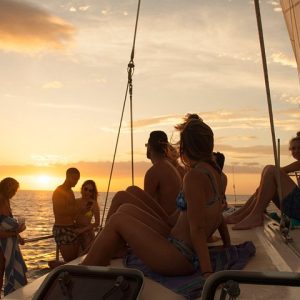
Marlin del Rey Catamaran – Tamarindo & Playas del Coco
Sold by Marlin del Rey Catamaran Sailing Tours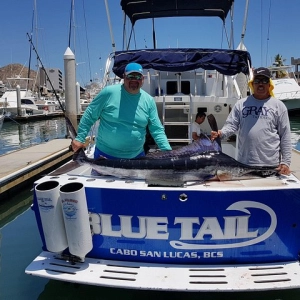
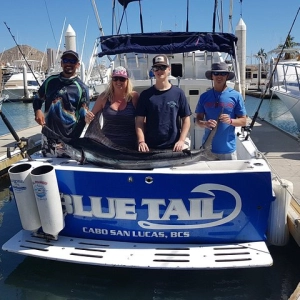
Private Fishing Trip “All Inclusive” in Cabo San Lucas, Mexico
Sold by Cabo Sportfishing Crew