

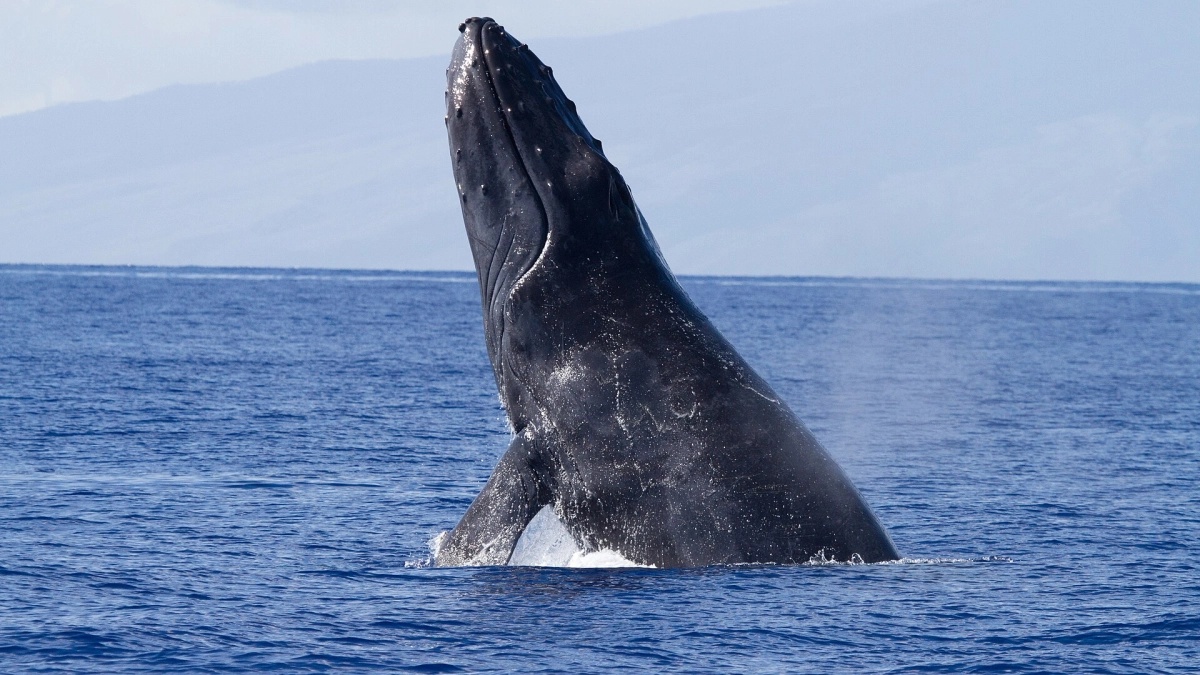
Marine wildlife watching offers one of the most awe-inspiring experiences on the water, allowing boaters, sailors, and paddlers to witness the majestic life of the oceans and freshwater lakes first-hand. From humpback whales breaching in Monterey Bay to pods of resident orcas cruising the kelp lines of the San Juan Islands, the waters of the United States are teeming with marine mammals, seabirds, and unique reptiles. However, sharing the water with these animals is a privilege that comes with significant responsibility. A successful wildlife encounter requires more than just pointing your bow at a blowhole; it demands deep nautical expertise, respect for legal standoff distances, proper boat handling in wind and currents, and compliance with federal conservation laws. Whether you are navigating a small cruising sailboat, paddling a stable kayak, or operating a rented powerboat, this skipper-led guide will help you spot marine life responsibly and safely. If you are planning a trip to northern waters, read our detailed British Columbia yacht charter guide for navigation tips, or view our adjacent Gulf Islands yacht charter guide for a scenic regional comparison.
Key Takeaways
- The 4-R Rule: Always practice ethical viewing by reducing speed, respecting legal standoff distances, repositioning parallel to animals, and retreating if their behavior changes.
- Distance Rules: Under the Marine Mammal Protection Act (MMPA), it is illegal to harass marine mammals. NOAA guidelines call for at least 100 yards from whales and 50 yards from dolphins, porpoises and seals; some rules are stricter, such as 500 yards for North Atlantic right whales and 1,000 yards for Southern Resident killer whales in Washington.
- Skipper Boat Handling: Never approach animals head-on or cut off their path. Run your engine in neutral or idle, stay down-swell to prevent drifting into them, and avoid boxing animals in against a shoreline.
⚓ Marine Wildlife Watching Vitals
| Best Seasons | Typical Costs | Difficulty Level | Key Regulations | Essential Gear |
|---|---|---|---|---|
| Summer (Whales CA/AK/NE); Winter (Manatees FL) | DIY fuel/moorage $50–$150/day; Guided tours $70–$120 pp | Easy to Moderate (weather dependent) | NOAA Marine Life Viewing Guidelines; MMPA limits | PFDs, 7×50 Marine Binoculars, Long‑lens Camera, VHF Radio |
What Animals You Can See from the Water
Understanding what animals to look for and recognizing their natural behaviors is the first step to successful wildlife watching. Different species have distinct surface patterns, wind tolerances, and seasonal migrations.
1. Marine Mammals: Whales, Dolphins, & Otters
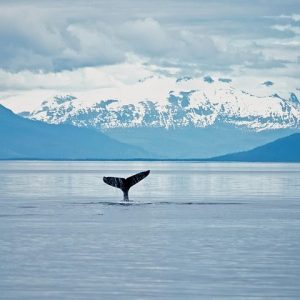
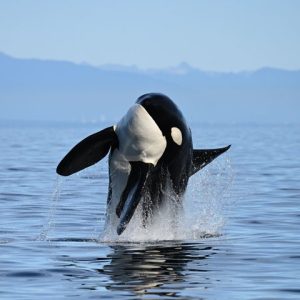
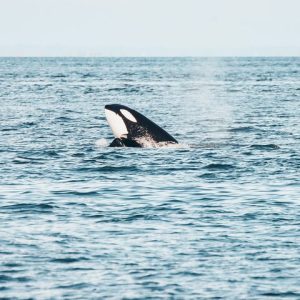
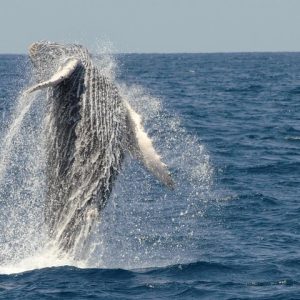
Whales: Humpback whales are famous for their dramatic surface behaviors, including breaching (jumping out of the water), tail-slapping, and cooperative “bubble-net feeding.” Gray whales are typically spotted closer to shore during their spring and fall migrations. Killer whales (orcas) travel in tight family pods, often recognizable by their tall, black dorsal fins slicing through the water. Minkes and fin whales are sleeker and faster, leaving small blows that are easily lost in a moderate sea chop.
Dolphins & Porpoises: Pods of coastal bottlenose dolphins, Pacific white-sided dolphins, and Dall’s porpoises are highly active. While dolphins frequently bow-ride (riding the pressure wave generated by a boat’s hull), it is illegal to deliberately steer toward them to force this behavior. Keep a steady course and speed, and let them approach you naturally if they choose.
Seals, Sea Lions, & Otters: Harbor seals and California sea lions are commonly seen on rocky haul-outs, docks, and channel markers. Avoid getting close enough to cause them to slide into the water, as this wastes their energy. Sea otters gather in “rafts” in kelp forests along the California and Pacific Northwest coast, wrapping themselves in kelp to sleep. Always idle slowly near kelp lines to avoid disturbing them.
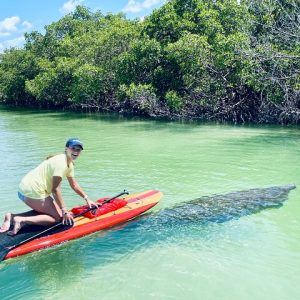
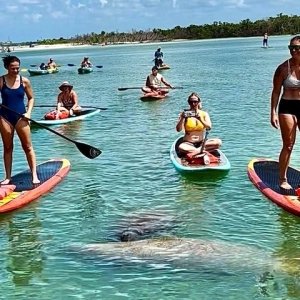
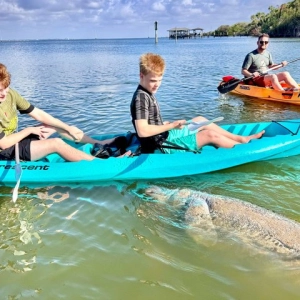
Manatees: In Florida, these gentle “sea cows” congregate in warm freshwater springs and slow-moving rivers during the winter (November to March). They swim slowly near the surface, making them highly vulnerable to propeller strikes. Harvesters must obey all “Idle Speed” and “Slow Speed” manatee zones strictly.
2. Seabirds, Fish, Reptiles, & Freshwater Fauna
Seabirds: Kayaking and boating near cliffs and islands reveal incredible nesting colonies of tufted puffins (in Maine and Alaska), ospreys, bald eagles, brown pelicans, and dive-bombing terns. Avoid landing on protected nesting islands and maintain a quiet, low-profile presence.
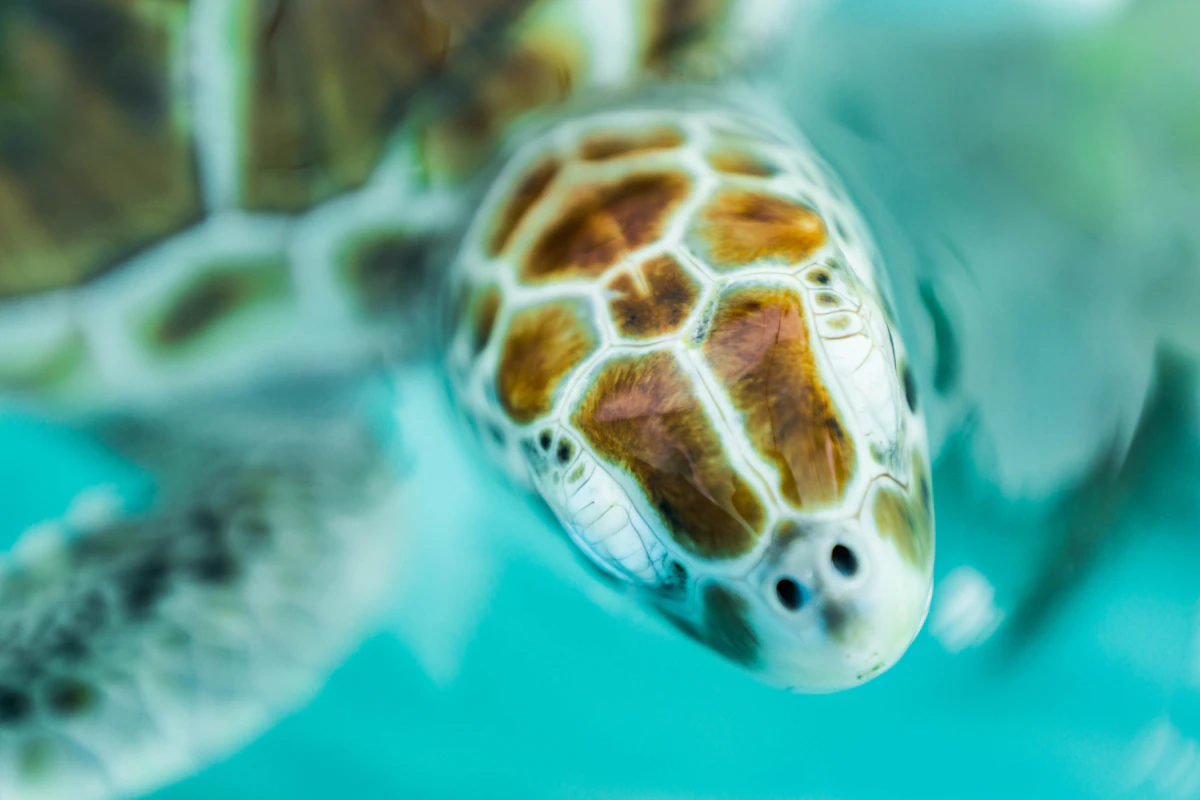
Fish & Reptiles: In clear coastal waters, you can spot green sea turtles surfacing for air, giant manta rays gliding near the surface, and basking sharks in New England. Watch for “bait balls”—dense schools of small fish boiling at the surface. These attract humpback whales lunge-feeding from below and hundreds of dive-bombing shearwaters from above.
Freshwater Stars: In inland lakes and rivers (such as the Great Lakes or the Everglades), boaters can spot common loons, nesting bald eagles, North American river otters, busy beavers, and alligators sunning themselves along mangrove shorelines.
Top U.S. Wildlife Watching Hotspots and Seasons
To plan your adventure, you need to match the target species with the right location, season, and local staging infrastructure:
1. Pacific Northwest: Puget Sound & San Juan Islands, WA
This is the premier region for watching orcas (both fish-eating Residents and mammal-eating Transients), harbor seals, Dall’s porpoises, and bald eagles. The best season is May through October. Launch from Friday Harbor Marina on San Juan Island or Anacortes Cap Sante Marina. Be aware of the strong tidal rips at Cattle Pass and Salmon Bank; the fast-moving water concentrates bait and attracts whales, but can create steep standing waves in a southerly wind. Since January 1, 2025, Washington law requires boaters to stay at least 1,000 yards from Southern Resident killer whales, and federal law requires 200 yards from other killer whales; treat any unidentified orca as a Southern Resident.
2. California: Monterey Bay & Channel Islands
Monterey Bay is a deep submarine canyon that creates massive nutrient upwellings, attracting humpback whales, blue whales, harbor seals, and sea otters. The best whale-watching window is June through October for humpbacks, and December through May for migrating gray whales. Moss Landing Harbor and Monterey Harbor provide excellent launches. Be prepared for strong afternoon NW winds that create a steep wind chop, and thick morning fog that requires radar and sound signals.
3. Alaska: Resurrection Bay & Kenai Fjords, Seward
Resurrection Bay is home to stellar sea lions, sea otters, harbor seals, Dall’s porpoises, tufted puffins, and feeding humpback whales. The optimal window is June through September. Seward Small Boat Harbor is the primary staging base. Plan your trips for early morning to enjoy glassy, calm conditions; cold katabatic winds blowing off the glaciers frequently stack up a heavy chop in the afternoon, and the glacier-flour silt in the water can reduce underwater visibility.
4. New England: Stellwagen Bank & Gulf of Maine, MA/ME
Stellwagen Bank National Marine Sanctuary is a shallow sand plateau surrounded by deep water, creating a critical feeding ground for humpbacks, fin whales, minke whales, and Atlantic white-sided dolphins. The best season is May through October, with Atlantic puffins nesting on Maine’s outer islands from May to August. Access the bank from Gloucester Harbor, Plymouth, or Boston. Expect frequent fog, strong tides, and heavy commercial vessel traffic.
5. Florida: Keys, Everglades, & Winter Springs
Florida’s warm waters host bottlenose dolphins, ospreys, green sea turtles, and West Indian manatees. The optimal manatee-watching window is November through March when they gather in warm spring runs. Launch from Key West Historic Seaport or Everglades Flamingo Marina. Obey all no-wake zones and watch out for sudden afternoon thunderstorms in the summer. Florida law strictly prohibits touching, feeding, or harassing manatees.
6. Great Lakes: Apostle Islands, WI & Mackinac Island, MI
Inland boaters can enjoy watching nesting bald eagles, loons, beavers, and river otters. The best seasons are spring and fall to capture bird migration routes. Launch from Bayfield City Marina (WI) or Mackinac Island State Harbor (MI). The Great Lakes can experience rapid weather changes, and the water remains cold enough to cause cold shock well into July; dress for immersion when paddling.
Responsible Viewing: Etiquette and Boat Handling
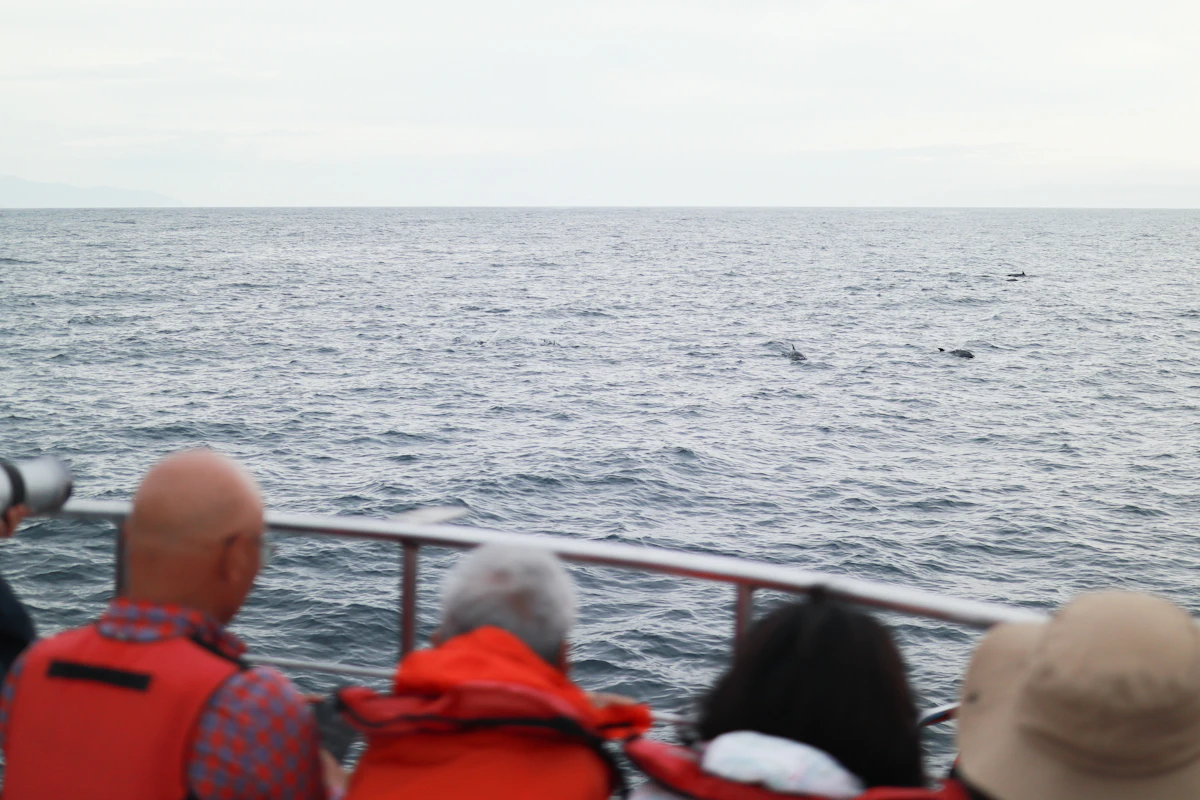
Harassing marine mammals is a federal offense under the Marine Mammal Protection Act (MMPA), carrying steep fines. True seamanship means positioning your vessel so that the animals are not disturbed. Follow the 4-R Rule and these boat handling guidelines:
- The 4-R Rule:
- Reduce: Slow down to idle speed (under 7 knots) when you are within 0.5 miles of any whale or visible marine mammal.
- Respect: Keep the recommended distance (100 yards for whales, 50 yards for dolphins and seals), give manatees space, and stay out of their path.
- Reposition: Steer a parallel course matching the speed of the animals. Never cross ahead of them, approach head-on, or corner them against the shore.
- Retreat: If the animals show signs of stress (rapid dive changes, tail-slapping, changes in blow pattern), put your engine in neutral, wait, and slowly back away.
- Vessel Positioning Tactics: Keep your vessel on the windward side of the animals so that you do not drift toward them if your engine is in neutral. If you are in a narrow channel, stay to one side to give them a clear escape route. If multiple vessels are present, do not encircle or “box in” the animals. Limit your viewing time to 30 minutes.
- Paddler Etiquette: Kayaks and stand-up paddleboards are silent and can easily startle resting marine mammals. Spacing is critical. Keep your paddles quiet, avoid paddling directly into rafts of otters or seals, and if sea lions approach your kayak, remain still and let them pass. Always wear a PFD and dress for immersion in cold waters.
- Photography & Drones: Use a telephoto lens (min. 300 mm) to capture details without needing to get closer. Turn off your camera’s flash, and keep drones well away from marine mammals; NOAA advises against flying over or near them, and a drone close enough to disturb an animal can violate the MMPA (in Hawaii, drones must stay at least 100 yards from humpback whales).
Viewing Distances by Species and Region
Viewing distances vary by species and regional authority; some are legal minimums and others are official guidelines. Review this summary before heading out:
| Species & Region | Minimum Distance | Official Authority & Source |
|---|---|---|
| Humpback Whales (US Coast) | 100 yards (90 meters) | NOAA Marine Life Viewing Guidelines |
| Southern Resident Orcas (WA State) | 1,000 yards (900 meters) | Washington Department of Fish and Wildlife (WDFW) |
| North Atlantic Right Whales (Atlantic Coast) | 500 yards (450 meters) | NOAA Fisheries (Strictly enforced protection) |
| Dolphins & Porpoises (All Waters) | 50 yards (45 meters) | NOAA Marine Life Viewing Guidelines |
| Manatees & Sea Turtles (Florida) | Observe passively; never touch, feed or chase | Florida Fish and Wildlife Conservation Commission (FWC) |
| Nesting Seabirds (Cliffs & Islands) | 100 yards (90 meters) | Recommended by US Fish and Wildlife Service / Audubon |
Staging Marinas and Indicative Transient Fees
For private boat owners planning a multi-day wildlife cruise, securing transient moorage is a key logistical step. Here are representative marinas with indicative fees:
| Marina Name & Region | Indicative Transient Fee (USD) | Indicative Transient Fee (EUR) | Official Website Link |
|---|---|---|---|
| Friday Harbor Marina (San Juan Islands, WA) | $1.10–$2.25 per foot / night | €1.00–€2.05 per foot / night | portfridayharbor.org |
| Moss Landing Harbor (Monterey Bay, CA) | $1.00–$1.75 per foot / night | €0.90–€1.60 per foot / night | mosslandingharbor.dst.ca.us |
| Monterey Marina (Monterey, CA) | $1.25–$2.00 per foot / night | €1.15–€1.85 per foot / night | monterey.org |
| Garrison Bight Marina (Key West, FL) | $3.00–$6.00 per foot / night | €2.75–€5.50 per foot / night | cityofkeywest-fl.gov |
| Seward Small Boat Harbor (Kenai Fjords, AK) | $1.00–$1.50 per foot / night | €0.90–€1.40 per foot / night | cityofseward.us |
| Bar Harbor Municipal Docks (Gulf of Maine, ME) | Moorings $30–$50 per night | Moorings €27–€46 per night | barharbormaine.gov |
Guided Tours vs. DIY Boating: Costs at a Glance
Deciding between renting a boat, paddling a kayak, or booking a guided tour depends on your budget, crew size, and boating experience:
| Option Type | Average Cost (USD) | Average Cost (EUR) | What is Included / Excluded |
|---|---|---|---|
| Guided Whale Watch Boat | $70–$120 per person | €65–€110 per person | Includes naturalist guide, heavy vessel safety, heated salon. Excludes private route control. |
| Guided Kayak Tour | $80–$150 per person | €75–€140 per person | Includes kayak gear, safety briefing, local guide. Excludes mechanical mobility. |
| Single Kayak Rental | $40–$80 half-day | €37–€74 half-day | Includes kayak, paddle, PFD, dry bag. Excludes guide and route briefing. |
| Private / Rented Powerboat | $50–$150/day (DIY fuel/dock) | €46–€140/day (DIY fuel/dock) | Includes private route planning, long standoff capability. Excludes fuel cost, boating license. |
On-Water Wildlife Watching Checklist
Pack the following essentials to ensure a safe, comfortable, and warm trip on the water:
- Safety Gear: USCG-approved PFDs (wear them on deck), hand-held VHF radio (Channel 16), paper and digital charts, sounding device (whistle/horn), and a personal locator beacon (PLB) or EPIRB if going offshore.
- Optics & Camera: 7×50 marine binoculars (rubber-coated and waterproof), camera with a telephoto zoom lens (min. 300 mm), lens cloth, and a polarized filter to cut surface water glare.
- Apparel: Windproof and waterproof outer shell, fleece mid-layers, neoprene booties or deck boots, sunglasses (polarized), and wide-brimmed hat. Pack a dry bag to keep spare dry clothes safe.
- Documents & Apps: Boater education card, park permits (where required), NOAA Tides & Currents app, offline nav charts (Navionics/iNavX), and a copy of the regional marine life viewing guidelines.
Glossary: Speak Like a Wildlife Skipper
Lee Shore: The shoreline downwind of your vessel. Approaches to marine mammals must never be made if the wind is blowing you toward a lee shore where they are hauled out, as you risk grounding or colliding with them.
Rip Line: A visible line on the water’s surface where opposing currents meet. Plankton, kelp, and small baitfish collect along rip lines, creating major feeding hubs that attract marine mammals and seabirds.
Swell Period: The time (in seconds) between wave crests. A longer swell period indicates deeper, more powerful waves, requiring careful navigation near shallow reefs where sea lions or sea otters play.
WeBoating.com is a marketplace connecting travelers with independent, third-party operators. WeBoating does not operate, manage, or own any charters or experiences.
Frequently Asked Questions About Marine Wildlife Watching
Maintain at least 100 yards from whales, 50 yards from dolphins, and 500 yards from protected North Atlantic Right Whales. Always check local regional rules, such as the 1,000-yard buffer for Southern Resident killer whales in Washington state.
The peak season to see feeding humpback whales in Monterey Bay is from June through October, when upwelling currents carry huge amounts of krill and anchovies into the bay.
While some rental operators allow dogs on kayaks, dogs can easily bark and startle resting harbor seals or sea otters, which constitutes wildlife harassment. It is best to leave pets on shore during wildlife trips.
NOAA advises keeping drones well away from marine mammals, and flying close enough to disturb them can violate the Marine Mammal Protection Act (MMPA). In Hawaii, drones must stay at least 100 yards from humpback whales. The safest choice is to keep your drone landed when whales or dolphins are nearby.
The industry standard for boating is 7×50. The 7x magnification is low enough to keep the image stable on a moving boat, and the 50 mm objective lens lets in plenty of light during dawn and dusk.
You can browse yacht charters on WeBoating.com to compare sailing vessels, powerboats, and catamarans, and hire a captain who knows local waters and wildlife guidelines.
Disclaimer: Boating conditions, weather, and regulations change rapidly. Always cross-check with local authorities, official weather services, and paper charts before embarking.
Book Whale Watching
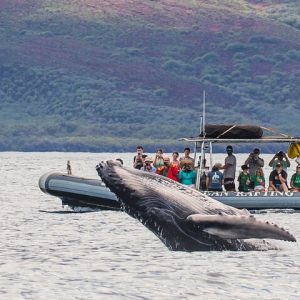
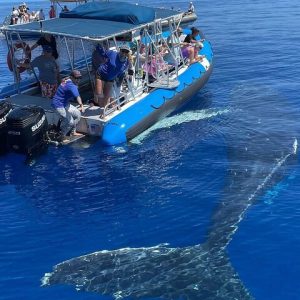
Maui Eco-Raft Tour: Eye-Level Whale or Dolphin Watching – Lahaina
Sold by Hawaii Ocean Rafting
Book Dolphin Tours
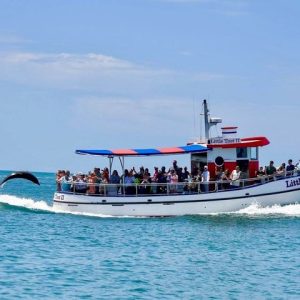
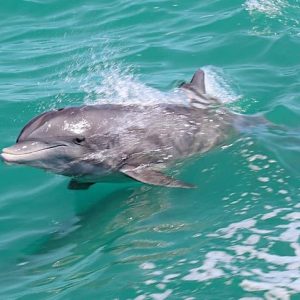
Little Toot Dolphin Adventure at Clearwater Beach
Sold by Little Toot Dolphin Adventures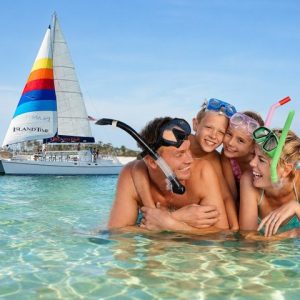
Shell Island Snorkel and Dolphin Catamaran Cruise with Island Time
Sold by Island Time Sailing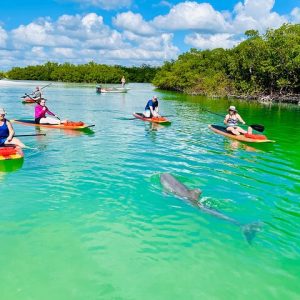



[…] Rules are strict and enforced by operators: no more than two swimmers plus a guide in the water with a shark at a time, keep a distance of about 2 meters (6 feet), no touching and no flash photography. For more on watching wildlife responsibly from a boat, read our skipper’s guide to marine wildlife watching. […]