Antigua Yacht Charter Guide: English Harbour & Barbuda Sailing Itinerary & Skipper Tips

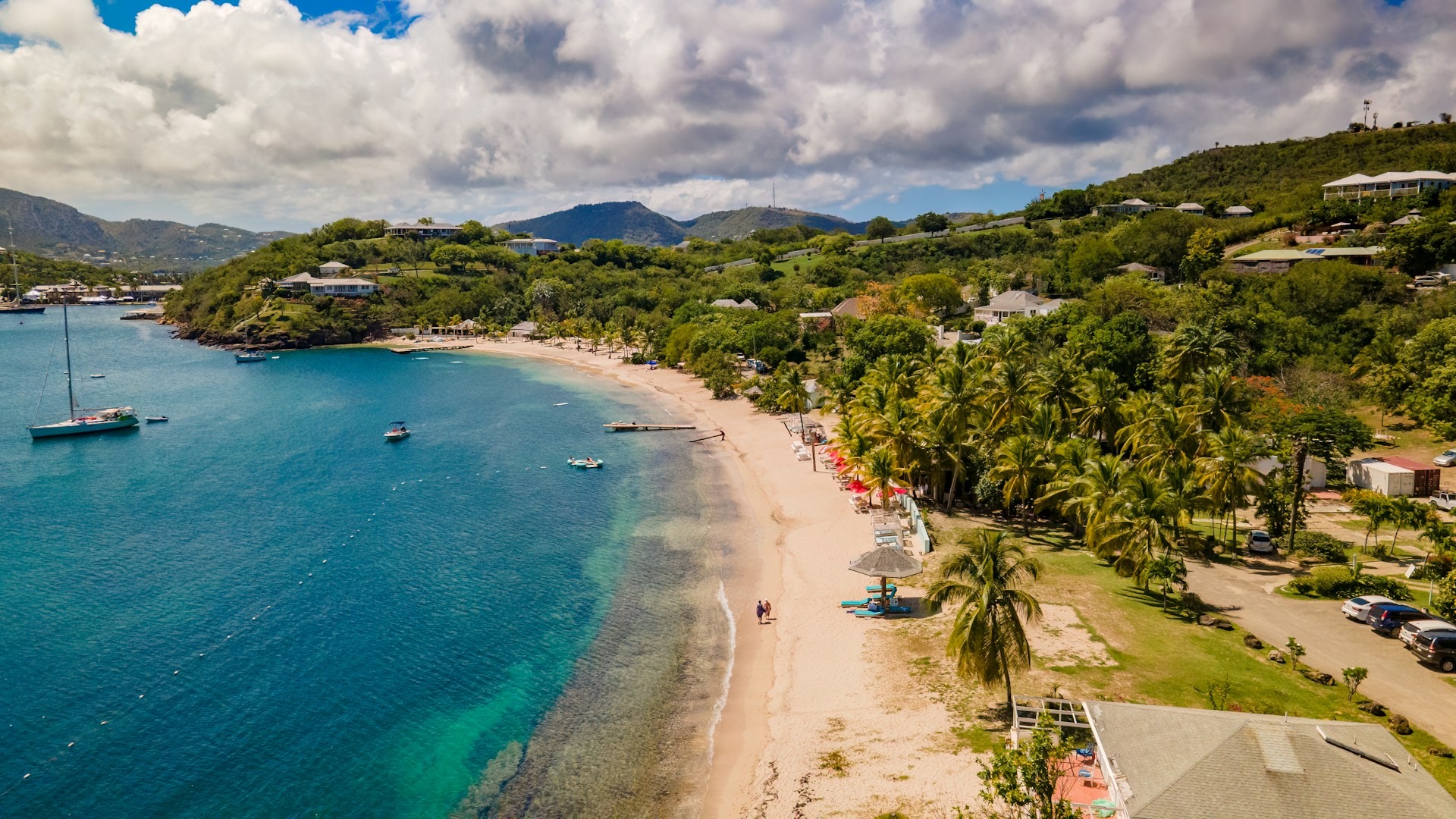
An Antigua yacht charter offers one of the most celebrated and historic sailing experiences in the Caribbean, boasting 365 white-sand beaches, consistent trade winds, and deep-water passages that have drawn mariners for centuries. The best time to sail Antigua and Barbuda is from December through May when the easterly trade winds blow steadily at 15 to 25 knots and the weather remains dry and tropical, while a weekly bareboat catamaran or monohull charter typically ranges from $5,000 to $12,000, and no formal sailing license is required if you submit a verified boating resume detailing offshore coastal passage experience. Skippers must be prepared for sporty Atlantic swells when navigating the windward coast and visually pilot the unmarked reefs of Barbuda under high sunlight. If you are planning an extended cruise through the Leeward Islands, explore our adjacent St. Martin yacht charter guide or our classic BVI yacht charter guide to map your ultimate Caribbean voyage.
Key Takeaways
- Historic Yachting Hub: Nelson’s Dockyard in English Harbour is a UNESCO World Heritage site and the beating heart of global classic yachting.
- Sporty Blue-Water transits: The 28-nautical-mile open channel between Antigua and Barbuda provides exhilarating, deep-water passage making.
- Visual Reef Piloting: Barbuda is surrounded by low-lying, uncharted coral heads, requiring skippers to navigate strictly during mid-day high sun.
⚓ Quick Facts & Experience Vitals
| Best Time to Go | Avg. Weekly Cost | Difficulty Level | Key Winds / Currents | License Required? | Primary Embarkation Port |
|---|---|---|---|---|---|
| December–May (Dry winter season) | $5,000–$12,000 (bareboat) + $1,800–$2,800 (skipper) | Intermediate to Advanced (Open-ocean swells & reefs) | Easterly trade winds (15-25 kts); currents 0.5-1.5 kts westerly | No (Sailing resume showing offshore experience required) | Jolly Harbour / English Harbour |
The Lay of the Land (Introduction)
Cruising the waters of Antigua and Barbuda is a sensory journey that contrasts the historic stone bastions of English Harbour with the untouched, low-lying pink sands of Barbuda. As you sail along Antigua’s coast, the smell of salt spray carries notes of wild frangipani from the high, green hills. Under the hull, the water transitions rapidly from deep ocean indigo to brilliant aquamarine as you cross the barrier reefs. The sound of trade winds humming through the rigging is a constant companion. On shore, Nelson’s Dockyard preserves the atmosphere of the 18th-century British Royal Navy, where historic capstans and sail lofts have been repurposed into boutique shops and restaurants. Across the channel, Barbuda stands in stark contrast—a quiet flat outpost of sand where frigate birds soar over isolated lagoons and the only footprints on the pink-hued beaches will be your own.
Sailing Zones & Cruising Sectors
The Antigua and Barbuda cruising grounds are divided into four distinct geographic sectors, each demanding different seamanship skills and offering unique shoreside vibes:
1. The Leeward Coast (West Antigua)
Protected from the Atlantic swells by the mainland, the western coast is the most sheltered cruising zone in the country. It runs from Five Islands Harbour in the north down to Cades Bay in the south. The waters here are relatively calm with light chop, making it perfect for relaxed sailing, snorkeling, and anchoring. This zone features Jolly Harbour, the main provisioning base and a highly protected marina basin.
2. The South Coast (English Harbour & Falmouth)
The southern coast is the historical and yachting center of Antigua. Surrounded by dramatic volcanic cliffs like Shirley Heights, the deep natural harbors of Falmouth and English Harbour provide excellent shelter. However, the approaches are exposed to open-ocean trade winds and swells, requiring active watchstanding and careful navigation through narrow reef-fringed entrances.
3. The Windward Coast & Nonsuch Bay (East Antigua)
Exposed directly to the Atlantic, the eastern coast offers sporty sailing conditions. However, Nonsuch Bay and Green Island are protected by extensive outer barrier reefs, creating calm lagoons with crystal-clear water. Navigating into these anchorages requires careful reading of the water colors to avoid coral heads, but rewards you with isolated, reef-protected staging spots.
4. The Barbuda Outpost (North)
Located 28 nautical miles north of Antigua, Barbuda is a low-lying coral island. The entire island is an open roadstead surrounded by dangerous, shifting reefs. Navigating to Barbuda requires a sporty, open-ocean channel transit, and skippers must anchor in sand zones at Low Bay or Cocoa Point, relying entirely on visual pilotage and maintaining a reliable anchor watch.
Sailing Itineraries
Itinerary 1: The Antigua & Barbuda Offshore Adventure (Jolly Harbour Departure, 7 Days)
This itinerary is designed for intermediate and advanced crews who want to experience the thrill of open-ocean channel transits and explore the untouched pink sands of Barbuda.
Day 1: Jolly Harbour to Deep Bay
Sailing Distance: ~8 nautical milesRouting Details: Depart Jolly Harbour marina basin, head north along the sheltered leeward coast; watch for the shallow shoals off Pelican Island.
Anchoring & Staging: Drop anchor in 15 feet of sand in the northern half of Deep Bay; excellent holding.
Marine Highlights: Snorkel the wreck of the Andes, hike up to Fort Barrington for sunset views.
Day 2: Deep Bay to Barbuda (Low Bay)
Sailing Distance: ~32 nautical milesRouting Details: Depart early for a sporty beam reach north across the Antigua Channel; ensure you arrive at Barbuda before 3:00 PM to see the reefs.
Anchoring & Staging: Anchor in 12-15 feet of white sand in Low Bay; the holding is excellent, but expect a light roll.
Marine Highlights: Explore the 17-mile pink-sand beach, hire a local guide to see the Frigate Bird Sanctuary.
Day 3: Low Bay to Cocoa Point (Barbuda)
Sailing Distance: ~10 nautical milesRouting Details: Cruise south along the western coast of Barbuda, keeping at least 1.5 miles off the coast; round Palaster Reef carefully.
Anchoring & Staging: Anchor in 10-12 feet of turquoise water off Cocoa Point; superb holding and protection.
Marine Highlights: Snorkel with green sea turtles along the seagrass beds, walk the wild beaches.
Day 4: Cocoa Point (Barbuda) to Nonsuch Bay
Sailing Distance: ~34 nautical milesRouting Details: Sail south-southeast back to Antigua. Sporty, close-hauled sail against the trade winds; head for Spithead Channel.
Anchoring & Staging: Anchor in 15 feet of sand in the lee of Green Island; flat-water holding.
Marine Highlights: Snorkel the barrier reef, paddleboard in the calm lagoon waters.
Day 5: Green Island to English Harbour
Sailing Distance: ~12 nautical milesRouting Details: Sail southwest along the windward coast; navigate around the coral reefs of Willoughby Bay.
Anchoring & Staging: Take a secure stern-to berth at Nelson’s Dockyard Marina, or anchor in Freeman’s Bay.
Marine Highlights: Explore the restored stone docks, experience the famous Sunday Shirley Heights jump-up party.
Day 6: English Harbour to Carlisle Bay
Sailing Distance: ~8 nautical milesRouting Details: Depart English Harbour, sail west along the southern coast; watch for fishing traps.
Anchoring & Staging: Anchor in 18 feet of sand and weed in Carlisle Bay; good holding.
Marine Highlights: Relax on the beach, snorkel the shallow reef at the eastern end of the bay.
Day 7: Carlisle Bay back to Jolly Harbour
Sailing Distance: ~10 nautical milesRouting Details: Sail north along the leeward coast, passing Cades Reef; keep to the deep channel.
Anchoring & Staging: Return to Jolly Harbour Marina, refuel, and complete vessel check-out.
Marine Highlights: Swim at Valley Church Beach before returning.
Itinerary 2: The Antigua Coastal Explorer (Jolly Harbour Round-Trip, 7 Days)
This relaxed coastal itinerary focuses on the sheltered bays, historic ports, and isolated reefs around the main island of Antigua, avoiding the open-ocean channel crossing to Barbuda.
Day 1: Jolly Harbour to Five Islands Harbour
Sailing Distance: ~6 nautical milesRouting Details: Clear Jolly Harbour and head north; round Reed Point and stand off Five Islands.
Anchoring & Staging: Drop anchor in 12 feet of sand off Hermitage Bay; very calm and protected.
Marine Highlights: Walk the quiet beach, paddleboard in the calm water.
Day 2: Hermitage Bay to Great Bird Island
Sailing Distance: ~16 nautical milesRouting Details: Navigate around the north coast of Antigua, passing Boon Point; enter the North Sound.
Anchoring & Staging: Anchor in 15 feet of sand and weed between Great Bird Island and Galley Island.
Marine Highlights: Hike to the top of Great Bird Island for a panoramic view, snorkel the coral beds.
Day 3: Great Bird Island to Nonsuch Bay (Green Island)
Sailing Distance: ~10 nautical milesRouting Details: Sail south through the protected inside channel of the North Sound.
Anchoring & Staging: Anchor in 12 feet of sand off Green Island; fully sheltered by the outer reef.
Marine Highlights: Snorkel the marine park reefs, watch local sea birds nesting on the cliffs.
Day 4: Green Island to Falmouth Harbour
Sailing Distance: ~14 nautical milesRouting Details: Sail southwest along the windward coast; enter the wide entrance of Falmouth Harbour.
Anchoring & Staging: Secure a slip at Falmouth Harbour Marina, or anchor in the outer bay.
Marine Highlights: Walk the docks to admire world-class superyachts, dine at local skipper bars.
Day 5: Falmouth Harbour to English Harbour
Sailing Distance: ~2 nautical milesRouting Details: A short morning hop around the corner; navigate past the Pillars of Hercules.
Anchoring & Staging: Pick up a mooring buoy or anchor in 18 feet of mud in Freeman’s Bay.
Marine Highlights: Hike the trail to Shirley Heights, tour the historical ship repair buildings.
Day 6: English Harbour to Carlisle Bay
Sailing Distance: ~8 nautical milesRouting Details: Sail west along the south coast; keep clear of Old Road Bluff.
Anchoring & Staging: Anchor in 15 feet of sand in Carlisle Bay; beautiful holding.
Marine Highlights: Relax on the white-sand beach, swim in the calm water.
Day 7: Carlisle Bay back to Jolly Harbour
Sailing Distance: ~10 nautical milesRouting Details: Sail north around the southwest corner of Antigua; navigate inside Cades Reef.
Anchoring & Staging: Return to your slip at Jolly Harbour Marina, complete vessel check-out.
Marine Highlights: Take a final swim in the clear waters of Valley Church Beach.
Local Berthing & Staging (Marinas & Yacht Harbors)
Antigua has a highly developed yachting infrastructure, featuring several historic and modern marinas equipped for yachts of all sizes:
Jolly Harbour Marina
Located on the west coast, Jolly Harbour is the primary staging and provisioning base for bareboat charters. This massive, secure basin offers concrete docks, shore power, fresh water, fuel stations, and direct access to a large supermarket and marine chandlery. The entrance channel has a draft limit of 8 feet, and the harbor is fully protected from all wind directions behind lock gates, making it a safe haven during tropical weather.
Nelson’s Dockyard Marina (English Harbour)
Nestled inside English Harbour, Nelson’s Dockyard is a historic, beautifully restored naval base. It offers stern-to berthing for yachts up to 150 feet, with full access to water, electricity, and high-speed internet. The harbor is extremely well protected from all winds by surrounding hills. The dockyard area features restaurants, historic inns, and provisioning shops, making it an essential overnight stop.
Falmouth Harbour Marina
Falmouth Harbour Marina is a modern facility designed to accommodate superyachts up to 330 feet. It features deep berths with draft clearance of up to 20 feet, heavy shore power, fueling docks, and on-site yacht agents. The harbor is wide and easy to enter, though it is open to the south, meaning southerly winds can create a slight surge. It is a major hub during the yacht show season.
Antigua Yacht Club Marina
Located in the northern corner of Falmouth Harbour, this marina offers slips for vessels up to 250 feet and features a vibrant social atmosphere. It provides fuel, water, electricity, a fitness center, and is within walking distance of Falmouth’s boutique shops and bars. It is protected by the eastern headland, offering safety from prevailing easterly winds.
🌪️ Regional Weather Guardrails & Winds
Navigating the Leeward Islands safely requires understanding the seasonal patterns of the Atlantic trade winds and tropical weather systems:
- The Trade Winds & Christmas Winds: From December to May, the region experiences the NE/E trade winds, blowing steadily between 15-25 knots. From mid-December through January, these winds can accelerate to 30+ knots for days at a time (known locally as the “Christmas Winds”), generating rough seas and making windward transits very sporty.
- Hurricane Season Guardrails: The official Atlantic hurricane season runs from June 1 to November 30, with peak activity between August and October. Yacht charter operations are significantly reduced during these months, and skippers must monitor NOAA reports closely and identify secure hurricane holes like Jolly Harbour or English Harbour.
- Atlantic Ground Swells: During the winter months, low-pressure systems in the North Atlantic can send heavy northerly ground swells down to the Caribbean. These swells create breaking waves on the north and east coasts and make open roadsteads (like Low Bay in Barbuda) rolly and uncomfortable.
- Leeward Wind Shadows: While sailing on the west coast is sheltered, the high hills of Antigua can create local wind shadows and sudden gusts. Skippers should watch for sudden downbursts when sailing past valleys or high bluffs along the southern coast.
Local Rules, Mooring & Anchorages
Strict environmental and border regulations are enforced in the waters of Antigua and Barbuda to protect the delicate marine ecosystem and maintain national border security:
Fees & Permitting Nuances
- Cruising Permit Fees: All charter yachts cruising Antigua and Barbuda must hold a valid Cruising Permit issued by the Antigua Port Authority, with fees calculated based on the vessel’s length overall (LOA) ranging from $10 to $50 USD per week.
- National Parks Customs: Vessels entering Nelson’s Dockyard National Park are subject to separate park entry fees and daily mooring fees, which must be paid at the customs house in English Harbour.
- eSeaClear Customs Portal: International yachts entering the country must submit their crew list and vessel documentation through the electronic eSeaClear portal prior to arrival to expedite clearing customs.
- Barbuda Conservation Fees: Anchoring in Barbuda’s conservation zones requires paying a local environmental fee of $20 USD per night, collected by the Barbuda Council rangers who patrol the anchorages.
- Vessel Entry Limits: Private charter yachts are restricted to a maximum of 30 consecutive days in Antigua and Barbuda waters before requiring a formal permit extension from immigration authorities.
Prohibited & Protected Zones
- Cades Reef MPA: Anchoring is strictly prohibited on the living coral reefs inside the Cades Reef Marine Protected Area; yachts must anchor only in designated sand zones or use park mooring balls.
- Lagoon Dinghy Only: Entering Codrington Lagoon in Barbuda with a motorized yacht is prohibited; visitors must anchor outside in Low Bay and hire a licensed local guide with a small skiff to enter the frigate bird sanctuary.
- Coral Reef Anchor Ban: Under Antigua environmental law, dropping an anchor on any living coral reef or seagrass bed is illegal and carries severe fines of up to $5,000 USD.
- St. John’s Channel: Anchoring is strictly prohibited inside the commercial shipping channels of St. John’s Harbour and the deep water approaches to the cruise ship berths.
- Diamond Reef Restriction: The waters around Diamond Reef on the northwest coast are designated as a no-take marine sanctuary, prohibiting all fishing, anchoring, and motorized watersports.
Safety & Environmental Risks
- Unmarked Reef Pinnacles: The windward coast of Antigua and the entire island of Barbuda are surrounded by dangerous, low-lying coral reefs that are not marked by navigation aids, requiring strict visual piloting.
- Atlantic Swell Roll: The anchorages in Barbuda are open roadsteads; a sudden shift in wind to the north or west can create heavy swells, requiring skippers to maintain an active anchor watch.
- Sand Bottom Holding: Most anchorages have sand or weed bottoms. While sand offers excellent holding, skippers must ensure the anchor has penetrated the thin sand layer and set in the hard limestone underneath.
- Willoughby Bay Trap: Entering Willoughby Bay on the windward coast during heavy easterly winds is highly dangerous due to breaking waves across the narrow reef channel, and should only be attempted in calm conditions.
- Visual Sun Angles: Skippers should never navigate through reef zones before 9:00 AM or after 3:00 PM, as the low angle of the sun creates glare on the water, hiding dangerous coral heads from the bow lookout.
Disclaimer: Boating conditions, weather, and regulations change rapidly. Always cross-check with local authorities, official weather services, and paper charts before embarking. If you’re planning a yacht charter in Jolly Harbour, Falmouth, or English Harbour, compare listings and hire licensed local skippers directly on WeBoating.com.
WeBoating.com is a marketplace connecting travelers with independent, third-party operators. WeBoating does not operate, manage, or own any charters or experiences.
Frequently Asked Questions
The peak sailing season is from December through May, offering dry weather, mild tropical temperatures, and consistent easterly trade winds. The summer and autumn months overlap with the Atlantic hurricane season.
No formal sailing license is legally required for yacht charters in Antigua and Barbuda. However, you must submit a detailed sailing resume showing experience on similar-sized catamarans or monohulls in tidal or offshore waters.
Most bareboat and crewed yacht charters depart from Jolly Harbour Marina on the west coast, or from English Harbour (Nelson’s Dockyard) and Falmouth Harbour on the south coast.
Weekly bareboat rentals for catamarans and monohulls range from $5,000 to $12,000 depending on the season and boat size. Hiring a professional local skipper adds approximately $1,800 to $2,800 per week, plus food provisioning.
Yes, sailing from Antigua to Barbuda is a popular 28-nautical-mile open water passage. However, because of dangerous fringing reefs and open roadsteads, it requires intermediate to advanced navigation skills and high sun visibility.
The Christmas Winds are accelerated trade winds that blow at 25-35 knots from mid-December through January. They bring cooler temperatures but also generate rougher ocean swells, making passage planning critical.
Yes, but you must pay park entry and daily mooring fees, and anchoring is strictly prohibited on living coral reefs and seagrass. You must anchor only in designated sandy areas or use provided park mooring buoys.
Cades Reef is a 2-mile barrier reef on the southwest coast of Antigua. It is a protected marine reserve where anchoring on coral is strictly prohibited, and visitors must use mooring balls to protect the reef ecosystem.
Antigua and Barbuda are a single nation, so you do not need to clear customs again when sailing between them. However, you must clear customs at an official Antigua port (like English Harbour or Jolly Harbour) before sailing to Barbuda.
Low Bay is famous for its 17-mile pink-sand beach and offers excellent sandy holding, while Cocoa Point on the south coast offers superb protection from the prevailing north-easterly trade winds.
No, Codrington Lagoon is a shallow national park (1-2 meters deep) and is closed to motorized yachts. Charterers must anchor in Low Bay and hire a licensed local guide with a small skiff to visit the lagoon.
You can browse yacht charters directly on WeBoating.com to compare bareboat catamarans, monohulls, and hire licensed local skippers for your cruise.