
St. Martin Yacht Charter Guide: Leeward Islands, St. Barts & Twin Sailing Itineraries

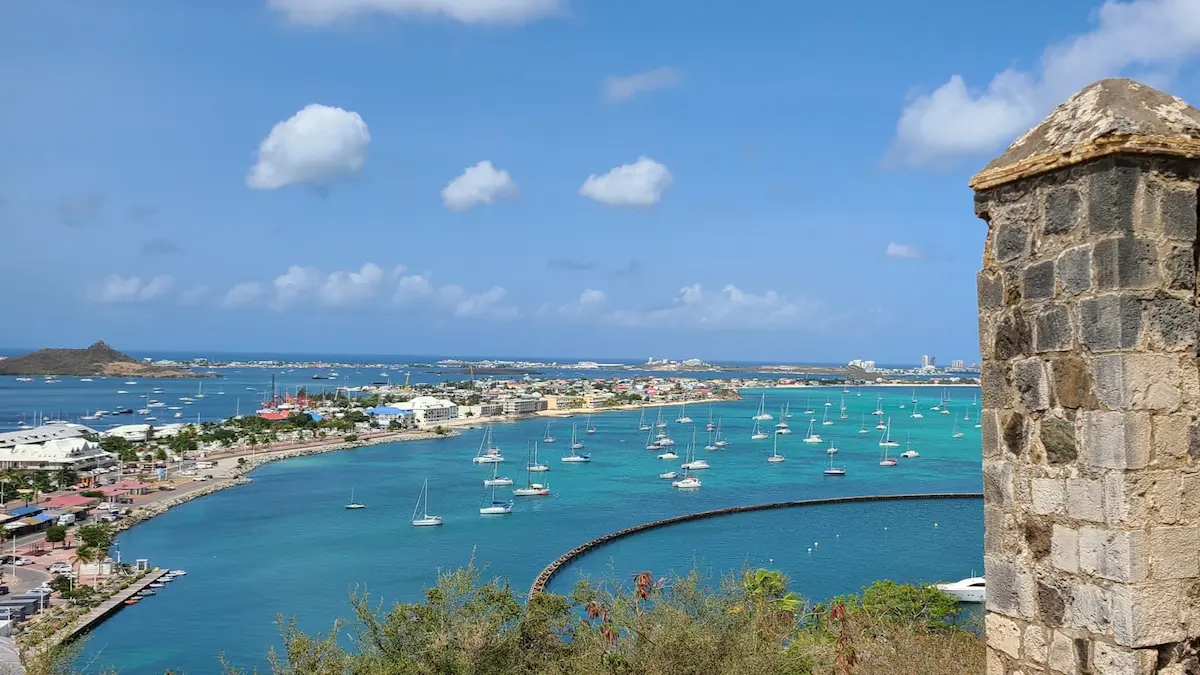
A St. Martin yacht charter offers a uniquely cosmopolitan Caribbean sailing experience, placing you at the center of the Leeward Islands where French sophistication meets Dutch energy. Cruising here involves navigating the lively channels between St. Martin, Anguilla, and St. Barthélemy (St. Barts), managing steady Atlantic trade winds, and clearing customs between French, Dutch, and British territories. The region is celebrated for its spectacular white-sand beaches, world-class dining, and diverse cruising conditions that range from sheltered lagoon sailing to sporty, blue-water passages. Whether you select a spacious catamaran to explore the shallow reef pools of Anguilla or a high-performance monohull to tackle the open seas down to Saba, St. Martin is the ideal launching pad for a multi-island vacation. Weekly bareboat catamarans generally range from $6,000 to $16,000 depending on vessel size and season, while hiring a professional local captain adds approximately $1,800 to $2,500 per week to provide navigation, customs clearances, and local guiding. If you are comparing Caribbean sailing grounds, read our adjacent BVI yacht charter guide or our Grenadines yacht charter guide to find the best cruising zone for your next vacation.
Key Takeaways
- Twin Cruising Archetypes: Choose between a chic, short-hop beach loop (St. Martin, Anguilla, and St. Barts) or an active, open-ocean explorer itinerary down to the volcanic peaks of Saba and St. Kitts.
- Multi-National Clearances: Cruising here requires clearing customs between French St. Martin, Dutch Sint Maarten, British Anguilla, and French St. Barts. Skippers must keep ship papers organized.
- Active Channel Crossings: The St. Barts Channel is known for compressed trade winds and rolling Atlantic swells that demand confident sail handling and reefing.
⚓ St. Martin Cruising Vitals
| Best Cruising Months | Avg. Weekly Cost | Difficulty Level | Primary Winds & Currents | License Required? |
|---|---|---|---|---|
| December–April (Dry season trade winds peak) | $6,000–$16,000 (bareboat) + $1,800–$2,500 (captain) | Intermediate to Advanced (Requires open ocean channel experience) | Easterly trade winds (15-22 kts); winter “Christmas Winds” (25-30 kts in Dec-Jan) | No formal license required, but a detailed sailing resume showing catamaran or monohull experience is required |
Cruising St. Martin: Three Primary Sailing Zones
The Leeward Islands around St. Martin offer distinct cruising grounds, each with unique regulations and navigation parameters.
1. St. Martin & Sint Maarten
Divided between the French North (collectivity of Saint-Martin) and the Dutch South (Sint Maarten), this single island offers two distinct cultures. The Dutch side is home to Simpson Bay Lagoon, a massive, sheltered salt-water lagoon accessed by opening bridges, which serves as a major mega-yacht hub. The French side is quieter, featuring protected bays like Anse Marcel, the culinary town of Grand Case, and the offshore nature reserve of Tintamarre Island.
2. Anguilla & the Northern Cays
Located just 5 miles north of St. Martin, Anguilla is a low-lying British Overseas Territory famous for its pristine, powdery white-sand beaches and shallow coral reefs. Sailing here is relaxed, with excellent holding in sand at Road Bay (Sandy Ground). Offshore cays like Prickly Pear and Sandy Island offer postcard-perfect day anchorages, though they are exposed to ocean swells and require careful reef navigation.
3. St. Barthélemy (St. Barts)
Located 15 miles southeast of St. Martin, St. Barts is a chic French island known for its high-end boutiques, luxury yachts, and red-roofed harbor of Gustavia. The crossing from St. Martin involves sailing upwind across the exposed St. Barts Channel, where swells and wind funneling can create sporty conditions. The island’s northern coast features Anse de Colombier, a sheltered horseshoe bay protected within a marine reserve, offering excellent mooring balls.
Itinerary 1: The Chic Leeward Loop (7 Days)
This classic one-week itinerary combines the best beaches of Anguilla, the gourmet dining of French St. Martin, and the upscale glamour of St. Barts, offering a relaxed island-hopping pace.
Disclaimer: Boating conditions, weather, and regulations change rapidly. Always cross-check with local authorities, official weather services, and paper charts before embarking.
Day 1: St. Martin (Anse Marcel) to Anguilla (Road Bay)
Sailing Distance: ~12 nautical miles
Depart the charter base at Anse Marcel Marina, located in a protected northern bay of French St. Martin. Sail northwest across the Anguilla Channel. This passage is relatively quick but can experience compressed winds. Enter Road Bay (Sandy Ground) on Anguilla. Drop anchor in 12 feet of clean sand, which offers excellent holding. Go ashore to clear British customs, and spend the evening enjoying live music and local barbecue at a beachside shack.
Day 2: Anguilla to St. Martin (Grand Case)
Sailing Distance: ~10 nautical miles
Before departing, take a morning dinghy trip to the nearby Prickly Pear Cays to snorkel the coral reefs and swim with rays. Weigh anchor after lunch and sail southeast back across the channel to the French side of St. Martin. Drop anchor in the wide, sandy bay of Grand Case in 12 feet of water. Head ashore to Grand Case, known as the culinary capital of the Caribbean, to enjoy a fine French dinner or a casual meal at the local open-air barbecue stands (lolos).
Day 3: Grand Case to St. Barts (Anse de Colombier)
Sailing Distance: ~16 nautical miles
Weigh anchor early and sail east-southeast toward St. Barts. This passage takes you across the St. Barts Channel. The channel is exposed to the open Atlantic, and you will be beating upwind against the prevailing easterly trades, so expect active sailing and rolling swells. Arrive at the northwest tip of St. Barts and enter Anse de Colombier. Pick up a marine reserve mooring ball. This beautiful, secluded bay is protected from the swells and is ideal for swimming with green sea turtles.
Day 4: Colombier to St. Barts (Gustavia Harbour)
Sailing Distance: ~3 nautical miles
Enjoy a short, easy coastal motor-sail south to Gustavia, the main port of St. Barts. If you have pre-booked a berth inside the harbor, navigate carefully around the luxury motor yachts. Otherwise, drop anchor outside in the Corossol anchorage in 25 feet of sand. Go ashore to clear French customs, shop in the designer boutiques, hike up to Fort Karl for a panoramic view, and watch the sunset over the harbor.
Day 5: St. Barts to St. Martin (Tintamarre Island)
Sailing Distance: ~18 nautical miles
Cast off and set a course north-northwest back toward St. Martin. Enjoy a fast, comfortable broad reach in the trade winds. Sail past the eastern coast of St. Martin and drop anchor on the western side of Tintamarre Island, an uninhabited nature reserve. Anchor in 15 feet of sand. Tintamarre features dramatic red cliffs, a deserted white-sand beach, and excellent snorkeling where you can swim with turtles and stingrays.
Day 6: Tintamarre to St. Martin (Pinel Island)
Sailing Distance: ~4 nautical miles
Enjoy a short morning sail southwest to Pinel Island, located in a sheltered lagoon on St. Martin’s northeast coast. Navigate carefully through the reef pass. Pick up a day-use mooring ball. Pinel Island features a shallow, calm beach protected from the wind. Walk ashore to explore the island’s hiking paths, view the nesting sea birds, and enjoy fresh lobster at one of the rustic beach restaurants.
Day 7: Pinel Island back to Anse Marcel
Sailing Distance: ~4 nautical miles
Weigh anchor and sail around the northern headland of St. Martin. Return to the marina at Anse Marcel. Dock your vessel, complete your charter check-out, and enjoy a final lunch at a restaurant overlooking the marina docks.
Itinerary 2: The Active Offshore Explorer (7 Days)
This sporty, long-distance itinerary is designed for experienced crews seeking blue-water passage making, volcanic island exploration, and world-class diving. It sails south to Saba and St. Kitts before returning via St. Barts.
Day 1: St. Martin (Simpson Bay) to Saba Island
Sailing Distance: ~28 nautical miles
Depart from Simpson Bay Marina on the Dutch side of St. Martin. Sail south-southwest across the open ocean passage to the volcanic peak of Saba. This is an active, open-water sail in prevailing easterly trades. Arrive at Saba, which rises sheer from the ocean floor. Pick up a marine park mooring ball at Fort Bay or Wells Bay in deep water. Saba has no protected harbors; expect rolling swells. Go ashore to clear Dutch Caribbean customs.
Day 2: Saba to St. Kitts (Port Zante)
Sailing Distance: ~35 nautical miles
Weigh anchor and sail southeast toward the mountainous island of St. Kitts. This is a fast, offshore reach across deep waters. Arrive at Basseterre on St. Kitts. Enter the modern Port Zante Marina, or anchor in the bay outside in 20 feet of mud and sand. Clear customs, and spend the afternoon exploring the historic town of Basseterre, which features Georgian architecture and British colonial plazas.
Day 3: St. Kitts to Nevis (Pinney’s Beach)
Sailing Distance: ~10 nautical miles
Depart Basseterre and sail south across The Narrows, the shallow 2-mile channel separating St. Kitts and Nevis. Navigate carefully to clear the shoals. Arrive off Pinney’s Beach on Nevis and pick up a regulated mooring ball. Go ashore to visit Sunshine’s Beach Bar for their famous “Killer Bee” cocktail, and tour the historic estate of Alexander Hamilton’s birthplace in Charlestown.
Day 4: Nevis to St. Barts (Gustavia)
Sailing Distance: ~45 nautical miles
Prepare for a long, sporty upwind passage. Cast off at dawn and sail north-northeast toward St. Barts. This passage is a beat against the easterly trade winds, requiring active reefing and tacking. Ensure your crew is prepared for open ocean conditions. Arrive off St. Barts and drop anchor in the Corossol anchorage outside Gustavia in 25 feet of sand. Enjoy a relaxing dinner ashore after a long day of sailing.
Day 5: St. Barts to Ile de Fourchue
Sailing Distance: ~8 nautical miles
Sail northwest toward Ile de Fourchue, a rocky, uninhabited island located between St. Barts and St. Martin. Fourchue is a collapsed volcanic crater that forms a protected horseshoe bay. Pick up an SNPA marine park mooring ball in 20 feet of sand. Walk ashore to hike the barren ridges (inhabited only by wild goats) for a spectacular view of the surrounding islands, and snorkel with nurse sharks in the bay.
Day 6: Fourchue to St. Martin (Simpson Bay Lagoon)
Sailing Distance: ~12 nautical miles
Weigh anchor and sail northwest back to St. Martin. Aim for Simpson Bay on the Dutch side. Arrive in time to pass through the Simpson Bay bridge (verify opening schedules). Enter the calm, landlocked Simpson Bay Lagoon and anchor in 10 feet of mud, or tie up to a slip in a local marina. Spend the evening exploring the lively casinos and beach bars of Sint Maarten.
Day 7: Simpson Bay Lagoon to Charter Docks
Sailing Distance: ~2 nautical miles
Motor a short distance back to your charter base inside the lagoon. Complete your vessel check-out and conclude your Leeward Islands offshore cruise.
Ready to experience the best sailing in the Caribbean? You can browse yacht charters on WeBoating.com to compare monohulls and catamarans and hire a professional local skipper for your Leeward Islands cruise.
Yachting Infrastructure: Leeward Islands Marinas & Provisioning Docks
Sailing in the Leeward Islands relies on a mix of modern commercial marinas, bridge-accessed lagoons, and exposed island ports:
Simpson Bay Lagoon Marinas (Sint Maarten): This massive Dutch lagoon is the heart of Caribbean superyachting. It offers multiple full-service marinas (such as Yacht Club at Port de Plaisance, Simpson Bay Marina) with shore power, fresh water, fuel, and provisioning. Access is controlled by the Simpson Bay bridge, which opens several times daily. Mega-supermarkets located nearby provide excellent provisioning options.
Anse Marcel Marina (St. Martin): Tucked inside a highly sheltered bay on the French north coast, this marina offers floating docks, fuel, water, electricity, and a quiet, secure berth. The entrance channel is narrow and shallow (6-foot draft limit), requiring caution at low tide. It is the primary base for several catamaran charter fleets.
Gustavia Harbour (St. Barts): St. Barts’ main harbor offers stern-to dockage along the quay (the “Quai”), but slips are extremely limited and must be booked months in advance. The harbor basin is subject to rolling surges and heavy wake from local ferries. Provisioning is excellent, but prices are premium.
🌪️ Weather Guardrails & Leeward Winds
Understanding local wind systems, ocean currents, and channel conditions is crucial for ensuring a safe and comfortable charter cruise:
- The Trade Winds: The primary wind system is the trade winds, blowing consistently from the East/Northeast. During the winter months, winds average 15–22 knots, providing excellent, active sailing conditions.
- The Christmas Winds: From late December through January, strong high-pressure systems to the north can trigger the “Christmas Winds.” These are sustained trade winds of 25–30+ knots accompanied by larger ocean swells (up to 3 meters in channels). Skippers should check forecasts, reef early, and select sheltered anchorages like Colombier.
- St. Barts Channel Swells: The passage between St. Martin and St. Barts features a strong, westward-flowing current meeting open Atlantic swells. Combined with compressed winds between the islands, the channel frequently features steep, choppy seas that make upwind sailing sporty.
- Saba Exposure: Saba has no natural harbors or protective barriers. The mooring zones are completely open to the ocean. In northerly swells, Wells Bay becomes unusable, and Fort Bay can be extremely rolly, requiring skippers to be ready to slip the mooring and depart at short notice.
Local Rules, Mooring & Environmental Regulations
Local authorities and marine park rangers strictly enforce environmental protection rules to preserve the fragile marine habitats:
– St. Martin Nature Reserve (Réserve Naturelle): The northeast coast of St. Martin (including Tintamarre, Pinel, and Green Key) is a protected marine reserve. Anchoring is prohibited on live coral reefs. Yachts must anchor only in clear sandy patches or use the provided park mooring buoys. Jet skis are strictly prohibited.
– St. Barts Marine Reserve Fees: Daily fees are charged per boat and per passenger for overnight stays in St. Barts’ marine reserve zones (like Colombier and Fourchue). Rangers in patrol boats collect these fees directly. Ensure you receive an official receipt.
– Facilitating Marketplace Role: WeBoating.com is a marketplace connecting travelers with independent, third-party operators. WeBoating does not operate, manage, or own any charters or experiences.
Glossary: Speak Like a Leeward Skipper
Christmas Winds: Strong, dry easterly trade winds (25–30+ knots) that blow across the Caribbean during the winter months of December and January.
Lolo: A traditional, open-air local barbecue restaurant on the French side of St. Martin, famous for grilled lobster, ribs, and chicken.
The Narrows: The shallow, 2-mile channel separating the islands of St. Kitts and Nevis, requiring careful navigation due to shifting sandbars.
Frequently Asked Questions About St. Martin Yacht Charters
The prime charter season runs from December through April (the dry season) when trade winds are consistent and rainfall is low. July to November is the hurricane season.
No formal sailing license is required for bareboat charters in St. Martin. However, charter operators require a detailed sailing resume showing experience on similar-sized vessels. Otherwise, you can hire a captain.
Most charters depart from Anse Marcel Marina on the French north coast or from Simpson Bay Lagoon on the Dutch south coast. Both areas are easily accessible from Princess Juliana International Airport.
Bareboat catamarans typically range from $6,000 to $16,000 per week depending on the size and season, while hiring a professional local captain adds about $1,800 to $2,500 per week to your budget.
The open-water passages between St. Martin, St. Barts, and Anguilla feature active ocean swells and compressed winds, making this area best suited for intermediate to advanced sailors. Beginners should hire a skipper.
Yes. You are crossing between French, Dutch, and British territories. You must clear out of your departure country and clear into your arrival country at designated ports of entry (like Road Bay in Anguilla and Gustavia in St. Barts).
These are strong, sustained easterly trade winds (25–30+ knots) that blow consistently during December and January, accompanied by larger ocean swells. Skippers should reef sails early and choose protected bays.
Saba is a marine park with no protected harbors, and overnight stays are only permitted on the designated park mooring balls. If a heavy ocean swell develops, the anchorage becomes dangerous and you must depart.
The Simpson Bay bridge opens several times daily at scheduled hours (usually morning, midday, and afternoon) to allow yachts to enter or exit the lagoon. Always check the current schedule with the port authority.
Mooring balls are mandatory inside the marine reserve coves (such as Anse de Colombier and Ile de Fourchue) to protect the coral reefs. Anchoring is only permitted in designated sandy zones outside the reserve.
You can expect to swim with green sea turtles (especially at Colombier and Tintamarre), spot hawksbill turtles, rays, reef sharks, dolphins, and a wide variety of colorful reef fish.
You can compare and book yacht charters directly on WeBoating.com, where you can select a catamaran or monohull and hire a professional captain for your cruise.


[…] sunlight. If you are planning an extended cruise through the Leeward Islands, explore our adjacent St. Martin yacht charter guide or our classic BVI yacht charter guide to map your ultimate Caribbean […]