Grenadines Yacht Charter Guide: Tobago Cays Sailing Itinerary & Skipper Tips

A Grenadines yacht charter offers one of the most classic and rewarding island-hopping adventures in the Caribbean, spanning a stunning 40-mile archipelago of volcanic islands, low-lying coral cays, and pristine marine parks between St. Vincent and Grenada. Celebrated for steady trade winds, crystal-clear turquoise waters, and line-of-sight navigation, this Windward Island chain represents the logical progression for sailors looking to step up from the protected waters of the British Virgin Islands. Cruising here involves navigating open-water passages between islands, managing variable harbor currents, and observing strict conservation rules within the world-famous Tobago Cays Marine Park. Whether you choose a stable catamaran to explore shallow reef bays or a high-performance monohull to tackle the ocean channels, the Grenadines deliver an unforgettable cruising experience. Weekly bareboat charters generally range from $4,000 to $12,000 depending on boat size and season, while hiring a professional local captain adds approximately $1,500 to $2,500 per week to provide navigation, local anchoring expertise, and guiding. If you are comparing destinations, read our adjacent BVI yacht charter guide or our USVI yacht charter guide to find the best cruising ground for your crew.
Key Takeaways
- Line-of-Sight Cruising: The Grenadines offer quick, visual navigation hops (usually 8 to 20 miles apart), allowing you to easily hop from one tropical anchorage to another by lunchtime.
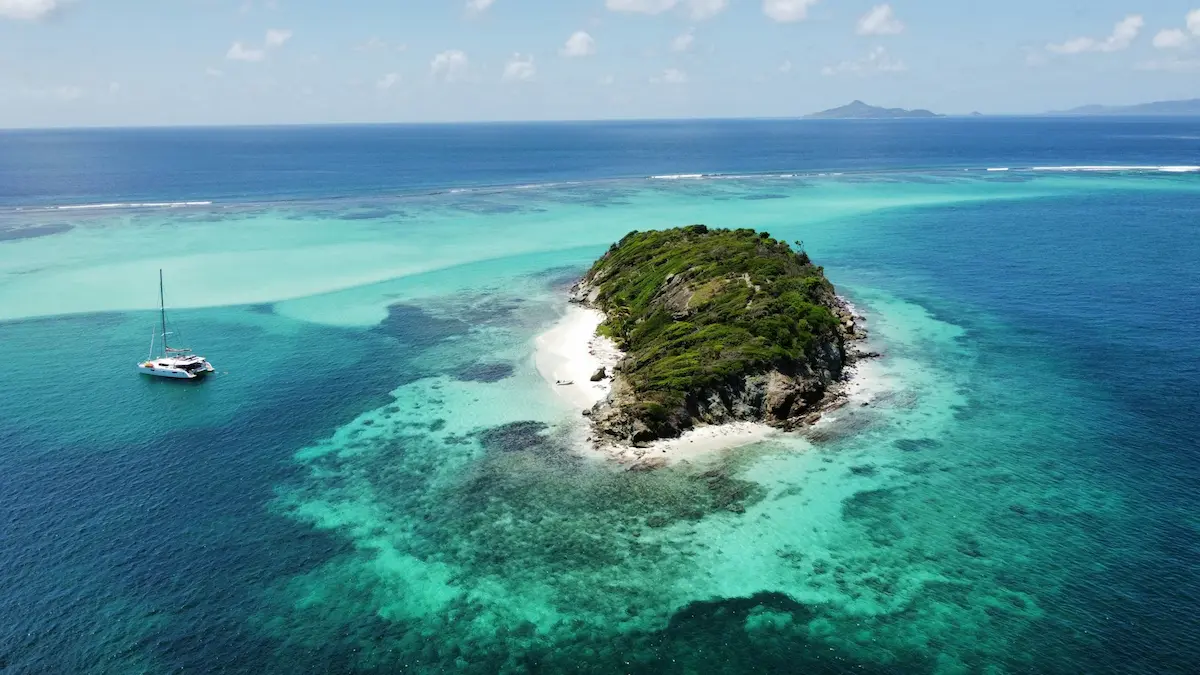
- Tobago Cays Marine Sanctuary: A protected system of five uninhabited cays enclosed by a massive horseshoe reef, requiring strict adherence to marine park rules, speed limits, and anchoring restrictions.
- Active Channel Passages: Open channels between islands, especially the Bequia Channel, feature compressed trade winds and ocean swells that demand confident sail handling and reefing.
⚓ Grenadines Cruising Vitals
| Best Cruising Months | Avg. Weekly Cost | Difficulty Level | Primary Winds & Currents | License Required? |
|---|---|---|---|---|
| December–April (Dry season trade winds peak) | $4,000–$12,000 (bareboat) + $1,500–$2,500 (captain) | Intermediate (Requires open channel crossing experience) | Easterly trade winds (15-25 kts); winter “Christmas Winds” (25-30 kts in Dec-Jan) | No formal license required for US/UK citizens, but a detailed sailing resume showing catamaran or monohull experience is required |
Cruising the Grenadines: Five Primary Sailing Zones
The St. Vincent and the Grenadines archipelago is dotted with distinct islands, each offering unique shoreside character and specific anchoring configurations.
1. Bequia & Admiralty Bay
Bequia is the largest of the St. Vincent Grenadines and serves as the northern gateway to the chain. The sweeping, U-shaped Admiralty Bay is one of the safest and most popular natural harbors in the Caribbean. Yacht crews will find excellent holding in 15–30 feet of sand, a bustling waterfront filled with local shops, local boatbuilders, and a reliable network of water taxis (like “Daffodil’s”) that deliver ice, water, and fuel directly to your yacht’s transom.
2. Mustique & Britannia Bay
Mustique is a privately managed island famous for its manicured estates, celebrity guests, and exclusive beaches. Yachts are required to pick up a mooring ball in Britannia Bay, as anchoring is restricted to protect the seabed. Britannia Bay offers good shelter from the easterly trades, though it can experience a rolling swell in northern winds. Make sure to visit the legendary Basil’s Bar, which is built on stilts directly over the water, for a sunset cocktail.
3. Mayreau & Saltwhistle Bay
Mayreau is the smallest inhabited island in the Grenadines, offering a tranquil, slow-paced atmosphere. Saltwhistle Bay, located on the northern tip of the island, is a breathtaking, postcard-perfect anchorage flanked by a narrow strip of white sand and coconut palms. The bay is very narrow, and yachts anchor close together in 10–12 feet of clean sand. Due to its popularity, it is best to arrive by 13:00 to secure a spot before the charter catamaran fleets roll in.
4. Tobago Cays Marine Park
The Tobago Cays are a collection of five uninhabited islets protected by the massive Horseshoe Reef. This marine sanctuary offers a world-class snorkeling experience, where you can swim with green sea turtles in the shallow turtle-watching zone off Baradal Island or walk among iguanas on Petit Bateau. Yachts anchor in the sand behind the reef in 6–10 feet of gin-clear water. Although the reef blocks the ocean swells, the wind blows unimpeded across the low islets, making for a breezy but secure anchorage.
5. Union Island & Clifton Harbour
Union Island is the southern commercial hub and serves as the port of entry for yachts heading to or from Grenada. Clifton Harbour is protected by a shallow outer reef and is known for its vibrant town, local markets, and colorful shops. The harbor is also home to Happy Island—a unique, hand-built island constructed entirely of conch shells where you can enjoy a drink while watching kiteboarders launch from the reef flats.
A 7-Day St. Vincent to Union Island Sailing Itinerary
This classic one-week itinerary starts from St. Vincent, sails through the heart of the Grenadines, and concludes at the southern hub of Union Island, providing the perfect blend of active sailing and secluded anchorages.
Disclaimer: Boating conditions, weather, and regulations change rapidly. Always cross-check with local authorities, official weather services, and paper charts before embarking.
Day 1: St. Vincent (Blue Lagoon Marina) to Bequia (Admiralty Bay)
Sailing Distance: ~9 nautical miles
Depart your charter base at Blue Lagoon Marina on the southern tip of St. Vincent. Sail southwest across the Bequia Channel. This passage is notorious for strong easterly trade winds and ocean currents that compress between the islands. Ensure your crew is prepared and reef your sails early if needed. Enter Admiralty Bay and drop anchor in 20 feet of sand in front of Port Elizabeth. Head ashore to stroll the Belmont Walkway and dine at a local waterfront restaurant.
Day 2: Bequia to Mustique (Britannia Bay)
Sailing Distance: ~12 nautical miles
Weigh anchor and sail southeast toward Mustique. This is an open-water, beam-reach sail in the prevailing trade winds. Navigate around the northern reefs of Mustique and pick up a regulated mooring ball in Britannia Bay. Go ashore to clear customs if necessary, rent a golf cart to explore the island’s pristine beaches (like Macaroni Beach), and spend the evening enjoying live music at Basil’s Bar.
Day 3: Mustique to Canouan (Charlestown Bay)
Sailing Distance: ~15 nautical miles
Cast off your mooring and set a course southwest toward Canouan. Enjoy a fast, downwind sail across deep waters. Drop anchor in Charlestown Bay (Grand Bay), which offers excellent protection from the trades and good holding in sand. Alternatively, dock at the Sandy Lane Yacht Club marina on the southern end of the island. Spend the afternoon provisioning or exploring the quiet beaches of the windward side.
Day 4: Canouan to Mayreau (Saltwhistle Bay)
Sailing Distance: ~9 nautical miles
Sail south toward Mayreau. This short passage features beautiful views of the surrounding cays. Navigate carefully around the northern shoals of Mayreau and enter Saltwhistle Bay. Drop anchor in 12 feet of sand, ensuring you leave sufficient swinging room for adjacent yachts. Spend the afternoon swimming in the calm, warm water, and hike up the hill to the local stone church in the village of Old Wall for a panoramic view of the Tobago Cays.
Day 5: Mayreau to Tobago Cays Marine Park
Sailing Distance: ~4 nautical miles
Enjoy a short, early morning motor-sail east around the tip of Mayreau and enter the Tobago Cays. Navigate the pass between Petit Rameau and Petit Bateau, and drop anchor in the sandy pool behind the Horseshoe Reef in 8 feet of water. Secure a mooring ball if available. Spend the day snorkeling the reef edges, watching green sea turtles graze in the seagrass off Baradal, and arrange a beachside lobster BBQ dinner with the local boat vendors (“boat boys”) on Petit Bateau.
Day 6: Tobago Cays to Union Island (Clifton Harbour)
Sailing Distance: ~6 nautical miles
Weigh anchor and navigate southwest toward Union Island. Keep a close watch on your chart plotter as you exit the cays to avoid the shallow patch reefs. Enter Clifton Harbour behind the reef. Anchor in the sand or pick up a local mooring ball. Take the dinghy to Happy Island, a bar built entirely of conch shells in the middle of the harbor reef flats, to watch the sunset and enjoy a cold drink while kiteboarders jump nearby.
Day 7: Union Island back to St. Vincent (Blue Lagoon Marina)
Sailing Distance: ~32 nautical miles
Prepare for an early departure and a spirited upwind sail. Head north-northeast back toward St. Vincent. This passage is a beat against the prevailing easterly trades and north-flowing currents, so expect active sailing and plan your tacking angles carefully. Pass Canouan and Bequia, cross the Bequia Channel, and return to Blue Lagoon Marina. Conclude your Grenadines cruise.
Ready to experience this island-hopping paradise? You can browse yacht charters on WeBoating.com to compare monohulls and catamarans and hire a professional local skipper for your Grenadines cruise.
Itinerary 2: The Southern Grenadines Loop (7 Days – Clifton to Clifton)
This alternative itinerary departs from Union Island (Clifton Harbour) and covers the southern cays and Grenadian waters of the archipelago, making it ideal for sailors looking to explore off-the-beaten-path anchorages and cross-national borders.
Day 1: Union Island (Clifton) to Petit St. Vincent
Sailing Distance: ~8 nautical miles
Cast off from the dock in Clifton Harbour on Union Island. Sail southeast across the shallow passage to the private resort island of Petit St. Vincent (PSV). Drop anchor in 12 feet of sand in the sheltered channel between PSV and Petite Martinique. Head ashore to walk the quiet beaches and enjoy sunset drinks at a local beachside grill.
Day 2: Petit St. Vincent to Morpion Island & Clifton
Sailing Distance: ~6 nautical miles
Weigh anchor and take a short morning hop to Morpion Island, a tiny, uninhabited sandbar surrounded by a shallow reef, marked only by a single thatch umbrella. Drop anchor in the sand and swim ashore to snorkel the reef pool. In the afternoon, sail back to Clifton Harbour to check in on local provisioning and enjoy dinner at a seaside restaurant.
Day 3: Union Island to Carriacou (Tyrrel Bay, Grenada)
Sailing Distance: ~10 nautical miles
Before departing, clear customs out of St. Vincent & the Grenadines (SVG) at the Clifton airport office. Sail south across the channel to Carriacou, which belongs to the territory of Grenada. Enter the protected harbor of Tyrrel Bay and drop anchor in 15 feet of mud. Go ashore to clear Grenadian Customs & Immigration at the marine jetty, and spend the evening exploring the local rum shops.
Day 4: Carriacou to Sandy Island Marine Reserve
Sailing Distance: ~4 nautical miles
Enjoy a short, easy coastal sail northwest to the Sandy Island Marine Reserve. This low-lying sand spit is populated only by coconut palms and is surrounded by a spectacular coral reef. Pick up a park-regulated mooring buoy in 8 feet of water. Spend the day snorkeling the reef, where you can swim with turtles and eagle rays (park entry fees apply).
Day 5: Sandy Island to Union Island (Chatham Bay)
Sailing Distance: ~12 nautical miles
Clear out of Grenada at the port office in Hillsborough (Carriacou). Sail northwest across the channel back to the SVG territory. Aim for the western leeward side of Union Island and enter Chatham Bay. This wide, crescent bay is highly protected by high hills, offering flat water. Anchor in 20 feet of sand. Clear back into SVG with local officers, and enjoy a casual beach barbecue at a local seafood shack.
Day 6: Chatham Bay to Palm Island
Sailing Distance: ~6 nautical miles
Sail east around the southern tip of Union Island to the private resort island of Palm Island. Drop anchor off the western beach in 10 feet of clear sand. The anchorage is beautiful, though exposed to ocean swells in some wind conditions. Swim in the turquoise water, walk the sandy shore, and snorkel the shallow reef flats.
Day 7: Palm Island back to Clifton Harbour
Sailing Distance: ~4 nautical miles
Weigh anchor and sail a short distance back to Clifton Harbour. Conclude your southern Grenadines sailing loop at the charter base, complete your vessel check-out, and prepare for your departure.
Yachting Infrastructure: Caribbean Marinas & Provisioning Docks
Cruising in the Grenadines relies on key service ports and marina facilities strategically positioned along the island chain:
Blue Lagoon Marina (St. Vincent): Tucked inside a sheltered lagoon on the southern coast of St. Vincent, this full-service marina is the primary staging base for Grenadines yacht charters. It offers secure berths, fresh water, fuel, shore power, showers, and restaurants, with supermarkets and provisioning services located nearby.
Sandy Lane Yacht Club & Marina (Canouan): This modern, state-of-the-art marina on the southern shore of Canouan offers world-class facilities, including deep-draft berths for superyachts, customs clearance, luxury accommodations, fine dining, and excellent provisioning services.
Clifton Harbour Docks (Union Island): Serving as the southern gateway, Clifton offers alongside dockage at the Anchorage Yacht Club, fuel and water berths, and access to local vegetable markets and bakeries. It is a critical check-point for customs and immigration.
🌪️ Weather Guardrails & Caribbean Winds
Understanding local wind patterns and channel conditions is essential for maintaining crew comfort and safety during your cruise:
- The Trade Winds: The primary wind system is the trade winds, blowing consistently from the East/Northeast. From December through April, winds average 15–25 knots, providing fast, lively sailing conditions.
- The Christmas Winds: From late December through January, strong high-pressure systems to the north can trigger the “Christmas Winds.” These are sustained winds of 25–30+ knots accompanied by larger ocean swells, which can last for several days. Skippers should check forecasts, reef early, and choose sheltered anchorages.
- Bequia Channel Currents: The passage between St. Vincent and Bequia features a strong, westward-flowing current meeting the open ocean swells. Combined with compressed winds between the islands’ high peaks, the channel frequently features steep, choppy seas. Plan crossings early in the morning before the day’s winds peak.
- High Island Wind Shadows: High volcanic islands, particularly St. Vincent, block the easterly trade winds on their western (leeward) coast. Expect flat water but very light, shifting winds under the lee of St. Vincent, requiring motor-sailing until you clear the southern headlands.
Local Rules, Mooring & Environmental Regulations
Local authorities and park rangers strictly enforce environmental protection rules to preserve the fragile marine habitats:
– Tobago Cays Marine Park Fees: Daily fees are charged per boat and per passenger for overnight stays in the marine park. Rangers in patrol boats collect these fees directly. Ensure you receive an official receipt and keep it on board.
– Seagrass & Turtle Protection: Anchoring is strictly prohibited in the designated turtle-watching zone off Baradal Island to protect the sensitive seagrass beds. Anchors must only be dropped in clear sand patches, visible as light turquoise areas, or on the provided mooring buoys.
– Facilitating Marketplace Role: WeBoating.com is a marketplace connecting travelers with independent, third-party operators. WeBoating does not operate, manage, or own any charters or experiences.
Glossary: Speak Like a Grenadines Skipper
Christmas Winds: Strong, sustained easterly trade winds (25–30+ knots) that blow across the Caribbean during the winter months of December and January.
Water Taxi: Local boat operators who meet arriving yachts to offer mooring assistance, trash collection, provisioning, and transport to shore.
Bommie: An isolated column of coral rising close to the surface, requiring a bow lookout when navigating shallow reef flats.
Frequently Asked Questions About Grenadines Yacht Charters
The prime charter season runs from December through April (the dry season) when trade winds are consistent and rainfall is low. July to November is the hurricane season.
No formal sailing license is required for bareboat charters in the Grenadines. However, charter operators require a detailed sailing resume showing experience on similar-sized vessels. Otherwise, you can hire a captain.
Most charters depart from St. Vincent (Blue Lagoon Marina) or from Grenada. One-way charters between St. Vincent and Grenada are also highly popular.
These are strong, dry winds (25-30+ knots) that blow consistently from the Northeast during December and January, accompanied by larger ocean swells.
Bareboat charters typically cost between $4,000 and $12,000 per week, while hiring a professional captain adds about $1,500 to $2,500 per week.
Yes. The outer Horseshoe Reef blocks the Atlantic swells, creating calm water inside. However, the wind blows strongly across the low cays, so you must set your anchor securely in the sand.
Mooring fees are approximately $40-$50 USD per night, which is paid directly to the park rangers in patrol boats. Park entry fees are about $10 USD per person.
Yes. Most charter companies allow you to sail the entire chain. If doing a one-way charter, ensure you arrange drop-off and customs clearance with the operator in advance.
It is the 9-mile passage between St. Vincent and Bequia. Strong currents and compressed trade winds can create steep waves, making it a challenging upwind sail.
Yes. Local boatmen offer reliable water taxi services in Admiralty Bay (Bequia) to take you to the docks, collect trash, or deliver ice, water, and fuel.
Catamarans are highly popular for their shallow draft, which allows close anchoring behind reefs, and their stable decks. Monohulls are excellent for handling the open channels.
You can compare and book yacht charters directly on WeBoating.com, where you can select a catamaran or monohull and hire a professional captain for your cruise.