Florida Keys & Key West Yacht Charter Guide: Twin Sailing Itineraries & Local Skipper Tips

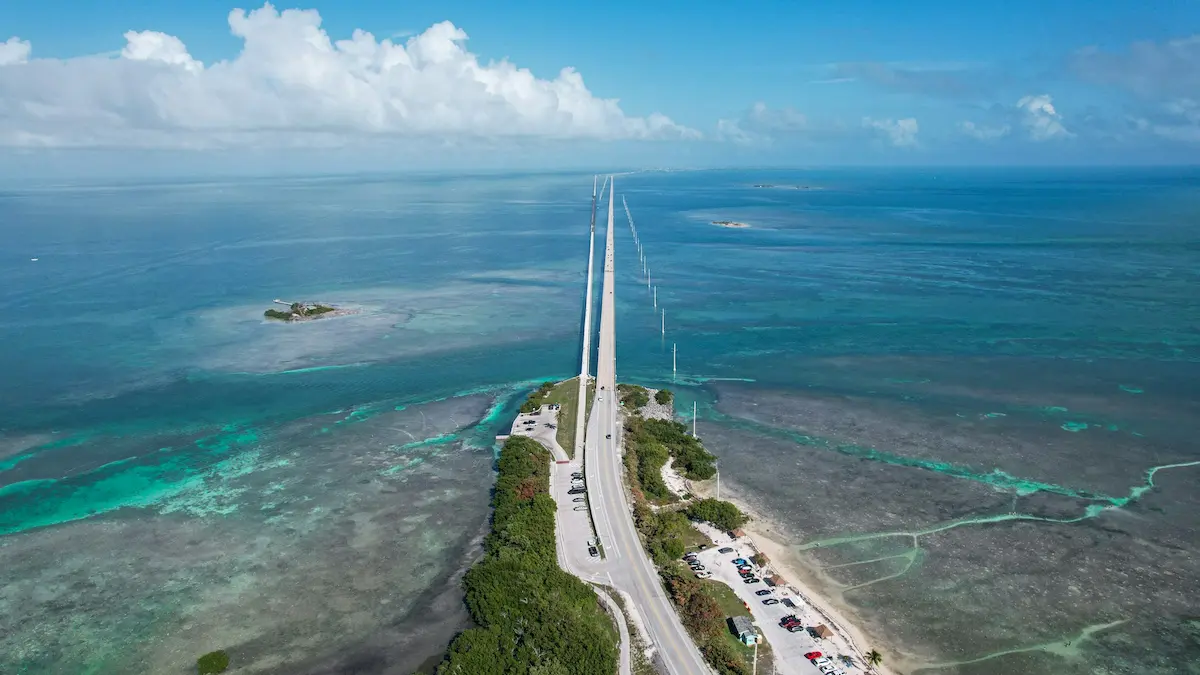
A Florida Keys yacht charter offers a legendary warm-weather sailing adventure, taking you from the vibrant skyline of Miami down along the only living coral barrier reef in North America, or across the deep blue of the Gulf Stream to the Bahamas. Cruising here involves navigating the shallow sand flats of Florida Bay, following the well-marked Hawk Channel between the reef and the keys, and managing currents when crossing to Bimini. The Keys are celebrated for their laid-back island vibe, historic shipwrecks, world-class sportfishing, and sheltered anchorages. Whether you choose a shallow-draft catamaran to slip into the secluded mangrove channels of Biscayne National Park or a classic monohull for a sporty blue-water crossing, the region offers diverse cruising opportunities. Weekly bareboat catamarans typically range from $5,000 to $12,000 depending on vessel size and season, while hiring a professional local captain adds approximately $1,500 to $2,500 per week to assist with shallow piloting, mooring field regulations, and Gulf Stream navigation. If you are comparing regional tropical itineraries, read our adjacent BVI yacht charter guide or our Bahamas yacht charter guide to find your perfect cruising destination.
Key Takeaways
- Twin Sailing Itineraries: Choose between a shallow-water, relaxed coastal crawl down to historic Key West, or a sporty, offshore blue-water crossing to the sandy cays of Bimini, Bahamas.
- Hawk Channel Navigation: Sail safely by sticking to the Hawk Channel, a protected passage running between the Florida Keys mainland and the outer barrier reefs. Keep a close eye on the depth sounder.
- Gulf Stream Crossings: Venturing to Bimini requires a 45-mile crossing of the powerful northward-flowing Gulf Stream. Never cross when winds have a northerly component, as this creates dangerous, steep waves.
⚓ Florida Keys Cruising Vitals
| Best Cruising Months | Avg. Weekly Cost | Difficulty Level | Primary Winds & Currents | License Required? |
|---|---|---|---|---|
| November–May (Winter trades, mild weather, avoiding hurricane season) | $5,000–$12,000 (bareboat) + $1,500–$2,500 (captain) | Beginner-Intermediate (Hawk Channel); Advanced (Bimini Gulf Stream crossing) | Easterly trades (12-18 kts); strong northward Gulf Stream current (2-4 kts in the straits) | No formal license required for US waters, but a sailing resume showing catamaran or monohull experience is required |
Cruising the Florida Keys: Three Primary Sailing Zones
The southern tip of Florida features distinct cruising grounds, each with unique piloting requirements and natural highlights:
1. Biscayne Bay & Biscayne National Park
Starting right south of Miami, Biscayne Bay is a wide, shallow basin protected by barrier islands. The southern portion of the bay belongs to Biscayne National Park, a pristine marine sanctuary. Here, you will find Elliott Key and Boca Chita Key, offering quiet anchorages, historic ornamental towers, and excellent hiking paths. Bottom depths average 8 to 10 feet, making it a dream for relaxed catamarans, though captains must watch out for shallow sandbars around Featherbed Banks.
2. Hawk Channel & the Outer Reefs
Running from Key Largo down to Key West, Hawk Channel is the primary highway for cruisers. The channel is protected from the open Atlantic by a string of coral reefs (including John Pennekamp State Park and Sombrero Reef), which block heavy ocean swells. Navigating here requires keeping the green markers to port and red to starboard when heading south. It offers comfortable sailing in 15 to 25 feet of water, with dozens of day-use mooring balls placed at reef snorkeling spots.
3. The Florida Straits & Bimini Crossing
For sailors seeking blue-water navigation, crossing the Florida Straits east toward Bimini, Bahamas, is a premier offshore run. The passage crosses the Gulf Stream, a powerful oceanic current carrying warm water north. Navigating the stream requires calculating your drift (which pushes you north by 2 to 3 knots) and timing your weather window carefully. Once across, the bottom shoals rapidly into the dazzling, shallow turquoise waters of the Great Bahama Bank.
Itinerary 1: The Florida Keys & Key West Reef Loop (7 Days)
This classic one-week itinerary departs from Miami and winds south along the keys, stopping at historic parks and lively marinas before arriving at Key West, returning via Hawk Channel.
Disclaimer: Boating conditions, weather, and regulations change rapidly. Always cross-check with local authorities, official weather services, and paper charts before embarking.
Day 1: Miami (Dinner Key) to Elliott Key
Sailing Distance: ~15 nautical miles
Cast off from the charter base at Dinner Key Marina in Coconut Grove. Set a course south across the shallow waters of Biscayne Bay. Navigate around the shoals of Featherbed Banks. Drop anchor on the western side of Elliott Key (Biscayne National Park) in 8 feet of water, which offers excellent holding in sand and mud. Take the dinghy ashore to Boca Chita Key to climb the historic coral-rock lighthouse and enjoy a quiet sunset picnic.
Day 2: Elliott Key to Key Largo (Rodriguez Key)
Sailing Distance: ~22 nautical miles
Weigh anchor and head south through Angelfish Creek, a narrow, winding channel lined with mangroves that leads out into Hawk Channel. Keep a sharp eye on your depth sounder here. Once in Hawk Channel, enjoy an easy sail down to Key Largo. Stop to snorkel the historic coral reefs at John Pennekamp Coral Reef State Park. In the afternoon, drop anchor off the sandy flats of Rodriguez Key in 8 feet of water, which provides good shelter from the prevailing easterly winds.
Day 3: Key Largo to Islamorada
Sailing Distance: ~18 nautical miles
Sail southwest along the inside of Hawk Channel. The waters here are calm and protected. Arrive at Islamorada. If your vessel has a shallow draft, navigate through Snake Creek Drawbridge to access the Florida Bay side. Drop anchor near Lignumvitae Key or off the iconic Lorelei Restaurant & Cabana Bar in 6 feet of soft sand. Go ashore to enjoy fresh seafood, listen to live steel-drum music, and watch a classic Keys sunset.
Day 4: Islamorada to Marathon (Boot Key Harbor)
Sailing Distance: ~24 nautical miles
Weigh anchor and sail southwest toward Marathon, the heart of the Middle Keys. Along the way, hook a day-use mooring buoy at Sombrero Key Reef to snorkel around the historic 140-foot iron lighthouse and view colorful corals and reef fish. Continue to Boot Key Harbor and pick up a pre-booked mooring ball at the municipal mooring field. Boot Key offers excellent protection, laundry facilities, a cruiser’s lounge, and easy access to provisioning shops.
Day 5: Marathon to Key West (Key West Bight)
Sailing Distance: ~45 nautical miles
Start early for a long, scenic sail down to the southernmost city of the continental US. Run along Hawk Channel, passing under the towering spans of the Seven Mile Bridge. Navigate around the shallow sandbars of the Key West shipping channel. Dock at Key West Bight Marina, located in the heart of the historic seaport. Head ashore to explore Duval Street, visit Ernest Hemingway’s house, and watch the street performers at Mallory Square’s sunset celebration.
Day 6: Key West to Bahia Honda State Park
Sailing Distance: ~32 nautical miles
Cast off and begin your return journey northeast. Enjoy a comfortable broad reach along Hawk Channel. Aim for Bahia Honda State Park, famous for having some of the most beautiful beaches in the Keys. Anchor on the south side of the island in 8 feet of water, or navigate the narrow channel to tie up at the park’s small marina. Swim in the clear waters and hike up to the old Bahia Honda Rail Bridge for spectacular views.
Day 7: Bahia Honda back to Miami
Sailing Distance: ~80 nautical miles (Or return to Marathon charter base)
For a 7-day loop ending back in Miami, enjoy a long, sporty offshore sail through Hawk Channel. Keep watch for crab pots and shallow coral heads along the reefs. Navigate through Biscayne Bay and return to Dinner Key Marina. Conclude your Florida Keys cruise by returning the vessel to the charter docks.
Itinerary 2: Biscayne Bay & Bimini Crossing (7 Days)
This offshore itinerary is designed for experienced crews seeking blue-water ocean passages and island-hopping in the Bahamas, sailing across the Gulf Stream to Bimini.
Day 1: Miami to Key Biscayne (No Name Harbor)
Sailing Distance: ~8 nautical miles
Depart Dinner Key Marina and sail east across Biscayne Bay to Key Biscayne. Enter the narrow channel to No Name Harbor, located at the southern tip of the island within Bill Baggs Cape Florida State Park. Drop anchor in 10 feet of mud, which offers excellent holding. Go ashore to view the historic 1825 Cape Florida Lighthouse, hike the nature trails, and have a sunset dinner at Boaters Grill.
Day 2: Key Biscayne to Bimini, Bahamas
Sailing Distance: ~48 nautical miles
Weigh anchor at 3:00 AM to cross the Gulf Stream. Set a course east-southeast, factoring in the 2.5-knot northward drift of the current. Ensure you have checked the weather; do not cross in a north wind. Cross the deep blue waters and arrive at Alice Town on North Bimini. Navigate the shallow entry channel carefully. Tie up at a slip at Bimini Big Game Club Resort & Marina. Head ashore to clear Bahamian Customs & Immigration.
Day 3: Bimini Exploration & Sapona Wreck
Sailing Distance: ~6 nautical miles
Spend the day exploring Bimini’s incredible diving spots. Motor south to the shipwreck of the SS Sapona, a concrete cargo steamer that ran aground during a 1926 hurricane. Tie up to a day-use mooring and snorkel around the exposed hull, which is home to thousands of reef fish. In the afternoon, return to Alice Town to visit the Bimini Museum and taste fresh Bahamian conch salad.
Day 4: Bimini to Gun Cay (Honeymoon Harbour)
Sailing Distance: ~10 nautical miles
Cast off and sail south along the edge of the Great Bahama Bank. Arrive at Gun Cay and anchor in the shallow sandy cove of Honeymoon Harbour in 6 feet of crystal-clear water. This spot is famous for its population of friendly southern stingrays and nurse sharks that swim right up to the beach. Spend the afternoon wading in the shallows, snorkeling the reef, and relaxing on the beach.
Day 5: Gun Cay to Cat Cay
Sailing Distance: ~8 nautical miles
Enjoy a short morning sail south to Cat Cay, a private island with a full-service marina. Secure a guest slip at the Cat Cay Yacht Club by calling ahead. The island features manicured white-sand beaches, tennis courts, and a boutique restaurant. Spend the day swimming in the clear water, walking the paths, and enjoying the quiet luxury of this exclusive island outpost.
Day 6: Cat Cay back to Key Biscayne
Sailing Distance: ~50 nautical miles
Cast off at dawn for your return journey west across the Florida Straits. Head west-northwest, adjusting your heading to offset the northward Gulf Stream current. Arrive back at Key Biscayne. Anchor off the shallow flats of Nixon’s Beach in 8 feet of water. Use the CBP ROAM app on your smartphone to submit your US re-entry clearance and notify Customs of your arrival.
Day 7: Key Biscayne back to Miami
Sailing Distance: ~10 nautical miles
Sleep in and enjoy a late breakfast. Weigh anchor and sail across the calm waters of Biscayne Bay back to Dinner Key Marina. Dock your vessel, complete your charter check-out, and conclude your Bimini crossing adventure.
Ready to set sail for the Florida Keys or Bahamas? You can browse yacht charters on WeBoating.com to compare catamarans and monohulls and hire a professional captain for your cruise.
Yachting Infrastructure: Florida Keys Marinas & Provisioning Docks
Sailing in the Florida Keys and Bahamas relies on a combination of municipal mooring fields, modern marinas, and island docks:
Dinner Key Marina (Miami): The largest wet-slip marina in Miami, Dinner Key is the primary base for multiple charter operators. It offers modern concrete floating docks, fuel, water, pump-out, and excellent onshore amenities. It is walking distance to Coconut Grove’s supermarkets, making it perfect for staging and provisioning.
Boot Key Harbor Municipal Mooring Field (Marathon): Located in the Middle Keys, this is one of the most popular cruiser hubs in the country. It offers 226 well-maintained mooring balls for vessels up to 60 feet. The marina office features dinghy docks, laundry, showers, a mail-drop room, and a massive community lounge. Provisioning is easy with supermarkets and marine supply stores located just across the street.
Bimini Big Game Club Resort & Marina (Bahamas): A legendary outisland resort in Alice Town, Bimini Big Game Club features a modern marina with 75 slips, full power, water, ice, and Wi-Fi. It is an official port of entry, allowing you to clear Bahamas Customs right at the marina office. The resort features a pool, bar, and restaurant.
🌪️ Weather Guardrails & Keys Navigation
Cruising in Florida and the Bahamas requires understanding local wind patterns, current drifts, and shallow water piloting rules:
- Shallow Water Piloting: Bottom depths outside the channels are often under 5 feet. Monohulls with deep drafts must stay strictly in the Hawk Channel or stick to catamarans, which have draft limits of 3 to 4 feet. Keep a close eye on tide charts, especially around keys passes.
- Gulf Stream Crossings: The Gulf Stream flows north at 2 to 4 knots. Crossing it in a northerly wind (N, NE, NW) creates “wind-against-current” conditions. This causes the waves to stack up into steep, dangerous, and closely spaced rollers. Always wait for a southerly, easterly, or light wind before crossing.
- Hawk Channel Reefs: Dozens of coral reefs are located just off Hawk Channel. While protected from swells, skippers must watch out for shallow patch reefs. Never anchor on live coral; always use the provided yellow mooring balls at Pennekamp and Sombrero Reef.
- Florida Bay “Skinny Water”: The bay side of the keys (Florida Bay) is extremely shallow and dotted with shifting sandbars. Navigating here requires excellent visibility and reading the water’s color (brown is sand, white is shallow sand, blue is deep, green is grass).
Local Rules, Mooring & Environmental Regulations
Environmental preservation is strictly enforced in the Florida Keys and Bahamas to protect the coral reefs and marine life:
– Florida Keys National Marine Sanctuary: The entire chain of keys is surrounded by a protected sanctuary. Discharge of sewage, garbage, or bilge water is strictly illegal. The sanctuary utilizes mooring buoys at popular reef spots. Anchoring is prohibited within designated sanctuary preservation areas (SPAs).
– Bahamas Customs Clearance: When entering the Bahamas, you must fly the yellow “Q” flag. The captain must go ashore immediately with all crew passports and ship papers to clear customs. Do not allow any crew to leave the vessel until clearance is granted. Cruising permits and fishing licenses are mandatory.
– Facilitating Marketplace Role: WeBoating.com is a marketplace connecting travelers with independent, third-party operators. WeBoating does not operate, manage, or own any charters or experiences.
Glossary: Speak Like a Keys Skipper
Hawk Channel: The semi-protected channel running along the south side of the Florida Keys, bounded by the islands to the north and the barrier reefs to the south.
Gulf Stream: A powerful, warm ocean current that flows from the Gulf of Mexico, north through the Straits of Florida, and up the eastern coast of the US.
Skinny Water: A common slang term used by boaters in Florida to refer to extremely shallow waters, requiring shallow-draft vessels and careful piloting.
Frequently Asked Questions About Florida Keys Yacht Charters
The prime charter season runs from November through May when temperatures are mild and trade winds are steady. June to October is hot and falls within the Atlantic hurricane season.
No formal sailing license is required for bareboat charters in US waters. However, you must submit a detailed sailing resume showing experience on similar-sized vessels. Otherwise, you can hire a captain.
Most charters depart from Dinner Key Marina or Key Biscayne in Miami, which offer full provisioning and are a short drive from Miami International Airport. Some local charters start directly in Marathon or Key West.
Hawk Channel is a protected shipping channel running between the Florida Keys mainland and the outer reefs. Navigate it by following the red and green navigational markers, keeping a close watch on your depth sounder.
Bareboat catamarans typically range from $5,000 to $12,000 per week depending on the vessel size and season, while hiring a professional captain adds about $1,500 to $2,500 per week to your budget.
Yes. Bimini is located approximately 48 nautical miles east of Miami. The crossing is a popular blue-water run, but it crosses the Gulf Stream and requires careful weather planning and custom clearances.
You must fly the yellow ‘Q’ flag upon entering Bahamian waters, dock at an official port of entry (like Bimini Big Game Club), and clear all passengers and ship papers through Bahamas Customs. When returning to the US, check-in using the CBP ROAM app.
The Gulf Stream is a strong northward current. If you cross when a northerly wind blows against the current, it stacks up steep, dangerous waves. Only cross when winds are from the south, east, or light.
The Boot Key Harbor Municipal Mooring Field in Marathon offers 226 mooring balls with dinghy dock access, showers, laundry, and trash disposal. Pre-booking is highly recommended due to high demand.
Yes. The Florida Keys feature extensive shallow flats, sandbars, and patch reefs. Using a shallow-draft catamaran is highly recommended. Always consult tide charts and maintain visual navigation in shallow areas.
You can expect to snorkel with green sea turtles, stingrays, nurse sharks, dolphins, spiny lobsters, and hundreds of tropical reef fish species along the outer barrier reef.
You can compare and book yacht charters directly on WeBoating.com, where you can select a catamaran or monohull and hire a professional captain for your cruise.