Tahiti & French Polynesia Yacht Charter Guide: Society Islands Sailing Itinerary & Skipper Tips

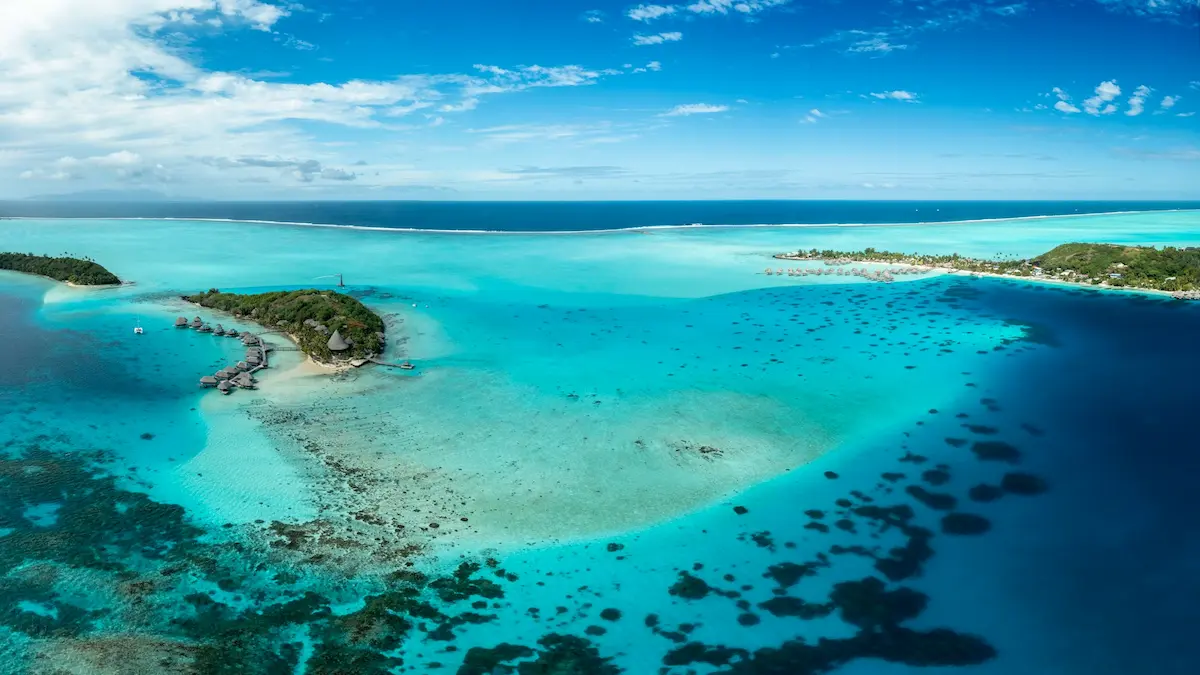
A Tahiti yacht charter offers an unparalleled sailing experience, navigating the dramatic volcanic peaks and brilliant turquoise lagoons of the Society Islands (including Raiatea, Taha’a, Bora Bora, and Huahine) in French Polynesia. Known as the yachting heart of the South Pacific, this French overseas territory features world-class cruising grounds protected by extensive coral barrier reefs, connected by short open-ocean passages. Cruising these remote islands requires an understanding of lagoon navigation, the ability to read water depth by color, and strict compliance with local mooring regulations designed to protect the fragile coral reefs. For travelers planning a South Pacific cruise, chartering a private vessel—whether a stable catamaran designed for shallow lagoon exploration or a robust monohull built to handle open-ocean trade winds—is the ultimate way to explore. Weekly bareboat charters typically range from $5,000 to $15,000 depending on the season, while hiring a professional local captain adds roughly $1,500 to $2,500 per week, providing essential pilotage, mooring navigation, and local knowledge. If you are preparing for your first private cruise, be sure to read our guide on what to expect from a crewed yacht charter to understand the best options for your group, or explore our adjacent USVI yacht charter guide for a comparison of tropical charter destinations.
Key Takeaways
- Raiatea Charter Hub: Raiatea is the central base for all major yacht charters in French Polynesia, offering immediate access to the shared barrier reef lagoon of Taha’a and passages to Bora Bora.
- Coral reef Mooring Rules: Due to strict environmental protection, anchoring is heavily restricted in Bora Bora and parts of Taha’a, requiring skippers to use overnight mooring buoys to protect coral.
- Lagoon Navigation: Skippers must master “reading the water” (using polarized sunglasses to identify shallow coral heads, or “patates,” which show as brown/light green patches in neon blue waters).
⚓ Tahiti Cruising Vitals
| Best Cruising Months | Avg. Weekly Cost | Difficulty Level | Primary Winds & Currents | License Required? |
|---|---|---|---|---|
| May–October (Dry season trade winds peak) | $5,000–$15,000 (bareboat) + $1,500–$2,500 (captain) | Intermediate to Advanced (Open-ocean crossings & pass navigation) | Easterly trade winds (15-20 kts); Mara’amu south wind (25-35 kts in July-Aug) | No official license required, but charter companies require a detailed sailing resume demonstrating catamaran/monohull experience |
Cruising Tahiti: The Four Primary Sailing Zones
The Society Islands are divided into two groups: the Windward Islands (Tahiti and Moorea) and the Leeward Islands (Raiatea, Taha’a, Bora Bora, and Huahine). The Leeward Islands are the primary cruising ground for charters.
1. Raiatea & Taha’a (The Shared Lagoon)
Raiatea (the sacred island) and Taha’a (the vanilla island) lie within the same coral barrier reef, allowing skippers to sail between them in completely sheltered lagoon waters without entering the open ocean. This zone offers highly protected sailing, sandy anchorages, and excellent staging. Raiatea’s town of Uturoa provides the main provisioning docks, fuel, and fresh water, while Taha’a is dotted with quiet vanilla plantations and pearl farms.
2. Bora Bora (The Iconic Peak)
Bora Bora is famous for Mount Otemanu and its expansive, multi-hued turquoise lagoon. Entrance is made through a single deep pass on the west side (Teavanui Pass). Once inside, the waters are shallow and require careful navigation between marked coral heads. Due to the high volume of tourism and fragile ecosystem, anchoring is strictly prohibited in most of the lagoon, and skippers must secure a regulated mooring buoy managed by local park services.
3. Huahine (The Wild & Authentic)
Located 22 miles east of Raiatea, Huahine is known as the “wild island” due to its lush forests, historic marae (sacred stone temples), and lack of large resorts. Reaching Huahine requires an open-ocean, upwind sail against the prevailing easterly trade winds, which can be challenging in high seas. Once inside the lagoon, the southern bay of Avea offers one of the most beautiful and protected sandy anchorages in French Polynesia.
4. Tahiti & Moorea (The Windward Passage)
Tahiti (home to the capital, Papeete) and Moorea offer dramatic volcanic spires and steep bays (like Cook’s Bay). Sailing between the Leeward Islands and Windward Islands requires a long, 120-mile open-ocean crossing across deep waters, which can feature heavy swells and strong currents. This passage is best suited for crewed charters or highly experienced offshore skippers.
A 7-Day Leeward Islands Sailing Itinerary
This classic one-week itinerary starts in Raiatea, heading east to the wild shores of Huahine, exploring Taha’a’s vanilla coves, and concluding with a cruise around Bora Bora’s legendary lagoon.
Disclaimer: Boating conditions, weather, and regulations change rapidly. Always cross-check with local authorities, official weather services, and paper charts before embarking.
Day 1: Raiatea (Apooiti Marina) to Taha’a (Apu Bay)
Sailing Distance: ~5 nautical miles
Depart your charter base at Apooiti Marina in Raiatea in the early afternoon. Sail north inside the shared lagoon, enjoying flat water and gentle sea breezes. Cross into the waters of Taha’a and navigate to the southern anchorage of Apu Bay. Secure an overnight mooring buoy. Visit the local Champon Pearl Farm to learn how black pearls are harvested, and enjoy a quiet dinner aboard under the Southern Cross constellation.
Day 2: Apu Bay to Huahine (Fare)
Sailing Distance: ~24 nautical miles
Weigh anchor early and exit Taha’a’s lagoon through Toahotu Pass. Set a course east-northeast toward the green mountains of Huahine. This is an open-ocean passage, typically sailing on a close-reach in the easterly trade winds. Keep a sharp lookout for ocean swells. Enter the lagoon of Huahine through the deep Avamoa Pass and drop anchor in the sandy basin in front of Fare, the island’s main village. Walk the waterfront and stock up on fresh local fruit at the village market.
Day 3: Fare to Avea Bay (Huahine)
Sailing Distance: ~8 nautical miles
Enjoy a relaxed morning cruise south inside the protected western lagoon of Huahine. Follow the beacon system carefully to avoid shallow coral patches. Set a course for Avea Bay at the southern tip of Huahine. Drop anchor in 10–12 feet of water over clean white sand. The holding here is exceptional. Spend the afternoon snorkeling the reef, walking the white sand beach, and exploring the nearby ancient marae (stone temples) built by Polynesian navigators.
Day 4: Avea Bay to Taha’a (Motu Tautau)
Sailing Distance: ~26 nautical miles
Weigh anchor early and exit Huahine through the southern pass. Sail west-northwest back toward Raiatea and Taha’a, enjoying a fast, broad reach in the trade winds. Enter the lagoon through Pai Pai Pass and head to the western side of Taha’a. Pick up a mooring buoy near Motu Tautau. Grab your snorkel gear and swim to the Coral Gardens, a shallow passage between motus where you can drift over a vibrant coral reef filled with anemones, clownfish, and butterflyfish.
Day 5: Taha’a to Bora Bora (Povai Bay)
Sailing Distance: ~20 nautical miles
Cast off your mooring and exit Taha’a’s lagoon through the western pass. Sail west across the open ocean toward the iconic outline of Bora Bora’s Mount Otemanu. Enjoy a fast, downwind run in the trade winds. Enter Bora Bora’s lagoon through the deep Teavanui Pass on the west side. Secure a regulated mooring buoy in Povai Bay, directly opposite the mountain. Dinghy to the shoreside dock for dinner at the legendary Bloody Mary’s restaurant.
Day 6: Povai Bay to Bora Bora Lagoon (Southeast Motus)
Sailing Distance: ~6 nautical miles
Spend the day navigating the breathtaking eastern lagoon of Bora Bora. Follow the narrow, shallow beacon-marked channel around the southern tip of the island. Pick up a mooring buoy in the Southeast Motus, where the water is a brilliant neon blue and only 6–8 feet deep. Swim with blacktip reef sharks and friendly stingrays that gather in the shallow sand flats, and enjoy a private beach picnic on a motu.
Day 7: Bora Bora back to Raiatea (Apooiti Marina)
Sailing Distance: ~22 nautical miles
Prepare for an early departure for your return passage. Exit through Teavanui Pass and sail east-southeast back to Raiatea. This passage is upwind against the prevailing trade winds, so expect a spirited beat and plan your tacking angles carefully. Enter Raiatea through the Rautoanui Pass and tie up at Apooiti Marina. Conclude your French Polynesia cruise.
Ready to experience these pristine South Pacific lagoons? You can browse yacht charters on WeBoating.com to compare monohulls and catamarans and hire a professional captain for your Tahiti cruise.
Itinerary 2: Windward Islands Explorer (Tahiti & Moorea – 7 Days)
This alternative itinerary focuses on the historic and dramatic Windward Islands of Tahiti and Moorea, departing from Papeete to cross deep channels, explore towering volcanic bays, and swim in shallow reef gardens.
Day 1: Papeete (Marina Taina) to Moorea (Opunohu Bay)
Sailing Distance: ~20 nautical miles
Depart the charter docks at Marina Taina in Papeete. Set a course west-northwest across the Sea of Moons (the open-ocean channel separating Tahiti and Moorea). Be alert for easterly trade wind swells. Navigate the barrier reef pass on Moorea’s north coast and anchor in Opunohu Bay in 25 feet over soft mud, surrounded by dramatic volcanic spires.
Day 2: Opunohu Bay to Cook’s Bay (Moorea)
Sailing Distance: ~5 nautical miles
Take a relaxed morning sail around the northern tip of Moorea, enjoying views of Mt. Rotui. Enter Cook’s Bay through the deep pass. Drop anchor in 30 feet of water over mud. Head ashore to visit local pineapple fields and taste fresh tropical fruit juices at the local distillery.
Day 3: Cook’s Bay to Moorea Lagoon (Motu Fareone)
Sailing Distance: ~6 nautical miles
Cruise to the northwest corner of Moorea’s lagoon. Navigate the shallow, crystal-clear channel (be alert for coral heads, or “patates”). Drop anchor near Motu Fareone in 6–8 feet of neon-blue water over clean sand. Snorkel along the reef edge and swim with friendly blacktip reef sharks and stingrays.
Day 4: Motu Fareone to Vaiare Bay
Sailing Distance: ~10 nautical miles
Sail south along Moorea’s east coast, protected by the barrier reef. Anchor in Vaiare Bay in 20 feet over sand. Enjoy views of Tahiti’s peaks across the channel, walk the local white sand beaches, and prepare for the return channel crossing.
Day 5: Vaiare Bay back to Tahiti (Marina Taina)
Sailing Distance: ~18 nautical miles
Weigh anchor early and cross back east across the Moorea Channel. This is an upwind beat against the easterly trades, so reef your sails appropriately and monitor ocean swells. Return to Marina Taina on Tahiti. Secure a mooring buoy or slip, and spend the afternoon visiting the nearby beaches of Punaauia.
Day 6: Tahiti (Marina Taina) to Port Phaeton (Taravao)
Sailing Distance: ~32 nautical miles
Sail south along the protected west coast of Tahiti Nui, past the world-famous surf break of Teahupo’o. Navigate into Port Phaeton, a completely landlocked, mangrove-lined bay offering excellent storm protection. Anchor in 25 feet over soft mud and enjoy the lush, quiet surroundings.
Day 7: Port Phaeton back to Marina Taina
Sailing Distance: ~32 nautical miles
Cast off early and sail north-northwest back along the west coast. Take advantage of the afternoon thermal breeze to make a comfortable downwind run. Return to Marina Taina, refuel your catamaran or monohull, and conclude your Tahiti sailing charter.
Yachting Infrastructure: South Pacific Marinas & Mooring Fields
Sailing in French Polynesia relies on specialized charter bases and protected lagoon mooring systems:
Apooiti Marina (Raiatea): Located on the northern tip of Raiatea, this is the main hub for charter fleets. It offers secure docks, fresh water, fuel, shore power, showers, and a restaurant, with supermarkets in Uturoa offering delivery directly to your yacht’s transom.
Bora Bora Mooring Services (BBMS): To prevent anchor damage to the lagoon floor, Bora Bora has implemented a strict mooring grid. Overnight mooring buoys are managed by BBMS and must be paid for daily. Anchoring is strictly prohibited in these areas, and patrol boats monitor the bays to ensure compliance.
Uturoa Municipal Quay (Raiatea): Located in the center of Raiatea’s main town, this quay provides a convenient spot to tie alongside for provisioning. It offers access to supermarkets, bakeries, and local cafes, though it is exposed to easterly trade winds.
🌪️ Weather Guardrails & South Pacific Winds
Sailing safely in French Polynesia requires a solid understanding of seasonal trade winds and ocean swells:
- The Trade Winds (Alize): The primary wind system is the trade winds, blowing consistently from East/Southeast. In summer (May through October), winds average 15–20 knots, providing excellent sailing.
- The Mara’amu Wind: During the winter months of July and August, a strong wind system called the Mara’amu can blow from the South/Southeast. Driven by high-pressure systems in the south, the Mara’amu can blow continuously for days at 25–35+ knots, bringing heavy ocean swells and sudden rain squalls. Skippers must reef sails early and seek shelter on the north-facing bays of Taha’a or Huahine.
- Coral Pass Navigation: Lagoons are entered via deep passes through the barrier reefs. When strong ocean swells meet outgoing lagoon currents (especially during a falling tide), large, breaking “standing waves” can form in the passes, making entry dangerous. Skippers must plan pass crossings during slack water or incoming tides.
Local Rules, Mooring & Environmental Regulations
Gendarmerie and park rangers strictly enforce marine conservation and navigation rules:
– Posidonia and Coral Protection: Anchoring directly on coral heads or in sensitive seagrass beds is illegal. Anchors must only be dropped in clear sand patches, visible as light turquoise areas, or on mooring buoys.
– Holding Tanks (Black Water): French Polynesia prohibits the discharge of holding tanks inside the lagoons. Skippers must keep holding tanks closed and empty them only in open ocean waters, several miles off the outer reefs.
– Facilitating Marketplace Role: WeBoating.com is a marketplace connecting travelers with independent, third-party operators. WeBoating does not operate, manage, or own any charters or experiences.
Glossary: Speak Like a Polynesian Skipper
Motu: A small sand islet formed on the outer reef, often lined with coconut palms and surrounded by shallow water.
Patate: A local French Polynesian term for an isolated coral head rising from the lagoon floor, requiring careful navigation.
Mara’amu: The strong, cool southern wind that blows in French Polynesia during the winter months, bringing high swells.
Frequently Asked Questions About Tahiti Yacht Charters
The best season is the dry winter period from May through October. During this time, temperatures are cooler, humidity is lower, and the easterly trade winds blow consistently at 15-20 knots. July and August can bring the strong Mara’amu wind.
No official sailing license is required in French Polynesia. However, charter companies require a detailed sailing resume showing experience on similar-sized catamarans or monohulls. You can hire a professional local skipper if preferred.
No. To protect the fragile lagoon floor, Bora Bora has implemented a strict mooring grid managed by Bora Bora Mooring Services (BBMS). Anchoring is prohibited in major sections of the lagoon, and yachts must pay a daily fee to secure a buoy.
A motu is a low-lying coral islet situated on the outer barrier reef of an island lagoon. Motus feature sandy white beaches, shallow water, and coconut groves, and they protect the inner lagoon from ocean waves, forming beautiful anchorages.
Sailing inside the lagoons is calm and protected, but crossing the open-ocean passages between islands (such as Raiatea to Bora Bora or Huahine) involves deep waters, trade wind tacks, and reef pass crossings, requiring intermediate to advanced skills.
Raiatea is the primary charter base for French Polynesia, with bases located at Apooiti Marina and Uturoa Harbour.
The prevailing easterly trade winds (Alizes) blow at 15-20 knots, while the southerly Mara’amu wind can bring 30+ knot gales in winter (July-August).
Coral passes must be navigated with caution, preferably during slack water, to avoid strong tidal currents and large, breaking standing waves.
Yes, discharge of blackwater is strictly prohibited inside the lagoons; holding tanks must be kept closed and emptied in the open ocean.
You can expect to encounter humpback whales (seasonally), blacktip reef sharks, stingrays, spinner dolphins, and green sea turtles.
Yes, some operators offer one-way cruises between the Windward and Leeward groups, but they require a long open-ocean passage and a relocation fee.
You can compare and book yacht charters directly on WeBoating.com, where you can select a catamaran or monohull and hire a professional captain for your cruise.