

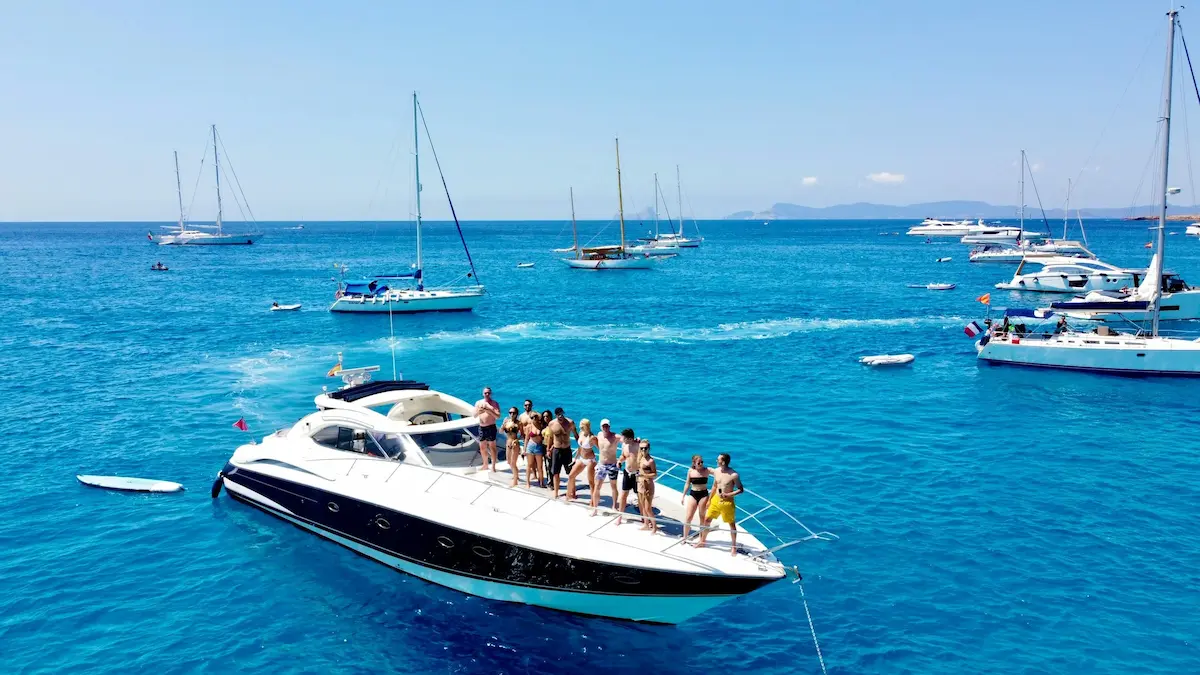
Becoming an exceptional yacht host on a peer-to-peer marine marketplace requires a careful balance of premium hospitality, mechanical diligence, and a safety-first mindset. When guests book a private boating experience, they are not just renting a vessel; they are investing in unforgettable memories on the water. A successful host stands out by offering responsive communication, maintaining a spotless and fully functional boat, and guiding guests through a reassuring boarding process. Whether you are an independent captain running chartered excursions or a boat owner listing your vessel for bareboat rentals, implementing professional hosting standards is key to securing glowing reviews, repeat bookings, and long-term listing success. WeBoating.com acts as a marketplace facilitator, connecting travelers with independent, third-party operators, meaning your reputation as a host is the ultimate driver of your business. If you are new to the platform, you can read our guest guide on what to expect from a crewed yacht charter to understand the guest perspective and align your hosting services with their expectations.
Key Takeaways
- Communication Vetting: Vetting renter experience early and communicating local harbor/wind constraints is the best way to prevent booking disputes and ensure safety.
- Safety Briefing Culture: Conduct a mandatory pre-departure safety briefing covering life jacket locations, fire extinguishers, VHF radio operations, and emergency engine cutoffs.
- Financial Transparency: Prevent surprise costs by clearly outlining variable charges like fuel, water refills, and local mooring/marina fees in your listing details.
⚓ Yacht Host Vitals
| Primary Host Focus | Required Safety Gear | Average Check-in Time | Marketplace Facilitator | Booking Window Peak |
|---|---|---|---|---|
| Guest Communication & Safety Checks | USCG Life Jackets, EPIRB, flares, fire extinguishers, first aid kit | 30–60 minutes (check-in & briefing) | WeBoating.com (independent third-party connection) | May to September (summer seasonal peak) |
Vessel Preparation: Setting the Stage for Success
First impressions on a yacht are visual and sensory. A spotless, clean, and mechanically reliable boat is the foundation of any great review. Before check-in, ensure the bilge is clean and dry, all heads (marine toilets) are fully operational and sanitized, and fresh water tanks are completely topped off. Provide high-quality linens, fresh towels, and a basic galley package (cooking essentials, basic spices, and clean cookware).
Additionally, create and laminate a simple “Vessel Operations Guide.” This guide should explain how to operate the marine head, how to manage the electrical panel (inverter/battery switches), how to run the generator, and who to contact in case of mechanical issues. Providing clear, visual, laminated instructions prevents renter user-error and saves you from late-night maintenance calls.
Safety First: The Mandatory Passenger Briefing
While charterers look forward to relaxation, a yacht host must prioritize passenger well-being above all else. Never allow a vessel to depart the dock without conducting a thorough, face-to-face safety briefing. The briefing must cover: the location and proper fit of all life jackets, the location of fire extinguishers, how to use the marine VHF radio in an emergency, how to deploy distress flares, and how to operate the emergency engine cutoff switch.
Disclaimer: Boating conditions, weather, and regulations change rapidly. Always cross-check with local authorities, official weather services, and paper charts before embarking.
Establish clear weather and wind guardrails in your rental agreement. For example, specify that the charter should remain in port if wind speeds exceed 25 knots or if local wave heights exceed a set limit. Vetting the skipper’s local pilotage experience and showing them the paper and digital charts for local hazards (such as shallow reefs or convergence currents) ensures they depart with confidence.
💰 Financial Logistics & Transparent Pricing
Unexpected costs at the end of a charter are the primary cause of negative reviews. To prevent dispute situations, maintain absolute transparency regarding all variable costs. Detail exactly how fuel usage is calculated (e.g., “Full-to-full” or “Calculated by engine hours at $15/hour”), who pays for local marina slip fees, and how water/sewage pump-out costs are handled. Outline these fees in your WeBoating listing description so they are clear before booking.
| Expense Type | Typical Cost / Rate | Who Pays? | Staged Settlement Method |
|---|---|---|---|
| Marketplace Base Rate | Set by owner per day/week | Renter (pre-paid on platform) | Disbursed via WeBoating.com |
| Fuel Usage | $4.50 – $6.50/gallon or hourly | Renter | Settled post-charter via fuel dock receipt |
| Marina & Mooring Fees | Varies by harbor ($30 – $200/night) | Renter | Paid directly to marina/port authority |
| Cleaning & Turnover Fee | $150 – $350 flat rate | Renter | Included in initial booking fee |
Guest Vetting & Communication Logistics
Great hosting begins long before the guests arrive at the marina. Use WeBoating’s secure messaging system to communicate with the renter early. Ask about their sailing resume, their planned itinerary, and their experience with vessels of similar displacement and sail plan. Vetting their experience helps you determine if the charter is a safe fit for a bareboat rental, or if you should recommend hiring a professional local skipper to ensure safety.
Provide helpful pre-trip advice. Recommend local cruising routes, coves with excellent bottom holding (sand or mud), and local port rules (such as the Hawaii DLNR 72-hour anchoring rule or Croatia’s concession buoys). Pointing out local waterfront restaurants (*konobas* or taverns) and advising them on local wind patterns (like the Bora or trade wind accelerations) shows that you are a local authority committed to their vacation success.
Glossary: Host Hub Terminology
Med-Mooring (Stern-to): A mooring method where the vessel backs up to the town quay, retrieving a lazy-line to secure the bow and tieing stern lines to the dock. Popular in Europe.
Concession Buoy: Mooring buoys operated by private entities in designated coves, charging a fee that typically includes trash pickup.
Marketplace Facilitator: WeBoating.com’s role in facilitating connections between charter guests and independent third-party boat owners/captains.
WeBoating.com is a marketplace connecting travelers with independent, third-party operators. WeBoating does not operate, manage, or own any charters or experiences.
Frequently Asked Questions About Yacht Hosting
WeBoating.com operates strictly as a marketplace facilitator, connecting renters with independent third-party yacht hosts. WeBoating does not own, manage, or operate any charter vessels.
Review their detailed sailing resume, ask about their experience skippering vessels of similar length and catamaran vs. monohull design, and verify if they hold government-mandated sailing and VHF licenses.
Brief guests on the location and proper fit of life jackets, location of fire extinguishers, operation of the marine VHF radio, distress flares, and emergency engine cutoff switch.
Clearly outline your fuel charging policy in the listing (e.g. full-to-full or calculated by engine hour). Ensure guests verify the fuel level during check-in and check-out to prevent disputes.
Yes. If a guest does not possess sufficient sailing experience or the required regional licenses (such as an ICC/VHF in Croatia), you can require them to add a professional USCG-licensed captain to the charter.
Conduct a detailed pre-charter and post-charter walkthrough checklist with the guest. Document the vessel condition with photos to ensure clear, transparent resolution of any claims.


