Croatia Yacht Charter Guide: Dalmatian Coast Sailing Itinerary & Skipper Tips

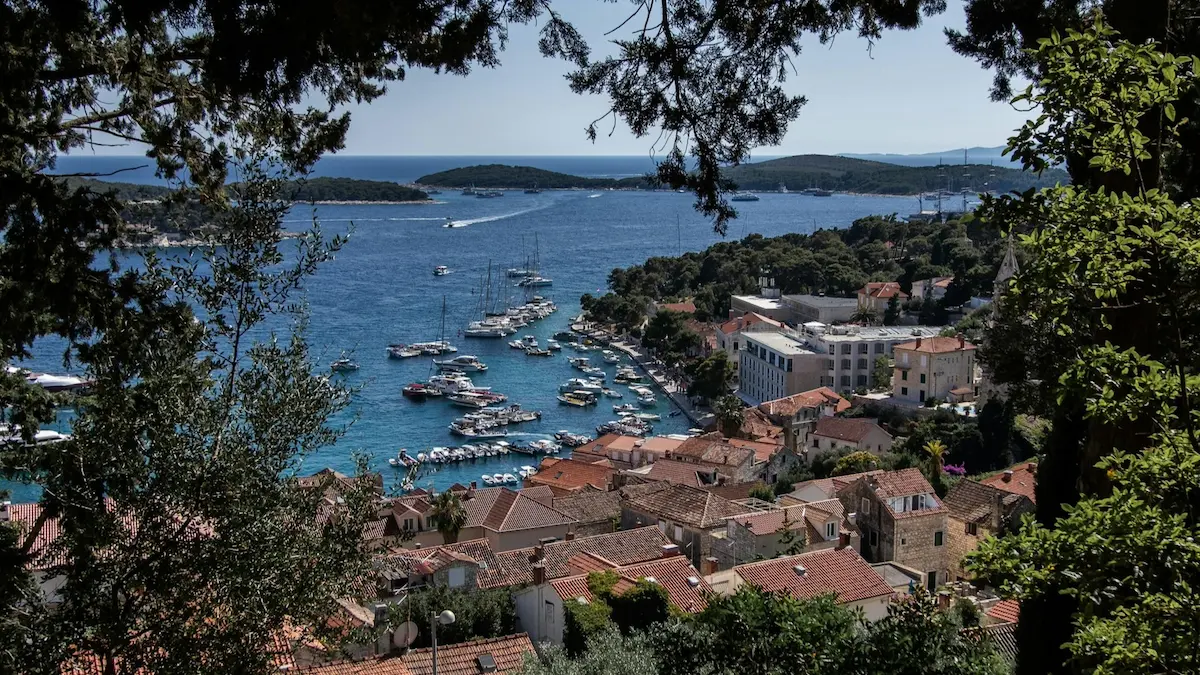
A Croatia yacht charter offers one of the most spectacular and highly developed island-hopping experiences in the world. Nestled in the crystal-clear waters of the Adriatic Sea, the Dalmatian Coast is home to over a thousand islands, historical medieval ports, and a world-class network of modern marinas. Boating here presents a perfect mix of short, scenic passages and historical shoreside exploration. However, navigating Croatia’s waters requires active pilotage, familiarity with local mooring buoy concession rules, and a respect for sudden mountain-driven weather changes. For travelers seeking a premium Mediterranean escape, chartering a private vessel—whether a spacious catamaran ideal for family comfort in shallow coves or a classic monohull built for spirited sailing—is the ultimate way to access the Dalmatian Coast. Weekly bareboat charters typically range from $3,000 to $8,000, while hiring a professional local captain adds roughly $1,500 to $2,500 per week, offering local navigation safety and shoreside recommendations. If you are new to yachting vacations, you can read our guide on what to expect from a crewed yacht charter to determine the best fit for your group, or explore our adjacent Maui yacht charter guide for a tropical comparison.
Key Takeaways
- Mandatory Credentials: Croatian maritime law strictly requires the skipper to hold both a recognized sailing license (e.g., ICC, RYA, SLC) and a valid VHF radio certificate.
- Premium Infrastructure: The state-run ACI Marina network offers exceptional facilities, power, water, and shelter every few miles along the Dalmatian Coast.
- Wind Watch Protocols: Sailors must remain vigilant of the Bora (Bura)—a cold, high-velocity katabatic wind that rushes down from the coastal mountains with little warning.
⚓ Croatia Cruising Vitals
| Best Cruising Months | Avg. Weekly Cost | Difficulty Level | Primary Winds & Currents | License Required? |
|---|---|---|---|---|
| May–October (July-August peak) | $3,000–$8,000 (bareboat) + $1,500–$2,500 (captain) | Beginner to Intermediate | Maestral NW trades (10-15 kts); Bora (NE katabatic) & Jugo (SE wet) | Yes (Sailing License + VHF Radio Certificate mandatory) |
Cruising Croatia: The Three Primary Sailing Sectors
The Dalmatian Coast is split into three distinct cruising regions, each offering a unique balance of nature, history, and sailing conditions.
1. Central Dalmatia (Split, Brač & Hvar)
Central Dalmatia is the heart of Croatia’s yacht charter industry, departing from hubs like Split, Trogir, and Kaštela. This sector features a high density of ancient Roman towns, legendary nightlife (especially Hvar Town), and famous anchorages like the Golden Horn (Zlatni Rat) on Brač. The water is exceptionally clear, and the passages between islands are relatively short (10–15 NM), offering excellent protection and beginner-friendly navigation. However, because of its popularity, anchorages and marinas in this zone are heavily crowded during July and August.
2. The Outer Islands (Vis & Biševo)
For sailors seeking a more raw and adventurous experience, heading to Vis and Biševo offers a taste of open-ocean sailing. Vis was closed to foreigners as a military base until 1989, preserving its authentic charm, dry scenery, and spectacular military tunnels. The surrounding waters are more exposed to open Adriatic winds and swells, requiring active weather monitoring. Biševo is famous for its Blue Cave (Modra Špilja), where sunlight reflects through an underwater opening to create a glowing blue light inside the cavern.
3. Southern Dalmatia (Korčula & Mljet)
Characterized by dense pine forests and quiet, deep bays, Southern Dalmatia is highly scenic and peaceful. Korčula Town is a fortified medieval city often called “Mini-Dubrovnik,” boasting rich stone architecture and local vineyards. Further south lies Mljet National Park, featuring two saltwater lakes and a 12th-century Benedictine monastery situated on a small islet. This zone is ideal for nature lovers seeking quiet anchorages, stern-to town quay mooring, and a slower pace.
A 7-Day Split-to-Split Dalmatian Coast Itinerary
This classic one-week sailing itinerary is designed as a loop starting and ending in Split, taking advantage of the afternoon Maestral breezes to hop between Brač, Hvar, Vis, and Korčula.
Disclaimer: Boating conditions, weather, and regulations change rapidly. Always cross-check with local authorities, official weather services, and paper charts before embarking.
Day 1: Split to Milna (Brač)
Sailing Distance: ~12 nautical miles
Check in at your Split charter base and set sail south across the Split Channel. Run through the narrow Splitska Vrata channel and slide into the deep, protected bay of Milna on Brač. Secure a berth at ACI Marina Milna or along the town quay (riva). Milna is highly protected from all wind directions, including the Bora, making it the perfect stress-free first stop to settle into the yacht.
Day 2: Milna to Pakleni Islands & Hvar Town
Sailing Distance: ~15 nautical miles
Sail south past Brač into the Hvar Channel. Enjoy a comfortable beam reach as the afternoon Maestral wind builds. Navigate toward the Pakleni Islands, a beautiful chain of pine-covered islets directly off Hvar. Drop anchor in the sandy bottom of Vinogradišće Bay (also known as South Bay) or secure a slip at ACI Marina Palmižana. Take the local water taxi to Hvar Town to tour the historical fortress and experience the local dining scene.
Day 3: Pakleni Islands to Vis Town
Sailing Distance: ~20 nautical miles
Set a southwesterly course across the Vis Channel, heading toward the outer island of Vis. This passage is open to the Adriatic, providing a spirited blue-water sail. Navigate into the large, semi-circular harbor of Vis Town. Moor along the Kut town quay or secure a mooring buoy in the center of the bay. Vis Town is famous for its historic stone houses, ancient Roman thermal baths, and local white wine, Vugava.
Day 4: Vis Town to Biševo Blue Cave to Komiža
Sailing Distance: ~15 nautical miles
Weigh anchor early and sail around the southern cliffs of Vis to the small island of Biševo. Pick up a day-use mooring buoy in Mezuporat Bay and board a local official dinghy to visit the Blue Cave. Sunlight entering the cave through an underwater opening illuminates the water in an iridescent blue. After your tour, sail back to the west coast of Vis and moor along the town quay of Komiža, a picturesque historic fishing village.
Day 5: Komiža to Vela Luka (Korčula)
Sailing Distance: ~30 nautical miles
Embark on a long, scenic sail eastward across the Lastovo Channel. Reef your sails early if a strong Jugo (SE) wind is blowing. Head into the deep, protected inlet of Vela Luka on the western end of Korčula. Secure a berth along the newly upgraded town quay. Vela Luka is a quiet, authentic town known for its olive oil production and the Vela Spila archaeological cave.
Day 6: Vela Luka to Korčula Town
Sailing Distance: ~30 nautical miles
Sail east through the scenic Korčula Channel, navigating between the mainland peninsula of Pelješac and the north shore of Korčula. The channel is a famous windsurfing area due to localized thermal wind funneling. Slide into ACI Marina Korčula, located directly adjacent to the medieval walled city. Explore the stone towers, fishbone street layout, and the birthplace of Marco Polo.
Day 7: Korčula Town back to Split
Sailing Distance: ~45 nautical miles
Wake up early for your longest sail of the week. Beat northwest back through the Hvar Channel toward Split. As the afternoon Maestral sea breeze fills in, enjoy a fast, close reach back into the Split harbor, concluding your yacht charter. Refuel at the fuel dock before docking at your charter base.
Ready to plan your Dalmatian Coast cruise? You can browse yacht charters on WeBoating.com to compare monohulls and catamarans, and add a professional local captain for your Croatia charter.
Adriatic Infrastructure: ACI Marinas & Town Quays
Croatia offers some of the finest boating infrastructure in the world. Yacht skippers generally choose between three types of staging options:
ACI Marinas: State-run network of 22 marinas. Facilities like ACI Marina Split, ACI Marina Palmižana, and ACI Marina Korčula provide lazy-line mooring, shore power, water, showers, laundry, and onsite restaurants. Booking slips in advance via the ACI App is highly recommended during summer.
Town Quays (Riva): Mooring directly along the waterfront promenade of historic towns like Vis, Komiža, or Milna. Slips include power, water, and lazy-lines (no anchoring needed). You will step off your stern directly onto the paved promenade. Fees are typically lower than ACI marinas, but slots are first-come, first-served.
Concession Mooring Buoys: Located in popular coves, these buoy fields are managed by private concessionaires. Slips are secure and fees typically include garbage collection. Ensure you obtain an official printed receipt upon payment, as government inspectors verify concessions.
🌪️ Weather Guardrails & Adriatic Winds
Sailing in the Adriatic is generally pleasant, but skippers must stay alert to three primary wind systems:
- The Bora (Bura): A cold, dry, NE katabatic wind that blows from the Dinaric Alps. It strikes suddenly, generating gale-force gusts (often 40-60 kts+) and short, steep waves. Warning sign: Look for a roll of white “cap” clouds sitting on the peaks of the mainland mountains. If the Bora is forecast, seek immediate shelter in a south-facing harbor or a secure marina.
- The Jugo (Sirocco): A warm, humid, SE wind blowing from the Sahara. It builds slowly over several days, bringing overcast skies, heavy rain, and large southerly swells. It turns north-facing anchorages into dangerous lee shores.
- The Maestral: A friendly NW summer sea breeze. It starts around noon, peaks at 10–15 knots in the afternoon, and dies away at sunset, providing perfect sailing conditions.
Local Rules, Mooring & Licensing Regulations
Croatian maritime authorities strictly enforce safety and environmental regulations along the coast:
– Mandatory Licenses: Bareboat skippers must hold a valid international certificate of competence (such as the ICC, RYA Day Skipper, or SLC) recognized by the Croatian Ministry. Crucially, a **VHF Radio operator license** is also legally mandatory on board.
– Sojourn Tax: Every guest on a charter vessel must pay a mandatory tourist tax (Sojourn Tax) based on the length of the vessel and duration of stay. This is typically collected by the charter company during check-in.
– Anchoring Restrictions: Anchoring is strictly prohibited within 150 meters of designated concession buoy fields or inside Marine Protected Areas (like Mljet National Park). Always anchor in clear sand patches; dragging an anchor through protected Neptune Grass (Posidonia) carries severe fines.
Glossary: Speak Like an Adriatic Skipper
Riva: The paved stone waterfront promenade in Croatian towns where yachts moor stern-to using lazy lines.
Konoba: A traditional, rustic Dalmatian tavern serving local dishes like fresh fish, octopus salad, and peka.
Lazy Line (Moring): A thick line attached to the seabed and dock. It is retrieved with a guide line and secured to the bow, eliminating the need to drop an anchor at the dock.
WeBoating.com is a marketplace connecting travelers with independent, third-party operators. WeBoating does not operate, manage, or own any charters or experiences.
Frequently Asked Questions About Croatia Yacht Charters
The prime charter season runs from May through October. July and August offer the warmest weather and consistent Maestral winds, while May, June, September, and October offer fewer crowds and lower charter fees.
To captain a bareboat charter, you must hold a valid, state-approved sailing license (such as the ICC, RYA Day Skipper, or SLC) and a valid VHF Radio operator certificate.
Yes. Croatian maritime law strictly mandates that at least one person on board the charter vessel must hold a valid VHF radio license (SRC) in addition to the skipper sailing license.
The Bora (Bura) is a sudden, violent, cold NE wind that blows from the mountains. Keep a close eye on the forecast, watch for white cap clouds on mountain peaks, and seek shelter in a protected harbor before it hits.
ACI Marinas are modern, fully equipped yacht harbors offering showers, laundry, power, water, and full protection. Town quays (rivas) allow you to moor directly along waterfront towns with basic utility hookups, putting you closer to local restaurants.
Free anchoring is allowed in open waters. However, inside national parks, nature reserves, and designated concession buoy fields, you must pay a fee. Concession buoy fees typically cover mooring and trash disposal.
The Jugo is a warm, wet southerly wind that brings humid air, rain, and large swells. Unlike the Bora, it builds slowly over several days, giving skippers plenty of time to find a secure north-facing harbor.
Croatia uses Mediterranean mooring (stern-to). You back the vessel toward the quay, pick up the submerged lazy line from the dock, lead it to the bow, and tighten it, while securing stern lines to the dock.
The Sojourn Tax is a mandatory tourist tax levied by the Croatian government. For charter guests, it is usually billed during check-in at the base, calculated on the boat size and charter length.
You can browse yacht charters on WeBoating.com to compare monohulls and catamarans across major Dalmatian bases like Split, Trogir, and Dubrovnik.