Oahu Yacht Charter Guide: Cruising Zones, Anchorages & Local Skipper Tips

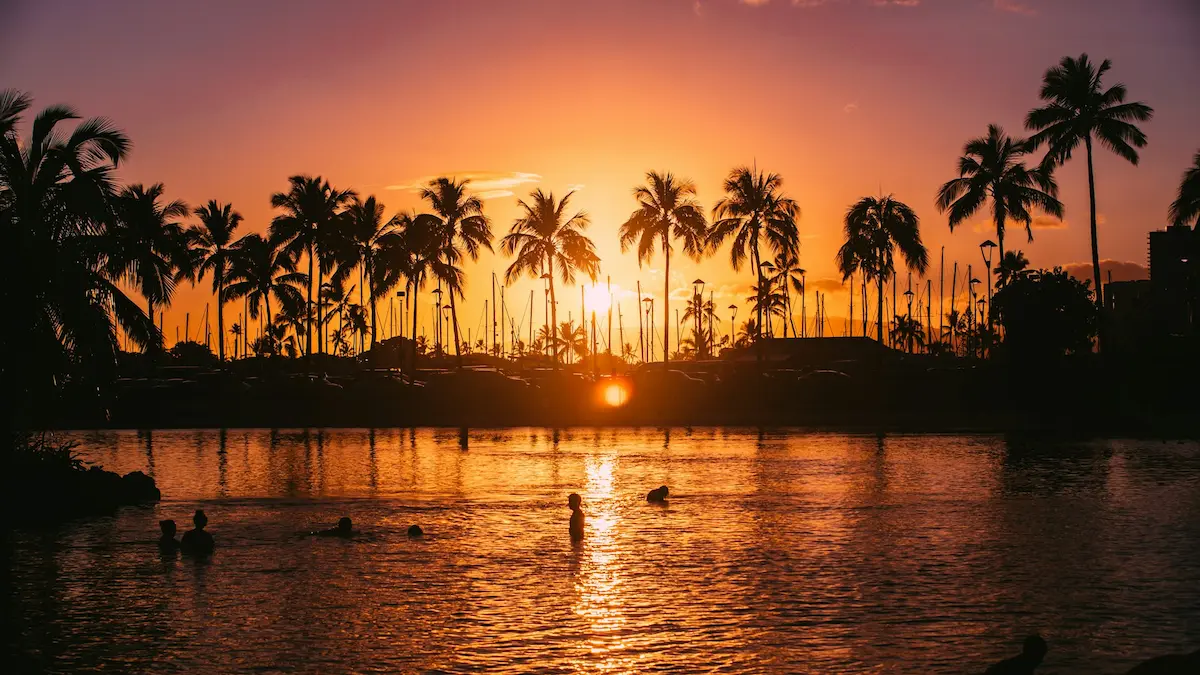
An Oahu yacht charter offers a dramatic sailing experience that transitions from the high-energy skyline of Waikīkī to the tranquil, dolphin-rich waters of the Leeward Coast and the reef-fringed sanctuary of Kāneʻohe Bay. Boating around Hawaii’s most populous island requires a respect for open-ocean swells and a solid understanding of the prevailing trade winds. For travelers seeking a premium tropical escape, chartering a private vessel—whether a stable catamaran for shallow bays or a classic monohull for spirited channel crossings—is the ultimate way to experience Oahu’s hidden coves and dramatic volcanic cliffs. Standard bareboat charters typically range from $4,000 to $9,500 per week, while hiring a local USCG-licensed captain adds roughly $1,500 to $2,500 per week, providing invaluable local knowledge and stress-free navigation through tricky reef channels. If you are new to private sailing vacations, you can read our guide on what to expect from a crewed yacht charter to choose the right option for your group.
Key Takeaways
- Diverse Coastlines: Sail the calm, sun-drenched Leeward Coast for marine life encounters, or navigate the challenging Windward reefs of Kāneʻohe Bay for secluded sandbar anchoring.
- Weather-Dependent Planning: Prevailing northeast trade winds dictate routes; summer offers the most consistent breeze, while winter requires careful planning for north swells and Kona winds.
- Licensing and Regulations: Hawaii DLNR requires a boater safety certificate for operating motorized vessels over 10 horsepower, making captained charters highly popular for visitors.
⚓ Oahu Cruising Vitals
| Best Cruising Months | Avg. Weekly Cost | Difficulty Level | Primary Winds & Currents | License Required? |
|---|---|---|---|---|
| May–September (Summer trades) | $4,000–$9,500 (bareboat) + $1,500–$2,500 (captain) | Intermediate to Advanced | NE Trades (10-20 knots); South swells in summer, North swells in winter | Yes (DLNR approved safety cert for engines >10hp) |
Cruising Oahu: The Three Primary Sailing Zones
Oahu is geographically diverse, and its surrounding waters are split into three distinct cruising sectors. Each offers a completely different climate, wave height, and sailing experience.
1. The South Shore (Waikīkī & Honolulu)
Most Oahu yacht charters depart from Kewalo Basin Harbor or the state-run Ala Wai Yacht Harbor, located right in the heart of Honolulu. The South Shore offers classic, postcard-perfect sailing with Diamond Head as a backdrop. Here, you will experience reliable, side-shore winds and moderate swells, making it ideal for day charters, sunset cruises, and Friday night fireworks sails. While the coastal waters are generally forgiving, stay clear of the shallow reef lines that run close to the Waikīkī surf breaks. Ala Wai Small Boat Harbor is the largest recreational boat harbor in Hawaii, though it is heavily occupied by local residents with long waiting lists. Kewalo Basin serves as the primary hub for commercial yacht charters and private rentals.
2. The Leeward Coast (Ko Olina & Waiʻanae)
Tucked behind the Waianae Mountain Range, the west/southwest coast of Oahu is the sunniest and driest part of the island. The mountains block the northeast trades, creating a calm, protected lee. This is the premier zone for spotting spinner dolphins, green sea turtles, and migrating humpback whales (from December through April). Cruising up to Makua Bay or Yokohama Bay offers dramatic views of red-dirt valleys meeting the deep blue Pacific. Depths drop off rapidly close to shore, so keep a close eye on your depth sounder when approaching anchorages. Ko Olina Marina is a luxury private facility capable of hosting deep-draft vessels up to 200 feet, providing guest slips and direct access to resort lagoons.
3. The Windward Coast (Kāneʻohe Bay)
Kāneʻohe Bay is a massive, reef-fringed lagoon on the northeast side of the island. It is the only location in Hawaii with a significant barrier reef system, providing a highly protected cruising ground once inside. However, getting there from the South Shore requires a sporty sail around Makapuʻu Point into the teeth of the trade winds. Inside the bay, navigation is technical; you must carefully follow the green and red channel markers to avoid numerous patch reefs and coral heads. Heʻeia Kea Small Boat Harbor is the only harbor in the bay offering fuel, supplies, and a public launch ramp, making it a critical staging ground for Windward cruising.
Advanced Cruising: Channel Crossings to Molokai & Kauai
For experienced sailors seeking a true blue-water challenge, Oahu serves as the gateway to Hawaii’s outer islands. However, channel crossings in Hawaii are not for the faint of heart. The Kaʻiwi Channel (separating Oahu and Molokai) spans 26 nautical miles of open ocean. Known locally as the “Channel of Bones,” it is notorious for strong wind-funneling effects and steep, unpredictable swells that easily reach 10–15 feet. To the northwest, the Kaʻieʻie Waho Channel separates Oahu from Kauai, spanning 72 nautical miles of open Pacific. Standard bareboat charter agreements strictly prohibit channel crossings without a professional captain and specialized offshore vessels, as these channels represent some of the most demanding offshore conditions in the world.
A 7-Day Oahu Yacht Charter Circumnavigation Itinerary
This comprehensive, week-long sailing itinerary is designed for a complete loop around Oahu, taking advantage of the summer trade winds to experience both the calm Leeward lee and the rugged Windward beauty.
Disclaimer: Boating conditions, weather, and regulations change rapidly. Always cross-check with local authorities, official weather services, and paper charts before embarking.
Day 1: Kewalo Basin to Waikīkī Anchorage
Sailing Distance: ~3 nautical miles
Depart Kewalo Basin in the afternoon and set sail east toward Diamond Head. Enjoy a broad reach across Mamala Bay, then head back to anchor off Waikīkī Beach in 15–20 feet of water over a clean sandy bottom. The anchorage provides spectacular views of the Honolulu skyline at night, but be prepared for a gentle, rolling swell that wraps around the reef.
Day 2: South Shore to Ko Olina Marina
Sailing Distance: ~18 nautical miles
Wake up early and head west. As you round Barber’s Point, the wind will shift from side-shore trades to a light offshore breeze. Cruise along the developing Leeward Coast and pull into Ko Olina Marina by early afternoon. This luxury private marina offers world-class slips, pump-out stations, and access to the adjacent resort lagoons. Reserve your guest slip well in advance.
Day 3: Ko Olina to Mākua Bay & Pōkaʻi Bay
Sailing Distance: ~12 nautical miles
Sail north along the Waianae Coast. Drop anchor in Makua Bay (sand bottom, 25 feet) for lunch and snorkeling. Keep an eye out for resident spinner dolphins. Since Makua is exposed to ocean swells, head back south for the evening and anchor in Pōkaʻi Bay. Protected by a large breakwater, Pōkaʻi Bay is the most secure and flat overnight anchorage on the Leeward side.
Day 4: Pōkaʻi Bay to Haleʻiwa Small Boat Harbor
Sailing Distance: ~22 nautical miles
Rounding Kaʻena Point, the westernmost tip of Oahu, requires extreme caution. South and north swells converge here, creating strong currents (1-2 knots) and rough seas. In summer mornings, the conditions are typically manageable. Once rounded, cruise along the North Shore into Haleʻiwa Small Boat Harbor. Explore the historic surf town and secure a temporary berth.
Day 5: Haleʻiwa to Kāneʻohe Bay
Sailing Distance: ~32 nautical miles
Embark on a scenic sail past Waimea Bay and Kahuku Point, rounding the northern end of the island. Sail down the Windward Coast to Kāneʻohe Bay. Enter the bay through the Ship Channel or the Sampan Channel, paying close attention to markers. Drop anchor in the deep water behind the barrier reef for a highly protected overnight stay.
Day 6: Kāneʻohe Bay & Kāneʻohe Sandbar
Sailing Distance: ~5 nautical miles
Spend the day exploring Kāneʻohe Bay. Anchor near the Kāneʻohe Sandbar (Ahu o Laka) in 3–5 feet of water over clear white sand. Enjoy paddleboarding and snorkeling in the shallow, turquoise waters. For fuel or water, dock at Heʻeia Kea Small Boat Harbor, then head back to a quiet anchorage near Coconut Island for the evening.
Day 7: Kāneʻohe Bay to Kewalo Basin
Sailing Distance: ~28 nautical miles
Prepare for a spirited beat into the trade winds. Sail south-southeast past Makapuʻu Point and the dramatic cliffs of East Oahu. Once you clear Hanauma Bay and round Diamond Head, you’ll enjoy a comfortable downwind run back into Mamala Bay, concluding your charter at Kewalo Basin.
Interested in exploring these waters? You can browse Oahu yacht charters on WeBoating.com to find the perfect vessel and captain for your Hawaiian cruise.
Oahu Small Boat Harbors & Marinas: Slips & Staging
Berthing options on Oahu range from state-run small boat harbors to luxury private resort marinas. Understanding your staging options is key to a smooth cruise:
Kewalo Basin Harbor: Located in Honolulu, managed privately by Howard Hughes Corp. Primary hub for yacht charters, catamarans, and sports fishing. Depths up to 15-20 feet, accommodates vessels up to 100+ feet.
Ala Wai Yacht Harbor: State-run by DLNR DOBOR. Largest recreational harbor in Hawaii, situated between Waikiki and Ala Moana. Primarily residential, but offers temporary transiting slips (up to 120 days). Warning: Ala Wai channel can experience shallowing due to shoaling; check local notices to mariners.
Ko Olina Marina: Private luxury marina in West Oahu. 342 slips, accommodates yachts up to 200 feet. Direct access to luxury resorts (Four Seasons, Aulani). High-speed fueling and excellent pump-out services.
Heʻeia Kea Small Boat Harbor: Located on the Windward Coast in Kāneʻohe Bay. State-run. The only harbor on the Windward side with a fuel dock, sewage pump-out, and public launch ramp. Highly technical reef channel access.
Haleʻiwa Small Boat Harbor: Located on the North Shore. State-run. Offers limited slips. Very exposed to massive winter swells (November-March); anchoring or berthing here is generally restricted to the summer months.
🌪️ Regional Weather Guardrails & Wind Systems
To ensure a safe charter, captains must monitor two primary wind systems and Hawaii’s seasonal weather shifts:
- Northeast Trade Winds: Blowing 10–20 knots ENE, these winds are most reliable from May to September. They funnel through the channels between Oahu, Molokai, and Kauai, creating accelerated wind zones (often 5–10 knots stronger than forecast) and steep seas.
- Kona Winds: Occurring primarily in winter, Kona winds blow from the south or southwest. They suppress the trade winds and bring humid, stormy conditions, heavy rains, and lightning risks. Kona winds also make normally protected Leeward anchorages (like Pōkaʻi Bay and Makua Bay) dangerous lee shores.
- Hurricane Season: The Central Pacific hurricane season runs from June 1 to November 30, with peak storm activity in August and September. While direct hits are rare, tropical depressions can bring high surf and torrential rain, requiring a flexible itinerary.
Local Rules, Mooring & Anchoring Regulations
Hawaii’s marine ecosystems are heavily protected, and the Department of Land and Natural Resources (DLNR) DOBOR division strictly enforces mooring and anchoring rules:
– The 72-Hour Anchoring Rule: You may anchor a recreational vessel in state ocean waters for up to 72 hours without a permit, provided you are in a designated area and not anchoring on coral reefs. For stays longer than 72 hours, you must obtain a formal offshore mooring permit from DLNR.
– Prohibited Zones: Anchoring is strictly prohibited in Marine Life Conservation Districts (MLCDs), shipping channels, and directly off certain beaches like Hanauma Bay and parts of Waikīkī Beach. Stiff fines are issued for anchors dragging across or damaging live coral reefs—always drop anchor in clear sand patches.
– Day-Use Mooring Buoys: Public day-use mooring buoys are placed near popular dive and snorkel reefs to prevent anchor damage. These are free, first-come, first-served, and have a 2.5-hour time limit. Overnight stays on these buoys are strictly prohibited.
Glossary: Speak Like a Hawaii Skipper
Mauka: Toward the mountains. A local directional term used frequently in Hawaii instead of compass directions.
Makai: Toward the ocean. Used by local skippers when directing crew or navigating coastal waters.
Kona: Leeward or southerly wind. Refers to the storm winds that blow opposite the prevailing trade winds.
WeBoating.com is a marketplace connecting travelers with independent, third-party operators. WeBoating does not operate, manage, or own any charters or experiences.
Frequently Asked Questions About Oahu Yacht Charters
The prime season runs from May through September when northeast trade winds are most consistent. Winter brings large swells, especially on the North Shore, and Kona winds that can make anchorages rough.
Hawaii DLNR DOBOR requires a NASBLA-approved boating safety education certificate for anyone operating a motorized vessel or sailboat with an auxiliary motor over 10 horsepower.
You can anchor for up to 72 hours in state waters without a permit in non-restricted areas. Pokai Bay on the Leeward coast is the most secure overnight anchorage.
Yes, anchoring is allowed on the sandbar (Ahu o Laka) in Kaneohe Bay. Use caution when navigating the shallow, coral-strewn channels and anchor in sand to protect the reef.
The Leeward Coast (west/southwest) is shielded by mountains, offering calm seas and dry weather. The Windward Coast (east/northeast) faces the trade winds, offering spirited sailing but rougher open-ocean swells.
You can browse Oahu yacht charters on WeBoating.com to compare catamarans, motor yachts, and sailboats, and add a professional captain for a custom itinerary.
The Kaiwi Channel (Channel of Bones) separates Oahu and Molokai, spanning 26 nautical miles. It features heavy swells and strong wind-funneling. Charter agreements typically forbid bareboats from crossing it; a captain is required.
Anchoring in state waters is free for up to 72 hours, provided you anchor in non-restricted zones and not on coral. Stays exceeding 72 hours require an offshore mooring permit from Hawaii DLNR DOBOR.
Kaʻena Point is the westernmost tip of Oahu and requires extreme caution. It is an open-ocean convergence zone where south/west swells meet north swells, producing strong currents (1-2 knots) and rough, choppy seas. Sailing around it is best done in the summer morning when trades are lighter.
Yes, bareboat charters are available for qualified sailors holding a DLNR-approved safety certificate and demonstrating significant blue-water experience. However, due to challenging channel crossings, shifting winds, and shallow reefs in Kāneʻohe Bay, captained charters are highly recommended.