
Sailor Shinde

In 2026, Indian-born Canadian solo offshore skipper Gaurav Shinde documents the purist seamanship and technical preparation required for solo non-stop circumnavigation aboard Good Hope, his 1980 Robert H. Perry designed Baba 35 cutter. A veteran of the Clipper Round the World Yacht Race and an Indian national offshore champion, Shinde undertook an extensive structural refit of his heavy-displacement double-ender in Toronto, Lake Ontario, removing teak decks, converting to tiller steering, and sealing systems for the retro Golden Globe Race. After suffering severe shoulder dislocations during his 2022 transit in New York waters that forced a disciplined medical retirement, Shinde maintains Good Hope on the hard in New Jersey while undergoing orthopedic rehabilitation and engineering his long-term solo ocean racing return.
Channel Information:
Social Media Links:
Sailor Shinde Latest Episode
Sailor Shinde documents the technical campaign of Indian-born Canadian solo offshore skipper Gaurav Shinde as he prepares Good Hope, a classic 1980 Robert H. Perry designed Baba 35 double-ender cutter, for solo non-stop circumnavigation in the Golden Globe Race. Navigating without GPS, electronic chartplotters, or satellite weather routing, the channel explores the austere realities of traditional seamanship, purist celestial navigation, and the extensive structural modifications required to transform a forty-year-old cruising yacht into an ocean racing survival platform.
Key Takeaways
- Purist Golden Globe Race Seamanship: Gaurav Shinde embraces retro navigation guidelines, operating without GPS, satellite comms, or electronic autopilots, relying entirely on celestial sight reduction via sextant, paper charts, and mechanical windvane self-steering.
- Robert H. Perry Baba 35 Platform: Sailing Good Hope (Hull #42), a 21,500-pound full-keel double-ender built by Ta Shing Yacht Building, the channel details an exhaustive DIY refit including full teak deck removal, fiberglass coring reconstruction, and conversion from wheel to tiller steering.
- Disciplined Risk Management in Crisis: After suffering three severe shoulder dislocations in two weeks during his 2022 transit to the Atlantic, Shinde demonstrated pragmatic offshore seamanship by retiring to protect life and vessel, hauling Good Hope in New Jersey to prepare for future solo ocean racing.
⚓ Quick Specs & Channel Vitals
| Metric | Detail |
|---|---|
| Channel Name | Sailor Shinde |
| Primary Skipper | Gaurav Shinde |
| Flagship Vessel | Good Hope (Flying Dutchman / Baba 35 Hull #42) |
| Yacht Model & Era | Baba 35 (1980 Double-Ender Heavy Displacement Cutter) |
| Naval Architect | Robert H. Perry |
| Builder / Shipyard | Ta Shing Yacht Building Co., Ltd. (Tainan, Taiwan) |
| Home Waters / Flag | Canada (CA Flagged) / Staged in Lake Ontario & New Jersey |
| Cruising Style | Solo Non-Stop Ocean Racing, Purist Celestial Navigation, Heavy Weather Seamanship |
| Major Expedition | Golden Globe Race Campaign & Lake Ontario to New York Canal Transit |
| Audience & Catalog | 858+ Subscribers | 50K+ Views | 21 WeBoating Indexed Episodes |
| Technical Focus | Teak Deck Removal, Fiberglass Core Rebuilding, Tiller Conversion, Cockpit Scupper Enlargement, Windvane Steering |
| Digital Portal | YouTube: @SailorShinde | Official: gauravshinde.com |
Meet the Crew and the Fleet
The Sailors Behind the Helm
Gaurav Shinde (Solo Offshore Skipper)
Gaurav Shinde brings a blend of competitive offshore racing experience, disciplined corporate management, and traditional maritime seamanship to the helm of Good Hope. Unlike lifestyle cruisers who meander through tropical anchorages, Shinde's focus has always been targeted on high-latitude ocean racing, physical stamina, and extreme solo self-reliance. His on-camera presence is analytical, modest, and transparent, breaking down technical yacht modifications, budgeting realities, and physical trauma without decorative influencer dramatization.
- Primary Expertise: Solo offshore navigation, celestial sight reduction, yacht structural reconstruction, heavy weather tactics, risk analysis.
- Certifications: RYA Yachtmaster Offshore, World Sailing Personal Survival (Safety at Sea), Offshore First Aid, Master of Business Administration (MBA).
- On-Camera Style: Technical, matter-of-fact, calm engineering demonstrations, candid project management commentary.
Origin Story & Life Before Sailing
Gaurav grew up in Mumbai, India, surrounded by the Arabian Sea and a region steeped in maritime history. His early interest in the sea was sparked by Mumbai's unique ocean heritage: it was on the historic slipways of Colaba in Mumbai where Sir Robin Knox-Johnston's legendary 32-foot ketch Suhaili was constructed prior to winning the original 1968 Sunday Times Golden Globe Race. At age eleven, Gaurav enrolled in the Sea Cadet Corps on Training Ship Jawahar in Mumbai, earning one of twelve coveted berths from an applicant pool of more than five hundred youth. This intensive voluntary training grounded him in naval discipline, boat handling, and fleet seamanship, setting the foundation for his offshore career.
Professional & Technical Background
Gaurav completed his undergraduate studies at St. Xavier's College in Mumbai before pursuing higher education in Canada. He earned his Master of Business Administration (MBA) from the Richard Ivey School of Business at Western University in London, Ontario, becoming the first member of his family to study abroad. Professionally, Shinde spent four years working at Google, developing expertise in large-scale operations, digital systems, and project management. He transitioned this technical background into independent management consulting and corporate keynote speaking, where he delivers executive workshops analyzing high-stakes decision-making, crisis resilience, and strategic endurance under extreme environmental uncertainty.
Maritime Experience & Seamanship
Before undertaking his Golden Globe Race campaign, Shinde established an elite competitive sailing record in Asia and internationally. He won consecutive Indian National Offshore Sailing Championships and in 2013 was awarded the prestigious Admiral Ramdas Trophy by the Yachting Association of India—the first civilian skipper in Indian history to receive the honor. Seeking global ocean racing experience, Gaurav entered the 2013–2014 Clipper Round the World Yacht Race as the first Indian participant in the event's history. Sailing aboard CV23 Mission Performance, he crossed the formidable North Pacific Ocean from Qingdao, China, to San Francisco, navigating freezing gales, massive following seas, and continuous watchstanding under extreme physical stress.
His seamanship philosophy centers on extreme self-reliance and pre-passage structural preparation. Shinde approaches offshore safety with a cold assessment of probability: recognizing that emergency assistance in the Southern Ocean is days or weeks away, every system aboard must either be simple enough to rebuild with hand tools or durable enough to withstand complete pitchpoling and knockdowns. Source: Gaurav Shinde Race Briefing.
Specialized Competencies & Onboard Roles
As a single-handed ocean skipper, Gaurav assumes every operational role aboard Good Hope. He acts as chief rigger, marine diesel mechanic, ship's carpenter, medical officer, and navigator. His medical qualifications include offshore trauma management, wilderness first aid, and self-administered orthopedic care. His technical focus on Good Hope prioritized removing failure-prone complex systems: stripping pressurized freshwater pumps in favor of Whale manual foot pumps, removing electronic chartplotters to master the sextant, and replacing hydraulic steering with direct mechanical tiller linkages. Gaurav is multilingual, speaking fluent English, Hindi, and Marathi.
Personal Nuances & Maritime Lore
Shinde named his vessel Good Hope after the Cape of Good Hope, the legendary Southern Ocean cape off South Africa that serves as one of the major gates in the Golden Globe Race. The vessel carries Hull #42—a number Gaurav highlights with humor from Douglas Adams' The Hitchhiker's Guide to the Galaxy as the ultimate answer to life, the universe, and everything. In 2022, when Gaurav prepared to cross the starting line, the vessel was precisely 42 years old. Aboard Good Hope rests a hand-carved 'flying frog demon chaser' talisman from Bali, mounted inside the cabin by the yacht's original owner in 1980 and meticulously preserved by Gaurav as a protective guardian through decades of ocean voyaging.
| Platform | Handle / URL |
|---|---|
| Personal Website | gauravshinde.com |
| Official YouTube | @SailorShinde |
| facebook.com/gauravshindesailing | |
| @gauravshindeoceanracing | |
| WeBoating Directory | Sailor Shinde Profile |
The Shore Support & Global Community
While single-handed offshore sailing is solitary, refitting an offshore racing vessel demands dedicated community backing. Gaurav's campaign was supported by former owners Todd and Judith, who lived aboard Good Hope for twelve years before passing the torch to Shinde in New Jersey. In Toronto, local Canadian sailors, friends, and club members assisted during freezing sub-zero yard sessions, helping strip hundreds of pounds of degraded teak and hauling heavy marine hardware. Online followers and supporters across Canada, India, and the international Golden Globe community provided essential encouragement and grassroots funding to advance the campaign.
⛵ Professional Fleet Forensics
Good Hope (1980 Baba 35 Double-Ender Cutter)
When selecting a yacht for the retro Golden Globe Race, skippers are bound by stringent race rules: vessels must be production fiberglass monohulls designed prior to 1988, measuring between 32 and 36 feet in overall length, with a full keel, encapsulated ballast, and a minimum displacement of 13,600 pounds. After inspecting Cape Dory, Westsail, and Tashiba models across the United States East Coast, Gaurav acquired Good Hope, a 1980 Baba 35 cutter designed by renowned naval architect Robert H. Perry and built by Ta Shing Yacht Building in Tainan, Taiwan. In his comprehensive Flying Dutchman/Baba 35 Hull No #42 Good Hope – Gaurav Shinde's Golden Globe Race Boat Video Tour, Shinde walks through the yacht's structural layup, deep bilge, and classic double-ended canoe stern.
The Baba 35 is widely recognized by naval architects as one of the finest heavy-displacement bluewater cruising cutters ever constructed. Built by the craftsmen at Ta Shing, the hull is formed from heavy hand-laid solid fiberglass laminate without core below the waterline. Its full keel incorporates 8,000 pounds of encapsulated ballast, protecting the rudder and propeller in grounded conditions or debris collisions. The canoe stern separates following seas in gale conditions, preventing wave breaking across the quarter and providing exceptional tracking stability under self-steering windvanes.
| Vessel Metric | Specification |
|---|---|
| Designer / Naval Architect | Robert H. Perry |
| Builder / Shipyard | Ta Shing Yacht Building Co., Ltd. (Taiwan) |
| Model / Designation | Baba 35 (Flying Dutchman 35, Hull #42) |
| Year Built | 1980 |
| Hull Material | Solid Hand-Laid GRP Laminate |
| Length Overall (LOA) | 34 ft 10 in (10.62 m) / ~39 ft sparred with bowsprit |
| Length on Waterline (LWL) | 29 ft 8 in (9.04 m) |
| Beam | 11 ft 2 in (3.40 m) |
| Draft | 5 ft 6 in (1.68 m) |
| Displacement | 21,500 lbs (9,752 kg) |
| Ballast | 8,000 lbs (3,629 kg) Encapsulated Iron/Lead |
| Ballast Ratio | 37.2% |
| Rig Configuration | Masthead Cutter with Inner Staysail |
| Steering System | Converted Heavy-Duty Tiller Linkage & Windvane |
| Auxiliary Engine | Inboard Marine Diesel (Repowered from electric drive) |
| Freshwater Capacity | 100 Gallons (378 Liters) in Baffled Tanks |
| Campaign Status | Secured on the Hard in New Jersey (Preserved for Future Racing) |
🛠️ The Gear Locker: Systems & Crucial Hardware
To prepare Good Hope for the merciless conditions of the Southern Ocean, Gaurav performed surgical updates across the vessel's primary systems, systematically eliminating modern electrical dependencies in favor of mechanical survivability.
| System Domain | Hardware Specification | Technical Role & Operational Rationale | Passage Status |
|---|---|---|---|
| Ground Tackle | 45 lb Primary Anchor, High-Tensile All-Chain Rode, Secondary Fortress Danforth | Oversized for hurricane-force blowouts in open roadsteads. | Secured in forward chain locker |
| Sail Inventory | Heavy Dacron Mainsail with 3 Deep Reefs, Furling Yankee, Hanked Staysail, Storm Jib, Trysail | Triple-stitched offshore cloth designed to endure 50-knot Southern Ocean squalls. | Dedicated inner forestay |
| Self-Steering | Servo-Pendulum Mechanical Windvane linked directly to Tiller | Requires 0 watts of electrical power; steers continuously via apparent wind. | Essential for solo race survival |
| Hull Bottom | Peeled Gelcoat & Multi-Coat Coppercoat Epoxy Antifouling | Eliminates barnacle fouling across multi-year immersion without haulouts. | Documented in refit episodes |
| Companionway & Hatches | Reinforced Custom Watertight Hatches & Upgraded Forward Hatch | Replaced decorative teak butterfly hatch with bulletproof offshore flush hatch. | Prevent catastrophic cabin flooding |
| Plumbing & Drainage | Enlarged Cockpit Scupper Drains & Manual Whale Pumps | Cockpit drains expanded to evacuate boarding seas instantly in heavy following waves. | Stripped electric pumps |
📊 Vessel Systems Health Scorecard
Evaluating Good Hope under modern cruising criteria requires understanding the strict regulatory framework of the Golden Globe Race. Systems that appear minimalist under standard yachting metrics represent intentional, highly engineered compliance with retro racing rules:
| System Domain | Rating | Core Configuration & Autonomy Notes |
|---|---|---|
| ⚡ Energy Autonomy | 6 / 10 | GGR rules prohibit massive lithium banks and large solar arrays. Powered by a heavy marine diesel alternator with modest AGM house batteries and small solar maintainer panels. Mechanical windvane draws 0 amps. |
| 🛡️ Structural Integrity | 9 / 10 | Heavy solid Ta Shing fiberglass layup, fully encapsulated ballast keel, structural bulkheads glassed directly to hull. Teak decks removed and fiberglass recored, eliminating core rot and leaks. |
| 📡 Communication Grade | 4 / 10 | Deliberately restricted by race guidelines: no satellite phones, no Starlink, no GPS. Sealed emergency satellite tracking beacon and HF single sideband radio for mandatory race safety. |
| 💧 Water Independence | 7 / 10 | Reverse-osmosis watermakers are banned under GGR rules. 100 gallons baffled freshwater tankage supplemented by deck rainwater catchment systems and manual foot pumps. |
Engineering Narrative: Teak Removal & Tiller Conversion
Two specific structural modifications highlight Shinde's rigorous approach to ocean racing prep: deck reconstruction and steering redesign. Like many Taiwanese yachts built in the 1980s, the Baba 35 was originally manufactured with teak decks screwed directly through the exterior fiberglass skin into an end-grain balsa core. Over forty years, caulking shrinkage and loosened screw fasteners allow moisture to seep into the core, creating structural delamination and soft spots. In episodes like 4 Guys 1 Dog and lots of Teak deck removal on a Baba 35 and The Bowsprit has a lot of fight | Teak Deck Repair Part 2 | Baba 35 | Golden Globe Race Refit, Shinde documented the grueling physical labor of peeling thousands of feet of teak planks, routing out damaged core, filling voids with epoxy, and glassing over the subdeck with heavy biaxial cloth and non-skid polyurethane.
Equally vital was his decision to dismantle the wheel pedestal steering and install a laminated hardwood tiller directly onto the rudder stock. Steering pedestals rely on wire ropes, quadrant sheaves, and bearings that introduce catastrophic points of mechanical failure in high-load ocean conditions. A tiller provides instantaneous hydrodynamic feedback from the rudder, allows effortless coupling to servo-pendulum windvanes, and clears valuable cockpit space when anchored or hove-to. Source: Sailor Shinde Refit Series.
Voyages, Destinations, and Local Waters
📍 Top Routes and Expeditions
Shinde's offshore track encompasses diverse, challenging sailing environments. From navigating the treacherous winter squalls of the North Pacific during the Clipper Race to piloting the narrow, lock-restricted waters of the New York State Canal System, each passage demanded precise seamanship.
⏳ Voyage Milestone Timeline
The multi-year sailing and refit milestones documented across the channel include:
- September 2014 – Clipper Race Pacific Crossing: Completed grueling ocean legs aboard CV23 Mission Performance from Brisbane to Singapore and across the North Pacific (Brisbane to Singapore on Mission Performance).
- September 2019 – Vessel Acquisition & Survey: Located Baba 35 Hull #42 in New Jersey, completing a comprehensive structural survey and securing the yacht for GGR entry (Flying Dutchman/Baba 35 Hull No #42 Good Hope – Gaurav Shinde's Golden Globe Race Boat Video Tour).
- October 2020 – Golden Globe Race Official Entry: Publicly announced his candidacy representing Canada in the 2022 Golden Globe Race (Gaurav Shinde in the Golden Globe Race 2022).
- February 2021 – Auxiliary Repowering: Completed mechanical installation and initial sea trials of the new inboard marine diesel engine in Toronto (First run of the engine).
- March 2021 – The Teak Deck Stripping Blitz: Organized community yard days to strip Good Hope's degraded teak decking down to bare fiberglass (4 Guys 1 Dog and lots of Teak deck removal on a Baba 35).
- March 2021 – Bowsprit Refit & Subdeck Repair: Rebuilt structural bowsprit fittings and recored delaminated fiberglass deck sections (The Bowsprit has a lot of fight | Teak Deck Repair Part 2 | Baba 35 | Golden Globe Race Refit).
- January 2022 – Master Refit Blueprint & Campaign Cost Breakdown: Released comprehensive campaign planning and transparent financial breakdowns (1. Good Hope- Golden Globe Race- Refit Plans for Sailing Round The World and 2. How much does it cost to race round the world in the Golden Globe Race).
- February 2022 – Forward Hatch, Scuppers & Plumbing: Enlarged cockpit drainage scuppers for Southern Ocean boarding seas and stripped domestic freshwater plumbing (3. Baba 35 GGR refit progress, forward hatch, cockpit drains & removing old plumbing and 4. Cockpit teak clean up and final parts of old freshwater plumbing removal).
- Summer 2022 – Lake Ontario to New York Canal Transit: Piloted Good Hope through the Oswego Canal, Erie Canal, and down the Hudson River toward New York Harbor.
- August 2022 – Shoulder Dislocation & Race Retirement: Suffered three severe shoulder dislocations in two weeks while staging for the transatlantic crossing in New Jersey, forcing an emergency medical withdrawal from GGR 2022.
- November 2022 – Winterization & Medical Evaluation in Mumbai: Hauled and winterized Good Hope in New Jersey before flying to Mumbai, India, for orthopedic scans and surgery consultation (Visiting my boat months after retiring from Golden Globe Race and shoulder injury and What's happening with GGR and am I sailing GGR 2026? My first trip to India in 5 years!).
- September 2025 – Long-Term Strategic Recovery: Maintained operational readiness and strategic alignment for future solo circumnavigations (September 7, 2025).
Navigating Lake Ontario, the Erie Canal, and the Southern Ocean
Shinde's voyage preparation crossed three drastically different maritime operating environments. On Lake Ontario, winter refit conditions drop to -25°C (-13°F), locking harbors in ice and creating severe constraints on epoxy curing, yard logistics, and physical labor. To transit from Lake Ontario to the Atlantic, Good Hope had to drop her mast and transit the New York State Canal System via the Oswego and Erie Canals down to the Hudson River. This route requires navigating dozens of locks, managing bridge clearances, and handling heavy commercial wake in confined channels.
Beyond the coastal canals lies the ultimate proving ground: the Southern Ocean. Racing between 40°S and 50°S latitude involves contending with the Roaring Forties, where unobstructed low-pressure systems generate 40-to-60 knot gales and monstrous breaking swells exceeding 30 feet. In these latitudes, wave action regularly submerges cockpit wells, necessitating Shinde's custom oversized scuppers to dump tons of water overboard in seconds rather than allowing downflooding into the cabin.
Overcoming Adversity: The Physical Reality of Solo Ocean Racing
Solo offshore racing is an unforgiving test of human physiology. In August 2022, as Gaurav was preparing for the 3,000-nautical-mile solo transatlantic qualifying passage from New York to France, his shoulder suffered a traumatic dislocation. Over the following fourteen days, the joint dislocated twice more under routine boat handling loads. Facing the reality of navigating the North Atlantic and Southern Ocean single-handed with an unstable shoulder joint that could dislocate during sail changes or heavy weather emergencies, Shinde made the agonizing but correct command decision to retire from the 2022 race.
In Visiting my boat months after retiring from Golden Globe Race and shoulder injury, Gaurav showed that true seamanship requires putting safety and vessel preservation above ego. Rather than becoming a rescue liability in mid-ocean, he hauled Good Hope out in New Jersey, applied winterizing antifreeze, and pursued orthopedic rehabilitation in Canada and India. Source: Sailor Shinde Channel Archive.
The YouTube Journey and Financing the Dream
Content Style & Technical Transparency
Sailor Shinde is defined by its zero-fluff, educational documentation style. Rather than focusing on picturesque sunset drone shots or beach excursions, Gaurav captures the grinding physical reality of boatyard refits: grinding fiberglass, sorting wiring harnesses, calculating race budgets, and reflecting on setbacks. Filmed primarily with handheld action cameras and smartphone rigs in boatyards and docks, the production values reflect the gritty authenticity of solo offshore preparation.
💰 How Sailor Shinde Funds the Campaign
Unlike fully funded corporate race syndicates with multi-million-dollar sponsorships, Gaurav funded his campaign through personal sacrifice and professional earnings. To generate the liquid capital required to purchase Good Hope and initiate the refit, Shinde sold his personal home in Canada, committing everything to the circumnavigation attempt. He supplemented this base through personal savings, management consulting work, corporate keynote speaking, and grassroots crowdfunding.
💸 Cruising Budget & Financial Blueprint
In his landmark transparency video, 2. How much does it cost to race round the world in the Golden Globe Race, Shinde provided an itemized breakdown of what it genuinely costs to enter and prepare an offshore yacht for a solo non-stop circumnavigation:
| Financial Category | Amount (CAD / USD) | Scope & Operational Details |
|---|---|---|
| Initial Vessel Purchase Cost | $40,000 CAD (~$31,000 USD) | Baba 35 Hull #42 purchased in New Jersey with electric drive removed |
| Major Refit & Structural Overhaul | $70,000 CAD (~$54,500 USD) | Teak deck stripping, fiberglass core rebuild, tiller conversion, diesel install, hatches |
| Offshore Racing Sail Inventory | $25,000 CAD (~$19,500 USD) | Full suite of heavy dacron mainsail, staysails, yankee, storm trysail |
| Yard Storage & Marina Fees | $10,000 CAD (~$7,800 USD) | Two to three years of yard storage and dockage during refit phases |
| Subtotal: Vessel & Equipment | $165,000 CAD (~$128,500 USD) | Total direct capital invested in yacht platform |
| Race Entry & Official Fees | $28,000 AUD (~$25,000 CAD) | 14,000 AUD entry fee plus 14,000 AUD sponsor supplement |
| Marine Insurance Charges | $6,000 CAD (~$4,700 USD) | Specialized solo offshore liability and hull insurance coverage |
| Mandatory Safety Courses | $4,000 CAD (~$3,100 USD) | World Sailing Safety at Sea & Advanced Offshore Medical certifications |
| Safety & Satellite Comms Pack | $7,000 CAD (~$5,500 USD) | SOLAS safety pack, sealed race satellite tracking unit, medical kit |
| Provisions & Offshore Rations (260 Days) | $20,000 CAD (~$15,500 USD) | Freeze-dried rations, fluids, energy bars for 230 race days + 30-day reserve |
| Emergency Contingency Reserve | $25,000 CAD (~$19,500 USD) | Contingency fund for dismastings, unassisted foreign port layovers, or gear loss |
| Total Estimated Campaign Budget | $270,000 CAD (~$210,000 USD) | Complete financial expenditure to mount a competitive GGR campaign |
Marketplace Synergy: Professional Maritime Advisory & Keynote Speaking
Beyond YouTube documentation, Gaurav Shinde offers specialized professional services that directly benefit offshore sailors and corporate organizations:
- Executive Leadership & Crisis Resilience Speaking: Delivering keynote masterclasses that draw rigorous parallels between solo ocean racing crisis management, extreme uncertainty, psychological stamina, and enterprise strategy.
- Bluewater Yacht Refit & Race Preparation Advisory: Providing one-on-one consulting for skippers preparing production cruising yachts for offshore voyaging, traditional celestial navigation protocols, windvane integration, and structural refits.
Top Episodes: Where to Start Watching
For sailors and yachting enthusiasts exploring Sailor Shinde, these five foundational episodes capture the technical and human core of the campaign:
- Flying Dutchman/Baba 35 Hull No #42 Good Hope – Gaurav Shinde's Golden Globe Race Boat Video Tour: The foundational walk-through of Good Hope during survey in New Jersey, exploring Robert Perry's lines, Ta Shing's solid fiberglass construction, and the yacht's 42-year heritage.
- 2. How much does it cost to race round the world in the Golden Globe Race: A rare, transparent financial masterclass itemizing the realistic $270,000 CAD budget required to purchase, refit, insure, and provision a solo round-the-world racing campaign.
- 3. Baba 35 GGR refit progress, forward hatch, cockpit drains & removing old plumbing: An intensive shipyard look at heavy structural work, demonstrating the enlargement of cockpit drains for Southern Ocean safety and the removal of vulnerable domestic plumbing.
- Visiting my boat months after retiring from Golden Globe Race and shoulder injury: A candid post-season inspection of Good Hope on the hard in New Jersey, reviewing winterization protocols, Coppercoat performance, and the medical realities of shoulder dislocations at sea.
- What's happening with GGR and am I sailing GGR 2026? My first trip to India in 5 years!: Gaurav reflects on the brutal attrition rate of the 2022 GGR fleet, his journey to Mumbai for medical imaging, and his strategic vision for future solo circumnavigations.
Channels Similar to Sailor Shinde
Viewers drawn to Sailor Shinde's emphasis on classic offshore yachts, DIY engineering, and serious ocean voyaging will appreciate these channels indexed on WeBoating:
- Sailing Volupia: Chronicles British sailors Rob and Jen circumnavigating Great Britain aboard a classic 1980s Germán Frers designed Beneteau First 435, featuring extensive DIY repairs, teak re-seaming, and high-latitude tidal navigation.
- Sailing Big Lost: Shares an ethos of minimalist, pure seamanship and self-sufficient cruising aboard a classic monohull, focusing on traditional boat maintenance and unvarnished ocean passages.
- Sailing Pitou: Documents hands-on offshore cruising and technical boat repairs with an emphasis on disciplined seamanship and independent blue-water voyaging.
Community Impact and Future Horizons
Youth Sailing Advocacy & Maritime Heritage
Throughout his sailing career, Gaurav Shinde has remained committed to inspiring youth from non-traditional sailing backgrounds. Having started his journey through the subsidized Sea Cadet Corps in Mumbai, Gaurav actively advocates for accessible maritime training programs, demonstrating to youth across India and Canada that solo ocean voyaging is achievable through discipline, education, and technical mastery.
What Lies Ahead for Good Hope
Following his orthopedic recovery, Shinde's long-term sights remain fixed on solo ocean crossings. With Good Hope securely winterized on the hard in New Jersey, the yacht represents a fully prepped, structurally reinforced offshore platform ready for relaunch. Future campaign objectives include completing a solo transatlantic qualifying run and evaluating future editions of the Golden Globe Race and single-handed offshore events.
Milestones and Industry Recognition
Gaurav Shinde's career is marked by several historic achievements in competitive offshore sailing:
- Admiral Ramdas Trophy (2013): Awarded by the Yachting Association of India for outstanding offshore sailing achievements, becoming the first civilian skipper to win the honor.
- National Offshore Champion: Won consecutive Indian National Offshore Sailing Championships in challenging coastal waters.
- First Indian Clipper Round the World Competitor (2013–2014): Raced across the North Pacific on CV23 Mission Performance.
- Golden Globe Race Official Candidate: Successfully surveyed, acquired, and structurally refitted a Baba 35 cutter to meet the world's most rigorous vintage racing standards.
Frequently Asked Questions about Sailor Shinde
Gaurav Shinde is an Indian-born Canadian solo offshore skipper, corporate keynote speaker, and Clipper Round the World Yacht Race veteran based in Toronto. An Indian national offshore champion and winner of the Admiral Ramdas Trophy, Shinde documents his campaign to sail solo non-stop around the world in the retro Golden Globe Race.
Good Hope is a 1980 Baba 35 (Flying Dutchman 35) double-ender cruising cutter designed by Robert H. Perry and built by Ta Shing Yacht Building in Taiwan. Measuring 34 feet 10 inches with an 11-foot 2-inch beam, the yacht displaces 21,500 pounds and carries 8,000 pounds of encapsulated ballast in a full keel.
The Golden Globe Race is a solo, non-stop around-the-world yacht race starting and finishing in Les Sables-d'Olonne, France. Competitors sail without modern technology—no GPS, electronic plotters, satellite phones, or digital weather routing—navigating exclusively with paper charts, sextants, and windvane self-steering.
While preparing to sail across the Atlantic Ocean from New York in August 2022, Shinde suffered a severe shoulder injury that dislocated three times within two weeks. Recognizing the life-threatening danger of sailing solo across the Southern Ocean with an unstable joint, he made the disciplined command decision to retire.
Shinde stripped the failing teak decking down to bare fiberglass, recored soft deck areas, and laid new biaxial fiberglass. He also removed the wheel steering to install a tiller, enlarged the cockpit scuppers, installed a marine diesel engine, replaced the butterfly hatch with a flush hatch, and stripped domestic plumbing.
Tiller steering eliminates complex failure-prone steering cables, sheaves, and quadrants. It provides direct, instantaneous hydrodynamic rudder feel, simplifies linkage to mechanical servo-pendulum windvanes, and frees up valuable cockpit working space during offshore passages.
Gaurav itemized a total campaign budget of approximately $270,000 CAD ($210,000 USD). This included $40,000 CAD for the boat purchase, $70,000 CAD for the refit, $25,000 CAD for sails, $35,000 CAD for race entry and insurance, $20,000 CAD for food provisions, and $25,000 CAD in contingency reserves.
Gaurav primarily self-funded his campaign by selling his personal home in Canada and investing personal savings from his career at Google and management consulting. He supplemented this capital with corporate sponsorships, executive keynote speaking, and grassroots community support.
Good Hope is Baba 35 Hull #42 and turned exactly 42 years old in 2022. Gaurav highlights this as a nod to Douglas Adams' Hitchhiker's Guide to the Galaxy, where 42 is the answer to the ultimate question of life, the universe, and everything.
Good Hope is securely winterized and stored on the hard in a boatyard in New Jersey, where she was hauled out following Gaurav's 2022 transit from Lake Ontario via the New York State canal system.
Following shoulder rehabilitation and medical consultations in Mumbai and Canada, Gaurav plans to relaunch Good Hope, complete his solo transatlantic qualifying passage, and re-evaluate his timeline for future editions of the Golden Globe Race or single-handed offshore events.
You can stream the entire indexed video catalog, technical refit episodes, and passage logs directly on WeBoating at https://weboating.com/youtube-channels/sailor-shinde/.
Water adventures near Toronto


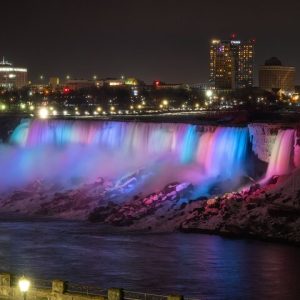
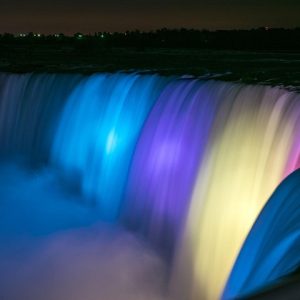
Niagara Falls Premium Night Tour: Fireworks Boat Cruise & Dinner
Sold by See Sight Tours
Niagara Falls Day Tour: Boat Cruise, Illumination Tower & Dinner
Sold by See Sight Tours
Sailor Shinde Journey and Videos Locations
- (43.6532,-79.3832)
- (40.7128,-74.006)
- (46.4967,-1.785)
- (18.922,72.8347)
- (-33.9249,18.4241)
Support Sailor Shinde
At WeBoating.com, we profoundly acknowledge the unwavering dedication that Sailor Shinde invests in crafting each and every video or voyage. Their passion for delivering exceptional ocean content shines through every frame, and it's a labor of love that deserves your attention.
We invite you to watch their captivating videos here and actively engage with their content, including their social media links above. Liking, commenting, and sharing their work goes a long way in fueling their creative fire.
We're also inviting you to explore the gear, sponsorships, and boat partnerships highlighted in the videos descriptions, or directly on YouTube. By engaging with these offerings or purchasing services and items, you directly support Sailor Shinde, their collaborators, and the brands they're associated with.
To ensure you never miss an offshore update, consider visiting their official YouTube Channel to subscribe, like, and join their community directly.
If you have any feedback, corrections, or additional information about Sailor Shinde or their videos, please use the comment form below to share your thoughts with us.
Thank you for being a part of our community and supporting the creators we cherish. Your time and support truly matter!
Watch Sailor Shinde's Latest Videos
Catch up on the most recent updates. Browse the complete video archive and Follow the journey.


Sailing in Mumbai after years
I went sailing for the first time since my injury. The disappointment of not reaching the start of the Golden Globe Race due to injury hit hard. I came home after 5 years because I want to fall in love again with sailing and that’s why I’m sailing Lightnings and Seabird halfraters in Bombay Harbour-...
What’s happening with GGR and am I sailing GGR 2026? My first trip to India in 5 years!
This week I travel to Mumbai to spend some time with family and hopefully get my shoulder checked because the healthcare system is so slow in Canada. I speak about the GGR, my reasons for dropping out and what I think is the plan forward.


Visiting my boat months after retiring from Golden Globe Race and shoulder injury
This week I visit Good Hope in New Jersey where the boat is on the hard. In August while attempting to sail across the Atlantic Ocean to reach the start of the Golden Globe Race in Les Sables-d'Olonne My shoulder has not been recovering well and there are still tests going on. I will keep u...
4. Cockpit teak clean up and final parts of old freshwater plumbing removal
This week we finished removing portlights and the last of the 42 year old freshwater system Watch the progress of the refit for Good Hope in preparation for the Golden Globe Race. My website: My Facebook Page: My Instagram: SUPPORT GAURAV BY DONATING HERE: #oceanracing #oceanracingsailb...
3. Baba 35 GGR refit progress, forward hatch, cockpit drains & removing old plumbing
Watch the progress of the refit for Good Hope in preparation for the Golden Globe Race. My website: My Facebook Page: My Instagram: SUPPORT GAURAV BY DONATING HERE: #oceanracing #oceanracingsailboats #oceanracingboats #oceanracingsailing #oceanracingyacht #oceanracingtechnology #goldengl...
2. How much does it cost to race round the world in the Golden Globe Race
ANSWERED!!! The question everyone has been asking- How much does it cost to race in the Golden Globe Race. How much does sailing round the world cost in a sailing race? My Facebook Page: My Instagram: SUPPORT GAURAV BY DONATING HERE: #oceanracing #oceanracingsailboats #oceanracingboat...
1. Good Hope- Golden Globe Race- Refit Plans for Sailing Round The World
The first video in the series to guide you through my preparation of Good Hope, a 1980 Baba 35. This boat is at Port Credit Yacht Club. The clock is ticking for the launch of the boat in the last week of April. Links Gaurav on Facebook: Gaurav on Instagram: Website: SUPPORT GAURAV BY DONA...
2021 season begins… with drama
Last month I launched my boat to begin the season and continue the refit. It started well but I hit some roadblocks which were entirely my mistake. Watch to know more. Video by: Yegnesh.com
The Bowsprit has a lot of fight | Teak Deck Repair Part 2 | Baba 35 | Golden Globe Race Refit
The next in the series of repairing the deck on my Baba 35 in the refit for my Golden Globe Race challenge in 2022. The bowsprit has an indomitable spirit like most of Good Hope and we had a tough time getting it out. Then we dug into the core of the boat to repair that. I hope you enjoy these video...
4 Guys 1 Dog and lots of Teak deck removal on a Baba 35
This is a video from the archives as the teak was being removed. The teak on the Baba 35 is held down really well by caulking and epoxy and it is hard to remove. It took weeks of laborious work to remove most of it. The fittings on the deck had rusted fasteners that made it difficult to remove them ...


Gaurav Shinde in the Golden Globe Race 2022
Here is an introduction to me and my next adventure- the Golden Globe Race. It describes my story and gives you an insight into me as a person. I talk about my history, my motivation and share other details of how the plan to sail solo round the world came about and how I am preparing for the Gold...
CV 23 Mission Performance – Brisbane to Qingdao Start
This is a video during the start of leg 5 (a) of the 2013-14 Clipper Round The World Yacht Race from Brisbane to Singapore. We started very well but had to turn back because there was a problem with our electric systems. Because of which we were delayed by more than 24 hours. This meant we were al...
Flying Dutchman/Baba 35 Hull No #42 Good Hope – Gaurav Shinde’s Golden Globe Race Boat Video Tour
This is a download of the video tour of the boat that took place on September 6, 2019, that was live on Facebook. Good Hope is a Robert Perry designed 1980 Flying Dutchman/ Baba 35 built-in 1980 by TaShing Yachts in Taiwan. Good Hope is hull #42 and will be 42 years also in 2022 during the race. ...
Message from Todd and Juddith- POs of Good Hope
This is a short and sweet message from the loving owners of the Good Hope for me as I set out on this journey to win the Golden Globe Race 2022. #goldengloberace #ggr2018 #ggr2022 #sailing #saillife #circumnavigation #sailingroundtheworld #adventure #yachtlife #sailinglavagabonde #liveaboard #wor...