Navigating The Curtis Island Narrows - Gladstone to Great Keppel Island Ep455
Cruising Queensland requires mastering macrotidal hydrology, where passages that look benign on charts transform into unyielding silt barriers at low water. For Brett and Janet of Life On The Hulls, standing out from Gladstone aboard their custom composite catamaran, SV Synergy, their immediate challenge was the notorious Curtis Island Narrows. This shallow, mangrove-flanked tidal cut links the industrial basin of Port Curtis with Keppel Bay, offering an inland bypass around the ocean reefs and capes of Curtis Island. Navigating this passage requires calculating a narrow tidal window where the central drying divide becomes passable only near high-water slack, turning a 20-mile passage into an exercise in nautical nerve.
The transition from maintenance to active cruising marked the end of an intensive ten-day layover at Gladstone Marina. While prolonged stays in industrial harbors can breed complacency, Brett and Janet utilized every hour to service machinery, commission vital off-grid systems, and complete safety preparations. With trade winds moderating across the southern Great Barrier Reef, the crew seized the weather window to commit to the narrow channels, leaving the wharves and coal soot behind in pursuit of Great Keppel Island.
Ten-Day Marina Layover: Marine Diesel Servicing and Fit-Out Forensics
Brett and Janet of Life On The Hulls, preparing their custom composite SV Synergy Catamaran for the Curtis Island Narrows passage between Gladstone and Keppel Bay in Queensland, Australia, treated their ten-day berth at Gladstone Marina as an essential mechanical refit window. Operating an off-grid performance catamaran along remote coastlines demands self-reliance, prompting Brett to undertake an exhaustive maintenance routine on both inboard diesel engines. The refit scope encompassed draining lubricant, installing fresh oil and fuel filters, purging primary water separators, and inspecting heat exchangers to prevent propulsion failure in constricted, tide-swept channels.
Beyond the propulsion systems, Brett spent two full days inside the machinery space installing a reverse-osmosis desalination watermaker, completing plumbing and 12-volt wiring while reclaiming vital aft storage. Janet executed three deep cleans and managed provisioning, while Brett fitted pneumatic beach wheels to their foam-core tender. When an isolated AIS antenna failed to arrive, leaving their transceiver connected through a VHF splitter that weakened transmissions, Janet’s credentials as a certified marine rescue radio operator ensured disciplined VHF operations.
Navigating Industrial Gladstone Harbor: Coal Dust and Commercial Traffic
Brett and Janet of Life On The Hulls, easing their SV Synergy Catamaran out of Gladstone Marina toward the Curtis Island Narrows in Queensland, Australia, entered the high-stakes fairway of Gladstone Harbor. Recognized as the industrial engine room of the Australian east coast, Gladstone accommodates bulk terminals handling coal, bauxite, and alumina, alongside mammoth liquefied natural gas (LNG) liquefaction facilities situated on Curtis Island. Transiting this commercial seaway requires vigilance, as bulkers exceeding 1,000 feet share dredged channels with tug escorts and pilot craft.
In accordance with maritime regulations, Janet contacted Gladstone Vessel Traffic Services (VTS) on VHF to log their departure and itinerary, avoiding severe non-compliance penalties. With VTS confirming clear fairways, the catamaran motored past giant shoreside gantry loaders transferring coal into bulk carriers amidst continuous sirens. After hosing down composite decks to wash away accumulating coal dust, Brett and Janet cleared the industrial wharves as the shoreline transitioned into the quiet mangrove creeks of The Narrows.
The Curtis Island Narrows: Tidal Divide Telemetry and Estuary Hydrodynamics
Brett and Janet of Life On The Hulls, guiding SV Synergy Catamaran northward into the Curtis Island Narrows between Gladstone and Keppel Bay in Queensland, Australia, faced one of the most intricate tidal divide systems on the Pacific Rim. Extending roughly 20 nautical miles, The Narrows separates Curtis Island from the continental mainland. While the initial ten miles entering from the south carry ample depth through winding creeks, the central five-mile section contains extensive mud flats and drying silt ridges that emerge up to two meters above chart datum during low astronomical tides.
The hydrodynamics of The Narrows are driven by two conflicting tidal regimes meeting at a central crossover known as the Cattle Crossing or Ramsay Crossing, near Monte Christo and Graham Creek. To the south, Port Curtis experiences a four-meter tidal range, while Keppel Bay to the north experiences macrotides nearly twenty percent higher, exceeding five meters. The convergence produces fierce six-to-eight-knot currents. Staging their transit, the crew anchored overnight in the sticky mud of Black Swan Anchorage, where Janet fitted insect screens against dense mangrove midges while a dugong surfaced nearby.
The Crossover Window: High-Water Pilotage and Keel Clearance Forensics
Brett and Janet of Life On The Hulls, raising anchor aboard their SV Synergy Catamaran at 07:00 to transit the Curtis Island Narrows toward Keppel Bay in Queensland, Australia, executed their crossing strategy with precision. Cruising literature dictates reaching the shallowest bar at Ramsay Crossing approximately thirty minutes prior to high water at Gladstone, located fifteen miles south. This timing ensures that a northbound yacht rides the rising southern flood over drying mudbanks, arriving at the divide at high-water slack before riding the northern ebb down toward the Fitzroy River.
Piloting through a tight slalom of channel markers with mangroves pressing within ten feet of the beam, Brett monitored the sounder as readings plummeted from 3.0 meters to 1.9, 1.5, and a precarious 0.9 meters below the hulls over the shallowest silt crest. Factoring in Synergy’s extended performance rudders—which draft 80 centimeters deeper than the 1.0-meter hull baseline—the vessel cleared the dried cattle crossing with mere inches to spare, holding positive steerage against swirling cross-currents until water depth safely restored to over three meters.
Curtis Island Passage Telemetry and Servicing Log
Brett and Janet of Life On The Hulls, summarizing their technical telemetry aboard SV Synergy Catamaran during the Curtis Island Narrows transit between Gladstone and Keppel Bay in Queensland, Australia, compiled an operational log balancing machinery readiness, tidal curves, and shallow-water pilotage margins.
| Operational Metric | Specification / Telemetry Detail | Significance & Seamanship Context |
|---|---|---|
| Vessel & Rig | SV Synergy (42ft Custom Composite Catamaran) | Vacuum-bagged foam-core performance multihull built by Ross Boardman |
| Hull & Rudder Draft | 1.0 m Hull Draft (~1.8 m with Extended Rudders) | Extended rudders demand strict minimum 2.0 m water depth for safety |
| Gladstone Tidal Range | 3.15 m High Tide (Neap-Spring Transition) | Supplied required hydrostatic clearance over drying silt hummocks |
| Crossover Drying Height | +2.0 m Above Chart Datum at Low Water | Central ridge dries completely; passable only within 45 mins of HW |
| Minimum Sounder Depth | 0.9 m Transducer Clearance (1.7 m Total Water) | Tightest margin recorded while clearing Ramsay / Cattle Crossing |
| Tidal Current Velocity | 6.0 to 8.0 Knots in Constricted Estuary Races | Demanded dual-engine motoring to maintain positive steerageway |
| Staging Anchorage | Black Swan Anchorage (Mangrove Creek) | Sheltered mud holding 2 NM south of divide; midges managed with screens |
| Diesel Servicing Scope | Engine Oil, Filters, Coolant & Heat Exchangers | Completed during 10-day layover at Gladstone Marina |
| Freshwater Autonomy | New RO Desalination Watermaker Commissioned | Reclaimed aft stowage lockers; established off-grid cruising independence |
| VHF & AIS Communications | VTS Gladstone Reporting via VHF / AIS Splitter | Mandatory commercial reporting logged by certified operator Janet |
| Passage Destination | Leakes Beach, Great Keppel Island (Keppel Bay) | Pristine turquoise waters marking departure from industrial mainland |
Breakout into Keppel Bay: Fitzroy River Overfalls and Island Reach
Brett and Janet of Life On The Hulls, clearing the northern portal of the Curtis Island Narrows aboard SV Synergy Catamaran and entering Keppel Bay in Queensland, Australia, encountered a radical change in sea conditions. Emerging past the mouth of the Fitzroy River—which drains inland cattle country around Rockhampton—the outgoing ebb flushed thousands of tons of brown freshwater into coastal flats. As this outflow slammed directly into incoming southeasterly ocean swells, the river mouth erupted into a violent, standing overfall of steep, disorganized chop.
Synergy slammed through muddy overfalls until Brett set a single reef in the mainsail and rolled out the jib, shutting down the diesels to sail in 16-to-18-knot easterly breezes. Flying on a 60-degree beam reach at 7.5 to 8.5 knots across Keppel Bay, the catamaran rapidly outpaced accompanying yachts. Rounding Middle Island, Brett and Janet dropped anchor in turquoise water off Leakes Beach on Great Keppel Island, celebrating a flawless tidal transit from mainland industry to tropical island cruising.
Frequently Asked Questions
Brett and Janet of Life On The Hulls, navigating SV Synergy Catamaran through the Curtis Island Narrows between Gladstone and Keppel Bay in Queensland, Australia, addressed recurring technical pilotage inquiries from coastal cruisers.
The Curtis Island Narrows is a 20-nautical-mile tidal estuary separating Curtis Island from the Queensland mainland between Gladstone and Keppel Bay. Its central crossover ridge, known as Cattle Crossing or Ramsay Crossing, dries up to two meters above chart datum at low water, while opposing 6-to-8-knot tidal streams meet at the divide, leaving a razor-thin window for safe navigation at high-water slack.
Cruising vessels transiting northbound should depart Gladstone to reach the shallowest divide at Ramsay Crossing roughly 30 minutes before high water at Gladstone. This pilotage strategy enables the boat to ride the rising southern flood tide north, traverse the shallow mudbanks at peak high water, and then ride the northern ebb tide down into Keppel Bay toward Great Keppel Island.
Vessels with drafts up to 1.2 meters (typical for multihulls and lifting-keel boats) can comfortably transit on tides exceeding 3.0 meters. Deep-draft monohulls drawing 1.8 to 2.0 meters require large spring tides of 3.5 meters or more, which leaves approximately 1.5 meters of water beneath their keel at high-water slack.
Black Swan Anchorage, situated approximately two to three nautical miles south of the central crossover near Graham Creek, is the premier staging anchorage. It provides excellent holding in deep mangrove mud, complete shelter from coastal winds, and positions vessels perfectly for an early morning high-water transit.
Gladstone is Australia’s premier commercial export harbor for coal, bauxite, and LNG, accommodating bulk carriers over 1,000 feet in length. Mandatory reporting on VHF working channels ensures Vessel Traffic Services can track all cruising vessels, preventing collisions between recreational craft and constrained commercial ships in the shipping channels.
Cruisers should perform full diesel engine servicing—including crankcase oil changes, fresh oil and fuel filters, water-separating filter checks, and raw-water impeller inspections—prior to entering the estuary. Loss of propulsion in narrow, mangrove-flanked channels with 6-to-8-knot currents guarantees an immediate grounding on mudbanks.
Exiting the northern mouth of The Narrows places vessels into the Fitzroy River estuary, where outgoing ebb currents clash with incoming Pacific southeasterly swells. This creates steep, standing overfalls and slamming chop over shallow river bars before vessels break out into deep water for a reach to Great Keppel Island.
Support Life On The Hulls
At WeBoating.com, we profoundly acknowledge the unwavering dedication that Life On The Hulls invests in crafting each and every video or voyage. Their passion for delivering exceptional ocean content shines through every frame, and it's a labor of love that deserves your attention.
We invite you to watch their captivating videos here and actively engage with their content, including their social media links above. Liking, commenting, and sharing their work goes a long way in fueling their creative fire.
We're also inviting you to explore the gear, sponsorships, and boat partnerships highlighted in the "Navigating The Curtis Island Narrows - Gladstone to Great Keppel Island Ep455" video description, or directly on YouTube. By engaging with these offerings or purchasing services and items, you directly support Life On The Hulls, their collaborators, and the brands they're associated with.
To ensure you never miss an offshore update, consider visiting their official YouTube Channel to subscribe, like, and join their community directly.
If you have any feedback, corrections, or additional information about Life On The Hulls or their videos, please use the comment form below to share your thoughts with us.
Thank you for being a part of our community and supporting the creators we cherish. Your time and support truly matter!
Part of the challenges of Cruising is understanding the tide and local conditions. The best way to achieve this is to talk to locals, other cruisers and make solid decisions that can allow you to navigate the difficult and otherwise seemingly impossible passages. Curtis Island and the infamous Narrows coming right up.
Patreon Membership Thank you for supporting my production - https://www.patreon.com/lifeonthehulls
If you would like to contribute to our project you can make very appreciated donations to this Pay Pal Me Link :
https://paypal.me/synergyboatworks
Thanks for joining me on Life On The Hulls and please consider joining my Patreon Network to receive early release videos, and the entire The Composites Shop Series, up to 3 months ahead of public release. The Composites Shop YouTube Channel - Please subscribe here -
https://www.youtube.com/thecompositesshop
View Patron only content and early release "The Composites Shop " videos months prior to public release on the "Life On The Hulls" Patreon site. Click on the link above to learn more and help support our productions.

Life On The Hulls
Ross and Janet: The Australian boat-building masters who spent 9 years crafting their 42ft custom composite catamaran, now launching into a life of Pacific exploration.
Channel Information:
Social Media Links:
Navigating The Curtis Island Narrows - Gladstone to Great Keppel Island Ep455 Location
- The Narrows Tidal Divide Crossover, Curtis Island, Queensland, Australia (-23.6,151.1)
- Gladstone Marina & Harbor Channel, Queensland, Australia (-23.83,151.25)
Latest Episodes from Life On The Hulls
Explore the most recent voyages. Subscribe to the channel to never miss an update!
Leaving Our Mark at the Percy Islands | The Famous A-Frame Ep 458
Life On The Hulls sails custom catamaran Synergy to Middle Percy Island in Queensland, Australia, navigating West Bay tides to place their mark at the historic A-Frame.
As an Aussie, I never knew how incredible this area is – Cruising on Synergy Ep457
Brett and crew aboard SV Synergy escape marina berths to cruise the Capricorn Coast and Great Keppel Island, mastering extreme tides, offshore passages, and off-grid living.
Great Keppel Heaven – Outboard Motor Problems in Paradise Ep456
It's hard to beat the feeling of arriving on a Tropical Queensland Island and having achieved it on a Catamaran hand built for the journey. Our trip North has really only has just begun and there is an unexpected problem with our tender's outboard motor that cost us a whole lot more than w...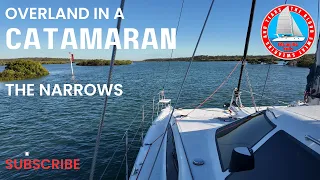
Navigating The Curtis Island Narrows – Gladstone to Great Keppel Island Ep455
Brett and Janet aboard SV Synergy navigate the shallow Curtis Island Narrows from Gladstone to Great Keppel Island, timing the tidal crossover with precision.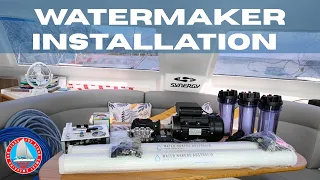
Truly Off Grid Living – DIY Water Maker Installation Video Ep454
The decision was made a long time ago, we simply couldn't go on living aboard our Catamaran without the ability to make fresh water. Our new Water Maker from Water Makers Australia was designed for DIY Installation and this week's video shows how we made the transition to Truly Off Grid Li...