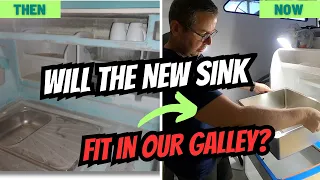
A boat tour of our Thruhulls & Plumbing begins - S04E08 | Building Wilda
Constructing their Schionning Wilderness 1340 sailing catamaran inside a dedicated workshop shed outside Melbourne, Australia, the builders of Building Wilda turned their focus to maritime systems. Moving past structural fiberglass fabrication, the project reached a major milestone: planning, dry-fitting, and installing the extensive through-hull seacocks and plumbing networks that will keep the vessel safe and autonomous at sea.
Plumbing a high-performance multihull requires a clear layout philosophy. The builders established a methodical sequence: installing sources and consumer fixtures first—such as marine toilets, freshwater sinks, and holding tanks—before positioning pumps in accessible compartments and connecting durable hoses between them:
“So, our plan at the moment is that this starboard forward toilet will be a seawater toilet and port aft will be a freshwater only.”
Separating the toilet systems provides operational flexibility. The starboard forward head utilizes raw seawater flushing for unlimited coastal use, while the port aft head relies exclusively on pressurized fresh water, eliminating marine growth odors and calcification inside internal sanitation hoses.
Tank Allocation and Fresh Water System Architecture
The catamaran accommodates six dedicated tanks distributed across the hulls for weight balance and system redundancy. Four tanks were fabricated into the composite hull structure by the original builder, including three interconnected fresh water storage tanks and one starboard forward blackwater holding tank.
The remaining two portable tanks include an aft port blackwater holding tank and an insulated domestic hot water cylinder positioned under the mast step to concentrate heavy displacement near the center of buoyancy. Before securing the holding tanks permanently into internal hull bays, the builders vacuumed and flushed out construction dust. To safeguard fresh water integrity, they installed reinforced food-grade hoses, dual stainless steel hose clamps, and dedicated breather lines:
“These fresh water tank breathers would allow air to escape when we fill in the tanks, preventing vacuum or dangerous pressure buildups.”
Routing red and blue cross-linked polyethylene hot and cold water distribution lines through interior composite bulkheads required drilling clean penetrations lined with protective rubber grommets. Isolating domestic water lines from structural framing prevents chafe and acoustic vibration when water pressure pumps cycle on underway.
Through-Hull Installation and Composite Seacock Integration
Simultaneously, the builders completed through-hull penetrations across both hulls. Every below-waterline through-hull fitting represents a critical hull boundary. Using composite non-corrosive fittings bedded in heavy polyurethane marine sealant, each fitting features an external mushroom flange, threaded body passing through the decored composite laminate, and a heavy backing nut tightened from the interior.
With the galley sink through-hull installed, all hull penetrations were finalized. The crew noted that while there are more through-hulls than initially anticipated, the majority remain positioned safely above the waterline. Down below, Axel fabricated custom mounting plates for the primary freshwater pressure pump and inline water filters, carefully rounding plate edges to allow smooth epoxy coating and prevent stress cracking.
Meanwhile, work progressed inside the interior accommodations. The builders applied clear silicone sealant along galley worktop counters, smoothing seams with light pressure to ensure watertight protection against moisture. With fittings dry-fitted and plumbing lines mapped across both hulls, Wilda advances steadily toward becoming a fully functional offshore catamaran.
Workshop Shed Organization and Future System Milestones
Stepping back from the plumbing installation, the builders took time to reorganize their workshop shed. Removing blue plastic protective dust sheets from the boat composite deck and clearing shelves created a clean, open working environment. With through-hulls secured and tanks flushed, the crew prepared for the arrival of specialized marine valves and hoses needed to connect the blackwater macerator and freshwater pressure accumulator. Future milestones include installing the galley dishwasher and wiring the domestic water heater beneath the mast step. Tackling complex maritime plumbing with patience and precision ensures the high-performance cruising catamaran will provide reliable autonomy when navigating remote anchorages. Each completed system brings the custom multihull build one step closer to its eventual launch into Australian coastal waters.
Frequently Asked Questions
The project is a Schionning Wilderness 1340, a high-performance Australian cruising catamaran being fitted out outside Melbourne.
The starboard forward head uses a raw seawater toilet, while the port aft head uses a freshwater-only toilet to eliminate plumbing odors.
The catamaran features six tanks: three built-in freshwater tanks, two blackwater holding tanks, and one hot water tank under the mast.
Breather hoses allow air to escape during filling and enter during consumption, preventing vacuums or over-pressurization inside the tanks.
Book a trip where this was filmed — near Yarra Valley
Support Building Wilda
At WeBoating.com, we profoundly acknowledge the unwavering dedication that Building Wilda invests in crafting each and every video or voyage. Their passion for delivering exceptional ocean content shines through every frame, and it's a labor of love that deserves your attention.
We invite you to watch their captivating videos here and actively engage with their content, including their social media links above. Liking, commenting, and sharing their work goes a long way in fueling their creative fire.
We're also inviting you to explore the gear, sponsorships, and boat partnerships highlighted in the "A boat tour of our Thruhulls & Plumbing begins - S04E08 | Building Wilda" video description, or directly on YouTube. By engaging with these offerings or purchasing services and items, you directly support Building Wilda, their collaborators, and the brands they're associated with.
To ensure you never miss an offshore update, consider visiting their official YouTube Channel to subscribe, like, and join their community directly.
If you have any feedback, corrections, or additional information about Building Wilda or their videos, please use the comment form below to share your thoughts with us.
Thank you for being a part of our community and supporting the creators we cherish. Your time and support truly matter!
Wilda is a Schionning Wilderness 1340 sailing catamaran. She is being finished in a shed outside Melbourne. Wilda will be powered by the Sun, the Wind and the Sea...
This youtube channel is our way of sharing this project with friends, family and those interested in our adventure of building her and getting her into the water!
We are newbies to filming and video editing, but learning as we go.
We appreciate your kind and/or constructive comments, suggestions and feedback and we'd be happy to see that you like, subscribe and share our videos! Thank you!
For our youtube videos, we use royalty-free music from Artlist: https://artlist.io
Should you like to keep an eye on the progress of our build, please follow us on Instagram:
https://www.instagram.com/buildingwilda/
And on Facebook:
https://www.facebook.com/BuildingWilda/
Or visit our webpage:
https://www.buildingwilda.com
If you are here, you probably enjoy watching our videos and maybe you feel like you want to be part of our journey.
So, we created this page https://www.buymeacoffee.com/buildingwilda to help you support Building Wilda!
Building Wilda
Join Axel and Iuliana of Building Wilda as they document their high-authority shell-up completion of a Schionning Wilderness 1340x performance catamaran.
Channel Information:
Social Media Links:
A boat tour of our Thruhulls & Plumbing begins - S04E08 | Building Wilda Location
- Wilda Boatbuilding Shed (-37.8136,144.9631)
Latest Episodes from Building Wilda
Explore the most recent voyages. Subscribe to the channel to never miss an update!
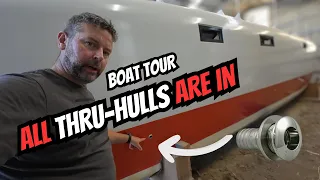
A boat tour of our Thruhulls & Plumbing begins – S04E08 | Building Wilda
Building Wilda begins plumbing and through-hull installation on their Schionning Wilderness 1340 catamaran in Melbourne, fitting tanks and seacocks.
Bathroom floor – finished! Next: PLUMBING – S04E07 | Building Wilda
Axel and Iuliana complete the final bathroom floor fairing and painting aboard their catamaran Wilda, install through-hulls, modify the galley dishwasher, and map out the vessel freshwater, grey water, and black water plumbing networks.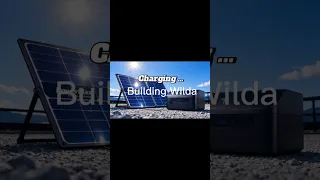
Real time update! It’s electrifying!
Outside their Melbourne workshop, the Building Wilda crew connects a solar panel to a Tesla battery through a charge controller to test off-grid electrical charging in direct sunlight.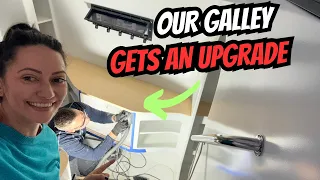
S04E06 – Dishwasher Installation and more Boat Jobs | Building Wilda
Axel and Iuliana tackle an unplanned galley refit on SV Wilda in Melbourne, fitting a benchtop dishwasher, mounting a mast line cover, and installing bamboo sinks.
Installing Handles on our Boat – S04E05 | Building Wilda
Axel and Iuliana of Building Wilda engineer and install 316 stainless steel handrails on their Schionning Wilderness 1340 catamaran in Melbourne, mastering epoxy potting and hydraulic bending.