
SY Fryd

In 2026, Wenche and Ulf Dahlslett cruise Macaronesia aboard Fryd, their 1997 Jeanneau Sun Odyssey 42.2 hailing from Alta, Northern Norway (70°N). Having completed an Arctic coastal voyage and an offshore passage across the Bay of Biscay to Gran Canaria, the retired couple documents self-sufficient cruising life, heavy-weather seamanship, and DIY refits with their dog Lurka.
Channel Information:
Social Media Links:
SY Fryd Latest Episode
From the icy fjords of Finnmark at 70° North to the windward anchorages of the Canary Islands, SY Fryd represents one of the most disciplined, technically transparent long-distance cruising projects emerging from Scandinavia. Skippers Wenche Magerøy Dahlslett and Ulf Dahlslett dismantled conventional retirement to embark on an enduring multi-thousand-mile voyage aboard their 1997 Jeanneau Sun Odyssey 42.2, transforming a well-proven production monohull into an Arctic-hardened ocean cruiser. Their digital chronicles blend seamanship, naval engineering candor, and the quiet intimacy of life afloat with their maritime canine companion, Lurka.
Key Takeaways
- Arctic Roots to Atlantic Crossings: Hailing from Alta, Norway, deep inside the Arctic Circle, the crew completed an exhaustive coastal shakedown across Northern Norway before crossing the North Sea, the Kiel Canal, the English Channel, and the Bay of Biscay to Macaronesia.
- Pragmatic Refit Philosophy: Rather than chasing luxury superficialities, the Dahlsletts focus on mechanical resilience—executing full DIY overhauls of complex onboard systems, from TruDesign composite thru-hulls to complete blackwater tank reconstructions and multi-coat Coppercoat antifouling applications.
- Self-Sustaining Seamanship: Armed with decades of northern maritime experience, search-and-rescue knowledge, and digital logbook systems, the couple provides an invaluable blueprint for retirees seeking independent blue-water voyaging on a realistic pension-backed budget.
⚓ Quick Specs & Channel Vitals
The core vitals of SY Fryd reflect a balanced, reliable offshore vessel configured for autonomous couple-sailing across shifting climatic zones.
| Metric | Detail |
|---|---|
| Vessel Name / Type | Fryd / Jeanneau Sun Odyssey 42.2 (Monohull) |
| Flag / Home Port | Norway (NO) / Alta Småbåthavn (70° N) |
| MMSI / Radio Call Sign | 257077680 / LJ7821 |
| Sailing Style | High-Latitude Coastal Cruising & Blue Water Offshore Ocean Passages |
| Key Geographic Focus | Norwegian Coastline, North Sea, Bay of Biscay, Macaronesia (Madeira & Canary Islands) |
| Primary Propulsion | Inboard Yanmar 4JH2E (50 HP naturally aspirated marine diesel) |
| Primary Navigation Suite | Raymarine Axiom Pro MFD, Quantum Doppler Radar, Evolution Autopilot & Orca Core |
| Technical / DIY Focus | Epoxy Barrier Refits, Coppercoat Application, Marine Sanitation Overhauls & Hardware Diagnostics |
| Current Operational Base (2026) | Puerto de Pasito Blanco Boatyard & Mogán, Gran Canaria, Canary Islands |
Meet the Crew and the Fleet
The Sailors Behind the Helm
The operational backbone of SY Fryd rests upon a partnership forged over decades of Arctic life. Both hailing from Finnmark, Wenche Magerøy Dahlslett and Ulf Dahlslett bring complementary technical, domestic, and maritime skills to the helm, demonstrating that long-distance retirement sailing demands mutual competence rather than rigid hierarchy.
Wenche Magerøy Dahlslett
Co-skipper and co-owner of Fryd, Wenche serves as the strategic organizer, navigator, and logistics coordinator of the vessel. Her approach to life at sea blends meticulous operational discipline with creative grounding, ensuring the vessel remains a functional home even under demanding offshore passages.
- Primary Expertise: Offshore watchstanding, weather evaluation, long-term passage provisioning, domestic logistics, and maritime textile arts.
- Certifications: Norwegian Coastal Skipper license (D5L) competencies, VHF/SRC Marine Radio Operator certificate, and offshore wilderness first aid qualifications.
- On-Camera Style: Grounded, candid, warmly reflective, and authentic; she narrates the psychological shifts of ocean living with balance and emotional clarity.
Origin Story & Life Before Sailing
Wenche spent her career in Alta as an educator and recognized textile artist specializing in traditional wool felting and northern artisan crafts. Growing up in the harsh climatic conditions of Northern Norway instilled in her a profound respect for seasonal rhythms, coastal geography, and cold-weather preparedness. The transition from terrestrial teaching to full-time ocean cruising followed an earlier family sabbatical in 2010–2011, when the couple sailed toward the Caribbean with their sons, awakening a lifelong commitment to blue-water exploration.
Specialized Competencies & Onboard Roles
Aboard Fryd, Wenche commands the galley, manages inventory tracking across multi-week passages, and oversees maritime safety protocols. Her artisanal textile work remains active underway; her wool felting creations have earned a loyal following across Scandinavia, generating supplementary revenue that directly offsets port fees and equipment replacements. On deck, she handles primary anchor operations and shares equal watchkeeping responsibilities during multi-day Atlantic crossings.
Ulf Dahlslett
Co-skipper, head engineer, and lead documentarian of SY Fryd, Ulf is the technical driving force behind the vessel’s mechanical autonomy. His background in technical education and maritime emergency services provides the expertise required to tackle complex yacht systems without reliance on distant boatyards.
- Primary Expertise: Marine diesel mechanics, DC electrical engineering, fiberglass composite repair, digital navigation systems, and emergency seamanship.
- Certifications: Norwegian Fritidsskipper (D5L) endorsement, Red Cross Search and Rescue (Sjøredningskorpset) operational certification, Civil Defense command credentials, and VHF/SRC certification.
- On-Camera Style: Highly methodical, educational, self-effacingly humorous, and technically precise; he walks viewers step-by-step through grueling mechanical diagnostics and boatyard hurdles.
Origin Story & Professional Background
Prior to casting off full-time lines, Ulf worked as a senior instructor in Media and Communication at Alta videregående skole (Alta High School). His pedagogical background informs the lucid, structured production style of the channel. Beyond teaching, Ulf spent years actively serving with the Norwegian Red Cross Search and Rescue Corps (Sjøredningskorpset) and the Norwegian Civil Defense (Sivilforsvaret) in Finnmark. Operating rescue cutters in gale-force Arctic waters forged an instinctive grasp of heavy-weather risk management, cold-water survivability, and preventative vessel maintenance.
Vessel Responsibilities & Content Focus
Aboard Fryd, Ulf oversees propulsion maintenance on the Yanmar diesel, electrical wiring, plumbing, rigging inspections, and software testing. He films and edits every episode, utilizing high-resolution cameras and stabilized audio to produce clear documentation. In addition to video creation, Ulf serves as an active field tester for modern Scandinavian maritime software, notably the Kveile logbook application, sharing practical operational workflows with the international sailing community.
Lurka: The Four-Legged Shipmate
No account of SY Fryd is complete without Lurka, the couple’s beloved border collie. Acclimated to life afloat from puppyhood, Lurka is a regular fixture on the foredeck, sporting her buoyancy vest and navigating docklines with practiced agility. Lurka provides emotional warmth aboard while presenting genuine liveaboard challenges—from navigating international pet passport regulations and rabies serology requirements across European jurisdictions to finding grassy relief in isolated industrial marinas.
Crew Vitals Overview
| Crew Member | Role Onboard | Pre-Cruising Career | Core Competency |
|---|---|---|---|
| Wenche Magerøy Dahlslett | Co-Skipper & Logistics Lead | Educator & Textile Artist | Offshore Navigation, Provisioning & Textile Arts |
| Ulf Dahlslett | Co-Skipper & Chief Engineer | Media Instructor & Search-and-Rescue Officer | Marine Diesel Overhaul, Electronics & Video Production |
| Lurka | Morale Officer & Lookout | Border Collie Shipmate | Deck Patrol & Crew Companionship |
⛵ Professional Fleet Forensics
The flagship of the Dahlsletts' voyage is Fryd, a 1997 Jeanneau Sun Odyssey 42.2. While production sloops from this era are often characterized as Mediterranean holiday cruisers, careful structural evaluation and systematic upgrades have transformed Fryd into an ocean-capable blue-water vessel capable of weathering both Arctic swells and Atlantic calimas.
Vessel Profile: SY Fryd
Designed by French naval architect Guy Ribadeau-Dumas, the Sun Odyssey 42.2 is widely regarded as one of Jeanneau’s sturdiest modern classics. Built before widespread industry weight-reduction trends, the hull features a solid fiberglass laminate schedule reinforced with an integrated structural grid framework bonded directly to the hull. With its moderate displacement-to-length ratio, generous beam carried aft, and well-balanced moderate-aspect keel, the hull provides predictable sea-kindly motion in heavy following seas.
| Vessel Metric | Manufacturer Specification | Cruising Configuration Notes |
|---|---|---|
| Design & Model | Guy Ribadeau-Dumas / Jeanneau Sun Odyssey 42.2 | Production offshore cruising sloop (1997 build) |
| Hull Construction | Solid Monolithic Fiberglass (GRP) | Epoxy moisture barrier with full Coppercoat treatment |
| Length Overall (LOA) | 12.80 m (42 ft 0 in) | Equipped with custom stern boarding and bow roller extensions |
| Beam / Draft | 4.10 m (13 ft 5 in) / 1.58 m (5 ft 2 in) | Shoal draft bulb keel facilitating shallow canal & tidal access |
| Displacement / Ballast | Approx. 10,000 kg (dry) / 3,100 kg cast iron | Loaded cruising weight estimated at 11,800 kg |
| Masthead Rig Height | Approx. 18.0 m above waterline | Equipped with in-mast furling and removable inner forestay |
| Auxiliary Engine | Yanmar 4JH2E (4-Cylinder naturally aspirated) | 50 HP @ 3,600 RPM with mechanical direct injection |
| Fuel / Water Capacity | 175 Liters diesel / 440 Liters fresh water | Dual baffled fresh water tanks with inline filtration |
🛠️ The Gear Locker: Crucial Offshore Hardware
To safely navigate high-latitude gales and open Atlantic passages, the crew systematically upgraded Fryd's foundational mechanical, sail-handling, and safety gear.
| System Category | Equipment Model & Specs | Operational Notes & Rationale |
|---|---|---|
| Primary Ground Tackle | Spade High-Holding Anchor (galvanised) | Matched with 60m of 10mm calibrated chain for reliable resetting in rocky Norwegian fjords and loose volcanic sand. |
| Secondary Tackle | Fortress FX-Series Aluminum Anchors | Lightweight kedge and storm backup deployed via stern Ankerolina flat-rope webbing reels. |
| Windlass System | Quick Hector Horizontal Electric 1000W | Deck foot-switches with helm remote control; customized chain guide preventer installed by Ulf. |
| Working Sails | In-Mast Furling Mainsail & Furling Genoa | Heavy-weight offshore cruising Dacron cut for durability and rapid short-handed reefing from the cockpit. |
| Downwind & Light Air | Code-One Light Air Reach Sail & Parasail | Flown for broad-reaching efficiency in light trade winds without demanding active spinnaker pole management. |
| Heavy Weather Rig | Removable Cutter Stay with Hanked Storm Jib | Permits setting a dedicated high-aspect storm sail closer to the vessel's center of effort during severe blows. |
| Tender & Outboard | GALA Lite Aluminum-Hull RIB Tender | Lightweight aluminum double-deck tender paired with a serviced 4-stroke outboard for rocky beach landings. |
| Life Safety Suite | Viking 8-Person Ocean Life Raft & EPIRB3 Pro | SOLAS-grade life raft mounted on deck with hydrostatic release; EPIRB includes Return Link Service (RLS) confirmation. |
📊 Vessel Systems Health Scorecard
An objective, technical evaluation of SY Fryd's current offshore cruising configuration reveals exceptional mechanical and structural preparation, balanced against deliberate trade-offs in power storage and water generation.
| System Domain | Score | Configuration Architecture & Field Rationale |
|---|---|---|
| ⚡ Energy Autonomy | 7 / 10 | High-output engine alternator coupled with heavy-duty deep-cycle AGM house bank, complemented by solar array panels and shore power chargers. While lacking 800Ah lithium or electric induction cooking, the setup exhibits proven reliability and straightforward diagnostics. |
| 🛡️ Structural Integrity | 9 / 10 | Solid monolithic fiberglass hull with no core below the waterline. Recently stripped to bare gelcoat via professional sandblasting in Pasito Blanco, repaired with structural epoxy layers, and sealed with multi-coat Coppercoat antifouling. |
| 📡 Communication & Nav | 8.5 / 10 | Comprehensive Raymarine Axiom Pro plotter suite with Quantum Doppler radar, dual-channel AIS transponder, and digital Orca Core navigation backup, supplemented by mobile 4G/5G coastal broadband and marine VHF radios. |
| 💧 Water Independence | 7.5 / 10 | Substantial 440-liter freshwater storage divided across dual baffled tanks. The crew manages freshwater conservation methodically through foot pumps and shore replenishment, maintaining adequate reserves for multi-week ocean crossings. |
The mechanical architecture of Fryd emphasizes fail-safe simplicity. The Yanmar 4JH2E diesel is devoid of electronic common-rail computers, allowing field servicing using standard mechanical hand tools. Accessible primary fuel-water separators, heavy-duty TruDesign composite through-hulls, and a SigmaDrive vibration-reducing thrust bearing assembly minimize wear on driveline seals during long motoring stretches through European canals.
Voyages, Destinations, and Local Waters
📍 Top Routes and Expeditions
The cruising track of SY Fryd spans some of the most meteorologically challenging waterways in Western Europe. Originating at 70° North in Alta, their passage divides naturally into two distinct chapters: the sub-zero coastal navigation of Norway and the offshore Atlantic transit south to the Canary Islands.
During Season 1, the crew navigated over 1,500 nautical miles down the rugged spine of Norway. Leaving the sheltered fjords of Tromsø and Finnsnes, they tackled the exposed waters of Vestfjorden, the razor-sharp skerries of Steigen, and the treacherous tidal currents around Bodø and Helgeland. Cruising south past Stadtlandet—notorious for violent pyramidal wave formations—the Dahlsletts arrived in Leangbukta (Asker) in Oslofjord to stage their international departure.
Season 2 launched in April 2025, taking Fryd across the Skagerrak to the Swedish West Coast, down through Denmark, and into Germany's historic Kiel Canal (Nord-Ostsee-Kanal). Navigating Europe's inland waterways and the Dutch Standing Mast Route (Staande Mastroute) presented unique challenges, including shallow mud-shoal groundings and demanding bridge timings. Emerging into the English Channel, the crew staged for the ultimate offshore test: crossing the Bay of Biscay.
⏳ Voyage Milestone Timeline
- June 2017 – October 2017: Early shake-down voyages in Finnmark, including the installation of TruDesign composite seacocks and family offshore passages to Madeira.
- July 2020 – August 2020: Exploration of northern fjords from Alta to Bekkarfjord, Hammerfest, and Hasvik, testing propulsion upgrades and cold-weather insulation.
- June 2024: Official launch of Season 1 long-distance expedition, departing Alta for Tromsø, documented in Alta – Tromsø Episode 1. Sesong 1.
- August 2024: Navigating open sea crossings from Vesterålen down through Steigen and the Lofoten archipelago, chronicled in Fra Stø til Steigen Episode 3 Sesong 1.
- December 2024 – February 2025: Systematic transit down the Norwegian coast through Trøndelag, Vestlandet, and Sørlandet, navigating winter gale conditions to winter over in Oslofjord.
- April 2025: Final provisions stowed and international lines cast off from Leangbukta marina in Asker, captured in Avgang fra Leangbukta april 2025.
- August 2025: Entering the Baltic-to-North Sea gateway, navigating commercial ship traffic through Germany’s Kiel Canal in Kielkanalen Episode 7 Sesong 2 [18].
- September – October 2025: Navigating the Dutch Standing Mast Route, surviving accidental mud grounding, and exiting into the English Channel toward Brittany.
- November 2025: Conquering the 400-mile offshore crossing across the notorious Bay of Biscay from France to Northern Spain, featured in Biscaya Episode 14 sesong 2 [25].
- December 2025 – January 2026: Open-ocean passage from Portugal across the Atlantic swell to Porto Santo and Funchal, documented in Porto Santo og Madeira Episode 18 Sesong 2 [29].
- February – March 2026: Arrival in the Canary Islands, enduring 40-knot harbor surges and harsh Atlantic trade-wind swells in Drittvær på Granka Episode 20 sesong 2 [31].
- September – November 2026: Major autumn refit haul-out at Pasito Blanco boatyard; executing the complete sanitation overhaul in Bytte av septiktank – Et «drittprosjekt» om bord and multi-layer epoxy hull fairing in Forberedelser til Coppercoat Episode 43 and Lag på lag. Episode 44.
Navigating the Bay of Biscay and Macaronesia
Crossing the Bay of Biscay late in the season requires rigorous meteorological discipline. The continental shelf break west of Brest drops abruptly from 200 meters to over 4,000 meters, compressing deep Atlantic swells into steep, breaking seas. The Dahlsletts utilized multi-model weather routing, timing a narrow high-pressure ridge to clear the bay with moderate north-easterly breezes before autumn low-pressure depressions swept into the Gulf of Gascony.
Upon entering the Canary Islands archipelago, the crew encountered the infamous wind acceleration zones caused by island thermal gradients and volcanic massifs rising steeply from the sea. Between Gran Canaria and Tenerife, prevailing northeast trade winds funnel into channels exceeding 35 to 40 knots. Furthermore, the crew frequently navigates the Calima—a severe meteorological phenomenon where hot, dry easterly winds carry millions of tons of Saharan desert dust across the archipelago, reducing visibility to less than a mile and depositing fine abrasive mineral grit over deck gear and rigging.
Skills, Refits & Overcoming Adversity
The Blackwater Holding Tank Overhaul
One of the most technically demanding and visceral boatyard projects featured on the channel was the mid-2026 replacement of Fryd's leaking blackwater holding tank. The original 1997 factory-installed stainless steel tank had succumbed to pitting corrosion caused by anaerobic bacteria and saltwater stagnation, leaching noxious odors and effluent into the bilge.
Because Jeanneau originally installed the holding tank prior to bonding the interior fiberglass head modules to the hull deck, the unit could not be extracted whole through cabin doorways. Ulf demonstrated true DIY resourcefulness: donning protective respirators and utilizing oscillating multi-tools, he systematically cut the condemned stainless tank into manageable geometric sections from within the confined head compartment. After extracting the corroded steel plates, he thoroughly sanitized the hull cavity, redesigned the routing with heavy-duty odor-barrier sanitation hose, and installed a customized composite blackwater tank, as documented in Bytte av septiktank – Et «drittprosjekt» om bord.
Pasito Blanco Refit: Epoxy Fairing and Coppercoat Antifouling
Upon hauling Fryd at the Pasito Blanco boatyard in southern Gran Canaria, the crew addressed decades of accumulated antifouling buildup. Decades of multi-layered soft ablative paints had created an uneven, drag-inducing surface that severely reduced sailing speeds and fuel economy.
Working alongside local specialists, the bottom was sandblasted down to sound original gelcoat. Ulf and Wenche then embarked on a multi-week labor of love: filling micro-voids, fairing the keel-to-hull joint, applying structural epoxy barrier coats to safeguard against moisture penetration, and rolling four consecutive wet-on-wet coats of Coppercoat—a solvent-free epoxy resin impregnated with ultra-pure atomized copper powder designed to provide up to ten years of antifouling protection. The full process is detailed in Forberedelser til Coppercoat Episode 43 and Lag på lag. Episode 44.
The YouTube Journey and Financing the Dream
Content Style and Production Quality
SY Fryd rejects sensationalist clickbait and manufactured drama. Ulf and Wenche produce long-form, measured sailing cinema characterized by authentic natural audio, high-definition maritime landscapes, and transparent technical explanations. While Ulf leverages his professional background in media education to compose steady tripod shots and dynamic drone footage of Norwegian fjords, the channel’s primary allure is its honesty: when gear breaks, the repair process is shown without embellishment.
💰 How SY Fryd Funds the Voyage
The financial foundation of SY Fryd provides an inspiring case study in sustainable retirement voyaging. Having concluded decades of public service in the Norwegian education system and regional civil safety, both Wenche and Ulf receive predictable state and occupational retirement pensions. This stable annuity base eliminates the commercial pressure to chase viral video algorithms or inundate viewers with commercial sponsor reads.
Their cruising reserves are further bolstered by Wenche’s artisanal wool and textile craft operations, which she retails directly to enthusiastic Scandinavian patrons. Furthermore, their collaboration with innovative maritime developers—such as the creators of the Kveile logbook application—provides practical synergies where software testing aligns organically with life at sea.
💸 Cruising Budget & Financial Blueprint
Operating a 42-foot production cruising sailboat across European and Atlantic waters requires disciplined budget management. Below is an estimated breakdown of the operational finances supporting SY Fryd's ongoing voyage.
| Financial Metric | Estimated Value (USD) | Operational Context & Notes |
|---|---|---|
| Initial Vessel Acquisition | $75,000 – $95,000 | Purchased as a well-maintained 1997 Jeanneau Sun Odyssey 42.2 in Norway. |
| Major Multi-Year Refit Spend | $30,000 – $45,000 | Includes Raymarine Axiom suite, TruDesign thru-hulls, holding tank reconstruction, and Coppercoat haul-out. |
| Estimated Monthly Cruising Budget | $2,200 – $2,800 | Covers marina berths, diesel fuel, provisions, pet upkeep, communications, and routine maintenance. |
| Estimated Annual YouTube AdSense | $800 – $1,500 | Modest supplementary income driven by an authentic, highly-engaged maritime niche audience. |
| Primary Income Source | Norwegian Retirement Pensions | Stable civil servant annuities combined with textile craft sales and digital maritime consulting. |
Estimated based on Scandinavian 40–45ft cruising monohull averages, Norwegian pension standards, and disclosed boatyard expenditure.
Top Episodes: Where to Start Watching
For new viewers discovering the channel, these five pivotal episodes showcase the breadth of SY Fryd's journey—from Arctic departures and open-ocean passages to deep technical boatyard surgery.
- Alta – Tromsø Episode 1. Sesong 1: The emotional and picturesque commencement of their grand expedition, casting off from 70° North under dramatic Arctic skies.
- Kielkanalen Episode 7 Sesong 2 [18]: An engaging navigation through Germany's commercial shipping artery, showcasing heavy commercial vessel interaction and lock handling.
- Biscaya Episode 14 sesong 2 [25]: The crew takes on the open waters of the Bay of Biscay, documenting weather windows, night watches, and ocean swell management.
- Bytte av septiktank – Et «drittprosjekt» om bord: The masterclass in realistic DIY refits, showing how Ulf cuts and extracts a failed stainless holding tank from inside a molded fiberglass head.
- Lag på lag. Episode 44: Comprehensive boatyard coverage at Pasito Blanco, detailing multi-layer epoxy fairing and the meticulous application of Coppercoat antifouling.
Channels Similar to SY Fryd
If you appreciate the methodical seamanship, honest boatyard refits, and couple-sailing dynamics of SY Fryd, explore these closely aligned cruising channels on WeBoating:
- Sailing Volupia: Follows a dedicated couple undertaking extensive DIY refits and ocean passages aboard a classic cruising monohull with exceptional technical transparency.
- SV Yarreh: Documents hands-on blue-water voyaging and methodical mechanical troubleshooting across European and Atlantic cruising grounds.
- Sailing SV Indigo: Features independent couple sailors navigating offshore passages and lifestyle adaptations with a strong emphasis on self-sufficient boat maintenance.
Community Impact and Future Horizons
Beyond producing compelling sailing video content, Wenche and Ulf have cultivated a supportive, multi-generational cruising community across Scandinavia. Their willingness to share unglamorous failures—whether grounding in shallow Dutch mud or wrestling with sewage plumbing—demystifies the cruising lifestyle for aspiring sailors. By actively participating in local harbor life and mentoring newcomers on cold-weather seamanship, they exemplify the generous spirit of the global voyaging community.
What Is Next for SY Fryd
As 2026 unfolds, the immediate horizon for SY Fryd focuses on relaunching from the Pasito Blanco boatyard with their newly cured Coppercoat hull. With antifouling maintenance secured for years to come, Wenche, Ulf, and Lurka plan to explore the dramatic western Canary Islands—anchoring in Valle Gran Rey on La Gomera, traversing the dramatic coastlines of Tenerife, and navigating the trade wind passages of La Palma. Beyond Macaronesia, the crew continues to evaluate weather windows for seasonal Atlantic trade-wind routes, embodying a life afloat defined by patient seamanship and open-ended curiosity.
Source: Vessel logs and technical specifications verified via syfryd.no, public vessel registries, and the official SY Fryd video archives.
Frequently Asked Questions about SY Fryd
<!-- wp:yoast/faq-block {"questions": [{"id": "faq-question-1", "question": "Who are the crew members aboard SY Fryd?", "answer": "The core crew aboard SY Fryd consists of Norwegian cruising couple Wenche Mager\u00f8y Dahlslett and Ulf Dahlslett, originally hailing from Alta in Finnmark, Northern Norway. Both retired educators and seasoned seamen, they navigate full-time accompanied by their spirited border collie and pet shipmate, Lurka.", "jsonAnswer": "The core crew aboard SY Fryd consists of Norwegian cruising couple Wenche Mager\u00f8y Dahlslett and Ulf Dahlslett, originally hailing from Alta in Finnmark, Northern Norway. Both retired educators and seasoned seamen, they navigate full-time accompanied by their spirited border collie and pet shipmate, Lurka.
"}, {"id": "faq-question-2", "question": "What model and specifications is the sailing yacht Fryd?", "answer": "Fryd is a 1997 Jeanneau Sun Odyssey 42.2, a robust fiberglass cruising monohull designed by Guy Ribadeau-Dumas. The vessel measures 12.80 meters (42 feet) LOA with a 4.10-meter beam, a moderate 1.58-meter draft suitable for shoal channels, a displacement of roughly 10 metric tons, and a dedicated masthead rig.", "jsonAnswer": "Fryd is a 1997 Jeanneau Sun Odyssey 42.2, a robust fiberglass cruising monohull designed by Guy Ribadeau-Dumas. The vessel measures 12.80 meters (42 feet) LOA with a 4.10-meter beam, a moderate 1.58-meter draft suitable for shoal channels, a displacement of roughly 10 metric tons, and a dedicated masthead rig.
"}, {"id": "faq-question-3", "question": "What auxiliary engine powers SY Fryd?", "answer": "Propulsion is provided by an inboard Yanmar 4JH2E naturally aspirated marine diesel engine producing 50 horsepower at 3,600 RPM. Known for its mechanical reliability and straightforward maintenance access, the engine powers a traditional shaft-drive setup coupled with a driveline vibration dampener.", "jsonAnswer": "Propulsion is provided by an inboard Yanmar 4JH2E naturally aspirated marine diesel engine producing 50 horsepower at 3,600 RPM. Known for its mechanical reliability and straightforward maintenance access, the engine powers a traditional shaft-drive setup coupled with a driveline vibration dampener.
"}, {"id": "faq-question-4", "question": "Where is SY Fryd currently located in 2026?", "answer": "In 2026, SY Fryd is based in the Canary Islands, operating out of Gran Canaria (including Puerto de Mog\u00e1n, Las Palmas, and the Pasito Blanco boatyard). The vessel recently hauled out in southern Gran Canaria for extensive hull sandblasting, structural epoxy osmosis barrier application, and full Coppercoat multi-season antifouling treatment.", "jsonAnswer": "In 2026, SY Fryd is based in the Canary Islands, operating out of Gran Canaria (including Puerto de Mog\u00e1n, Las Palmas, and the Pasito Blanco boatyard). The vessel recently hauled out in southern Gran Canaria for extensive hull sandblasting, structural epoxy osmosis barrier application, and full Coppercoat multi-season antifouling treatment.
"}, {"id": "faq-question-5", "question": "What route did SY Fryd sail from Northern Norway to Macaronesia?", "answer": "Departing Alta at 70\u00b0N, the crew sailed along the Norwegian coast through Troms\u00f8, Steigen, Helgeland, Tr\u00f8ndelag, and Vestlandet to Oslofjord (Leangbukta). In April 2025, they commenced Season 2, passing through Sweden, Denmark, the Kiel Canal, the Netherlands, and across the Bay of Biscay to Madeira and the Canary Islands.", "jsonAnswer": "Departing Alta at 70\u00b0N, the crew sailed along the Norwegian coast through Troms\u00f8, Steigen, Helgeland, Tr\u00f8ndelag, and Vestlandet to Oslofjord (Leangbukta). In April 2025, they commenced Season 2, passing through Sweden, Denmark, the Kiel Canal, the Netherlands, and across the Bay of Biscay to Madeira and the Canary Islands.
"}, {"id": "faq-question-6", "question": "What primary ground tackle does SY Fryd carry?", "answer": "The vessel's primary ground tackle consists of a heavy-duty galvanised Spade main anchor connected to 60 meters of calibrated 10mm high-tensile anchor chain, deployed via a Quick Hector horizontal electric windlass with deck foot-switches and cockpit helm control. Multiple secondary Fortress aluminium anchors and stern Ankerolina reels serve as backups.", "jsonAnswer": "The vessel's primary ground tackle consists of a heavy-duty galvanised Spade main anchor connected to 60 meters of calibrated 10mm high-tensile anchor chain, deployed via a Quick Hector horizontal electric windlass with deck foot-switches and cockpit helm control. Multiple secondary Fortress aluminium anchors and stern Ankerolina reels serve as backups.
"}, {"id": "faq-question-7", "question": "How does the crew manage their navigation and marine electronics?", "answer": "SY Fryd utilizes an integrated Raymarine Axiom Pro navigation multifunction display paired with a Raymarine Quantum Doppler radar, an Evolution EV-1 autopilot system, Raymarine wind and depth transducers, and an Orca Core electronic compass and backup navigation module for high-latitude and offshore redundancy.", "jsonAnswer": "SY Fryd utilizes an integrated Raymarine Axiom Pro navigation multifunction display paired with a Raymarine Quantum Doppler radar, an Evolution EV-1 autopilot system, Raymarine wind and depth transducers, and an Orca Core electronic compass and backup navigation module for high-latitude and offshore redundancy.
"}, {"id": "faq-question-8", "question": "How did Ulf Dahlslett replace the leaking holding tank aboard Fryd?", "answer": "During their refit stop in Gran Canaria, Ulf tackled the notorious holding tank overhaul. Because the factory stainless steel tank had developed stress corrosion leaks and was trapped behind molded fiberglass bathroom bulkheads, he cut the old metal tank into sections using oscillating saws, removed the debris, and installed a modern custom sanitation-grade composite tank with new odor-impermeable hoses.", "jsonAnswer": "During their refit stop in Gran Canaria, Ulf tackled the notorious holding tank overhaul. Because the factory stainless steel tank had developed stress corrosion leaks and was trapped behind molded fiberglass bathroom bulkheads, he cut the old metal tank into sections using oscillating saws, removed the debris, and installed a modern custom sanitation-grade composite tank with new odor-impermeable hoses.
"}, {"id": "faq-question-9", "question": "How is the voyage of SY Fryd funded?", "answer": "The voyage is funded primarily through Norwegian state and occupational retirement pensions, supplemented by savings accumulated from professional careers in education and search-and-rescue. They also draw modest revenue from Wenche's wool felting and textile artisan craft sales and community contributions through maritime apps.", "jsonAnswer": "The voyage is funded primarily through Norwegian state and occupational retirement pensions, supplemented by savings accumulated from professional careers in education and search-and-rescue. They also draw modest revenue from Wenche's wool felting and textile artisan craft sales and community contributions through maritime apps.
"}, {"id": "faq-question-10", "question": "What maritime software or apps do Wenche and Ulf develop or endorse?", "answer": "Ulf Dahlslett actively uses and beta-tests Kveile, an advanced Norwegian maritime logbook, harbor dues tracker, maintenance schedule organizer, and cruising financial software. Ulf frequently produces technical tutorials highlighting Kveile features and custom anchoring aids like his fabricated chain management guides.", "jsonAnswer": "Ulf Dahlslett actively uses and beta-tests Kveile, an advanced Norwegian maritime logbook, harbor dues tracker, maintenance schedule organizer, and cruising financial software. Ulf frequently produces technical tutorials highlighting Kveile features and custom anchoring aids like his fabricated chain management guides.
"}, {"id": "faq-question-11", "question": "How does SY Fryd prepare for severe weather and Atlantic storms?", "answer": "The crew relies on conservative weather routing via Windy and GRIB models, seeking protected berths or deep anchorages ahead of Atlantic gale depressions. For offshore heavy-weather, Fryd carries a dedicated inner cutter stay with hanked storm jib, a high-visibility trysail, a Viking 8-person ocean life raft, and an EPIRB3 Pro with Return Link Service (RLS).", "jsonAnswer": "The crew relies on conservative weather routing via Windy and GRIB models, seeking protected berths or deep anchorages ahead of Atlantic gale depressions. For offshore heavy-weather, Fryd carries a dedicated inner cutter stay with hanked storm jib, a high-visibility trysail, a Viking 8-person ocean life raft, and an EPIRB3 Pro with Return Link Service (RLS).
"}, {"id": "faq-question-12", "question": "What are the upcoming sailing plans for SY Fryd after Gran Canaria?", "answer": "Following the completion of their hull sandblasting, epoxy fairing, and Coppercoat application at Pasito Blanco, Wenche and Ulf plan to explore the western Canary Islands (including La Gomera, Tenerife, and La Palma) before evaluating weather windows for future Atlantic trade wind passages or a Mediterranean return voyage.", "jsonAnswer": "Following the completion of their hull sandblasting, epoxy fairing, and Coppercoat application at Pasito Blanco, Wenche and Ulf plan to explore the western Canary Islands (including La Gomera, Tenerife, and La Palma) before evaluating weather windows for future Atlantic trade wind passages or a Mediterranean return voyage.
"}]} -->The core crew aboard SY Fryd consists of Norwegian cruising couple Wenche Magerøy Dahlslett and Ulf Dahlslett, originally hailing from Alta in Finnmark, Northern Norway. Both retired educators and seasoned seamen, they navigate full-time accompanied by their spirited border collie and pet shipmate, Lurka.
Fryd is a 1997 Jeanneau Sun Odyssey 42.2, a robust fiberglass cruising monohull designed by Guy Ribadeau-Dumas. The vessel measures 12.80 meters (42 feet) LOA with a 4.10-meter beam, a moderate 1.58-meter draft suitable for shoal channels, a displacement of roughly 10 metric tons, and a dedicated masthead rig.
Propulsion is provided by an inboard Yanmar 4JH2E naturally aspirated marine diesel engine producing 50 horsepower at 3,600 RPM. Known for its mechanical reliability and straightforward maintenance access, the engine powers a traditional shaft-drive setup coupled with a driveline vibration dampener.
In 2026, SY Fryd is based in the Canary Islands, operating out of Gran Canaria (including Puerto de Mogán, Las Palmas, and the Pasito Blanco boatyard). The vessel recently hauled out in southern Gran Canaria for extensive hull sandblasting, structural epoxy osmosis barrier application, and full Coppercoat multi-season antifouling treatment.
Departing Alta at 70°N, the crew sailed along the Norwegian coast through Tromsø, Steigen, Helgeland, Trøndelag, and Vestlandet to Oslofjord (Leangbukta). In April 2025, they commenced Season 2, passing through Sweden, Denmark, the Kiel Canal, the Netherlands, and across the Bay of Biscay to Madeira and the Canary Islands.
The vessel's primary ground tackle consists of a heavy-duty galvanised Spade main anchor connected to 60 meters of calibrated 10mm high-tensile anchor chain, deployed via a Quick Hector horizontal electric windlass with deck foot-switches and cockpit helm control. Multiple secondary Fortress aluminium anchors and stern Ankerolina reels serve as backups.
SY Fryd utilizes an integrated Raymarine Axiom Pro navigation multifunction display paired with a Raymarine Quantum Doppler radar, an Evolution EV-1 autopilot system, Raymarine wind and depth transducers, and an Orca Core electronic compass and backup navigation module for high-latitude and offshore redundancy.
During their refit stop in Gran Canaria, Ulf tackled the notorious holding tank overhaul. Because the factory stainless steel tank had developed stress corrosion leaks and was trapped behind molded fiberglass bathroom bulkheads, he cut the old metal tank into sections using oscillating saws, removed the debris, and installed a modern custom sanitation-grade composite tank with new odor-impermeable hoses.
The voyage is funded primarily through Norwegian state and occupational retirement pensions, supplemented by savings accumulated from professional careers in education and search-and-rescue. They also draw modest revenue from Wenche's wool felting and textile artisan craft sales and community contributions through maritime apps.
Ulf Dahlslett actively uses and beta-tests Kveile, an advanced Norwegian maritime logbook, harbor dues tracker, maintenance schedule organizer, and cruising financial software. Ulf frequently produces technical tutorials highlighting Kveile features and custom anchoring aids like his fabricated chain management guides.
The crew relies on conservative weather routing via Windy and GRIB models, seeking protected berths or deep anchorages ahead of Atlantic gale depressions. For offshore heavy-weather, Fryd carries a dedicated inner cutter stay with hanked storm jib, a high-visibility trysail, a Viking 8-person ocean life raft, and an EPIRB3 Pro with Return Link Service (RLS).
Following the completion of their hull sandblasting, epoxy fairing, and Coppercoat application at Pasito Blanco, Wenche and Ulf plan to explore the western Canary Islands (including La Gomera, Tenerife, and La Palma) before evaluating weather windows for future Atlantic trade wind passages or a Mediterranean return voyage.
SY Fryd Journey and Videos Locations
- Alta, Finnmark, Norway (Home Port 70u00b0N) (69.9689,23.2717)
- Lofoten & Steigen, Northern Norway (68.1667,13.75)
- Leangbukta Marina, Asker, Oslofjord (59.8333,10.45)
- Kiel Canal Transit, Germany (54.3233,10.1444)
- Bay of Biscay Offshore Crossing (44.5,-4)
- Porto Santo & Madeira Island, Portugal (32.7167,-17.0333)
- Las Palmas de Gran Canaria, Spain (28.1235,-15.4363)
- Puerto de Pasito Blanco Boatyard, Gran Canaria (27.7534,-15.6812)
Support SY Fryd
At WeBoating.com, we profoundly acknowledge the unwavering dedication that SY Fryd invests in crafting each and every video or voyage. Their passion for delivering exceptional ocean content shines through every frame, and it's a labor of love that deserves your attention.
We invite you to watch their captivating videos here and actively engage with their content, including their social media links above. Liking, commenting, and sharing their work goes a long way in fueling their creative fire.
We're also inviting you to explore the gear, sponsorships, and boat partnerships highlighted in the videos descriptions, or directly on YouTube. By engaging with these offerings or purchasing services and items, you directly support SY Fryd, their collaborators, and the brands they're associated with.
To ensure you never miss an offshore update, consider visiting their official YouTube Channel to subscribe, like, and join their community directly.
If you have any feedback, corrections, or additional information about SY Fryd or their videos, please use the comment form below to share your thoughts with us.
Thank you for being a part of our community and supporting the creators we cherish. Your time and support truly matter!
Watch SY Fryd's Latest Videos
Catch up on the most recent updates. Browse the complete video archive and Follow the journey.
Top to Top .
I Pasito Blanco møtte vi Top To Top. Se mere på episode 44
Lag på lag. Episode 44
Det viser seg raskt at listen over ting som må gjøres bare vokser! I denne episoden følger vi det omfattende arbeidet med skrog, kjøl og ror på verftet – der det sparkles, pusses og bygges opp lag på lag med epoxy. Samtidig tar vi fatt på store oppgaver om bord: Ulf gyver løs på septiksystemet og ...
Løft, Pasito Blanco
Her kan du se posisjon i sanntid: Fryds hjemmeside: Facebook:
Sandblås…
Her kan du se posisjon i sanntid: Fryds hjemmeside: Facebook: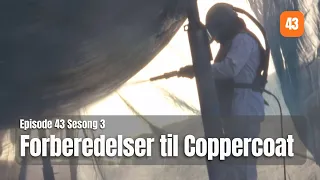
Forberedelser til Coppercoat Episode 43
I denne episoden forlater vi Puerto de Mogán og setter kursen mot Pasito Blanco for å ta SY Fryd opp på land. Båten har hatt lav fart på grunn av groing under skroget, og nå venter en skikkelig overhaling! Mens profesjonelle gjør seg klare til å sandblåse og klargjøre for epoksy og Coppercoat, kast...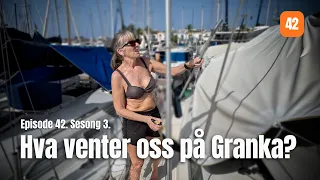
Hva venter oss på Granka? Episode 42
Etter tre måneder hjemme i Finnmark er vi endelig tilbake på Gran Canaria og om bord i SY Fryd! ☀️⛵ Det blir et hett gjensyn med over 30 grader og spor etter Calima. I denne episoden tar vi fatt på klargjøring og vedlikehold: Vask og fjerning av Calima-støv og plastbeskyttelse Montering av nytt, s...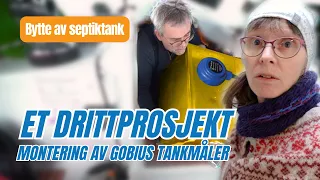
Bytte av septiktank – Et «drittprosjekt» om bord
I denne episoden av SY Fryd tar vi fatt på en av de mest utfordrende og minst lystbetonte jobbene man kan gjøre om bord: bytte av septiktank. Den gamle tanken i rustfritt stål hadde sett sine bedre dager, lakk, og luktet alt annet enn blomster. Siden tanken var montert før toalettmodulen ble satt i...
Sesong 2025
Her en liten oppsummering fra april 2025. Fra vi startet i Leangbukta marina og frem til vi kom til Kanariøyene. Filmen er generert fra systemet vi bruker til logging, havneleie, reservedeler, utgifter og masse mer og heter Kveile. Du finner den på nettleseren og på en egen app. Hvis du scanner QR k...
Rett før avreise…
Da er det ikke lenge igjen til vi er tilbake. Da starter arbeidet med båten. Her en liten rapport hjemmefra.... Tusen takk for at du følger reisen vår! Husk å abonnere, legg igjen en kommentar og trykk på bjella for å få varsel om neste episode. Her kan du se posisjon i sanntid: Fryds hjemmesid...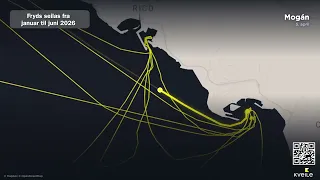
Januar til juni 2026
Her en liten oppsummering fra januar til juni 2026. Filmen er generert fra systemet vi bruker til logging, havneleie, reservedeler, utgifter og masse mer og heter Kveile. Du finner den på nettleseren og på en egen app. Hvis du scanner QR koden på filmen (nede til høyre) kommer du rett til nettsiden....
Service påhenger, Fredrikstad Marineservice 2025
Bli med når påhengsmotoren, en Mercury 9,9 hk, endelig får en etterlengtet service hos Fredrikstad Marineservice i 2025. Vi hadde et flott opphold i Fredrikstad på vei sørover. Da passa det bra med service. I denne videoen viser vi prosessen med vedlikehold av motoren: 00:45 – Demontering av girhu...
Tuna 130
Tusen takk for at du følger reisen vår! Husk å abonnere, legg igjen en kommentar og trykk på bjella for å få varsel om neste episode. Her kan du se posisjon i sanntid: Fryds hjemmeside: Facebook:
Siste innspurt! Episode 30 S2 [41]
I sesongavslutningen av sesong 2 forbereder vi SY Fryd for sommeropplag i Puerto de Mogán. Etter et uventet møte med en havskilpadde og et "ankertyveri" under oppankring, setter vi kursen mot hjemmehavnen. Her venter en omfattende sjekkliste: vi skifter olje, vasker gummibåten, renser tau ...
Forberedelser Episode 29 S2 [40]
I denne episoden av SY Fryd er vi i full gang med forberedelsene før vi skal reise hjem en tur. Vi har flyttet til en ny bryggeplass i havna (plass 112!), noe som gir oss kort vei til restaurantene – men det betyr også at det er mye som må fikses og sikres før båten kan forlates for en lengre period...
Sykdom ombord! Episode 28 S2 [39]
I denne episoden er det full fart med både praktiske gjøremål og etterlengtede nyheter. Vi starter med å bytte sink på propellen før turen går videre til veterinæren med hunden, som har slitt litt med magen. Det blir både temperaturmåling, vaksine og uttesting av kefir som vidunderkur! Ellers tar v...

Støvkaos i Mogán Episode 27 S2 [38]
Sandstorm, fjelltur og kreative løsninger i Mogán! ⛵️🌵 I denne episoden av SY Fryd opplever vi "Calimaen" på nært hold i Mogán. Sandstøvet fra Afrika legger seg over alt, og vi må virkelig gå i gang med vaskebøtta for å få båten ren igjen! Vi tar dere også med på en innholdsrik uke som in...
Karneval Tenerife
Se mer fra vårt opphold på Tenerife


