Getting my boat stuck in the mud
At Penryn in Cornwall, Leo Sampson Goolden of Sampson Boat Co prepares to guide Tally Ho out of a tidal mud berth on a rising flood. Joined on deck by boatbuilder Jordan, who previously assisted during early frame raising in Sequim and now lives locally, Goolden aims to transit the wooden vessel around the bend and navigate into an adjacent tidal creek to establish a secure winter berth at Ashley Butler’s boatyard.
With lines cast off, the crew steers the deep-draft cutter into the narrow waterway, managing shallow depths where keel contact with soft silt is anticipated from the outset.
Navigating the Shallow Creek Channel
As Tally Ho makes her way toward the yard, water depth drops across the silted waterway. Goolden acknowledges the navigational reality: “This area is pretty shallow, so we knew there was a good chance we’d encounter the muddy bottom on our way into the boatyard.” After touching and squishing through soft silt, the vessel reaches a tight corner required to remain within the marked channel.
With the heavy lead keel dragging deep in the bottom sediment, the cutter loses normal rudder responsiveness. The turning radius widens substantially, pushing the hull outside the main channel and coming to a dead stop in the mud bank. To regain movement, a yard work boat assists by towing and pushing the bow round while Goolden runs Tally Ho’s engine hard, grinding the vessel through the silt bank and back toward deeper water.
Hauling Toward the Quay Wall with the Capstan
Approaching the stone quay wall, the water thins out once again over localized mud humps, bringing the cutter to a second halt. With the spring tide approaching its peak and beginning to fall, time becomes a critical operational factor. If the deep-draft hull remains stranded away from the quay as the water recedes, the vessel risks falling far over on her side, threatening damage to topsides and the rig.
To overcome the friction of the mud, the crew runs a heavy mooring line ashore to a strong point on the quay. Hooking the line to the deck capstan on the bow, Goolden winches the vessel forward while the work boat pushes and Tally Ho’s engine runs at high power. Goolden explains: “In the end though, after a lot of towing and ferrying, we did manage to get Tally Ho in close enough so that she could lean on the wall and stay upright as the tide went out.” Securing the hull alongside the wall prevents the cutter from listing on her bilge at low water.
Reflecting on the passage, Goolden observes: “It was a real challenge getting the boat all the way up cuz there was only just enough water and in fact, uh, the keel was really stuck in the mud.”
Shoveling Mud at Low Tide in Leaking Waders
Once the tide recedes, Goolden assesses the boat’s orientation against the stone wall. Rather than hauling Tally Ho out onto hard standing on land, he decides to keep her in the water and mud against the quay for the winter. This arrangement eliminates the need to climb tall ladders for daily access, provides direct proximity to Butler’s workshop, and suits a vessel requiring no immediate underwater hull repairs or interior sole work.
However, the stern remains positioned too far off the quay wall. The hull cut a trench while entering, and shifting the keel sideways through dense mud demands enormous force. To allow the stern to swing flush against the dock on the subsequent tide, Goolden steps down into the rain at low water with a shovel.
Working underneath the hull in the Cornish drizzle, Goolden remarks: “Well, who needs Caribbean sunshine when you can be digging out mud in the rain under your boat up a muddy creek?” Shoveling away the sticky sediment proves demanding, prompting Goolden to note: “That stuff is heavy and sticky, and of course, my waders leaked.” Displacing the silt clears a pocket for the stern to settle closer on the next flood.
Spring Tide Alignment and Winter Berth Strategy
On the subsequent evening spring tide, water floods back into the creek, lifting the hull. Goolden takes up tension on the stern mooring line to winch the aft section inward. During the high-water window, he pauses to assist Ashley Butler in shifting another vessel around the yard before the spring tidal range begins to diminish. Leaving heavy tension on Tally Ho’s stern line allows the continuous pull to draw the vessel parallel to the stone wall, bringing her flush against her protective fenders.
Resting upright in the mud berth offers structural and practical advantages for winter storage. Although the deep-draft cutter will only float during peak spring tides, the berth provides sheltered mooring protected from rough weather. Periodic immersion in tidal salt water keeps the wooden hull planking conditioned while intertidal mud exposure prevents marine fouling growth.
With the vessel moored in position, Goolden plans winter tasks including unbending sails, striking select spars while leaving the mast stepped, fitting heavy winter covers, and executing interior joinery and exterior brightwork maintenance. Because the facility operates as an active commercial boatyard, Goolden requests that visitors refrain from arriving unannounced, directing inquiries through his website contact form to organize structured visits safely.
Frequently Asked Questions
Tally Ho grounded because the water was shallow and her deep keel dragged in the mud during a tight turn, widening her turning radius and sliding her outside the channel.
The crew used a yard work boat to push and tow the bow, ran Tally Ho’s engine hard, and ran a line ashore to winch the bow in using the deck capstan.
Leaving Tally Ho against the quay wall avoids climbing ladders, provides direct workshop access, and requires no bottom hull repairs, while tidal mud keeps the wood seasoned and limits growth.
Tally Ho’s stern was stuck too far away from the quay wall in a mud trench, so Goolden shoveled away the thick silt so the evening spring tide could draw the stern parallel to the dock.
Book a trip where this was filmed — near London






Support Sampson Boat Co
At WeBoating.com, we profoundly acknowledge the unwavering dedication that Sampson Boat Co invests in crafting each and every video or voyage. Their passion for delivering exceptional ocean content shines through every frame, and it's a labor of love that deserves your attention.
We invite you to watch their captivating videos here and actively engage with their content, including their social media links above. Liking, commenting, and sharing their work goes a long way in fueling their creative fire.
We're also inviting you to explore the gear, sponsorships, and boat partnerships highlighted in the "Getting my boat stuck in the mud" video description, or directly on YouTube. By engaging with these offerings or purchasing services and items, you directly support Sampson Boat Co, their collaborators, and the brands they're associated with.
To ensure you never miss an offshore update, consider visiting their official YouTube Channel to subscribe, like, and join their community directly.
If you have any feedback, corrections, or additional information about Sampson Boat Co or their videos, please use the comment form below to share your thoughts with us.
Thank you for being a part of our community and supporting the creators we cherish. Your time and support truly matter!
Support TALLY HO; http://www.sampsonboat.co.uk/support
Become a Patron; http://www.patreon.com/sampsonboatco
Wishlist; https://www.amazon.co.uk/hz/wishlist/ls/2NJ9J2VW5LPBU
I this video I take Tally Ho to her winter home in a Cornish Boatyard - but along the way, we encounter shallows and deep mud!
Music;
Jesse Gallagher - Tuath Dé Dunsany
Inaban - Sin Rumbo
Sampson Boat Co
Leo Sampson Goolden's seven-year restoration of Tally Ho has transitioned from a Port Townsend shed to a Caribbean voyage, redefining maritime craftsmanship.
Channel Information:
Social Media Links:
Getting my boat stuck in the mud Location
- Ashley Butler Boatyard, Cornwall (50.2112,-5.0688)
Latest Episodes from Sampson Boat Co
Explore the most recent voyages. Subscribe to the channel to never miss an update!

Taking the rig down before the winter storms arrive!
Leo Goolden unrigs Tally Ho in Cornwall ahead of winter storms, removing the bowsprit for modification, striking running rigging, and unbending the mainsail for transport to Ratsey & Lapthorn in Cowes.
Winter rig upgrades… could Tally Ho actually win The Fastnet 100 years later?!
Leo Goolden prepares the 1910 gaff cutter Tally Ho for winter in the UK, detailing spar maintenance, bowsprit modifications, and safety upgrades for the Fastnet Race.
Getting my boat stuck in the mud
Leo Sampson Goolden maneuvers Tally Ho out of a Penryn mud berth and navigates shallow waters into Ashley Butler's Cornish boatyard, freeing the grounded cutter using a work boat, capstan, and shovel.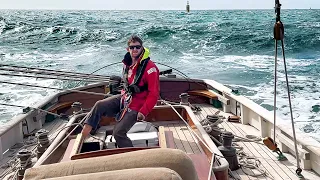
Sailing through the “Needles”
Leo Sampson Goolden navigates Tally Ho through the Needles into the Solent, reuniting with 90-year-old Roy in Warsash, touring Elephant Boat Yard, and completing a 26-hour passage back to Falmouth.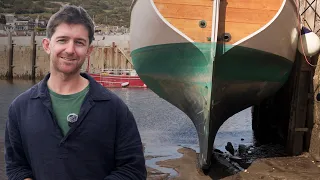
Sailing the British South coast!
Support TALLY HO; Become a Patron; Wishlist; Music; Dan Lebowitz, Tone Seeker - Back in the Saddle Brooks Williams - Johnny's Farewell FACEBOOK and INSTAGRAM