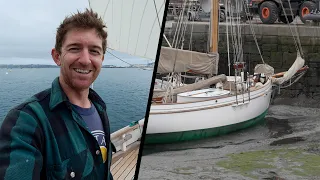
Winter rig upgrades… could Tally Ho actually win The Fastnet 100 years later?!
Leo Goolden begins winter decommissioning aboard Tally Ho at a friend’s boatyard in the United Kingdom, laying out rigorous refit plans to ready the historic 1910 gaff cutter for the upcoming Fastnet Race. Having sailed the vessel across the North Pacific back to the UK where she was originally built, following a 7-year reconstruction, the shipwright and creator behind Sampson Boat Co faces a demanding list of winter maintenance and performance upgrades.
With cold weather settling in, the immediate focus centers on protecting the running rigging and wooden woodwork from winter rain. Crew tasks begin by thoroughly drying the sails before removing them for dry storage, followed by downrigging halyards, blocks, and running rigging. While running tackle heads into the sheds and a full deck cover is planned, the spruce main mast and topmast will remain stepped in the vessel throughout the season before larger refit work begins next year.
Winter Decommissioning and Mast Spar Preservation
Exposure to rain makes moisture ingress a serious threat to spruce spars. Chafe from swinging blocks and the gaff saddle had worn through localized varnish coatings on the mast and topmast. Leaving bare timber exposed to persistent rainwater would trigger rot beneath adjacent varnish coats. Addressing these spots promptly in dry weather is critical to maintaining the spars:
“it’s really important on a spruce mast like this, especially to seal those areas up before that happens.”
Leo Goolden
To inspect and spot-varnish the spar aloft, Leo ascended the rig using a dedicated climbing line hoisted on its own block, paired with a Grigri belay device. A prusik knot loop tied around the line provided a dependable foothold to reach the masthead truck. Leo emphasized safety precautions when working aloft with ascending hardware:
“If doing this, bear in mind that a Grigri is not technically a hands-free belay device, so you should really always tie a backup knot before taking your hand off the tail of the line.”
Leo Goolden
Fastnet Entry Rules and Safety Modifications
Entering the Fastnet Race requires meeting stringent offshore safety regulations administered by the Royal Ocean Racing Club. Beyond mandated safety gear, qualifying ocean miles, and crew sea time aboard the boat, entering requires physical modifications to Tally Ho. The cutter currently relies solely on traditional low bulwarks, but official race regulations mandate perimeter guardrails of a specified height.
Rather than fitting permanent modern railings that disrupt traditional line handling and tender launching, Leo plans to pattern and cast custom bronze stanchions. These stanchions will mount with threaded deck sockets, allowing crew members to unscrew and remove them when guardrails are not required at sea or in port. Ongoing discussions with race organizers will define additional compliance details before spring qualifying races.
Rebalancing the Rig and Curing Weather Helm
The tactical heart of the refit targets Tally Ho’s windward sailing performance. The opening stages of the Fastnet frequently force competitors to beat into strong southwesterly headwinds and fierce tidal currents across the English Channel. Tally Ho presently suffers from a wide tacking angle and heavy weather helm when sailing close-hauled:
“One of the major things that slows Tallyho down upwind is what we call weather helm and this is due to imbalance in the rig basically.”
Leo Goolden
Weather helm occurs when the sail plan’s center of effort sits too far aft relative to the hull’s center of lateral resistance. Excess weather helm forces the helmsman to haul hard on the tiller, deflecting the rudder blade across the water stream. This deflection creates severe hydrodynamic drag, slowing forward speed and increasing downwind leeway. While high-pointing Falmouth working boats demonstrate the upwind potential of gaff rigs in Carrick Roads, Tally Ho requires physical rig adjustments to point higher.
To bring the center of effort forward without reducing mainsail area, Leo plans to lengthen the bowsprit to carry larger headsails further forward. Because suitable timber stretchers do not exist, lengthening the spar will require scarfing an extension onto the existing spar timber. Modifying the deck mounting hardware will allow crew to ship the longer bowsprit inboard or reef it shorter in punishing sea conditions.
Downwind Sail Plans and Yard Maintenance
Downwind efficiency in light air represents the second performance focus. Leo is exploring options for a spinnaker, weighing traditional sail shapes against modern cuts. Historic 1927 photographs of Tally Ho show the cutter flying a massive spinnaker set from an enormous spinnaker pole during her historic victory. Replicating that classic configuration requires evaluating construction costs, onboard storage capacity, and deck handling logistics under racing conditions.
Leo keeps performance expectations measured, noting modern racing craft are vastly faster even under handicap scoring systems:
“My goal is basically to make it around the course and finish the race.”
Leo Goolden
Alongside rig engineering, the winter schedule includes pulling an internal tank for structural repairs, overhauling the anchor capstan, servicing all deck winches, refreshing exterior brightwork, and installing a winter deck cover before spring trials begin.
| Campaign Milestone | Historical and Refit Details |
|---|---|
| Historic Vessel Build | 1910 Albert Strange gaff cutter design |
| Original Fastnet Victory | 1927 overall winner in gale conditions |
| Purchase Cost | 1 dollar prior to complete restoration |
| Rebuild Duration | 7 years of shipwright reconstruction |
| Centenary Race Target | 100 years following original 1927 win |
Frequently Asked Questions
Lengthening the bowsprit allows Tally Ho to carry larger headsails further forward, moving the center of effort forward to reduce heavy weather helm and improve upwind pointing ability.
The main mast and topmast remain stepped for the winter because full spar removal is deferred until next year, allowing Leo to focus on localized varnish maintenance to seal exposed spruce from rain.
The race mandates perimeter guardrails of a specific height, prompting Leo to design custom removable bronze stanchions that screw into threaded deck sockets without hindering deck work.
Leo acknowledges that modern racing yachts are far faster even with handicap adjustments, setting his primary goal on safely completing the course and finishing the centenary race.
Book a trip where this was filmed — near London

Support Sampson Boat Co
At WeBoating.com, we profoundly acknowledge the unwavering dedication that Sampson Boat Co invests in crafting each and every video or voyage. Their passion for delivering exceptional ocean content shines through every frame, and it's a labor of love that deserves your attention.
We invite you to watch their captivating videos here and actively engage with their content, including their social media links above. Liking, commenting, and sharing their work goes a long way in fueling their creative fire.
We're also inviting you to explore the gear, sponsorships, and boat partnerships highlighted in the "Winter rig upgrades… could Tally Ho actually win The Fastnet 100 years later?!" video description, or directly on YouTube. By engaging with these offerings or purchasing services and items, you directly support Sampson Boat Co, their collaborators, and the brands they're associated with.
To ensure you never miss an offshore update, consider visiting their official YouTube Channel to subscribe, like, and join their community directly.
If you have any feedback, corrections, or additional information about Sampson Boat Co or their videos, please use the comment form below to share your thoughts with us.
Thank you for being a part of our community and supporting the creators we cherish. Your time and support truly matter!
Support TALLY HO; http://www.sampsonboat.co.uk/support
Become a Patron; http://www.patreon.com/sampsonboatco
Wishlist; https://www.amazon.co.uk/hz/wishlist/ls/2NJ9J2VW5LPBU
EP272
Music;
Dan Lebowitz / Tone Seeker - Back in the Saddle
Sampson Boat Co
Leo Sampson Goolden's seven-year restoration of Tally Ho has transitioned from a Port Townsend shed to a Caribbean voyage, redefining maritime craftsmanship.
Channel Information:
Social Media Links:
Winter rig upgrades… could Tally Ho actually win The Fastnet 100 years later?! Location
- English Channel, United Kingdom (50.75,-1.3)
Latest Episodes from Sampson Boat Co
Explore the most recent voyages. Subscribe to the channel to never miss an update!
Taking the rig down before the winter storms arrive!
Leo Goolden unrigs Tally Ho in Cornwall ahead of winter storms, removing the bowsprit for modification, striking running rigging, and unbending the mainsail for transport to Ratsey & Lapthorn in Cowes.
Winter rig upgrades… could Tally Ho actually win The Fastnet 100 years later?!
Leo Goolden prepares the 1910 gaff cutter Tally Ho for winter in the UK, detailing spar maintenance, bowsprit modifications, and safety upgrades for the Fastnet Race.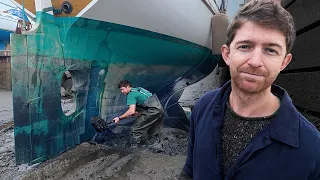
Getting my boat stuck in the mud
Leo Sampson Goolden maneuvers Tally Ho out of a Penryn mud berth and navigates shallow waters into Ashley Butler's Cornish boatyard, freeing the grounded cutter using a work boat, capstan, and shovel.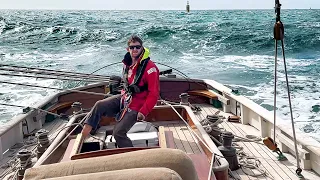
Sailing through the “Needles”
Leo Sampson Goolden navigates Tally Ho through the Needles into the Solent, reuniting with 90-year-old Roy in Warsash, touring Elephant Boat Yard, and completing a 26-hour passage back to Falmouth.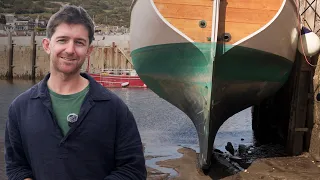
Sailing the British South coast!
Support TALLY HO; Become a Patron; Wishlist; Music; Dan Lebowitz, Tone Seeker - Back in the Saddle Brooks Williams - Johnny's Farewell FACEBOOK and INSTAGRAM