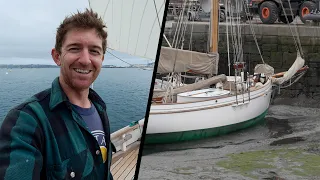
Sailing through the "Needles"
Departing Lyme Regis on the south coast of the UK, Leo Sampson Goolden sets sail eastward aboard Tally Ho, the restored 1910 Albert Strange gaff cutter. Having visited family in port, the crew of Sampson Boat Co evaluates conditions in the English Channel. With westerly winds blowing steadily, continuing east proves far more practical than turning back into an arduous upwind beat toward Cornwall.
Tally Ho clears Lyme Bay and rounds Portland Bill, a headland notorious for its turbulent tidal race. After spending a quiet night in Weymouth, the crew departs early the next morning. The passage plan calls for reaching the Needles in sync with the flooding tide before deteriorating weather arrives.
Approaching the Isle of Wight and Navigating the Needles
Building offshore chop marks the cutter’s approach to the western tip of the Isle of Wight. Towering chalk formations mark the entrance channel where, as Leo observes from the helm, “The Needles are the entrance into the Solent.” This narrow passage forms a notorious choke point hemmed in by shallow water on both sides.
Approaching on a flooding tide proves advantageous. Because the tidal current flows in the same direction as the westerly wind, the water avoids the violent overfalls that erupt when wind opposes the tide. Even with favorable current, the seas remain confused and choppy. Tally Ho holds a steady course through the narrow gap between unseen shoals, emerging safely into the Solent.
Mooring at Warsash and Meeting Fastnet Legend Roy
The Solent is one of the most historically important bodies of water for sailing, bordered by towns with deep maritime roots. After spending two nights on anchor, Tally Ho motors toward the River Hamble.
While entering the river, the cutter passes Jolly Breeze, the contemporary gaff cutter that won the inaugural Fastnet Race. Turning toward the Warsash pontoon, Leo issues calm helm commands: “Turn around that green can.” As Leo steers alongside port-side-to, the smooth landing prompts dockside bystander John to exclaim: “You didn’t even need your bow thruster.”
Tying up enables a historic meeting with 90-year-old Roy, who holds the oldest living memory of Tally Ho. Roy’s grandfather skippered Tally Ho during her famous 1927 Fastnet Race victory. Having boarded the cutter as a boy in the 1930s, Roy inspects the restored vessel and shares firsthand recollections of her sailing heritage.
Touring Elephant Boat Yard on the River Hamble
Casting off from Warsash, Tally Ho motors up the Hamble River under electric power past thousands of moored boats. The destination is Elephant Boat Yard, a traditional yard known for classic wooden boat restoration.
Elephant Boat Yard has operated through three generations. Co-director Beth explains that her grandfather, Mike Richardson, bought the land in 1951, opening a sailing school in 1952 before starting boatbuilding. Working alongside her is foreman Luke, who joined straight from school at 16. As Luke notes: “I’m now running into my 20th year here at the yard.” The yard continues preserving classic timber hulls alongside modern refit work.
Historic Berth at Buckler’s Hard on the Beaulieu River
Departing the Hamble, Tally Ho enters the Beaulieu River, winding into the New Forest. After pausing at a small gathering of classic wooden craft, the cutter docks at Buckler’s Hard, a historic riverside village where wooden warships were once built for Nelson’s fleet.
With Tally Ho berthed along the historic slipways, Leo travels to Bristol to recuperate from illness. Returning to the boat feeling better, he hosts a short-notice open house, welcoming visiting wooden boat enthusiasts to tour the vessel.
Autumn Weather Window and the 26-Hour Run to Falmouth
Following the Buckler’s Hard stay, crew member Marit departs for an artist residency in the Azores, and Leo’s brother arrives to crew for the return leg. Autumn in the English Channel typically brings relentless westerly winds, but forecasts predict a rare window of light northerly breezes.
Taking advantage of the northerly winds, the crew heads west for Cornwall. The offshore passage delivers settled weather, phosphorescence, and visiting dolphins. Leo noted that “it took 26 hours for us to get into Falmouth” before heavy weather arrived. Reaching Falmouth safely concludes the sailing season, allowing Leo to secure Tally Ho for winter maintenance, rig alterations, and Fastnet preparations.
| Passage Stage / Location | Route & Maritime Heritage | Recorded Timeline & Figures | Shipboard Operations & Notes |
|---|---|---|---|
| The Needles Channel | Narrow entrance into western Solent | Flooding tide running with westerly wind | Navigated choppy overfalls through narrow gap between shoals |
| Warsash Pontoon on River Hamble | Meeting 90-year-old Roy, grandson of 1927 skipper | 1927 Fastnet Race connection; 90-year-old guest | Docked port-side-to without using auxiliary bow thruster |
| Elephant Boat Yard | Historic timber restoration yard on River Hamble | 1951 land purchase; 1952 school; 20th year for Luke | Third-generation yard management preserves classic wooden hulls |
| Solent to Falmouth Harbor | Westbound return passage along South Coast | 26 hours continuous passage time | Nonstop passage sailed under light northerly winds before gales |
Frequently Asked Questions
The Needles channel forms a narrow passage bordered by shallow shoals with powerful tidal currents. When wind opposes the tide, violent overfalls develop, though arriving on a flooding tide aligned with the wind kept conditions manageable despite choppy water.
Roy is a 90-year-old guest whose grandfather skippered Tally Ho during the 1927 Fastnet Race, recalling memories of being aboard the wooden cutter as a young boy during the 1930s.
Mike Richardson purchased the land in 1951 and opened a sailing school in 1952 before starting boatbuilding. Today, his granddaughter Beth co-runs the yard, while foreman Luke has worked there into his 20th year after joining at age 16.
Tally Ho moored at Buckler’s Hard on the Beaulieu River while Leo recuperated from illness in Bristol, later hosting an informal dockside open house before setting off for Cornwall.
The nonstop passage from the Solent to Falmouth took 26 hours, utilizing a rare weather window of light northerly winds to reach port just before heavy coastal weather arrived.
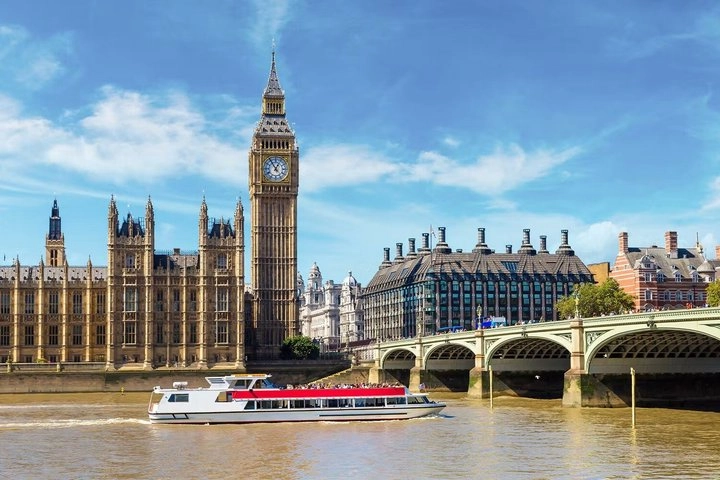
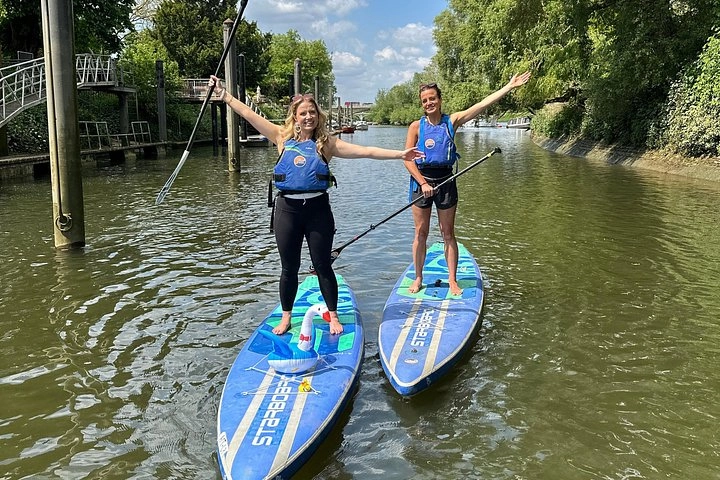
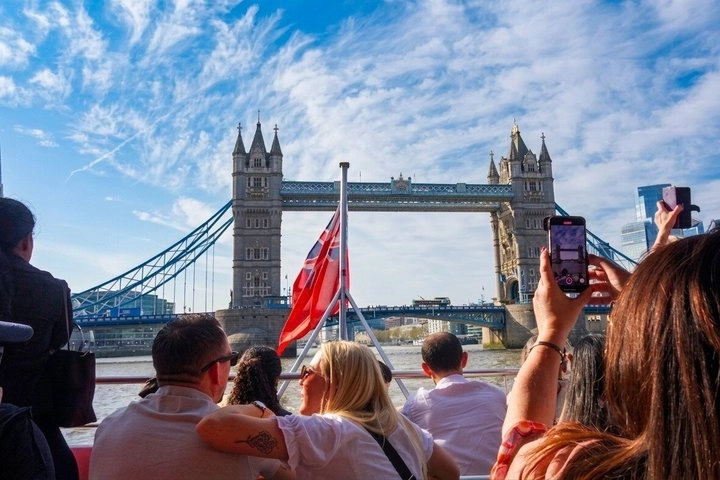
Book a trip where this was filmed — near London
Support Sampson Boat Co
At WeBoating.com, we profoundly acknowledge the unwavering dedication that Sampson Boat Co invests in crafting each and every video or voyage. Their passion for delivering exceptional ocean content shines through every frame, and it's a labor of love that deserves your attention.
We invite you to watch their captivating videos here and actively engage with their content, including their social media links above. Liking, commenting, and sharing their work goes a long way in fueling their creative fire.
We're also inviting you to explore the gear, sponsorships, and boat partnerships highlighted in the "Sailing through the "Needles"" video description, or directly on YouTube. By engaging with these offerings or purchasing services and items, you directly support Sampson Boat Co, their collaborators, and the brands they're associated with.
To ensure you never miss an offshore update, consider visiting their official YouTube Channel to subscribe, like, and join their community directly.
If you have any feedback, corrections, or additional information about Sampson Boat Co or their videos, please use the comment form below to share your thoughts with us.
Thank you for being a part of our community and supporting the creators we cherish. Your time and support truly matter!
Support TALLY HO; http://www.sampsonboat.co.uk/support
Become a Patron; http://www.patreon.com/sampsonboatco
Wishlist; https://www.amazon.co.uk/hz/wishlist/ls/2NJ9J2VW5LPBU
Roy's original interview; https://www.youtube.com/watch?v=6d_S4PYmIrQ
Sampson Boat Co
Leo Sampson Goolden's seven-year restoration of Tally Ho has transitioned from a Port Townsend shed to a Caribbean voyage, redefining maritime craftsmanship.
Channel Information:
Social Media Links:
Sailing through the "Needles" Location
- The Needles Channel (50.6624,-1.591)
- Lyme Regis Harbor (50.7208,-2.9344)
- Weymouth Harbor (50.608,-2.451)
- Warsash Pontoon (50.8525,-1.305)
- Elephant Boat Yard (50.8872,-1.3105)
- Buckler's Hard (50.7989,-1.4236)
- Falmouth Harbor (50.153,-5.064)
Latest Episodes from Sampson Boat Co
Explore the most recent voyages. Subscribe to the channel to never miss an update!
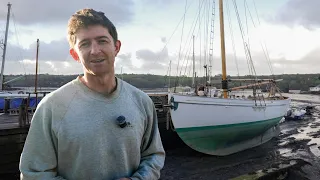
Taking the rig down before the winter storms arrive!
Leo Goolden unrigs Tally Ho in Cornwall ahead of winter storms, removing the bowsprit for modification, striking running rigging, and unbending the mainsail for transport to Ratsey & Lapthorn in Cowes.
Winter rig upgrades… could Tally Ho actually win The Fastnet 100 years later?!
Leo Goolden prepares the 1910 gaff cutter Tally Ho for winter in the UK, detailing spar maintenance, bowsprit modifications, and safety upgrades for the Fastnet Race.
Getting my boat stuck in the mud
Leo Sampson Goolden maneuvers Tally Ho out of a Penryn mud berth and navigates shallow waters into Ashley Butler's Cornish boatyard, freeing the grounded cutter using a work boat, capstan, and shovel.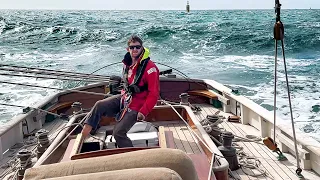
Sailing through the “Needles”
Leo Sampson Goolden navigates Tally Ho through the Needles into the Solent, reuniting with 90-year-old Roy in Warsash, touring Elephant Boat Yard, and completing a 26-hour passage back to Falmouth.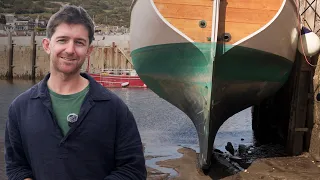
Sailing the British South coast!
Support TALLY HO; Become a Patron; Wishlist; Music; Dan Lebowitz, Tone Seeker - Back in the Saddle Brooks Williams - Johnny's Farewell FACEBOOK and INSTAGRAM