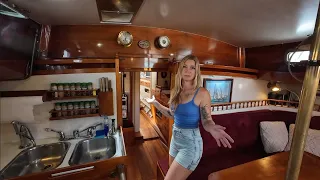
Salt & Tar: Ep.365- Project vs Home
Garrett and Ruth Jolly of Salt & Tar secure Victoria before departing on an eight-and-a-half-hour drive through Baja toward Puerto Peñasco, Mexico, to resume work on their 35-foot wooden ketch, Rediviva. The crew had spent over six weeks away from the northern Sea of Cortez following the death of Garrett’s father and their acquisition of Victoria on the Pacific coast, leaving Rediviva floating under protective shade cloth in the marina. With an impending deadline to vacate their land base, they face the dual challenge of clearing their rented apartment and preparing Rediviva for sea.
Returning to Puerto Peñasco and the Rented Apartment
The overland journey took Garrett and Ruth through Baja wine country to the pueblo-style border crossing at Tecate, where two lanes expanded into six and compressed back into two before they completed the desert drive to Puerto Peñasco. Upon reaching their rented apartment, they were greeted by the disorderly reality of their extended absence. The space had served as a staging ground and tool workshop while Rediviva was hauled out in the boatyard, with spare cabin cushions functioning as a makeshift sofa and the dedicated spares room packed to the ceiling.
A quick inspection of the refrigerator revealed blackened bananas left behind six weeks earlier. Despite the clutter and lingering fatigue, returning to Puerto Peñasco marked a clear turning point for the project. Garrett collected dinner burritos for the evening, setting a firm schedule to sort belongings and transfer essential gear aboard the wooden ketch within five days.
Inspecting Rediviva and Shifting Refit Priorities
Down at the marina, Garrett began clearing six weeks of accumulated desert sand from Rediviva‘s decks with fresh water. Ruth remained laid up fighting a cold as temperatures hovered around 90-degree heat, adding physical strain to the moving process. At the helm, Garrett located the ignition keys still resting in the switch, started the engine, and inspected fluid levels and electrical system voltages, noting that the machinery ran cleanly with no adverse odors.
Below decks, Rediviva remained a stripped shell. Recognizing the logistical strain of managing two vessels across the peninsula, the crew adjusted their refit strategy. Rather than striving for complete interior cosmetic perfection before departing, they narrowed their immediate punch list to essential structural enclosures needed for the passage toward Ensenada via the Sea of Cortez. Primary focus centered on closing gaping deck openings, specifically completing the forecastle hatch, finishing the aft hatch, and sealing the pilothouse windows against ocean weather.
Clearing the Land Base and Staging Surplus Gear
With only two days remaining on their apartment lease, sorting through years of accumulated equipment became an exercise in discipline. The truck was loaded with essential boat hardware and personal supplies, along with eight spare sails that Garrett loaded into the vehicle despite none of them matching Rediviva‘s sail plan. Garrett remarked on the excess canvas: “What if we needed to make a jury rig for the boat and now we’ve got eight different size sails to choose from for a hypothetical rig that doesn’t exist?”
To keep Rediviva‘s cabin from becoming overcrowded during the refit, the marina owner offered the back corner of his garage for temporary storage. This designated shore footprint allowed the couple to offload surplus equipment and stage secondary items off the vessel. By their final afternoon in town, the apartment was scrubbed clean, stripped of tools and boat parts, leaving only trash and bags of giveaways behind.
Moving Aboard and Rebuilding the Foredeck Bunk
Returning to sleep aboard Rediviva on the water brought an immediate change in living conditions. Compared to the oppressive heat of the apartment on land, the marina provided cooling breezes. Garrett and Ruth carried the boat cushions back below and laid out a new memory foam topper over their foredeck bunk. The custom sleeping berth, built during the original boat construction, spans the entire beam of the hull.
Garrett explained that because the low foredeck eliminated standing headroom, dedicating the entire forward area to a king-size sleeping platform eliminated wasted walkway space while dramatically increasing dry storage underneath. Across the beam, the wide transverse berth provides a critical safety and comfort feature offshore, allowing the crew to sleep athwartships when heavy rolling seas toss the vessel. To restore basic living routines after long days of labor, Garrett rigged an outdoor camping shower tent on deck outside the pilothouse door, giving Ruth a freshwater rinse under the airflow of the cabin air conditioning unit.
Upgrading the Electrical System Before Incoming Storms
As atmospheric pressure dropped and outer clouds from Hurricane Rachel began spreading over the region, the crew battened down Rediviva for heavy rain. With a harbor neighbor in Ensenada keeping watch over Victoria, Garrett set up inside Rediviva‘s salon to begin an extensive overhaul of the onboard DC power system while Ruth edited footage at the cabin table.
Garrett began mapping out the replacement of the existing house battery bank. For years, the vessel relied on six Lifeline AGM 6-volt batteries wired in series and parallel—split into four batteries in the lower bank and two in an upper bank—alongside a single 12-volt engine starter battery. Reflecting on his reluctance to abandon lead-acid chemistry, Garrett admitted: “I was a hold out for a long time, and I had my various reasons, but one of the reasons is I’m just like kind of an old school person, and maybe I’m a little bit resistant to change.”
The original build pushed both builders to extreme physical and mental exhaustion. Garrett recalled the intense strain: “building and completing this boat pushed both of us to the brink of sanity.” After wiring the original distribution panel, bilge pumps, inverter, watermaker, and raw saltwater pump under severe burnout, Garrett planned to replace the bulky AGM bank with modern lithium batteries and new solar charge controllers. The upgrade will fit into a fraction of the original footprint while delivering nearly double the usable amp-hour capacity as they prepare Rediviva for upcoming northern voyages.
Frequently Asked Questions
Their absence was extended unexpectedly following the death of Garrett’s father and their work acquiring Victoria on the Pacific coast.
The crew must seal major openings cut into the boat, specifically completing the forecastle hatch, the aft hatch, and the pilothouse windows.
Because the low foredeck provides limited headroom, eliminating a walkway allowed the crew to maximize storage beneath the bed while creating a berth that permits sleeping athwartships during heavy sea conditions.
Garrett is removing six 6-volt Lifeline AGM batteries—arranged with four in a lower bank and two in an upper bank—along with one 12-volt starter battery, replacing them with a compact lithium bank and new solar charge controllers.
The marina owner in Puerto Peñasco provided space in the back corner of his garage to store surplus gear and sails, preventing Rediviva from becoming overloaded during ongoing refit work.
Book a trip where this was filmed — near San Diego









Support Salt & Tar
At WeBoating.com, we profoundly acknowledge the unwavering dedication that Salt & Tar invests in crafting each and every video or voyage. Their passion for delivering exceptional ocean content shines through every frame, and it's a labor of love that deserves your attention.
We invite you to watch their captivating videos here and actively engage with their content, including their social media links above. Liking, commenting, and sharing their work goes a long way in fueling their creative fire.
We're also inviting you to explore the gear, sponsorships, and boat partnerships highlighted in the "Salt & Tar: Ep.365- Project vs Home" video description, or directly on YouTube. By engaging with these offerings or purchasing services and items, you directly support Salt & Tar, their collaborators, and the brands they're associated with.
To ensure you never miss an offshore update, consider visiting their official YouTube Channel to subscribe, like, and join their community directly.
If you have any feedback, corrections, or additional information about Salt & Tar or their videos, please use the comment form below to share your thoughts with us.
Thank you for being a part of our community and supporting the creators we cherish. Your time and support truly matter!
Converting our refit project back into a home. We didn't intend to be gone for over 6 weeks but life has a way of doing that. Regardless of being "ready" or not we decided to keep to our schedule of leaving the apartment in October to hopefully be sailing in December... we'll see what happens!
Thanks for watching!
p.s. I try and reply to as many comments as I can but we are still so so busy so please do not take it personally 💕
Much love!!!
REFIT FUND: https://www.paypal.com/paypalme/saltandtar
https://saltandtar.org/
https://www.patreon.com/saltandtar ----- pledge per episode
https://www.paypal.com/paypalme/saltandtar --------- one-time donation
You can also support the project and sport some of our merchandise:
https://www.bonfire.com/store/saltandtarswag/
Also, thank you for watching/tolerating the ads. They really help us out financially. We can't control what ads (that typically depends on your "cookies" i.e. your internet history) but it's an easy free way to support the project and buy more parts for the boat. Thanks everybody :)
Music featured:
Epidemic Sound- referral link below
https://share.epidemicsound.com/9srkjx
WANT some Thixo for yourself? Use our link and get a 5% discount with TotalBoat:
https://www.totalboat.com/saltandtar
Code:03WHEXTEYFCA
The dinghy is from CLC, Chesapeake Light Craft, the Tenderly 10 design:
https://clcboats.com/shop/boats/wooden-sailboat-kits/tenderly-dinghy.html
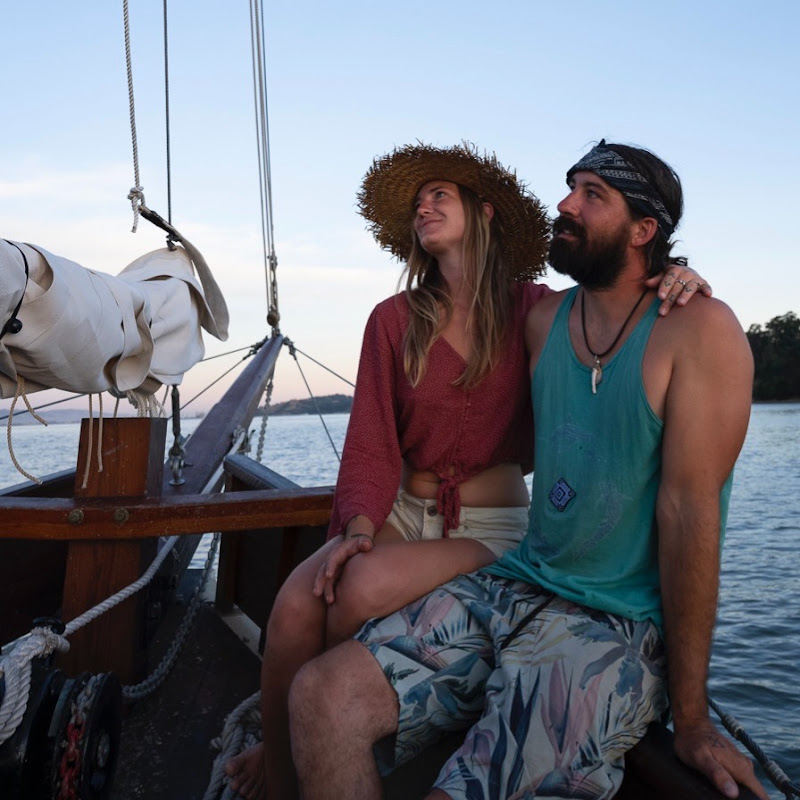
Salt & Tar
Garrett and Ruth Jolly: The artisans behind Salt & Tar, currently double-planking their 35ft wooden ketch, Rediviva, for the next phase of their Pacific expedition.
Channel Information:
Social Media Links:
Salt & Tar: Ep.365- Project vs Home Location
- Marina Puerto Peñasco (31.3056,-113.5435)
- Tecate Border Crossing (32.5768,-116.6277)
- Ensenada Harbor (31.8667,-116.62)
Latest Episodes from Salt & Tar
Explore the most recent voyages. Subscribe to the channel to never miss an update!
Salt & Tar: Ep.365- Project vs Home
Garrett and Ruth Jolly vacate their rented apartment in Puerto Peñasco to move back aboard Rediviva, shifting refit tasks and preparing a lithium battery upgrade as storm weather approaches.
Salt & Tar: Ep.364- New Heights
Garrett and Ruth Jolly survey Victoria, assessing her 30-year-old standing rigging, diagnosing rainwater deck leaks, and cleaning the 51-year-old wooden ketch.
Salt & Tar: Ep.363- The Boat is Ours!
Taking possession of Victoria in Ensenada, Garrett and Ruth Jolly scrub the interior joinery and disconnect troubling bilge bonding wires to halt wood delignification along the Monel keel bolts and stuffing box.
Salt & Tar: Ep.362- OUT of the WATER Survey
Garrett and Ruth of Salt & Tar haul out the classic wooden yacht Victoria for a pre-purchase survey, freeing a seized shaft brake and torching shipworms.
Salt & Tar: Ep.361- IN-THE-WATER Survey
Garrett and Ruth Jolly of Salt & Tar travel from Puerto Peñasco to Ensenada, Mexico, conducting an in-the-water marine survey of Victoria, a classic William Garden Porpoise wooden cruising ketch.