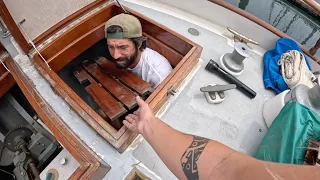
Salt & Tar: Ep.363- The Boat is Ours!
Departing California shortly after 6:00 for a 7-hour drive south to Ensenada, Mexico, Garrett and Ruth Jolly arrived to take official possession of Victoria, their newly acquired Robin Fung teak ketch. Documented on Salt & Tar, the acquisition added a second wooden vessel to their care alongside their hand-built gaff ketch Rediviva.
Stepping aboard the boat for day one of ownership, the couple opened the ports to air out the interior and immediately tackled cleaning and surveying equipment throughout the cabins.
Taking Possession and Cabin Reconditioning
With ownership paperwork signed, Ruth began clearing discarded gear from previous years and washing down the living quarters using a bucket of soapy water and a magic eraser. Years of accumulated grime covered the joinery, though the underlying teak structure remained in sound condition:
“Priority number one, get our bunk clean.”
While Ruth worked through the cabin, Garrett climbed forward into the chain locker to haul out and inspect the ground tackle. The exterior length of chain showed superficial oxidation, but pulling the run to its bitter end revealed heavier rust where a taut line secured the final links:
“The very last chain doesn’t look too healthy.”
Moving between compartments, Ruth uncovered a dried chili behind the woodwork that briefly gave her a start, mistaking it for an insect before continuing to wipe down the bulkheads. Assessing the sleeping berths, the crew inspected the cushions. The previous owner had remade the cushions across the vessel with soft foam, but opted for an exceptionally firm, dense foam block for the starboard main berth. After a restless first night on the rigid cushion, Garrett and Ruth opted to sleep on the slide-out port bunk while making plans to replace the starboard foam.
Evaluating the Delignification Threat
Following a flawless first 24 hours aboard, Garrett turned his attention to his top mechanical priority: disconnecting Victoria’s hull bonding system. In standard marine electrical systems, copper bonding wires link underwater through-hulls and metal hardware to sacrificial zinc anodes to mitigate galvanic corrosion. While effective on fiberglass hulls, bonded systems on wooden boats can trigger severe wood degradation:
“I would much rather a through-hull suffer from electrolysis and have to pull out and replace a through-hull than for the through-hull to be perfectly fine and all of the wood surrounding the through-hull in the plank to go bad and have to do a plank repair.”
As sacrificial zinc dissolves, the electrochemical reaction produces an alkaline chemical residue that attacks lignin—the structural binder in wood cells. Over time, delignification causes timber to soften and crumble into fibrous pulp. While Garrett investigated the wiring runs, Ruth completed the vessel’s Mexican liability insurance paperwork and emailed the documents to Paula:
“I finished the Mexican liability insurance and emailed it to Paula.”
At the stern, Garrett accessed the propeller stuffing box. He unbolted four copper bonding wires—two on each side—disconnecting the shaft seal and grounding circuit from the external zincs to halt the chemical reaction immediately.
Inspecting Keel Bolts and Tracing the Circuit
Garrett next moved into the forward bilge to disconnect the bonding leads attached to the keel fasteners. Cleaning away surface grime, he examined the heavy structural bolts securing the ballast keel:
“Beneath the filth, she’s rock solid. These are Monel. Keel bolts are a huge part a huge huge structural part on any wooden boat.”
Removing two screws from the connecting plate, Garrett pulled back the copper wire. Directly underneath where the wire rested against the wood, a visible shallow groove of delignification confirmed that electrochemical breakdown had already begun on the surface.
As Garrett traced the wire routing throughout the hull, the system revealed significant anomalies. Standard bonding networks connect all underwater seacocks and through-hulls, yet none of Victoria’s through-hulls were wired into the circuit. Instead, the wiring ran exclusively between three chain plates bolted through hull frames down to the keel bolts forward, and from the chain plates back to the stuffing box aft.
Garrett analyzed the circuit layout. While routed similarly to a lightning dissipation path, the light-gauge copper wire was far too thin to conduct a lightning strike without vaporizing instantly. Considering Victoria’s cruising past in the South Pacific, Garrett hypothesized that an enthusiast had installed the thin wire as a radio static drain, grounding the shrouds and stays to reduce interference on a high-frequency receiver. Because the installation actively degraded surrounding timbers, Garrett confirmed 100 percent of the bonding wire would be systematically decommissioned and removed.
Marina Break and Day Two Bilge Cleaning
Taking a pause from refit work, the crew headed to the marina restaurant in Ensenada for lunch. Having spent over a month in California where provisioning costs were steep, dining out at the local marina offered a welcome meal that proved more economical than grocery store runs in the states.
On day two, Garrett and Ruth resumed maintenance forward. Working methodically through the forward bilge, Garrett washed down the structural timber and bilge paintwork, confirming sound coatings beneath the grime and establishing an ongoing refit schedule for the wooden ketch.
| Refit Item & Log Metric | Observed Detail |
|---|---|
| Road Transit Duration | 7-hour drive from California to Ensenada |
| Initial Evaluation Period | 24 hours aboard Victoria |
| Stuffing Box Bonding Connections | 4 copper wires unbolted at the stern |
| Framed Chain Plate Terminations | 3 chain plates wired to Monel keel bolts |
| Keel Bonding Plate Fasteners | 2 screws removed per keel plate |
Frequently Asked Questions
Garrett disconnected the copper bonding wires to prevent delignification, an electrochemical reaction from sacrificial zincs that breaks down the structural lignin in wooden planking.
Rather than linking all underwater through-hulls, the thin copper wires ran exclusively between three chain plates and the keel bolts forward, and between chain plates and the stuffing box aft.
Garrett deduced the thin-gauge wire was likely installed as a static grounding path for a high-frequency marine radio rather than lightning protection, which would have vaporized the wire.
Victoria’s keel bolts are Monel metal in sound structural condition, showing only shallow superficial wood delignification along the timber where the copper wire rested.
The starboard main bunk was fitted with a custom rock-hard cushion that proved extremely uncomfortable, prompting the crew to use the pull-out port berth until the dense foam could be replaced.
Book a trip where this was filmed — near San Diego

Support Salt & Tar
At WeBoating.com, we profoundly acknowledge the unwavering dedication that Salt & Tar invests in crafting each and every video or voyage. Their passion for delivering exceptional ocean content shines through every frame, and it's a labor of love that deserves your attention.
We invite you to watch their captivating videos here and actively engage with their content, including their social media links above. Liking, commenting, and sharing their work goes a long way in fueling their creative fire.
We're also inviting you to explore the gear, sponsorships, and boat partnerships highlighted in the "Salt & Tar: Ep.363- The Boat is Ours!" video description, or directly on YouTube. By engaging with these offerings or purchasing services and items, you directly support Salt & Tar, their collaborators, and the brands they're associated with.
To ensure you never miss an offshore update, consider visiting their official YouTube Channel to subscribe, like, and join their community directly.
If you have any feedback, corrections, or additional information about Salt & Tar or their videos, please use the comment form below to share your thoughts with us.
Thank you for being a part of our community and supporting the creators we cherish. Your time and support truly matter!
What's the first thing we do on our new boat? Disconnect the troubling bonding wires. Also, clean!
Thanks for watching!
p.s. I try and reply to as many comments as I can but we are still so so busy so please do not take it personally 💕
Much love!!!
REFIT FUND: https://www.paypal.com/paypalme/saltandtar
https://saltandtar.org/
https://www.patreon.com/saltandtar ----- pledge per episode
https://www.paypal.com/paypalme/saltandtar --------- one-time donation
You can also support the project and sport some of our merchandise:
https://www.bonfire.com/store/saltandtarswag/
Also, thank you for watching/tolerating the ads. They really help us out financially. We can't control what ads (that typically depends on your "cookies" i.e. your internet history) but it's an easy free way to support the project and buy more parts for the boat. Thanks everybody :)
Music featured:
Epidemic Sound- referral link below
https://share.epidemicsound.com/9srkjx
WANT some Thixo for yourself? Use our link and get a 5% discount with TotalBoat:
https://www.totalboat.com/saltandtar
Code:03WHEXTEYFCA
The dinghy is from CLC, Chesapeake Light Craft, the Tenderly 10 design:
https://clcboats.com/shop/boats/wooden-sailboat-kits/tenderly-dinghy.html
Salt & Tar
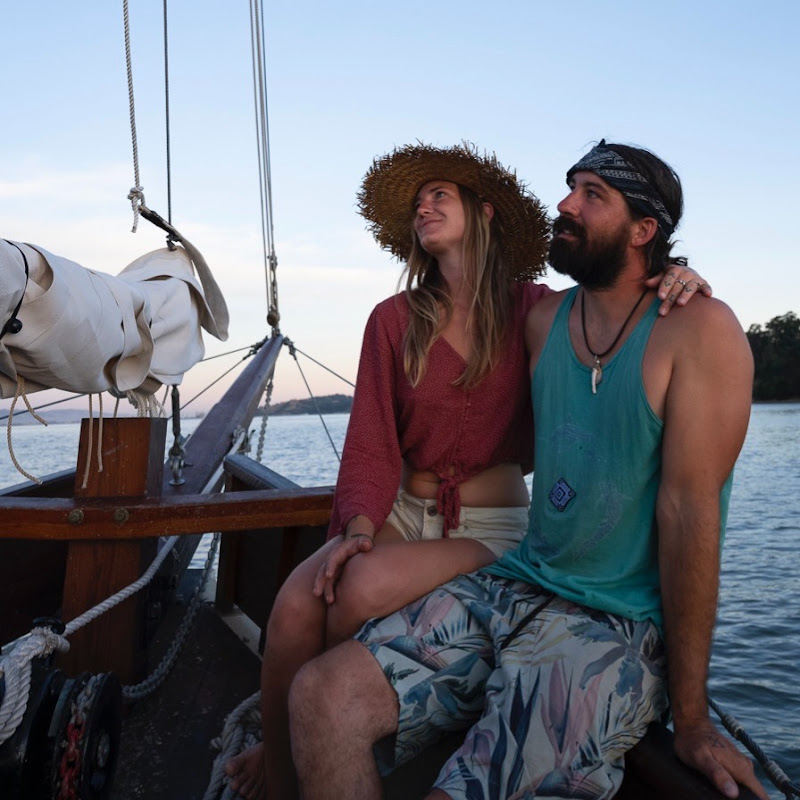
Garrett and Ruth Jolly: The artisans behind Salt & Tar, currently double-planking their 35ft wooden ketch, Rediviva, for the next phase of their Pacific expedition.
Channel Information:
Social Media Links:
Salt & Tar: Ep.363- The Boat is Ours! Location
- Marina Ensenada, Baja California, Mexico (31.8578,-116.6268)
Latest Episodes from Salt & Tar
Explore the most recent voyages. Subscribe to the channel to never miss an update!
Salt & Tar: Ep.366- Power Upgrade
Garrett and Ruth upgrade Rediviva's electrical system in Puerto Peñasco, replacing AGM batteries with lithium and rewiring solar during Tropical Storm Rachel.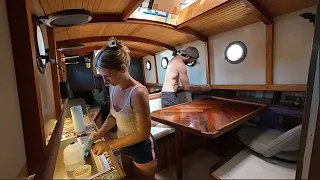
Salt & Tar: Ep.365- Project vs Home
Garrett and Ruth Jolly vacate their rented apartment in Puerto Peñasco to move back aboard Rediviva, shifting refit tasks and preparing a lithium battery upgrade as storm weather approaches.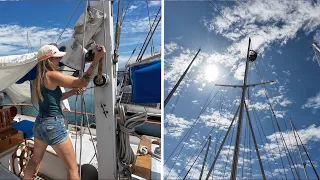
Salt & Tar: Ep.364- New Heights
Garrett and Ruth Jolly survey Victoria, assessing her 30-year-old standing rigging, diagnosing rainwater deck leaks, and cleaning the 51-year-old wooden ketch.
Salt & Tar: Ep.363- The Boat is Ours!
Taking possession of Victoria in Ensenada, Garrett and Ruth Jolly scrub the interior joinery and disconnect troubling bilge bonding wires to halt wood delignification along the Monel keel bolts and stuffing box.
Salt & Tar: Ep.362- OUT of the WATER Survey
Garrett and Ruth of Salt & Tar haul out the classic wooden yacht Victoria for a pre-purchase survey, freeing a seized shaft brake and torching shipworms.