Why this boat is not an offshore sailor😇
Aboard a classic wooden double-ender built in 1945, Erik Aanderaa inspects the vessel’s exposed deck layout while underway in Norwegian coastal waters. Looking down at the cockpit sole, Erik examines the vulnerable machinery arrangement that prevents the historic craft from attempting demanding open-ocean passages like winter crossings of the North Sea.
Cockpit Drainage and Engine Flooding Risks
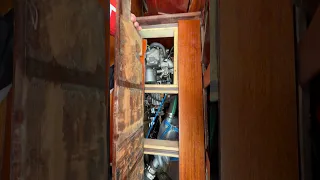
The critical vulnerability on this wooden double-ender lies directly beneath the helmsman’s boots in the cockpit. Rather than a self-bailing cockpit with watertight hatches, unsealed wooden boards provide the only barrier above the inboard engine. A breaking crest dumped across the coaming would pour straight through the loose floorboards into the bilge, bypassing drainage channels and swamping the machinery. While examining the open gaps between the planks, Erik points out that “water will come straight down here” whenever breaking seas wash over the deck.
Inshore Navigation and Coastal Storm Precautions
Although an electric bilge pump is fitted aboard to evacuate bilge water if necessary, Erik emphasizes that the vessel cannot risk taking green water over the rails in heavy offshore conditions. Acknowledging the clear structural limitations of the design, he notes that he “don’t want to go anywhere near big waves with this boat” and concludes that “it’s definitely an inshore boat.” While appreciating the calm passage and remarking that it is beautiful out on the water, Erik monitors the freshening breeze and changing weather. Planning his arrival into port, he explains that “in a few hours couple of hours we’ll be a be safe inside tied up for the storm to come” before the coastal gale sets in.
Frequently Asked Questions
Loose wooden boards on the cockpit floor leave the engine exposed underneath, meaning any breaking green sea dumped across the deck flows straight into the machinery space and bilge.
Yes, an electric bilge pump is installed aboard to pump out water from the bilge if needed, though it is not designed to cope with breaking ocean crests.
With the wind and weather picking up, Erik heads inshore to be safe inside and tied up at the dock within a couple of hours before the storm arrives.
Support Erik Aanderaa
At WeBoating.com, we profoundly acknowledge the unwavering dedication that Erik Aanderaa invests in crafting each and every video or voyage. Their passion for delivering exceptional ocean content shines through every frame, and it's a labor of love that deserves your attention.
We invite you to watch their captivating videos here and actively engage with their content, including their social media links above. Liking, commenting, and sharing their work goes a long way in fueling their creative fire.
We're also inviting you to explore the gear, sponsorships, and boat partnerships highlighted in the "Why this boat is not an offshore sailor😇" video description, or directly on YouTube. By engaging with these offerings or purchasing services and items, you directly support Erik Aanderaa, their collaborators, and the brands they're associated with.
To ensure you never miss an offshore update, consider visiting their official YouTube Channel to subscribe, like, and join their community directly.
If you have any feedback, corrections, or additional information about Erik Aanderaa or their videos, please use the comment form below to share your thoughts with us.
Thank you for being a part of our community and supporting the creators we cherish. Your time and support truly matter!
This wooden double ender from 1945 has only wooden boards covering the engine in the cockpit. Cross deck seawater will go straight to the bilge. Better stay away from the big breaking seas!

Erik Aanderaa
Discover the 'No Bullshit' world of Erik Aanderaa as he documents his 2026 Arctic odyssey and solo circumnavigation of Svalbard aboard his Contessa 35.
Channel Information:
Social Media Links:
Why this boat is not an offshore sailor😇 Location
- Haugesund, Rogaland, Norway (59.4138,5.268)
Latest Episodes from Erik Aanderaa
Explore the most recent voyages. Subscribe to the channel to never miss an update!
Why this boat is not an offshore sailor😇
Erik Aanderaa inspects a 1945 wooden double-ender in Norway, explaining why loose cockpit boards and direct bilge flooding keep it strictly inshore.
Sailing this treasure to its new owner❤️
Leg 2 of sailing this beautiful 1945 wooden double ender to it’s lucky new owner😀 A 145 nm trip. Listen to that single cylinder ticking just under the cockpit floorboards⛵️
Check out this amazing boat!
I’m sailing this fully wooden 31 foot double ender for 140 NM to its new lucky owner! What an incredible little ship from 1945❤️🌊🇳🇴 #nbjs #norway #sailing #adventuretime
I was WARNED about crossing this OCEAN! – Chapter 2
Get 4 months extra on a 2 year plan here: - It's risk-free with Nord's 30-day money-back guarantee! Join this incredible ride in stormy conditions across the Folda Ocean! This is one of Norways most feared open coastlines. With westerly winds the Norwegian Sea is pumping up huge waves cr...