The Local’s Ultimate Vancouver, BC Crabbing Guide: Expert Dungeness & Red Rock Tips

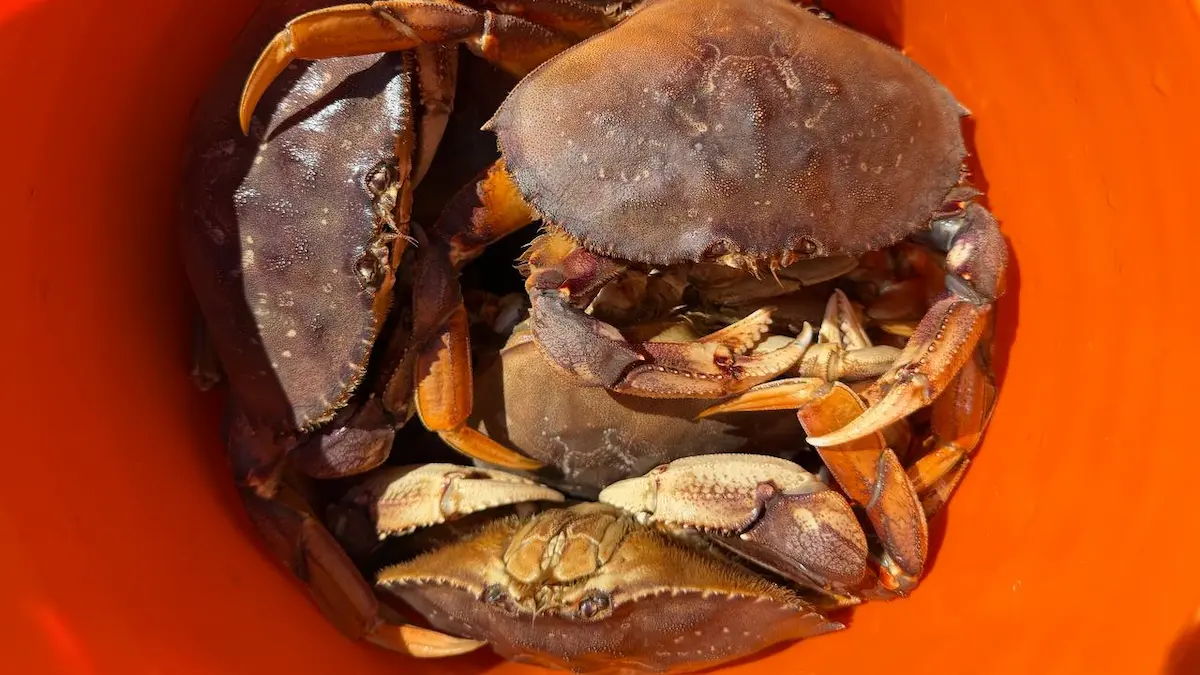
The secret to a full pot of Dungeness and Red Rock Crab isn’t luck; it’s timing, placement, and understanding the local marine environment. The best time to crab the West Coast and the Salish Sea is generally Fall through Winter (October to March), focusing your effort around the slack tide—the hour before and after the peak high or low tide—when the current slows and the crabs are actively foraging. For Dungeness, set your traps on sandy, muddy bottoms at depths between 20 to 80 feet, whereas Red Rock crabs prefer rocky structures, breakwaters, and shallower kelp beds.
Cruising the Pacific Northwest offers an exceptional opportunity to drop pots right from the deck. Whether you are sailing the rugged waters of Vancouver Island on a luxury catamaran, exploring the Puget Sound, or heading out from Vancouver’s English Bay on a small sailboat, mastering these crabbing techniques will ensure a bounty of fresh seafood. Weekly bareboat yacht charters in the Pacific Northwest range from $4,000 to $10,000 depending on boat size, while hiring a professional skipper adds approximately $1,500 to $2,500 per week to provide navigation, local anchoring, and crabbing guidance. If you are comparing regional charters, read our British Columbia yacht charter guide or browse our Gulf Islands yacht charter guide to plan your cruise.
Key Takeaways
- Timing the Tide is Crucial: Drop your pots during slack tide. Strong tidal currents in the Pacific Northwest will roll your traps, scatter your bait scent, and prevent crabs from entering.
- Targeted Habitats: Dungeness crabs favor open sandy flats and estuaries, while the smaller, aggressive Red Rock crabs hide in rocky shorelines, eelgrass beds, and around dock pilings.
- Local Regulations & Licensing: Rules differ strictly between US waters (WDFW/ODFW/CDFW) and Canadian waters (DFO). Always carry a valid license, respect daily bag limits, and release all female crabs.
⚓ Vancouver & BC Crabbing Vitals
| Primary Target Species | Dungeness Crab (Metacarcinus magister) & Red Rock Crab (Cancer productus) |
| Best Crabbing Season | October–March (Dryer fall months are peak; winter is excellent) |
| Legal Hauling Hours | 1 hour before sunrise to 1 hour after sunset |
| Optimal Tide Window | 1 hour before to 1 hour after slack tide (High or Low slack) |
| Ideal Bottom Habitat | Dungeness: Sandy/Muddy flats (20-80 ft) Red Rock: Rocky reefs, kelp, docks (5-40 ft) |
| Essential Licensing | Tidal Water Sport Fishing License (DFO) |
| Daily Catch Limit | 4 crabs total per license holder (combined Dungeness and Red Rock) |
| Gear Limit | Maximum 2 traps or rings per license holder |
A Morning on the Water: Crabbing in Vancouver’s Burrard Inlet
The dawn over Vancouver’s Burrard Inlet is cold, crisp, and quiet, save for the low rumble of our 6 HP Tohatsu outboard. As we steer out of False Creek toward English Bay, the water has the dark, glassy appearance typical of high slack tide. This is the moment we’ve been waiting for. On our small sailboat, there is a distinct rhythm to the morning: stuffing the netted bait pockets with fresh herring heads, securing tough turkey necks to either side of the trap, checking the lead lines for tangles, and scanning the depth sounder for the transition zone where the muddy bottom slopes down into deeper water.
Dropping the first pot brings a satisfying splash, followed by the rapid feed of weighted rope sinking into the dark green sea. While the traps soak for the next two hours, we cruise along the shoreline of West Vancouver, drinking hot coffee and watching the mist rise off the coastal mountains. When we return to pull the line, the weight on the rope tells the story before the trap even breaks the surface—a heavy, scratching pull that signals a successful soak. Dumping a dozen scrambling, clicking crabs onto the sorting table is a classic Pacific Northwest experience, filled with the excitement of measuring carapace widths and tossing back the undersized juveniles and females to preserve the fishery for future generations.
The Best Crabbing Spots in Vancouver, BC
Vancouver’s sheltered coastal waters provide some of the most productive crabbing grounds in the Pacific Northwest, easily accessible by private charter boats:
- English Bay & Spanish Banks: This wide, sandy bay off Vancouver’s West Side is a premier habitat for Dungeness crabs. The massive sandy flats of Spanish Banks slope gently into deeper water, providing the ideal muddy sand substrate. Set your traps in 30 to 60 feet of water, staying clear of the commercial shipping lanes and anchorages where large container ships park.
- Howe Sound (Gibsons & Bowen Island): Located just northwest of Vancouver, Howe Sound is a deep fjord lined with rocky cliffs and deep channels. The waters around Bowen Island and the entrance to Gibsons offer excellent crabbing. Drop your pots in the sandy bays and transition zones between rocky drop-offs and mud flats to target both Dungeness and Red Rock crabs.
- Indian Arm & Belcarra: Indian Arm is a dramatic, steep-sided fjord extending north from Vancouver’s inner harbor. The waters off Belcarra Regional Park and Cates Park are highly popular for crabbing. The mud bottom here holds plenty of crabs, though strong tidal currents squeeze through the narrow Weymouth Pass, requiring heavy weighted traps and heavy lead lines.
When to Go Crabbing: Tides, Seasons & Weather in the PNW
Crabs are scavengers that locate food using their keen chemical senses. Understanding how tides and seasons affect their behavior is critical for a successful catch:
Crabbing at Slack Tide (High or Low)
When tidal currents are strong, crabs bury themselves in the sand to avoid being swept away, and the scent of your bait is compressed into a narrow, fast-moving plume. More importantly, strong currents can pull your buoys underwater, make your traps roll along the seafloor, and cause the doors to hang open. By crabbing during the 2-hour window around slack tide (high or low), you ensure your trap sits flat on the seabed and crabs can walk easily into the entrance gates.
Seasonal and Weather Constraints
While crabbing is open year-round in many Pacific Northwest zones, the late summer and fall months (September to December) are highly favored because crabs have molted their old shells and are feeding aggressively to fill their new, larger carapaces with meat. Heavy winter rainstorms can cause a temporary drop in crabbing success; the sudden influx of freshwater into coastal bays and estuaries lowers the salinity, driving crabs into deeper, saltier offshore waters.
The Best Bait for Dungeness & Red Rock Crab
Choosing the right bait is a matter of intense skipper debate, but successful crabbing relies on combining fresh, oily fish with durable, scent-releasing attractants:
| Bait Type | Durability | Scent Output | Target Species Attraction | Best Use Scenario |
|---|---|---|---|---|
| Salmon Heads & Carcasses | Medium (Seal cages required) | Extremely High (Oily) | Dungeness & Red Rock | Oily scent trails; must be used fresh |
| Chicken / Turkey Necks | High (Crabs cannot shred quickly) | Medium (Slow release) | Red Rock preferred | Long soaks; resistant to small sea lice |
| Oily Fish (Mackerel, Herring) | Low (Eaten rapidly if unprotected) | High (Fast dispersal) | Dungeness preferred | Short, active soaks (under 2 hours) |
For the most effective results, prioritize fresh, marine-origin bait such as salmon heads or herring. Avoid using terrestrial meats or freshwater fish, which can introduce non-native pathogens into the marine environment.
To maximize your catch, use a bait cage (or bait box) in the center of your trap to prevent crabs, starfish, and seals from consuming the bait before the crabs can find it. Oily commercial attractants (like herring or squid oil) squirted onto a sponge inside the bait box will create a wider scent plume in the water, attracting crabs from further down-current.
Crab Trap Rigging & Gear Setup for the Salish Sea
Deploying your gear correctly prevents gear loss and ensures your traps are easy to retrieve, whether you are hauling them over the gunwale of a dinghy or the deck of a chartered yacht:
- Weighted Lead Line: Always use weighted lead line (or attach split-shot weights to polypropylene rope). Floating yellow rope floats on the surface, creating a severe navigation hazard where passing propellers can slice your line, losing your trap and disabling the boat’s engine.
- Escape Rings: Every recreational crab trap must be fitted with at least two unobstructed circular escape holes or rings, each a minimum of 105 mm (approx. 4.1 inches) in diameter. These allow juvenile crabs to escape, ensuring the sustainability of the fishery.
- Rot-Cord (Biodegradable Escape Hatch): To prevent “ghost fishing,” you must secure your trap’s escape panel with a single strand of untreated cotton twine (max #120 thickness). If the trap is lost, the twine will rot away, creating a rectangular (7cm x 20cm) or square (11cm x 11cm) opening for crabs to exit. Avoid synthetic or “treated” twine, which will not rot.
- Buoy Rigging: Mark your buoys clearly with your First Name, Last Name, and Phone Number in solid, capital letters at least 7.5 cm high. In high-current areas, use a double-buoy system (a small pickup buoy attached behind your main buoy) to prevent the main buoy from being sucked underwater by the tidal drag.
- Gear Limits: Recreational fishers are strictly limited to two traps or rings per license.
Vancouver Crab Trap Selection & Local Strategy
Choosing the right gear is where the difference between a successful outing and a frustrated afternoon is made. After years of testing different setups, I’ve refined my gear to maximize deck space without sacrificing soak time—a crucial balance when you’re navigating Burrard Inlet on a small sailboat or a chartered catamaran.
The Space-Saving Solution: Foldable Spring Traps vs. Rigid Box Traps
Traditionally, heavy vinyl-coated wire box traps (like the classic rigid KUFA traps) have been the standard for their durability and high catch rates. However, their bulky, rigid square frames are cumbersome to store on a small boat, and their sharp corners can easily scratch fiberglass decks or puncture inflatable dinghies.
My absolute favorite setup for small-vessel crabbing has shifted to foldable stainless steel spring traps (specifically 30-inch circular models like KUFA Sports Foldable Crab Trap 30″x10″ with 3 Durable Stainless Steel Spring). These are an absolute game-changer for local cruisers. Because they use heavy-duty stainless steel springs, they pop up into a fully enclosed, 10-inch-high cylindrical trap with one-way tunnel entrances. This gives you the exact same trapping security as a rigid box trap—meaning you can confidently let them soak for two hours while you cruise without crabs escaping—but when you haul them in, they collapse down to a flat 2-inch disc. You get the long-soak reliability of a heavy commercial box with the stow-away convenience of a flat ring.
Pier Crabbing & Castable Traps
Beyond standard boat-based traps, don’t underestimate specialized gear when fishing from a pier. If I am on anchor or spending an afternoon at Jericho Pier, Ambleside, or Barnet Marine Park, I often switch to castable half-circle crab traps. These are often custom-made by local artisans (a quick search on Facebook Marketplace reveals gems like those from “Crab King”). Castable traps allow you to reach deeper water with a heavy surf-casting rod, making them far more efficient than static drop-nets in high-traffic, shallow-water areas. Just remember: DFO still classifies these as traps, so they count strictly toward your legal limit of two traps per license.
BC Crabbing Regulations: Size Limits & Identification
Check the DFO Map for Closures
Before you drop a single pot, you must check the Fisheries and Oceans Canada (DFO) website for local area closures. Vancouver waters are frequently subject to seasonal closures for commercial shipping safety, conservation, or marine biotoxins like Paralytic Shellfish Poisoning (PSP). Always verify that your specific sub-area (like Area 28 or Area 29 around Vancouver) is open for harvest that day.
The Measurement Rule
In BC, DFO requires you to measure the crab in a straight line across the widest part of the shell, from the OUTSIDE of the points. Use an official BC crab caliper for accuracy; tape measures are often inaccurate and can lead to accidental retention of undersized crabs.
Understanding the difference between Dungeness and Red Rock crabs is critical for regulatory compliance and safety:
- Dungeness Crab: Carapace is a light brown to purple-brown color, with white-tipped claws. They are prized for their sweet, delicate meat. Minimum size limit is 165 mm (6.5 inches), measuring in a straight line across the widest part of the shell, from the outside of the points.
- Red Rock Crab: Carapace is a bright brick-red color, with prominent black-tipped claws. They are highly aggressive and have extremely powerful claws. Minimum size limit is 115 mm (4.5 inches). Although smaller, their claw meat is exceptionally sweet.
The Male-Only Rule
Skippers must inspect every crab’s underside. Male crabs have a narrow, pointed abdominal flap (shaped like a lighthouse), while females have a wide, rounded flap (shaped like a beehive) to carry eggs. All female crabs must be returned to the water immediately.
The Carapace Rule (No Cleaning on the Water)
It is illegal in BC to possess shelled or shucked crab anywhere except at your ordinary residence (or if you are immediately cooking and eating it on your boat). Fishery Officers must be able to measure the shell and verify the sex of your catch at the boat ramp or during a stop. Keep them whole and alive until you get home.
Disclaimer: Boating conditions, weather, and regulations change rapidly. Always cross-check with local authorities, official weather services, and paper charts before embarking.
The Ride Home: Keeping Your Catch Alive
Once you’ve measured your catch and tossed the females back, keeping your keepers alive until the boiling pot is your next priority. Crabs will suffocate if left in standing water or a sealed bucket.
- The Burlap Method: Store your crabs in a heavily ventilated cooler. Soak a thick burlap sack or a large towel in cold seawater, drape it over the crabs, and leave the cooler lid cracked open.
- Keep Them Cool: Throw a frozen gel pack or a sealed bag of ice at the bottom of the cooler (underneath a barrier so the crabs don’t touch the fresh water). Kept dark, cool, and damp, Dungeness crabs can easily survive for 12 to 24 hours on the boat.
How to Clean and Cook Dungeness Crab: The Skipper’s Pre-Boil Method
Important Legal Note: As mentioned in the regulations, you cannot clean crabs on the boat or at the dock to transport the meat home. The carapace must remain attached until you are at your primary residence. The following method should be done in your backyard, your home kitchen, or right on the deck of your boat ONLY if you have a boiling pot ready for immediate consumption.
Most tourists boil their crabs whole, but local skippers know better. To ensure a clean, sweet, and high-quality result, you should clean the crab before boiling. This prevents the internal organs (the “mustard”) and debris from contaminating the boiling water and seeping into the meat’s flavor profile.
Processing your catch has a raw, elemental feel to it. Once you are home (or if you are firing up the boiler on your boat), here is the most efficient, humane way to prep and cook your catch.
Phase 1: The Bucket Strike & Cleaning
Before splitting the crab, gently scrub the legs, underbelly, and claws under running water to remove sand and mud.
- Protective Gear: Always wear cut-resistant fillet gloves. These will protect your hands from the crab’s sharp carapace edges and defensive pinches.
- The Initial Split: Take the crab in your right hand, securing the carapace with your thumb over the back edge. Place the belly of the crab over a stable, elevated surface, like the hard plastic rim of a bucket. Deliver a firm, downward strike (or “pound”) to the back of the crab against the rim. This cracks the shell and dispatches the crab instantly and humanely.
- Removing Legs and Shell: Immediately grab the body on both sides and pull outward, ripping the leg clusters away from the central body and discarding the top shell.
- Removing Gills: Locate the feathery gills on either side of the clusters (often mistaken for lungs). Peel these off and discard them; they are inedible and will taint the flavor of your boil.
- Final Prep: Rinse the remaining sections under cold water. You are now left with two clean “clusters” of prime crab legs and body meat. You can boil these immediately or store them in the fridge for a maximum of 24 hours.
(For a visual demonstration of this bucket-strike cleaning approach, watch this video guide before hitting the docks).
Phase 2: The Rolling Boil
Cooking crab perfectly is all about timing and salinity. You want your boiling water to mimic the ocean.
- The Ocean Water Ratio: Fill a large pot with water and add 2 tablespoons of sea salt per liter of water (roughly 1/2 cup of salt for a standard 1-gallon boil). If you have fresh dill, toss a few hearty branches into the pot, then cover it with the lid.
- The Drop: Bring the water to a heavy, rolling boil. Drop your cleaned crab clusters in, ensuring they are fully submerged, and immediately replace the lid.
- The Foam Tell: Let the water return to a boil. You are not timing this with a clock; you are watching the water. As soon as you see thick white foam trying to escape from under the lid, your crab is done. That foam is the protein coagulating. Pull the crab clusters out immediately and transfer them to a plate. If you leave them in any longer, you will overboil the meat, turning it into the texture of a salty cotton ball (which is exactly why true locals rarely buy pre-cooked Alaskan crab at bulk warehouse stores).
- Serving and Storing: Fresh, properly boiled Dungeness is incredibly sweet and stands perfectly on its own without sauce, though a side of garlic butter never hurts. If you have leftovers, place them in the fridge covered tightly with plastic wrap to prevent the meat from dehydrating. The flavor profile changes slightly overnight—many locals, my wife included, actually prefer the taste of “tomorrow’s crab.”
Glossary: Speak Like a West Coast Skipper
Carapace: The hard upper shell of the crab. Measurements for legality must be taken using a certified crab caliper across the widest part of the shell, just inside the final spine points.
Slack Tide: The brief period when the tide is turning and there is no horizontal water movement, providing the optimal window to drop and pull crab pots.
Rot-Cord: A piece of biodegradable cotton twine used to secure the escape hatch of a crab trap, designed to decay and prevent “ghost fishing” if a trap is lost.
Frequently Asked Questions About Crabbing
The peak season runs from October through March. During the fall and winter months, crabs are fully molted, highly active, and have the highest meat yield.
Yes. A valid sport fishing license with a shellfish endorsement is mandatory. In British Columbia, you must carry a Tidal Water Sport Fishing License issued by the DFO.
Fresh, oily fish such as salmon heads, mackerel, or herring are highly attractive to Dungeness. Chicken and turkey necks are durable alternatives preferred for longer soaks.
Set traps during slack tide (high or low). Currents are minimal during slack tide, allowing your bait’s scent to disperse evenly and preventing your traps from rolling.
Dungeness crabs are larger, brown-purple, have white-tipped claws, and inhabit sandy flats. Red Rock crabs are smaller, bright red, have black-tipped claws, and prefer rocky bottom structures.
Inspect the underside. Male crabs have a narrow, pointed abdominal flap, while females have a wide, rounded beehive-shaped flap to carry eggs. Releasing females protects the breeding population.
In British Columbia (DFO), Dungeness crabs must measure at least 165 mm (6.5 inches) in a straight line across the widest part of the carapace, from the outside of the points. Red Rock crabs must measure at least 115 mm (4.5 inches). Limits and measurement methods vary if crossing into US state waters.
Yes, but ensure you carry safety gear, a PFD, and watch for winds and currents. Catamarans and charter powerboats are highly preferred to carry large, heavy traps safely.
Top spots include English Bay, Spanish Banks, Howe Sound (near Bowen Island), and Indian Arm (off Cates Park and Belcarra), which offer excellent sandy flats and protected bays.
Hazards include commercial container ship lanes, rapid tidal current shifts, and floating ropes. Using weighted lead line is critical to prevent propeller wrap and gear loss.
For active daytime crabbing, a soak of 1.5 to 3 hours is ideal. Longer overnight soaks are common but require durable baits (like chicken) and secure cages to prevent crabs from escaping.
You can compare and book yacht charters directly on WeBoating.com, where you can select a catamaran or monohull and hire a professional captain for your cruise.