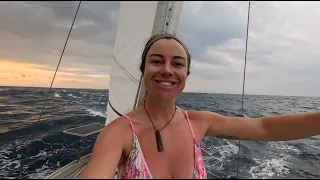
How to Set a Stern Anchor Solo WHS190
Aboard SV Gecko, a 1976 Grinde 27 designed by Peter Bruun, solo voyager Holly Martin of Wind Hippie Sailing has logged over twenty thousand nautical miles across the Atlantic, the Panama Canal, and Pacific archipelagos. Navigating isolated roadsteads aboard a double-ended 27-foot cutter with a 10.2-foot beam demands resourceful self-reliance. While ocean passages test rigging, arriving at an anchorage introduces a relentless challenge: rolly, swell-swept bays where cross-seas turn what should be a peaceful haven into an exhausting platform.
In open island anchorages across French Polynesia, Tonga, and Indonesia, prevailing swells wrap around barrier reefs at an angle perpendicular to trade winds. When riding to a single bower, a vessel aligns bow-to-wind, forcing swells to slam against her beam and triggering violent resonant rolling. To counteract beam seas and prevent dangerous swing radiuses in tight anchorages, setting a secondary stern anchor is an essential skill that any capable single-hander can master.
The Strategic Imperative of Dual-Anchor Moorings in Tidal and Swell-Prone Roadsteads
Aboard SV Gecko, Holly Martin of Wind Hippie Sailing demonstrates how deploying a stern anchor transforms hazardous solo sailing in a confined anchorage into an exercise in calm, controlled seamanship. In crowded cruising roadsteads and steep volcanic bays, a yacht swinging freely on a single bower sweeps through a 360-degree arc dictated by thermal wind shifts and reversing currents. When neighboring vessels anchor with mismatched tackle—ranging from heavy all-chain rodes to elastic nylon rodes—unpredictable swing radiuses create severe collision risks. Furthermore, when cross-swells enter an anchorage perpendicular to trade winds, riding to a single bower forces beam seas to slam against the hull. By deploying a secondary stern kedge, a single-handed skipper locks the vessel into a fixed heading aligned with incoming waves, substituting violent rolling with gentle pitching.
Ground Tackle Selection and Cockpit Line Architecture for Solo Mariners
Holly Martin of Wind Hippie Sailing relies on meticulous deck organization aboard SV Gecko, proving that executing solo sailing maneuvers with a stern anchor in a confined anchorage depends entirely on methodical seamanship and clean cockpit architecture. When selecting ground tackle for a stern kedge, single-handed cruisers must prioritize equipment that can be safely handled and deployed from a tender without risking injury. An articulated aluminum Fortress fluke anchor provides immense holding in sand and mud while remaining light enough to hoist with one hand. While three meters of chain lead keeps the pull horizontal, running high-tenacity nylon rode directly to the shank via a forged shackle provides dependable holding in clean sand bottoms. Skippers should select multi-plait or braided nylon over three-strand line to resist hockling, flaking the rode in a figure-eight coil on deck to ensure foul-free payout when driving the tender away.
Step-by-Step Mechanics of Solo Stern Anchor Deployment from Tender to Seabed
Executing solo sailing maneuvers in a confined anchorage aboard SV Gecko requires Holly Martin of Wind Hippie Sailing to adhere to a rigid procedural sequence, ensuring the stern anchor sets securely while maintaining exemplary seamanship. The operation begins at the bow, where the sailor drops the primary bower anchor into the wind and backs down under engine power to bed the flukes firmly into the seabed before setting the snubber. Next, the bitter end of the nylon stern rode is cleated to the yacht’s transom, leaving a working tail for winch adjustments. The coiled rode, aluminum kedge, and tripping float are loaded into the tender. To counter line drag and eliminate the danger of fouling the outboard propeller, the mariner rotates the 3.3 hp outboard 180 degrees and drives the tender in reverse. This stern-first tractor drive maintains straight tracking directly into the swell until reaching adequate scope in ten meters of water, where the kedge is dropped and checked on the seabed.
Tensioning Protocols, Rudder Protection, and Managing Sudden Weather Shifts
Balancing rode tension aboard SV Gecko requires Holly Martin of Wind Hippie Sailing to exercise nuanced seamanship during solo sailing, protecting the stern anchor from excessive shock loads while maintaining vessel heading in a confined anchorage. Once the kedge is embedded in the seabed, the working end of the nylon rode is led through an adjustable track fairlead to a cockpit sheet winch to draw the transom into alignment with incoming ocean swells. Critically, the rode must never be winched bar-tight; it must retain a visible catenary sag so that the natural elasticity of braided nylon cushions wave surges without levering the anchor out of the bottom. The line is routed clear of transom-hung rudders and self-steering windvanes to prevent line chafing. Should an unexpected squall bring 25-knot winds on the beam, the skipper must immediately slip the stern line, permitting the hull to swing freely bow-to-wind on her heavy bower.
Safe Retrieval Tactics, Tripping Lines, and Seabed Extraction
When striking ground tackle aboard SV Gecko, Holly Martin of Wind Hippie Sailing demonstrates that recovering a stern anchor in a confined anchorage requires structured seamanship and proactive solo sailing protocols. Heaving on a deeply buried kedge directly from the yacht’s cockpit is grueling without an aft windlass, forcing the mariner to haul both the buried anchor and the vessel’s hull against wind and swell. The secret to effortless single-handed recovery is deploying an anchor tripping line attached to a surface marker float during the initial set. Using a buoyant pearl farm float tied to the anchor crown with a secure figure-eight follow-through knot, the sailor motors the tender to the buoy and pulls vertically. Upward tension rotates the flukes backward, instantly breaking seabed suction so the lightweight tackle can be lifted into the dinghy and restowed in under half an hour.
Stern Anchoring Protocols and Ground Tackle Engineering Specifications
Aboard SV Gecko, Holly Martin of Wind Hippie Sailing verifies that rigorous technical specifications for the stern anchor ensure safe solo sailing and reliable holding in any confined anchorage through disciplined seamanship. Cruising sailors venturing into swell-swept roadsteads must understand the exact mechanical ratios, rode compositions, and operational boundaries of dual-anchor systems. The following engineering matrix outlines essential tackle selections, scope parameters, and tactical safeguards for single-handed operations.
| Mooring Component | Equipment Specification | Operational Ratio / Metric | Seamanship Safeguard & Failure Mode |
|---|---|---|---|
| Primary Bower Anchor | Cast-Steel Scoop or Plow (Delta 22–35 lbs) | 4:1 to 5:1 Scope (All-Chain Rode) | Fully bedded down under engine power before kedge drop; holds primary wind load. |
| Secondary Stern Kedge | Fortress FX-11 / FX-16 Aluminum Fluke Anchor | 3:1 to 4:1 Scope (Nylon Elastic Rode) | Lightweight aluminum allows easy dinghy handling; high fluke area grips sand seabed. |
| Rode Architecture | 8-Plait Braided or Multi-Braid Nylon Line | 25–40 Meters Total Length | Eliminates three-strand hockles; flaked in figure-eight to ensure snag-free payout. |
| Chain Lead Transition | Galvanized G40 Chain (3 to 5 meters) | Optional (Omitted on minimalist rigs) | Keeps pull angle horizontal; if omitted, anchor must be hand-buried or set gently. |
| Tender Propulsion | Inflatable Tender with 3.3 hp Outboard | Reverse-Drive Tractor Orientation | Driving in reverse prevents prop fouls and overcomes line drag to maintain steerage. |
| Tripping Recovery Line | High-Vis Line & Buoyant Commercial Float | Water Depth + 2.0 Meters | Tied with figure-eight follow-through knot; vertical pull breaks suction effortlessly. |
| Cockpit Fairlead & Winch | Genoa Track Fairlead to Primary Sheet Winch | Moderate Catenary (Never Drum-Tight) | Maintains elasticity for surge; routed clear of transom windvanes and rudders. |
| Emergency Release Protocol | Quick-Release Cleat Hitch with Tagline | Instant Release (<30 Seconds) | In sudden 25+ knot beam squalls, release stern rode to let yacht swing bow-to-wind. |
Frequently Asked Questions
Aboard SV Gecko, Holly Martin of Wind Hippie Sailing shares vital technical insights on managing a stern anchor during solo sailing, resolving common seamanship dilemmas encountered in a confined anchorage. Cruising skippers frequently encounter complex hydrodynamic questions when deploying dual-anchor configurations in remote island waters. Below are forensic answers to the most common practical and safety questions regarding single-handed stern anchor deployment.
Cruising sailors deploy a stern anchor to eliminate violent rolling caused by ocean swells hitting the vessel beam-to and to restrict swing radiuses in tight anchorages. In many tropical bays, trade winds blow perpendicular to incoming ground swells, causing a yacht on a single bower to roll uncontrollably. Setting a stern kedge aligns the hull into the swell, providing a stable platform while preventing collisions with neighboring boats or reef edges.
A solo mariner sets a stern anchor by first setting the primary bow bower anchor under engine power. Next, the bitter end of the stern rode is cleated to the transom, and the rode, kedge anchor, and tripping float are flaked into a tender. The skipper motors the dinghy in reverse—using the outboard as a forward tractor to maintain steerage and prevent line fouling—until reaching the drop point, where the anchor is lowered and later tensioned from the cockpit winch.
An ideal stern kedge is an aluminum fluke anchor, such as a Fortress FX-11 or FX-16, which delivers immense holding in sand and mud while remaining light enough to handle safely in a dinghy. The preferred rode is multi-plait or braided nylon rather than three-strand line, as braided lines resist hockles. While 3 meters of chain lead helps horizontal pull, running straight elastic nylon rode directly to a deeply buried aluminum fluke is effective for swell mitigation.
While a primary bow bower with all-chain rode typically uses a 4:1 to 5:1 scope ratio, a stern kedge anchor typically requires a 3:1 to 4:1 scope. In calm, sheltered conditions with good holding sand, skippers can operate with scope ratios down to 2.5:1, but lower ratios risk pulling flukes vertically out of the seabed when swell surges lift the transom. Skippers must also account for chain stretch when winching the yacht into position.
If a sudden frontal shift creates a 90-degree wind shift, the yacht experiences severe beam windage, placing extreme loads on rodes and cleats. The skipper must immediately release or slip the stern rode from its cockpit cleat. Releasing the stern anchor allows the vessel to swing freely on its heavy bow bower into the new wind direction, preventing deck hardware failure or dragging anchors across the harbor.
When holding a vessel stern-to ocean swells, waves slap against transoms, transom-hung rudders, and self-steering windvane water paddles. To avoid damage, skippers should route the stern rode through adjustable deck fairleads positioned forward of the transom to keep the line clear of rudder pintles and windvane gears. Additionally, leaving catenary slack in the rode allows the hull to rise naturally with waves rather than shock-loading the stern structure.
The safest retrieval method is using an anchor tripping line attached to a surface marker float. The solo mariner approaches the float in the tender, grabs the tripping line, and pulls vertically. Because the line connects to the anchor’s crown rather than the shank, vertical tension effortlessly rotates the flukes out of the sand, breaking suction without manual back strain. The tackle is hauled into the dinghy and returned to the mothership.
Support Wind Hippie Sailing
At WeBoating.com, we profoundly acknowledge the unwavering dedication that Wind Hippie Sailing invests in crafting each and every video or voyage. Their passion for delivering exceptional ocean content shines through every frame, and it's a labor of love that deserves your attention.
We invite you to watch their captivating videos here and actively engage with their content, including their social media links above. Liking, commenting, and sharing their work goes a long way in fueling their creative fire.
We're also inviting you to explore the gear, sponsorships, and boat partnerships highlighted in the "How to Set a Stern Anchor Solo WHS190" video description, or directly on YouTube. By engaging with these offerings or purchasing services and items, you directly support Wind Hippie Sailing, their collaborators, and the brands they're associated with.
To ensure you never miss an offshore update, consider visiting their official YouTube Channel to subscribe, like, and join their community directly.
If you have any feedback, corrections, or additional information about Wind Hippie Sailing or their videos, please use the comment form below to share your thoughts with us.
Thank you for being a part of our community and supporting the creators we cherish. Your time and support truly matter!
Patreon: https://www.patreon.com/windhippie
Paypal: https://www.paypal.com/paypalme/windhippie
Merch store: https://wind-hippie.myspreadshop.com/
For more regular photo updates and boating life, check out my instagram page: @boatlizard I am a solo sailor working on my circumnavigation. My boat is a 27-foot-long sloop named Gecko. Follow me on my journey as I learn about heavy weather sailing, the trials of being solo, and my adventures in paradise. Follow my bi-weekly blog on : windhippie.com Thanks for watching and subscribing!
Wind Hippie Sailing
Holly Martin and Gecko: The high-authority solo minimalist who traded the conventional path for a global circumnavigation on a 27ft Grinde, currently navigating Indonesia.
Channel Information:
Social Media Links:
How to Set a Stern Anchor Solo WHS190 Location
- Port of Refuge & Neiafu Harbor Anchorage, Vava'u, Tonga (-18.65,-173.983)
- Suva Harbor Cruising Basin, Viti Levu, Fiji (-18.13,178.43)
Latest Episodes from Wind Hippie Sailing
Explore the most recent voyages. Subscribe to the channel to never miss an update!
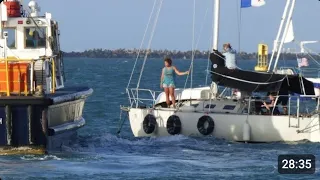
Panama Canal Revisited
Holly Martin of Wind Hippie Sailing revisits her budget Panama Canal transit aboard her 27ft sloop Gecko, detailing line handlers, Gatun Locks rafting, and engine troubleshooting.
How to Set a Stern Anchor Solo WHS190
Discover the technical seamanship of deploying a stern anchor solo with Holly Martin aboard SV Gecko, navigating narrow anchorages and ocean swells.
The Red Bastard Strikes Again WHS189
Patreon: Paypal: Merch store: For more regular photo updates and boating life, check out my instagram page: @boatlizard I am a solo sailor working on my circumnavigation. My boat is a 27-foot-long sloop named Gecko. Follow me on my journey as I learn about heavy weather sailing, the trials of bei...
Come Sail With Us!
Email [email protected] for more information The dates are April 13th-19th in Martinique aboard a 52 foot Lagoon catamaran
Holly vs Entropy WHSE188
Patreon: Paypal: Merch store: For more regular photo updates and boating life, check out my instagram page: @boatlizard I am a solo sailor working on my circumnavigation. My boat is a 27-foot-long sloop named Gecko. Follow me on my journey as I learn about heavy weather sailing, the trials of bei...