Fillits in the living area.
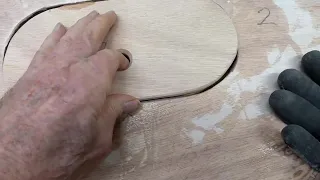
Inside his Västervik workshop, boatbuilder Sven Yrvind methodically fits interior timber components for the living area of his experimental test boat. Examining the port side assembly that was originally framed for the starboard side, he assesses the finished hardware pieces and their clearance in the sleeping quarters. As Yrvind cautions regarding suggestions to install larger hardware knobs: “Someone said I should have a knob on this, but you know, this is in the bed. So I don’t want it to hurt myself.” After testing the clearance with a shoe, he notes that he has run out of the small fittings and must return to production to fabricate eight pairs more.
Laying Epoxy Fillets in the Cabin Living Area
Before erecting the upright side pieces and permanently sealing the living area, Yrvind prioritized laying epoxy fillets along the internal structural seams. Completing the filleting beforehand allowed him to work without the awkward obstruction of upright side bulkheads. Applying neat fillets all around the internal joints, he also utilized the leftover epoxy resin on adjoining seams as a practical save, discovering that the bonding work went together much more smoothly than anticipated.
The construction sequence remains critical as the interior comes together. Before permanently placing the structural components down, Yrvind plans to position central components and assemble storage lockers along the bottom. Emphasizing the disciplined workflow required inside the compact hull, he explains: “It’s all connected. You have to do it in a good order.”
Fabricating Rubber Washers for Interior Hardware Tension
With the epoxy work set, Yrvind turned his attention back to the mounting hardware to establish the proper mechanical tension. Resolving the problem of loose fittings, he devised a simple damping solution: “Put a rubber washer between here.” He cut sheet rubber by hand into small square and octagonal shapes, using a handheld punching tool to pierce neat mounting holes through each piece.
After preparing an initial batch of four washers, he prepared additional blanks, rounding the edges to create small protective profiles. Reflecting on the practical ingenuity required when outfitting a micro cruiser, Yrvind remarked that there is “always a solution to everything and that’s a good thing” as the interior build progresses toward completion.
Frequently Asked Questions
The hardware is positioned directly against the sleeping berth, so keeping the fittings low profile prevents painful bumps or injuries while resting in the cabin.
Applying the epoxy fillets around the interior joints first was much easier to reach and complete before installing the upright side pieces, central fixtures, and bottom lockers.
He cut custom rubber washers by hand into square and octagonal shapes, punching center holes with a hand tool to insert between the fittings.
Support Sven Yrvind
At WeBoating.com, we profoundly acknowledge the unwavering dedication that Sven Yrvind invests in crafting each and every video or voyage. Their passion for delivering exceptional ocean content shines through every frame, and it's a labor of love that deserves your attention.
We invite you to watch their captivating videos here and actively engage with their content, including their social media links above. Liking, commenting, and sharing their work goes a long way in fueling their creative fire.
We're also inviting you to explore the gear, sponsorships, and boat partnerships highlighted in the "Fillits in the living area." video description, or directly on YouTube. By engaging with these offerings or purchasing services and items, you directly support Sven Yrvind, their collaborators, and the brands they're associated with.
To ensure you never miss an offshore update, consider visiting their official YouTube Channel to subscribe, like, and join their community directly.
If you have any feedback, corrections, or additional information about Sven Yrvind or their videos, please use the comment form below to share your thoughts with us.
Thank you for being a part of our community and supporting the creators we cherish. Your time and support truly matter!
This Youtube channel is about me Sven Yrvind. I am 87 and a half years old dyslectic solo sailor.
I am building a plywood test boat for a Divinycell and NM-epoxy high-latitude cruiser.
She will be about 4.5 meter or 14 feet and 9 inches long, the beam 1.36 meter, 4 feet 6 inches. She is a two masted lugger with a total sail area of 6 square meter. She will have no rudder but will be steered by adjustable fins. I am planning a cruise in the Southern Ocean to Dunedin NZ.
Subject to change.
Often the 22th every month I do a resume of the project.
I have an illustrated book with good reviews on Amazon. https://www.amazon.se/s?k=yrvind&crid=1549D6PR18BUJ&sprefix=%2Caps%2C112&ref=nb_sb_ss_recent_1_0_recent
If you’re interested in contributing to my experiments links are below.
https://www.paypal.com/donate/?hosted_button_id=53X8NVEA22MBL
Swish 0706200550
Also please subscribe - even if you are not interested in sailing.
For more see Yrvind.com

Sven Yrvind
At 86, Sven Yrvind is still pushing the limits of small-boat design. Discover the philosophy and technical grit behind his 'Exlex' series.
Channel Information:
Social Media Links:
Fillits in the living area. Location
- Västervik, Sweden (57.7577,16.6375)
Latest Episodes from Sven Yrvind
Explore the most recent voyages. Subscribe to the channel to never miss an update!
Alternativ ways of securing the latches.
In his Västervik workshop, Sven Yrvind troubleshoots hatch alignment and tests alternative mechanisms for securing boat latches, experimenting with 1 mm sheet metal springs and rubber shock cords.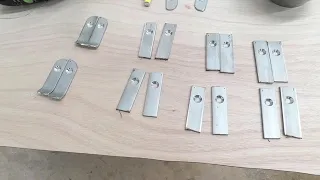
Fillits in the living area.
Sven Yrvind lays epoxy fillets along the interior living area of his test boat in Västervik, crafting custom rubber washers to secure cabin fittings.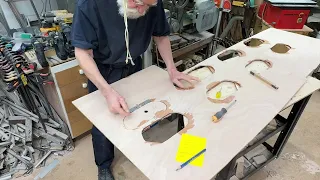
Storage Compartment Latches – A New Approach.
In his Västervik workshop, Sven Yrvind tests dual-action storage compartment latches for his test boat, evaluating friction stops and corner clearances.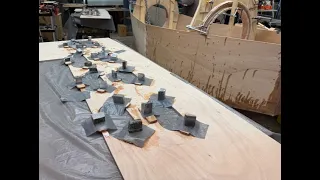
The First Major Mistake.
In his Västervik workshop, Sven Yrvind fabricates extra gravity clamps for a frame glue-up and narrowly corrects a mirror-image assembly error before the adhesive cures.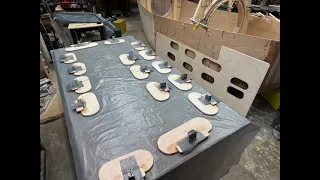
Using Gravity Clamps for Gluing Locker Covers.
Swedish solo sailor Sven Yrvind installs locker push doors and lids, employing gravity clamps to deliver steady downward pressure as epoxy cures in his workshop.