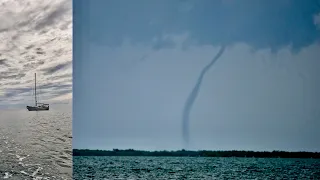
Younger Generation Sailor Debates Old Salt | Same Boat
The evolution of ocean cruising continually forces a reckoning between maritime heritage and modern technology. Aboard their offshore voyaging vessel, Justine and Robinson of Sailorama have spent over a decade navigating the realities of long-distance passage-making. Initiating the dialogue series Same Boat, Justine reconvenes with veteran blue-water voyager and longtime mentor Jean to examine the shifting operational and cultural tides reshaping modern sailing. Their history dates back fifteen years to San Francisco, where Jean helped Justine and Robinson acquire their foundational cruising boat, Rosa.
Over decades of voyaging, maritime traditions were passed down through grease-stained engine manuals, paper pilot charts, and dockside storytelling among mariners weathering the same anchorages. Today, satellite links, lithium battery banks, synthetic rigging, and digital chartplotters have fundamentally altered how sailors approach the sea. Justine and Jean weigh whether contemporary conveniences enhance genuine self-reliance or erode the mechanical resourcefulness that defines true blue-water seamanship.
Generational Perspectives on Blue-Water Cruising Philosophy
Examining the generational divide in maritime philosophy, Justine of Sailorama and veteran mentor Jean explore how traditional seamanship principles established by earlier voyagers contrast with contemporary voyaging ethics practiced by Robinson and Justine along coastal routes extending toward Halifax, Nova Scotia, Canada. Decades ago, stepping aboard a cruising sloop meant entering voluntary exile. Sailors accepted that rescue was improbable and that every mechanical failure, medical emergency, and navigational dilemma had to be resolved exclusively with hand tools and onboard spares.
Jean, drawing on four decades of voyaging, highlights how earlier generations cultivated a code of sociability anchored in mutual vulnerability. When anchoring in an unfamiliar roadstead, skippers rowed tenders across the harbor to introduce themselves, exchange weather intelligence, share provisions, and offer physical maintenance assistance. Because vessel systems were basic, communal solidarity served as the primary safety net across remote anchorages.
Justine articulates the perspective of modern liveaboard cruisers who grapple with economic pressures, escalating marina costs, and global telecommunications. Low-Earth-orbit satellite internet allows mariners to manage remote careers and publish documentary work directly from ocean passages. Yet this connectivity introduces subtle trade-offs, sometimes keeping sailors sequestered inside cabins staring at screens rather than congregating over cockpit conversations or sharing local anchorage navigation marks.
The Navigation Divide: Electronic Chartplotters vs Paper Charts
Navigational redundancy remains a central point of debate between Justine and Jean aboard Sailorama, as Justine and Robinson weigh the demands of traditional seamanship against modern marine electronics while plotting voyaging tracks out of Halifax, Nova Scotia, Canada. Multi-function displays (MFDs) and touch-screen chartplotters provide unprecedented situational awareness, rendering live GPS coordinates, dynamic tidal vectors, bathymetric contours, and Class B AIS targets with instantaneous collision risk calculations.
However, Jean cautions against absolute dependency on microprocessors, pointing to the cognitive trap of chartplotter hypnosis. Fixating solely on a digital icon navigating simulated shorelines detaches mariners from physical observation. Blindly trusting vector charts risks grounding on uncharted hazards if datum offsets exist. Furthermore, total reliance on 12-volt vessel power leaves navigators vulnerable to lightning strikes, water ingress, or battery management system (BMS) shutdowns that can instantly blind electronic stations in mid-ocean.
Traditional navigation relies on physical paper nautical charts, parallel rulers, dividers, magnetic steering compasses, and lead lines. While coastal piloting benefits immensely from GPS precision, Justine and Jean emphasize that dead reckoning, visual piloting, and celestial sight reduction form the bedrock of seamanship. Paper charts offer an expansive macroscopic overview of geography and divert ports that the restricted zoom window of a glass screen cannot replicate.
Standing Rigging and Vessel Systems: Synthetic Dyneema vs Stainless Wire
Vessel rigging choices illuminate the tension between time-tested gear and modern engineering, prompting Justine of Sailorama and veteran voyager Jean to assess whether traditional seamanship methods or synthetic materials best protect Robinson and Justine when outfitting cruising sloops in maritime waters off Halifax, Nova Scotia, Canada. For over half a century, 1×19 316 stainless steel wire paired with swaged fittings has served as the universal standard for offshore standing rigging due to its rigidity and widespread commercial availability.
Yet stainless steel wire harbors an insidious failure mode: crevice corrosion. Saltwater penetration inside terminal swages frequently initiates stress corrosion cracking, which proceeds invisibly without surface discoloration until sudden structural failure occurs under load. To prevent catastrophic mast loss, offshore riggers mandate complete standing rigging replacement every eight to ten years, regardless of visual appearance.
In contrast, high-modulus polyethylene (HMPE) synthetic rigging, notably heat-stretched Dyneema SK78 and SK99 paired with Colligo Marine deadeyes, represents an engineering revolution. Dyneema weighs roughly one-sixth of equivalent steel wire while matching its tensile breaking strength. Removing weight aloft reduces vessel roll inertia and softens pitching motion in heavy chop. Crucially, synthetic fibers allow visual inspection for chafe and can be spliced and repaired at sea using simple fids, restoring true self-reliance to offshore sailors.
Heavy Weather Seamanship: Active Tactics vs Passive Storm Management
Deep-sea survival tactics underscore the contrast between mechanical intervention and traditional seamanship, as Justine and Jean analyze offshore safety protocols developed for Sailorama and practiced by Robinson during extended northern passages originating near Halifax, Nova Scotia, Canada. When gale-force depressions whip open waters into breaking crests, skipper decisions dictate survival. Historical heavy-weather literature championed passive tactics, most notably heaving-to beneath a reefed mainsail or storm trysail paired with a backed staysail.
Heaving-to locks the vessel into a stable equilibrium, angling roughly 50 degrees into incoming seas with the helm lashed to windward. As the hull drifts slowly to leeward at one to two knots, the keel creates a slick of turbulent water on the weather side that knocks down approaching breaking crests. Heaving-to allows an exhausted shorthanded crew to descend below decks, secure hot food, treat injuries, and wait out cyclonic fronts without continuous steering effort.
Conversely, modern heavy-weather doctrine increasingly advocates active ocean storm management, specifically trailing aerodynamic and hydrodynamic drag devices like the Jordan Series Drogue. Composed of over a hundred fabric cones spliced along a tapered nylon towline, the series drogue is deployed off the stern to tether the boat downwind. By arresting speed to two to three knots, the drogue prevents pitchpoling or broaching down steep following seas, providing hands-off directional stability during severe offshore gales.
Technical Comparison: Modern vs Traditional Cruising Systems
Synthesizing the core operational trade-offs across vessel architecture, Justine of Sailorama and veteran blue-water voyager Jean—reflecting on offshore passages undertaken alongside Robinson—evaluate how traditional seamanship methods contrast with modern engineering solutions across coastal and open-sea passages connecting Halifax, Nova Scotia, Canada with international destinations. The following matrix details the critical equipment, longevity benchmarks, and mechanical trade-offs that dictate offshore vessel outfitting.
| Cruising System / Domain | Traditional Seamanship Approach | Modern Voyaging Approach | Operational Trade-Offs & Redundancy |
|---|---|---|---|
| Standing Rigging | 1×19 316 Stainless Steel Wire with swaged terminals | High-modulus synthetic fiber (Dyneema SK78/SK99 / Colligo Dux) | Dyneema provides superior strength-to-weight ratio and visual inspectability; wire resists chafe but suffers hidden crevice corrosion. |
| Primary Navigation | Paper nautical charts, parallel rules, sextant sights, dead reckoning | Multi-Function Displays (MFDs), GNSS chartplotters, satellite AIS tracking | Electronics deliver rapid situational awareness; traditional paper charts and celestial methods provide immunity from electrical failure and lightning strikes. |
| Auxiliary Energy Budget | Kerosene/propane lighting, modest 12V lead-acid bank, windvane steering | LiFePO4 lithium battery banks, high-output solar arrays, induction cooking | High-capacity lithium systems support high-bandwidth digital living but add BMS complexity; minimalist setups eliminate single-point electrical shutdowns. |
| Heavy Weather Tactics | Passive storm management: heaving-to under trysail, riding to sea anchor | Active storm tactics: trailing series drogues, running off under bare poles | Heaving-to rests crew and minimizes hull fatigue in open sea; series drogues prevent broaching and pitchpoling when running before breaking seas. |
| Weather Routing | Barometric pressure trends, pilot charts, radio facsimile (wefax) broadcasts | High-resolution GRIB weather files, satellite routing algorithms | Modern satellite forecasting allows tactical routing around severe fronts; traditional barometry provides immediate local warning when satellite links fail. |
Frequently Asked Questions
To address the essential technical and philosophical questions emerging from the dialogue between Justine and Jean on Sailorama, alongside passage-making experience shared with Robinson, the following maritime guidance synthesizes traditional seamanship wisdom with modern offshore reality for voyagers departing Halifax, Nova Scotia, Canada.
Traditional seamanship prioritizes extreme mechanical self-reliance, simple repairable systems, passive heavy-weather tactics, and psychological autonomy. Modern voyaging leverages advanced technologies, including satellite connectivity, lithium energy storage, synthetic rigging, and digital weather routing to optimize passage speed, situational awareness, and onboard comfort.
1×19 stainless steel wire typically requires replacement every eight to ten years due to hidden crevice corrosion inside swaged terminals. High-modulus Dyneema SK78/SK99 offers a comparable service life of eight to ten years in marine environments, with the crucial advantage that fiber chafe and UV wear remain visible and can be spliced and repaired at sea.
Yes. While electronic chartplotters provide real-time positioning, physical paper charts provide essential macroscopic route planning and remain completely impervious to lightning strikes, water ingress, and 12-volt electrical bus failures. Prudent offshore seamanship requires carrying small-scale passage planning charts and regional harbor approaches as immutable back-ups.
Minimalist cruising boats rely on mechanical windvane self-steering, LED navigation lights, and low-draw refrigeration powered by modest lead-acid banks and solar panels. Modern high-draw vessels install lithium-iron-phosphate (LiFePO4) banks, large solar arrays, and high-output alternators to power induction cooktops, watermakers, and continuous satellite communication.
Heaving-to is a passive tactic where the vessel is balanced under backed headsail and reefed mainsail to drift slowly to leeward, creating a protective wake slick that calms breaking seas and lets the crew rest. In contrast, active tactics such as trailing a Jordan Series Drogue keep the stern squarely facing following seas, preventing pitchpoling and broaching.
Satellite internet provides unprecedented safety through real-time weather updates and remote technical support, but it can alter cruising culture by encouraging sailors to remain inside cabins rather than interacting dockside or sharing physical assistance. It also risks eroding pure mechanical troubleshooting skills if mariners become dependent on instantaneous landward answers.
A robust offshore redundancy matrix includes primary marine chartplotters with independent GPS antennas, secondary tablet navigation apps with offline raster charts, a handheld marine GPS unit stored in a metal Faraday enclosure, magnetic steering compasses, and hardcopy paper passage charts with parallel rules and sight reduction tables.
Support Sailorama
At WeBoating.com, we profoundly acknowledge the unwavering dedication that Sailorama invests in crafting each and every video or voyage. Their passion for delivering exceptional ocean content shines through every frame, and it's a labor of love that deserves your attention.
We invite you to watch their captivating videos here and actively engage with their content, including their social media links above. Liking, commenting, and sharing their work goes a long way in fueling their creative fire.
We're also inviting you to explore the gear, sponsorships, and boat partnerships highlighted in the "Younger Generation Sailor Debates Old Salt | Same Boat" video description, or directly on YouTube. By engaging with these offerings or purchasing services and items, you directly support Sailorama, their collaborators, and the brands they're associated with.
To ensure you never miss an offshore update, consider visiting their official YouTube Channel to subscribe, like, and join their community directly.
If you have any feedback, corrections, or additional information about Sailorama or their videos, please use the comment form below to share your thoughts with us.
Thank you for being a part of our community and supporting the creators we cherish. Your time and support truly matter!
On Episode 1 of 'Same Boat', Justine opens a dialogue with sailing predecessor/patron supporter, Jean.
We get right into the debate of whether or not 'rocking the boat' in the realm of sailing is helpful.
Jean's youtube Channel: youtube.com/@Jmmondeau
sailorama LIVE Updates:
facebook.com/sailorama
instagram.com/justinesailorama
Thank you to all the patrons of this channel! PATREON:
https://www.patreon.com/sailorama
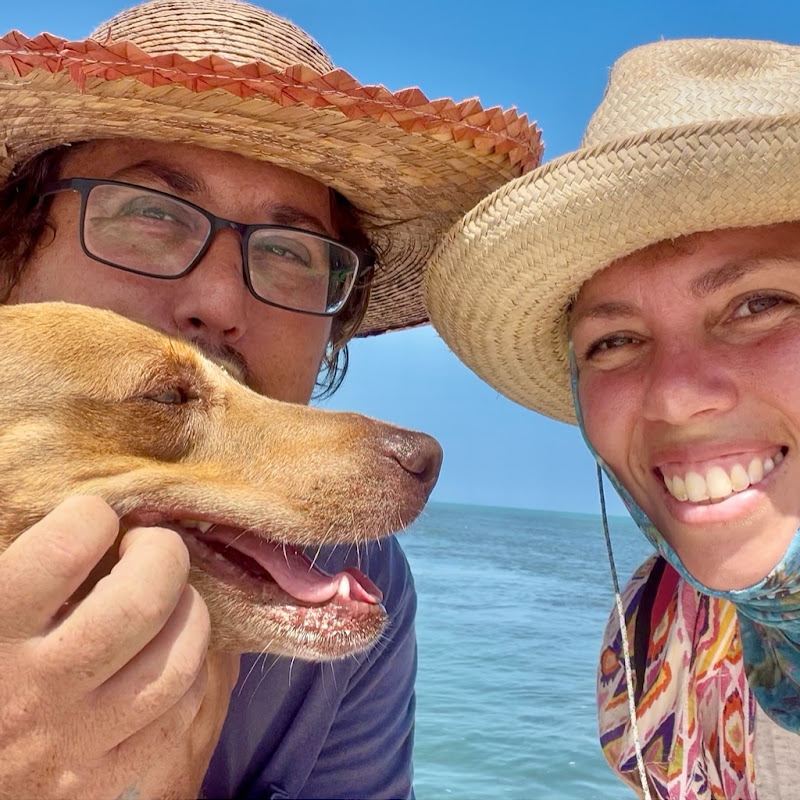
Sailorama
From a 24ft C&C to a 40ft pilothouse sloop, Robinson and Justine of sailorama define the technical grit of minimalist, mission-driven offshore cruising.
Channel Information:
Social Media Links:
Younger Generation Sailor Debates Old Salt | Same Boat Location
- Halifax Harbour & Maritime Fairway, Nova Scotia, Canada (44.6488,-63.5752)
- St. Lawrence River Offshore Fairway, Quebec, Canada (46.8139,-71.208)
Latest Episodes from Sailorama
Explore the most recent voyages. Subscribe to the channel to never miss an update!

LIFE and ENERGY in Cuba
Life, energy, spirit of Cuba - this is what it is like to spend time in Cienfuegos, Cuba. LIVE Updates: facebook.com/sailorama instagram.com/justinesailorama Thank you to all the patrons of this channel! PATREON:
Where should ‘FREE’ sailors go? | SAME BOAT
Sailorama and Jean explore the economic reality of free boats, housing inflation, the 10% liveaboard rule in marinas, and the true cost of vessel refits.
Sailboat nearly sank in Cuba, then THIS happened.
When a catastrophic seawater pump failure floods Inesperada off the Cuban coast, the cruising crew of Sailorama executes emergency damage control and discovers extraordinary local ingenuity in Cienfuegos.
Younger Generation Sailor Debates Old Salt | Same Boat
Justine of Sailorama sits down with veteran voyager Jean for an in-depth dialogue contrasting modern electronic cruising systems with traditional seamanship, offshore rigging choices, and heavy weather storm management.
Jamaica and Back to Cuba Again
Sailing. Sargassum. Empire. Watch if you want. LIVE Updates: facebook.com/sailorama instagram.com/justinesailorama Thank you to all the patrons of this channel! PATREON: