LIFE and ENERGY in Cuba
In the protected waters of Cienfuegos during the Caribbean hurricane season, Justine and Robin of Sailorama completed essential maintenance aboard their pilothouse sloop Inesperada. Having wrapped up the necessary mechanical projects to make the vessel seaworthy once more, the crew found themselves reluctant to pull up anchor. As Justine remarked, “And we’ve just finished some necessary repairs so that we can sail again. Although really, we’d rather stay put.”
Stepping ashore along the waterfront revealed a harbor town operating under severe resource constraints yet brimming with daily movement. While shortages of grid electricity and municipal fuel left docks and streets quiet from heavy vehicle traffic, local residents filled the early mornings with sports activities along the seawall. In the absence of regular road traffic, rainwater puddles across the asphalt hosted colonies of Cuban tree frogs, their fresh eggs floating alongside the chorus of smaller frog species echoing from the damp grasses.
Marina Conditions and Currency Logistics
Tied up near Marina Marlin, the crew experienced the everyday shortages shaping local life. Power cuts frequently disabled refrigeration, and supplies of cold beer vanished from the marina bar. Daily commerce throughout the city center presented even steeper logistical barriers for residents. Justine noted that “The bank situation for Cubans has become nearly impossible.” Crowds of workers and pensioners waited for hours under shade trees outside local banks, only for physical paper pesos to run out before everyone in line could collect their funds.
Along the main avenue, shopping centered around small private storefronts known as mipymes. These independent vendors stocked essential goods ranging from shampoo to household provisions and books. Purchasing items required physical Cuban pesos or restricted digital transfers limited to 1 or 2 dollars in equivalent value, as merchants themselves struggled to convert electronic balances into cash. Meanwhile, state-run grocery stores accepted local bank cards or, during blackouts, required hard currency cash in USD.
Beach Outing and Community Cooking
Taking a break from the harbor, local community friends invited Justine and Robin on a weekend trip to an open ocean beach beyond the bay. Traveling past idle agricultural fields and unharvested mango groves, the crew gathered fallen fruit directly from the ground to squeeze fresh mango juice. Foraging required quick footwork through dense brush, prompting Justine’s practical rule: “If you can put up with the mosquitoes, don’t stop walking.”
The excursion concluded with a shared meal at a friend’s home. With cooking oil scarce in Cuban households, Justine and Robin contributed fish frying oil to prepare Kentucky-style fried chicken and French fries. Ingredient shortages required improvisations in the kitchen when Robin battered the poultry without eggs, noting: “Yeah, we couldn’t find any eggs, but so I’m just dragging in a bit of water.” The gathering highlighted how commercial poultry has become a major import channel, with foreign export figures showing roughly 300 million dollars in American poultry shipped to the island in 2025 under cash-in-advance regulations.
Marina Animal Rescue and Voyage Insights
Community solidarity extended to animal welfare on the docks. When an abandoned newborn kitten was left outside the marina gate, Justine cushioned the animal in towels within a basket while Robin quickly bicycled it across town to a local veterinarian. The clinic located a caregiver equipped with specialized milk formula to nurse the kitten through its first weeks.
Reflecting on their stay in Cienfuegos, the crew underscored that despite infrastructure hardships, irregular municipal garbage pickups, and economic pressures, the anchorage offered a secure, hospitable, and accessible harbor for blue-water sailors exploring the Caribbean during the passage season.
Key Highlights
- Vessel Maintenance: Justine and Robin completed repairs aboard Inesperada in Cienfuegos Bay before deciding to remain in port during hurricane season.
- Cash Economy Pressures: Urban commerce relied heavily on private mipyme storefronts accepting cash pesos or digital transfers capped at 1 to 2 dollars, while government markets took USD during power outages.
- Shared Community Feast: The crew joined local friends for an ocean beach excursion, gathered fallen mangoes, and provided rare cooking oil to fry chicken alongside fresh vegetables.
- Dockside Kitten Rescue: An orphaned kitten found at the marina entrance was bicycled to a veterinarian friend in town to secure vital formula milk.
Frequently Asked Questions
Justine and Robin anchored their pilothouse sloop Inesperada in the sheltered bay of Cienfuegos, utilizing facilities at Marina Marlin during the Caribbean hurricane season.
Private shops called mipymes accept cash in Cuban pesos or small electronic transfers limited to 1 or 2 dollars in value, while state grocery stores require bank cards or cash in USD during electrical outages.
Local egg shortages in Cienfuegos forced the crew to dredge chicken in water before seasoning and frying it with imported cooking oil.
Justine wrapped the kitten in towels in a basket, and Robin bicycled it to a local veterinarian friend who arranged specialized milk and nursing care.
Book a trip where this was filmed — near Key West
Support Sailorama
At WeBoating.com, we profoundly acknowledge the unwavering dedication that Sailorama invests in crafting each and every video or voyage. Their passion for delivering exceptional ocean content shines through every frame, and it's a labor of love that deserves your attention.
We invite you to watch their captivating videos here and actively engage with their content, including their social media links above. Liking, commenting, and sharing their work goes a long way in fueling their creative fire.
We're also inviting you to explore the gear, sponsorships, and boat partnerships highlighted in the "LIFE and ENERGY in Cuba" video description, or directly on YouTube. By engaging with these offerings or purchasing services and items, you directly support Sailorama, their collaborators, and the brands they're associated with.
To ensure you never miss an offshore update, consider visiting their official YouTube Channel to subscribe, like, and join their community directly.
If you have any feedback, corrections, or additional information about Sailorama or their videos, please use the comment form below to share your thoughts with us.
Thank you for being a part of our community and supporting the creators we cherish. Your time and support truly matter!
Life, energy, spirit of Cuba - this is what it is like to spend time in Cienfuegos, Cuba.
LIVE Updates:
facebook.com/sailorama
instagram.com/justinesailorama
Thank you to all the patrons of this channel! PATREON:
https://www.patreon.com/sailorama
Sailorama
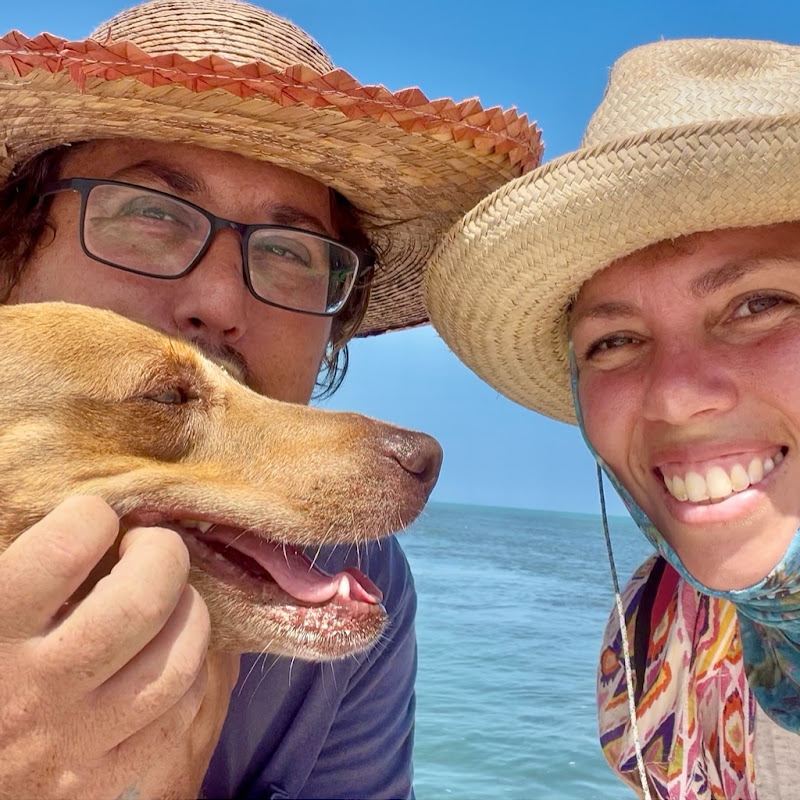
From a 24ft C&C to a 40ft pilothouse sloop, Robinson and Justine of sailorama define the technical grit of minimalist, mission-driven offshore cruising.
Channel Information:
Social Media Links:
LIFE and ENERGY in Cuba Location
- Marina Marlin, Cienfuegos, Cuba (22.1264,-80.4519)
Latest Episodes from Sailorama
Explore the most recent voyages. Subscribe to the channel to never miss an update!
Chased Out of Cuba
After US sanctions and cash shortages cut off payment options in Cienfuegos, Robinson and Justine sail Inesperada along Cuba's southern cays toward open water.
LIFE and ENERGY in Cuba
Justine and Robin navigate daily life in Cienfuegos, Cuba, documenting marina outages, local food logistics, and community resilience during hurricane season.
Where should ‘FREE’ sailors go? | SAME BOAT
Sailorama and Jean explore the economic reality of free boats, housing inflation, the 10% liveaboard rule in marinas, and the true cost of vessel refits.
Sailboat nearly sank in Cuba, then THIS happened.
When a catastrophic seawater pump failure floods Inesperada off the Cuban coast, the cruising crew of Sailorama executes emergency damage control and discovers extraordinary local ingenuity in Cienfuegos.
Younger Generation Sailor Debates Old Salt | Same Boat
Justine of Sailorama sits down with veteran voyager Jean for an in-depth dialogue contrasting modern electronic cruising systems with traditional seamanship, offshore rigging choices, and heavy weather storm management.