Where should 'FREE' sailors go? | SAME BOAT
Across North America, escalating residential rental rates and real estate inflation have driven an unprecedented influx of young, non-traditional mariners toward coastal waters in search of mobile housing. In an in-depth dialogue on Sailorama, voyagers Justine and Robbie connect with long-time patron and veteran liveaboard Jean-Marie Mondeau (“Jean”) to analyze the socioeconomic realities behind the popular pursuit of so-called “free” and low-cost salvage sailboats.
Speaking from their refitted sailboat Rosa anchored in Pacific Mexico, Justine contrasts her hands-on cruising experience with Jean’s four decades of marine mechanical maintenance and law enforcement experience in Washington State. Together, they deconstruct the systemic friction between municipal harbor policies, marina regulations, and working-class sailors attempting to establish self-reliant floating homes.
The Myth and Reality of the Free Boat
In Pacific Northwest boatyards and California marinas, aging fiberglass production boats from the 1970s and 1980s are frequently listed for zero dollars or abandoned by owners overwhelmed by escalating slip fees, mandatory liability insurance requirements, and deferred maintenance. While acquiring an abandoned hull eliminates purchase capital, restoring a derelict vessel to seaworthy status requires thousands of dollars in rigging wire, hull blister remediation, electrical recabling, and engine overhauls.
Drawing on his history of giving away nearly ten vessels in the San Francisco Bay region, Jean noted that Justine and Robbie were the only recipients who possessed the mechanical aptitude, labor tolerance, and discipline to refit their vessel and embark on international passages. Without comprehensive mechanical and composite repair skills, free boats rapidly degrade, dragging anchor during winter storms and washing ashore on municipal beaches.
The Three Tiers of Liveaboard Cruising Budgets
To provide realistic financial benchmarks for individuals considering a transition from land housing to vessel living, Jean outlined three primary operational expenditure tiers:
Tier 1: $1,000 per month (Strict Subsistence): Supports a minimalist platform on anchor with manual systems, simple solar power, and no auxiliary engine repairs. High personal physical labor is required for dinghy rowing, manual water jug hauling, and anchor retrieval.
Tier 2: $2,000 per month (Sustainable Maintenance): Accommodates regular ongoing repairs, bottom antifouling paint every two to three years, standing rigging replacements, and occasional marina dockage during heavy weather cycles.
Tier 3: $3,000+ per month (Comfortable Voyaging): Provides complete mechanical autonomy, comprehensive marine insurance, routine slip rental, and unconstrained long-range passagemaking.
The Ten-Percent Liveaboard Restriction
A central obstacle confronting low-income mariners is the institutional restriction imposed by municipal harbor districts. In most coastal marinas across California and the Pacific Northwest, local ordinances cap full-time residential liveaboards at exactly ten percent of total slip capacity. Simultaneously, facilities increasingly implement restrictive age covenants barring boats older than ten or fifteen years from securing wet slips.
Justine and Jean argue that relaxing the artificial ten percent quota and expanding marina pump-out services would simultaneously alleviate terrestrial housing shortages while removing derelict vessels from vulnerable public anchorages. By criminalizing anchorage communities without expanding marina berths, municipal policies accelerate vessel abandonment rather than fostering maritime competence.
Economic Profile of Vessel Downsizing
The comparative logistics between land-based urban living and small-craft liveaboard operations illustrate the operational trade-offs demanded by marine autonomy:
| Operational Metric | Urban Land Housing (US/Canada) | Liveaboard Sailboat Platform |
|---|---|---|
| Monthly Capital Barrier | $1,500 – $3,000+ (Rent/Mortgage) | $0 – $800 (Anchoring vs. Municipal Slip) |
| Initial Infrastructure Cost | First/last month deposit & utilities | $0 (Free hull) + $5k–$15k mandatory refit |
| Utility Dependencies | Grid electric, municipal water & sewer | Solar panels, manual rain catchment, mobile pump-out |
| Regulatory Exposure | Landlord tenant law & zoning ordinances | Harbor master 10% rule, anchor bans, age limits |
| Essential Skill Requirement | Standard household budgeting | Diesel mechanics, 12V DC wiring, composite fiberglass repair |
| Geographic Mobility | Stationary leasehold | Autonomous relocation between domestic & foreign waters |
Frequently Asked Questions
No, free hulls typically require thousands of dollars in essential marine repairs, including standing rigging replacement, through-hull servicing, engine repairs, and safety gear before they can legally or safely operate.
The 10% rule is a municipal and harbor ordinance enforced across many California and Washington marinas limiting full-time residential tenants to no more than 10% of total dock berths.
Jean and Sailorama define three tiers: $1,000 per month for subsistence minimalist anchoring, $2,000 for sustainable maintenance and repairs, and $3,000 or more for comfortable cruising.
Owners give away older boats because recurring monthly marina slip fees, haul-out costs, and mandatory insurance expenses exceed the market resale value of the aging vessel.
Support Sailorama
At WeBoating.com, we profoundly acknowledge the unwavering dedication that Sailorama invests in crafting each and every video or voyage. Their passion for delivering exceptional ocean content shines through every frame, and it's a labor of love that deserves your attention.
We invite you to watch their captivating videos here and actively engage with their content, including their social media links above. Liking, commenting, and sharing their work goes a long way in fueling their creative fire.
We're also inviting you to explore the gear, sponsorships, and boat partnerships highlighted in the "Where should 'FREE' sailors go? | SAME BOAT" video description, or directly on YouTube. By engaging with these offerings or purchasing services and items, you directly support Sailorama, their collaborators, and the brands they're associated with.
To ensure you never miss an offshore update, consider visiting their official YouTube Channel to subscribe, like, and join their community directly.
If you have any feedback, corrections, or additional information about Sailorama or their videos, please use the comment form below to share your thoughts with us.
Thank you for being a part of our community and supporting the creators we cherish. Your time and support truly matter!
Episode 2 of 'Same Boat', Justine speaks to patron supporter, Jean.The original prompt for this discussion was:
"Some young people are adapting to the difficulties of finding housing, or somewhere to go in the future, by getting onto boats. Free boats in USA and Canada. Are they truly cheap or free?"
LIVE Updates:
facebook.com/sailorama
instagram.com/justinesailorama
Jean's youtube Channel: youtube.com/@Jmmondeau
Thank you to all the patrons of this channel! PATREON:
https://www.patreon.com/sailorama
Sailorama
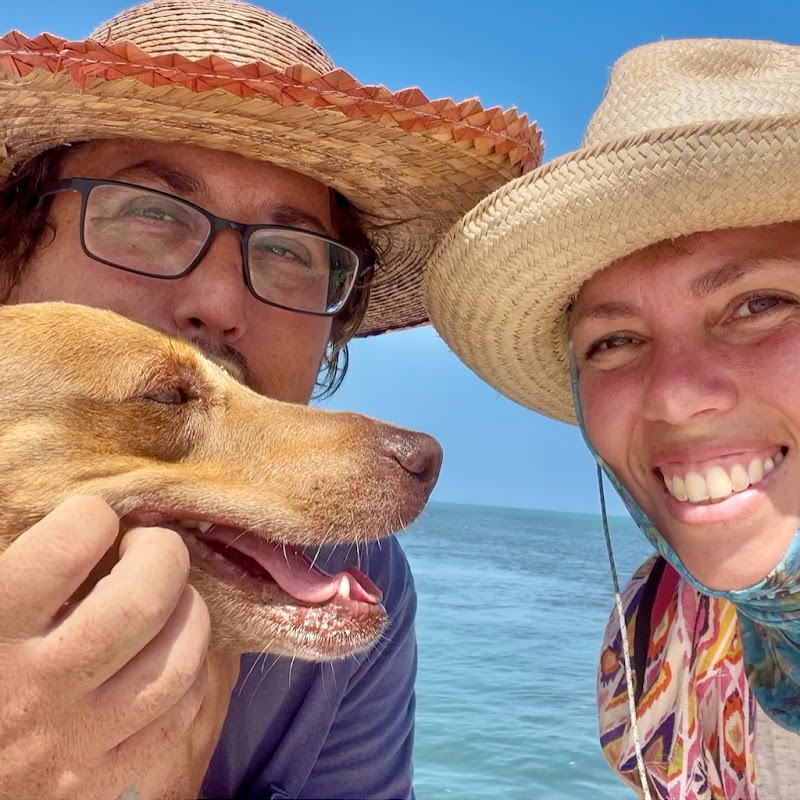
From a 24ft C&C to a 40ft pilothouse sloop, Robinson and Justine of sailorama define the technical grit of minimalist, mission-driven offshore cruising.
Channel Information:
Social Media Links:
Where should 'FREE' sailors go? | SAME BOAT Location
- Sailorama Base, La Paz Anchorage, Mexico (24.1426,-110.3128)
Latest Episodes from Sailorama
Explore the most recent voyages. Subscribe to the channel to never miss an update!
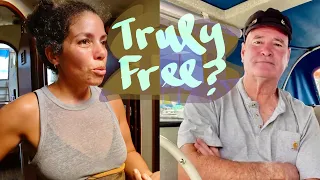
Where should ‘FREE’ sailors go? | SAME BOAT
Sailorama and Jean explore the economic reality of free boats, housing inflation, the 10% liveaboard rule in marinas, and the true cost of vessel refits.
Sailboat nearly sank in Cuba, then THIS happened.
Most people on the island have houses, they have healthcare, they are trained and educated. Cuba is a society of good people. However, they're being deliberately strangled - everything has become too expensive, including food - most materials and medical supplies are out of reach. Meanwhile, w...
Younger Generation Sailor Debates Old Salt | Same Boat
On Episode 1 of 'Same Boat', Justine opens a dialogue with sailing predecessor/patron supporter, Jean. We get right into the debate of whether or not 'rocking the boat' in the realm of sailing is helpful. Jean's youtube Channel: youtube.com/@Jmmondeau sailorama LIVE Upda...
Jamaica and Back to Cuba Again
Sailing. Sargassum. Empire. Watch if you want. LIVE Updates: facebook.com/sailorama instagram.com/justinesailorama Thank you to all the patrons of this channel! PATREON: