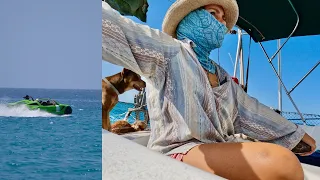
Chased Out of Cuba
Anchored in Cienfuegos, Cuba, Robinson and Justine find their cruising plans abruptly halted when new sanctions disable their online payment methods, leaving them scrambling for physical cash to settle a mooring marina fee of $10 to $12 daily aboard their Vennekens Koral 40, Inesperada. Documenting their voyage on Sailorama, the crew faces an acute currency crisis in the city, where banks and automated teller machines offer no accessible cash withdrawals.
With domestic inflation driving goods that once cost 500 pesos up to 5,000 pesos, physical currency in Cuba has grown exceptionally scarce. The sudden loss of Wise transfer functionality cuts off Robinson and Justine from converting funds through third-party intermediaries to pay local hosts. Having exhausted their cash reserves on fresh fruit and vegetables, the crew must settle their outstanding marina bill and organize an immediate sea passage westward along the Cuban coast.
Sanctions, Currency Scarcity, and Passage Preparation in Cienfuegos
The financial deadlock in Cienfuegos leaves Robinson and Justine with few options. Cuban citizens frequently wait in lines for hours outside financial institutions to collect monthly pensions or government paychecks worth only a couple of dollars in pesos. Foreign cruisers face even tighter restrictions. When the digital invoice link sent by the marina stops functioning, the crew attempts to secure physical banknotes through local networks, but the sudden cutoff of Wise transfers under newly imposed sanctions shuts down that workaround entirely.
Preparing to leave required several weeks of advance planning and provisioning. To conserve their remaining stores, Justine dried sliced fruit and verified the functionality of their manual emergency desalinator. The filtration unit produces approximately 1 gallon of fresh drinking water per hour and demands frequent flushing with clean fresh water to keep the internal membrane functioning. Nightly lightning squalls brought heavy winds and rough chop across the anchorage, but with financial reserves depleted and no means of earning or receiving money in the country, postponing departure is no longer viable.
Before casting off, the crew takes on an additional hand. Fabian joins Inesperada from Havana, choosing to travel by sailboat instead of booking a routine flight. While extra watchstanding assistance is welcome, Fabian arrives exhibiting cold symptoms, and Justine soon falls ill as departure day arrives. After finally settling the marina bill in physical cash, Inesperada departs Cienfuegos just behind a companion vessel that quickly powers ahead into open water.
Coastal Departure and the Booby Bird Fishing Encounter
Motoring away from Cienfuegos past a coastal lighthouse, boat dog Choco watches the shoreline recede while Robinson sets out trolling lines to catch fish for salting and onboard preservation. As the yacht clears the island, a large flock of booby birds begins wheeling overhead. Within minutes, dozens of birds circle the transom and begin aggressively diving at the moving artificial lures.
Knowing that diving seabirds can easily hook themselves and drown behind the boat, Robinson and Justine monitor the trolling gear intently. Despite efforts to scare the flock away, one bird strikes a hook in a feeding frenzy. Robinson immediately hauls the struggling booby aboard to prevent injury, calling out, “Where’s the cloth?” Placing a towel over the bird’s head calms its panic. Donning protective gloves as the bird snaps defensively, Robinson notes, “He’s pointy and he’s biting at everything.” Working slowly, the crew extracts the hook from its beak and safely releases the unharmed bird back into flight.
Stopover at Cayo Largo: Bicycles, Coconuts, and Fuel Shortages
Sailing westward along Cuba’s southern coastline under intense tropical heat and recurring evening thunderstorms, Inesperada makes landfall at Cayo Largo. The crew secures the boat alongside a rickety wooden pier, eager to replenish their hydration supplies. Coconuts provide essential fluid for the voyage, and the crew harvests a large quantity ashore. Justine cuts opened coconuts into thin slivers to dry them for long-term storage in the galley.
Ashore, Robinson and Fabian take turns riding a bicycle along the island’s empty paved roadways. The infrastructure at Cayo Largo remains in place, complete with an airport, a firehouse, and well-maintained resort buildings looked after by local caretakers. However, the island has no active tourism. A Canadian airline and resort company that negotiated rights to operate vacation flights to the cay cannot fly aircraft because severe fuel shortages across Cuba leave officials unable to guarantee aviation refueling for the return journey to Canada.
Before departing, the crew visits an isolated ranger station where workers remain stationed for weeks and months at a time with limited supplies. Learning that the workers lack fresh produce, Robinson and Justine share fresh garlic and vegetables. In return, the station caretakers generously offer clean well water, replenished by recent rains, allowing Inesperada to top up its freshwater tanks for the extended crew.
Squalls and Waterspouts Along Isla de la Juventud
Continuing their passage toward Isla de la Juventud, Robinson and Justine keep engine use to an absolute minimum to preserve their scarce diesel fuel. With limited money to purchase expensive fuel, the crew relies on whatever breeze develops. Sailing conditions alternate between frustrating lulls of one to one and a half knots in faint air and sudden, howling 40-knot storm squalls that whip up steep waves.
While passing the high rock faces and agricultural tracts of the island, two violent weather systems slam into the vessel back to back. Reviewing the rough conditions, Robbie explains, “Today we got hit by two. Or was it just one though? It was kind of two. We got hit by like a pretorm and then and then we got hit by a secondary storm from like 180° difference.”
The crew drops anchor during calm spells and resumes sailing whenever manageable wind returns. During one productive trolling run, Robbie lands a yellowtail snapper to supplement their provisions. Rounding the western tip of Isla de la Juventud before heading offshore, they take Choco ashore for a final walk and bring aboard remaining fresh fruit. Looking out toward their intended passage route, they spot an ominous waterspout swirling beneath heavy cumulonimbus clouds, prompting them to hold position until the squall line moves past.
Passage Metrics and Technical Observations
| Operational Parameter | Video Measurement | Practical Impact on Inesperada | | Cienfuegos Mooring Fee | $10 to $12 daily | Depleted cash reserves after payment link failed | | Local Currency Inflation | 500 pesos to 5,000 pesos | Created tenfold cash requirement for essential provisions | | Emergency Watermaker Output | 1 gallon per hour | Required regular clean fresh water flushing | | Squall Wind Velocity | 40 knots | Required reducing mainsail between calm drifting periods | | House Battery Starts | 1 engine start per day | Confined diesel starts strictly to peak midday sunlight |
Open-Water Crossing, Battery Failures, and Offshore Fishing
Once the coastal squalls disperse, Inesperada sets out on an open-water passage away from Cuban waters. Mechanical and electrical troubles emerge almost immediately. The vessel’s battery bank begins acting erratically, reading unusually low voltage even under bright midday sun. The degraded system provides just enough charge to crank the diesel engine about once a day during the absolute peak of solar collection.
Fortunately, sailing conditions turn favorable with steady, moderate winds. The crew hoists the sails wing on wing to maintain consistent downwind speed. When marine weather forecasts predict building swells and higher wind speeds, Robinson reefs the mainsail as a precaution, though the severe gale fails to materialize.
Offshore trolling brings renewed success. Robinson hooks a heavy fish that leaps vigorously on the surface. Working hand lines and a cockpit rod, the crew brings the catch alongside as Justine observes, “It is a mahi. I know it’s a mahi.” The large dorado provides ample fillets for frying, salting, and drying, along with fresh meat for Choco. Near the end of the crossing, the crew experiences one last minor mishap when a spinnaker halyard escapes up the mast, before they dodge a fast-moving container ship and approach their destination port.
Frequently Asked Questions
New economic sanctions disabled Wise online money transfers, cutting off Robinson and Justine from moving funds or obtaining physical cash to pay their daily marina fee of $10 to $12 and purchase food.
Justine tested their manual emergency desalinator, which produces approximately 1 gallon of fresh water per hour through filtration and requires regular flushing with clean water to stay operational.
Canadian charter planes could not fly to Cayo Largo because widespread fuel shortages in Cuba meant the airport could not guarantee aviation fuel for aircraft to refuel for the return flight to Canada.
The vessel house batteries suffered from unusually low voltage even in the middle of the day, leaving sufficient power to start the diesel engine only about once a day during peak sunlight.
After a diving booby bird was hooked on a trolling lure, Robinson placed a cloth over its head to calm it down and wore protective gloves to extract the hook while the bird was biting.
Book a trip where this was filmed — near Key West
Support Sailorama
At WeBoating.com, we profoundly acknowledge the unwavering dedication that Sailorama invests in crafting each and every video or voyage. Their passion for delivering exceptional ocean content shines through every frame, and it's a labor of love that deserves your attention.
We invite you to watch their captivating videos here and actively engage with their content, including their social media links above. Liking, commenting, and sharing their work goes a long way in fueling their creative fire.
We're also inviting you to explore the gear, sponsorships, and boat partnerships highlighted in the "Chased Out of Cuba" video description, or directly on YouTube. By engaging with these offerings or purchasing services and items, you directly support Sailorama, their collaborators, and the brands they're associated with.
To ensure you never miss an offshore update, consider visiting their official YouTube Channel to subscribe, like, and join their community directly.
If you have any feedback, corrections, or additional information about Sailorama or their videos, please use the comment form below to share your thoughts with us.
Thank you for being a part of our community and supporting the creators we cherish. Your time and support truly matter!
We miss you, Cuba✌️
Thank you to all the patrons of this channel:
https://www.patreon.com/sailorama
LIVE Updates:
facebook.com/sailorama
instagram.com/justinesailorama
Sailorama
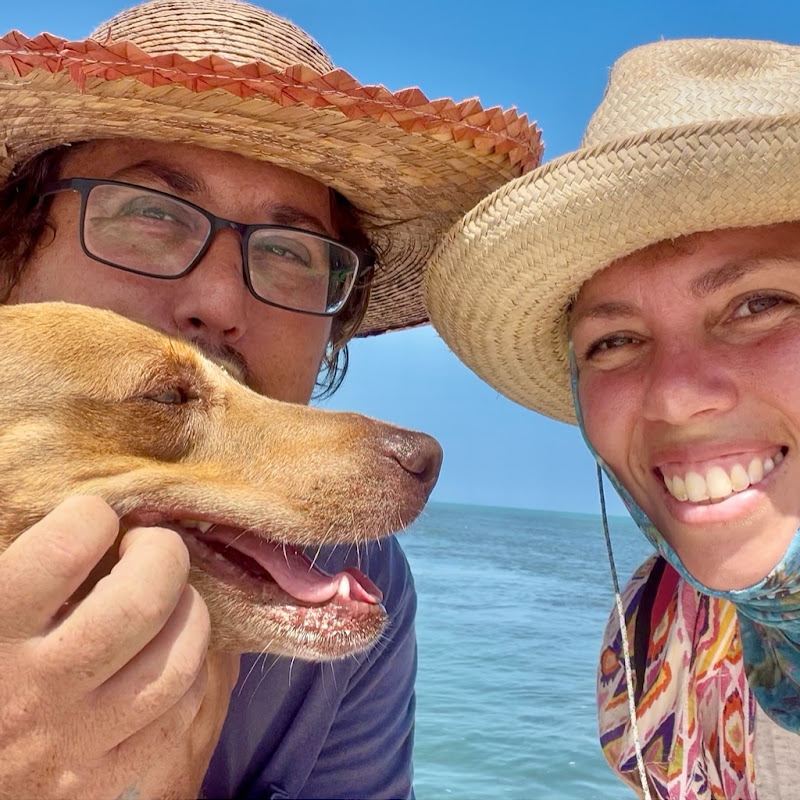
From a 24ft C&C to a 40ft pilothouse sloop, Robinson and Justine of sailorama define the technical grit of minimalist, mission-driven offshore cruising.
Channel Information:
Social Media Links:
Chased Out of Cuba Location
- Cienfuegos Anchorage (22.127,-80.454)
- Cayo Largo del Sur (21.616,-81.56)
- Isla de la Juventud (21.69,-82.85)
Latest Episodes from Sailorama
Explore the most recent voyages. Subscribe to the channel to never miss an update!
Chased Out of Cuba
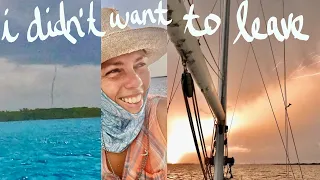
After US sanctions and cash shortages cut off payment options in Cienfuegos, Robinson and Justine sail Inesperada along Cuba's southern cays toward open water.
LIFE and ENERGY in Cuba
Justine and Robin navigate daily life in Cienfuegos, Cuba, documenting marina outages, local food logistics, and community resilience during hurricane season.
Where should ‘FREE’ sailors go? | SAME BOAT
Sailorama and Jean explore the economic reality of free boats, housing inflation, the 10% liveaboard rule in marinas, and the true cost of vessel refits.
Sailboat nearly sank in Cuba, then THIS happened.
When a catastrophic seawater pump failure floods Inesperada off the Cuban coast, the cruising crew of Sailorama executes emergency damage control and discovers extraordinary local ingenuity in Cienfuegos.
Younger Generation Sailor Debates Old Salt | Same Boat
Justine of Sailorama sits down with veteran voyager Jean for an in-depth dialogue contrasting modern electronic cruising systems with traditional seamanship, offshore rigging choices, and heavy weather storm management.