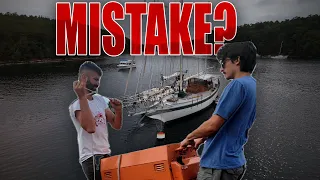
SHAKEDOWN: Our First Trip on a 1$ Boat
The transformation of an abandoned vessel into an offshore-capable voyager is one of the most demanding tests in modern sailing. For Simon Stiles of Finding Simon, resurrecting SV Perihelion—a classic William Garden-designed 1981 Formosa 51 ketch acquired for just one dollar—has progressed from shipyard carpentry to open sea trials. After extensive fiberglass repairs, custom metal fabrication, and off-grid electrical work, the time arrived to cast off lines and conduct an intensive coastal shakedown cruise.
A shakedown cruise is a rigorous diagnostic trial where theoretical refit work meets working marine loads. Sailing out of sheltered waters into coastal chop tests every component, from standing rigging tension and an unconventional furling mainsail to custom aluminum deck joinery and auxiliary diesel reliability. Simon balances emergent mechanical glitches with the deep satisfaction of sailing a craft reclaimed from abandonment without incurring crippling debt.
From Boatyard Derelict to Coastal Sea Trials
Preparing for coastal trials demands methodical preparation, and as Simon of Finding Simon embarks on this Shakedown Cruise aboard his resurrected Project Boat, the voyage marks a major milestone for practical Boat Restoration and disciplined Seamanship. Transitioning a vessel from shipyard refit status to active passage-making exposes every structural seam to dynamic marine forces. The heavy-displacement Formosa 51 hull was engineered for ocean voyaging, but years of neglect left its spars, deck hardware, and plumbing systems entirely dormant.
Before raising sail, weeks of labor focused on sanitizing the hull and clearing deck layouts cluttered by refit tools and materials. Simon systematically tested both the manual diaphragm bilge pump and primary electric pumps, checked the cockpit scupper seacocks, and inspected the structural interior bulkheads for stress fractures. Simon confirmed that thru-hulls moved freely, raw water strainers were clear, and bilge compartments were completely free of loose debris that could choke emergency pump impellers. Reclaiming discarded hulls proves that sweat equity and resourceful problem-solving can transform a neglected derelict into an offshore cruising home.
Rigging Forensics and Sail Plan Validation Under Load
Evaluating mast stability underway requires technical precision, and as Simon of Finding Simon sails into open water on this Shakedown Cruise, testing the Project Boat demonstrates how Boat Restoration relies directly on vigilant Seamanship. The ketch rig features a specialized furling mainsail mounted on a stay directly aft of the main mast rather than inside an internal furling extrusion. Operating like an aft-facing jib with a loose foot controlled along the boom, it provides simplified reefing for shorthanded offshore cruising.
Hoisting the heavy canvas under working loads immediately tested halyard tension, outhaul travel, and boom clearances. Simon inspected the wire halyards, masthead sheaves, and turnbuckle cotter pins to verify that stainless steel fittings showed no stress corrosion or work hardening. Simon verified that the swinging boom and main sheet cleared the aft corner of the newly installed hardtop roof during sudden tacks and downwind gybes. While an external stay furler slightly compromises close-hauled pointing angles, the substantial gains in reefing safety and mechanical simplicity are ideal for a heavy cruising ketch.
Marine Carpentry, Structural Hardtop Welding, and Propulsion
Structural deck integrity is essential in heavy weather, where Simon of Finding Simon verifies during this Shakedown Cruise that his Project Boat successfully combines custom Boat Restoration with sound Seamanship. Before leaving sheltered waters, Simon completed the fabrication of an all-aluminum cockpit hardtop roof designed to carry high-output solar panels. Using cardboard templates, he shaped six heavy-duty mounting tabs with gussets welded from two-inch flat aluminum stock, maintaining a one-inch margin to prevent burn-through from the 150-amp welding current.
Welding aluminum while moored required stepping up off-grid battery power through a 2,400-watt inverter. The modular roof assembly was designed to unbolt easily, allowing the engine to be hoisted vertically with a crane in the future without deck demolition. Underway, the Nissan SD33 diesel experienced brief rpm drops as rolling seas stirred settled tank sediment; Simon quickly switched to a fresh primary fuel filter and diagnosed air in the injection pump, restoring dependable auxiliary power.
Maiden Sea Trial Telemetry and Restoration Ledger
Tracking technical data allows Simon of Finding Simon to quantify the Shakedown Cruise of his Project Boat, validating how methodical Boat Restoration and attentive Seamanship establish vessel reliability. Combining empirical trial results with the refit ledger creates an operational safety baseline for future voyaging.
| Operational System | Restoration Specification & Equipment | Sea Trial Verification Status |
|---|---|---|
| Vessel Platform | 1981 Formosa 51 Ketch (William Garden Design) | Heavy-displacement tracking verified in coastal swell |
| Hull Acquisition Cost | $1.00 USD (Salvage Restoration Project) | Bulkheads and hull laminate sound under sea loads |
| Standing & Running Rigging | External stay furling mainsail, stainless halyard tracks | Boom clears hardtop bimini; halyards cleared |
| Auxiliary Diesel Engine | Nissan SD33 Inboard 6-Cylinder Marine Diesel | Fuel filter switched under load; air bubbles cleared |
| Hardtop Bimini Architecture | Custom aluminum weldment with 6 gusseted mount tabs | Modular removable assembly resists 30-knot gusts |
| High-Voltage Battery Bank | 48V 100Ah Temgo LiFePO4 (5.12 kWh capacity) | 100A charge and 200A discharge capability verified |
| Domestic DC Power Grid | Bulk DC-to-DC converter (40-90V in, 13.5V output) | Seamlessly supplies navigation, fridge, and galley |
| Solar Generation Array | Roof-mounted high-output solar panel array | Maintains 100% battery state-of-charge underway |
| Steering & Ground Tackle | Bronze quadrant, cable steering, bower anchor | Responsive helm feel; washdown pump upgrade noted |
This technical ledger highlights how disciplined refit spending delivers offshore reliability. Directing capital toward high-capacity lithium storage, dual fuel filtration, rugged deck welding, and manageable sail controls allowed Simon to convert a salvage hull into a self-sufficient cruiser on a modest budget.
Coastal Navigation and Seamanship Under Coastal Currents
Passage-making through coastal channels and strong tidal flows tests Simon of Finding Simon on this Shakedown Cruise, demonstrating that his Project Boat depends on diligent Boat Restoration and vigilant Seamanship. Underway, winds gusted between 25 and 30 knots, with regional gales bringing 60-knot offshore bursts. Running downwind in following seas, the 51-foot hull proved steady and predictable on the helm.
Carefully timing tidal gates allowed Simon to avoid turbulent overfalls and standing rip tides before maneuvering into protected anchorages. Running before steep ocean swells, the boat’s classic wineglass transom and full keel tracked true without broaching tendencies. Anchoring in narrow coves required deploying heavy nylon stern ties to shore rings to keep the vessel aligned in shifting tidal currents. Handling muddy ground tackle revealed the clear need for a high-pressure saltwater deck washdown pump and improved anchor stowage rollers, providing valuable feedback for the next refit stage.
The Philosophy of Ultra-Low-Budget Boat Restoration
Living afloat through practical self-reliance allows Simon of Finding Simon to demonstrate during this Shakedown Cruise that an affordable Project Boat developed via hands-on Boat Restoration inspires genuine Seamanship. While modern yachting often emphasizes commercial debt and complex electronics, rescuing a neglected classic for nominal cost proves that offshore adventure remains within reach of resourceful mariners.
The voyage concluded with satisfying off-grid milestones: catching fresh Dungeness crabs and prawns, cooking on an electric galley powered entirely by solar reserves, and scouting shorelines with folding e-bikes carried on deck. With vital systems tested and small mechanical glitches resolved, the restored Formosa 51 stands prepared for ambitious offshore voyaging.
Frequently Asked Questions
To assist maritime enthusiasts and cruisers following Simon and Finding Simon as they complete this Shakedown Cruise aboard their Project Boat, the following answers outline essential principles of Boat Restoration and offshore Seamanship.
A sailboat shakedown cruise starts in sheltered waters with controlled testing. Skippers should check bilge pumps, thru-hulls, and emergency steering, monitor engine temperature, and test sails in moderate winds before tackling coastal chop. Cruising near safe harbors lets the crew resolve rigging slack, engine issues, and leaks safely.
Inspection priorities must focus on hull watertightness, steering gear, and standing rigging. Key checks include rudder pintles and quadrant cables, chainplate integrity, engine fuel filtration and raw water cooling, operational VHF communications, and redundant manual and electric bilge pumps.
While the purchase price of an abandoned hull may be one dollar, a full refit demands substantial capital for safety hardware and materials. Typical expenses include marine wiring, lithium battery banks, standing rigging, bottom paint, thru-hulls, and structural lumber, often totaling $20,000 to $50,000 in DIY investment.
Auxiliary propulsion requires clean fuel delivery, solid mounts, and reliable cooling. On classic diesels, dual switchable fuel filters allow instant filter swaps if stirred tank sediment causes fuel starvation underway. Checking vacuum gauges and bleeding air from injection pumps ensures continuous engine power.
Underway leaks require quickly distinguishing fresh rainwater from saltwater ingress at thru-hulls or shaft seals, applying wooden bungs or underwater epoxy as immediate barriers. If standing rigging develops slack under load, ease sail pressure immediately and adjust turnbuckles once loads are relieved.
Simon installed a 48-volt 100Ah Temgo LiFePO4 battery pack coupled with an aluminum hardtop solar array. A bulk DC-to-DC converter steps voltage down to 13.5V for house loads, providing 100A charging and 200A discharge capability to run induction cooking, refrigeration, and computers off-grid.
Following the shakedown cruise, Simon plans to install an anchor washdown pump, improve ground tackle rollers, and finish standing rigging renewals. Long-term voyaging plans include cruising northern passages toward Desolation Sound and Haida Gwaii as an off-grid expedition residence.
Support Finding Simon
At WeBoating.com, we profoundly acknowledge the unwavering dedication that Finding Simon invests in crafting each and every video or voyage. Their passion for delivering exceptional ocean content shines through every frame, and it's a labor of love that deserves your attention.
We invite you to watch their captivating videos here and actively engage with their content, including their social media links above. Liking, commenting, and sharing their work goes a long way in fueling their creative fire.
We're also inviting you to explore the gear, sponsorships, and boat partnerships highlighted in the "SHAKEDOWN: Our First Trip on a 1$ Boat" video description, or directly on YouTube. By engaging with these offerings or purchasing services and items, you directly support Finding Simon, their collaborators, and the brands they're associated with.
To ensure you never miss an offshore update, consider visiting their official YouTube Channel to subscribe, like, and join their community directly.
If you have any feedback, corrections, or additional information about Finding Simon or their videos, please use the comment form below to share your thoughts with us.
Thank you for being a part of our community and supporting the creators we cherish. Your time and support truly matter!
Sponsored by Temgo 51.2V 100AH LiFePO4 Battery:
(https://www.temgot.com/en-ca/products/48v-100ah-lithium-golf-cart-battery-ca)
@SimonFordman Channel fixing old cars in farmer's fields
We sailed down to Salt Spring Island, picked up a couple bikers, cruised up to Wallace Island to go car shopping and finally off to Decourcey Island to unleash the biker gang.
This build is made possible by you and your support. Thank you so much for watching, commenting and liking. If you'd like to help more please checkout the links below.
Patreon: https://www.patreon.com/FindingSimon
Wishlist: https://www.amazon.ca/hz/wishlist/ls/2Z0IDLS3ONL8Q?ref_=wl_share
Instagram: https://www.instagram.com/finding_simon/
PayPal: https://paypal.me/ShelbyandSimon
Sponsored by
Total Boat (https://www.totalboat.com/)

Finding Simon
Join Simon Stiles of Finding Simon as he documents his high-authority transition from a 5,000W solar catamaran to the restoration of a $1 Formosa 51.
Channel Information:
Social Media Links:
SHAKEDOWN: Our First Trip on a 1$ Boat Location
- Falmouth Harbor & Marina Basin, Cornwall, United Kingdom (50.152,-5.068)
- Helford River Anchorage, Cornwall, United Kingdom (50.101,-5.115)
Latest Episodes from Finding Simon
Explore the most recent voyages. Subscribe to the channel to never miss an update!
Replacing my Bronze Thruhulls with Plastic
This weeks been a little frustrating, but in the end we plugged some holes and the boat will be much safer for it. This build is made possible by you and your support. Thank you so much for watching, commenting and liking. If you'd like to help more please checkout the links below. Patreon: ...
Leaks, Corrosion and Cracked Props: Hauling Out
We will be posting from the yard for the next couple episodes, and I really appreciate all the support. This build is made possible by you and your support. Thank you so much for watching, commenting and liking. If you'd like to help more please checkout the links below. Patreon: Wishlist: ...
Building a Super Quiet Engine Room!
If you're interested in the ToughBuilt drawers they're here: This build is made possible by you and your support. Thank you so much for watching, commenting and liking. If you'd like to help more please checkout the links below. Patreon: Wishlist: Instagram: PayPal: Sponsored ...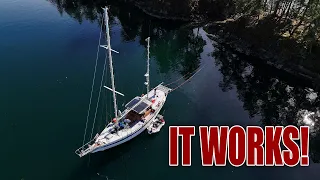
SHAKEDOWN: Our First Trip on a 1$ Boat
Simon launches his resurrected $1 project boat for an intensive coastal shakedown cruise, testing marine carpentry, running rigging, and seamanship under open sail.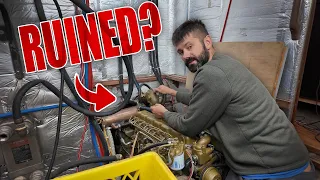
This Nearly KILLED MY NEW ENGINE
This build is made possible by you and your support. Thank you so much for watching, commenting and liking. If you'd like to help more please checkout the links below. Patreon: Wishlist: Instagram: PayPal: Sponsored by Total Boat (