First time going inside my flooded boat!
On his third day working in a Georgia boat yard, Dylan Magaster prepared to step inside his flooded 1979 Morgan 382 monohull, SV Arianrhod, for the first time since high water inundated the cabin. Wearing rubber boots, rubber gloves, and a Tyvek suit paired with a respirator, Dylan geared up to inspect the interior damage after previously power washing sections of the topside deck.
Recent storm conditions, driven by a nor’easter combined with an astronomical king tide, pushed water across the coastal boat yard roads and submerged vessels on the hard. With water levels inside the boat having receded beneath the cabin sole, Dylan brought gallon jugs of Simple Green and an industrial power washer aboard to scour away toxic residue before mold and diesel sludge could permanently ruin the vessel.
Assessing Cabin Sludge and Flood Residue
Stepping down through the companionway, Dylan encountered a dark mixture of diesel, motor oil, water, and organic silt coating the cherry and maple veneer cabin sole. “Day three, I think, of working on Ari and Rod, seeing if we can get her all fixed up,” Dylan remarked as he maneuvered his camera gear across the slick surfaces. The interior showed distinct high-water marks along the bulkheads, with evidence of wildlife intrusion including raccoon footprints on the upholstery, cockroaches, and a hornets nest tucked into an open portlight frame.
Dylan evaluated the surrounding gear stored throughout the forepeak and saloon. While overhead lockers kept his dive gear, kiteboard, and metal detector above the main flood line, lower storage areas and cabin cushions took the brunt of the water intrusion. Recognizing that leaving the surfaces saturated would accelerate decay, Dylan formulated an aggressive washdown strategy: “And as of right this second, the plan is to basically wash out the inside, kind of re-flood it. It’s all already wet and the damage has been done, right? Like it’s already wet. So, might as well take advantage of it all being wet and use this as a time to clean it as good as I can.”
Submerged Engine Inspection and Pickling Protocol
Removing the companionway steps revealed the vessel auxiliary diesel engine, which had sat fully submerged beneath the floodline. Dylan carefully avoided activating any electrical circuits or breaker switches to prevent shorting sensitive components. Although submerged machinery degrades quickly once exposed to air and oxygen, Dylan noted that the engine had emerged from the water only within the last day or two, giving him a brief window of opportunity to prevent internal seizure.
Dylan detailed the mechanical salvage steps required to save the submerged power plant before internal corrosion takes hold. “And then you pour diesel into the injector holes and you continue to crank it over until the entire engine, from top to bottom, anywhere there’s supposed to be oil, all the cylinders, everything is just full complete full of diesel. And that will That’s called pickling the engine,” he explained. Once the exterior block was power washed, the immediate plan called for pulling the fuel injectors, cranking the starter manually or mechanically to purge trapped water from the cylinders, draining contaminated oil, and refilling the block completely with clean diesel fuel.
Power Washing the Interior Sole and Evacuating the Bilge
Dylan dragged the power washer hose directly into the main salon, soaking the cabin sole and lower cabinetry with Simple Green degreaser. The high-pressure spray cut through thick oily film, directing the emulsified black slurry downward into the deep central bilge sump. To manage the high volume of dirty runoff, Dylan rigged a heavy-duty submersible electric bilge pump borrowed from the boat yard staff.
Cycling the borrowed pump continuously prevented the bilge from overflowing back onto the sole. Inspecting the cabin sole between spray passes, Dylan observed that although the cherry and maple surface veneer showed bubbling and dark discoloration, the subfloor framing remained firm underfoot without soft spots or rot. This structural integrity provided relief, suggesting the vessel would not require a catastrophic, full-gut interior rebuild to return to cruising service.
Boat Yard Walkthrough and Hull Structural Evaluation
As evening settled over the yard and heat built inside the sealed Tyvek suit, Dylan emerged on deck to strip off his protective layers. Swarms of evening insects forced him to pack away tools before dark: “Dude, the mosquitoes out here in Georgia are absolutely vicious.” Walking around the exterior on the hard, Dylan examined how the hull rested against its support pads, noticing slight hull indentations where boat stands bore excessive point-loading pressure during ground saturation.
Dylan planned to reset additional jack stands with yard crew to relieve localized pressure and inspect whether surface cracks penetrated into the solid fiberglass laminates or merely crazed the thick antifouling paint. Observing that his 1979 build was constructed during an era of heavy hand-laid woven roving, Dylan reflected on the ruggedness of his boat: “Which makes like these old Morgans, these 1979 Morgans are absolute tanks in the water.” After his assessment, Dylan walked past visiting Wharram catamarans and yard machine shops, confirming his commitment to preserving Arianrhod step by step.
Frequently Asked Questions
A seasonal king tide combined with a nor’easter brought floodwaters across the coastal Georgia boat yard, inundating vessels stored on the hard.
Pickling involves power washing the exterior, removing injectors, cranking the engine to pump water out of the cylinders, and filling the entire engine with diesel to stop internal rust.
Dylan used Simple Green degreaser combined with a pressure washer to break down oily black sludge before pumping it out through the bilge.
While the cherry and maple wood veneer bubbled and suffered discoloration, the underlying floor structure remained solid and stable without rot.
Book a trip where this was filmed — near Hilton Head Island
Support Dylan Magaster
At WeBoating.com, we profoundly acknowledge the unwavering dedication that Dylan Magaster invests in crafting each and every video or voyage. Their passion for delivering exceptional ocean content shines through every frame, and it's a labor of love that deserves your attention.
We invite you to watch their captivating videos here and actively engage with their content, including their social media links above. Liking, commenting, and sharing their work goes a long way in fueling their creative fire.
We're also inviting you to explore the gear, sponsorships, and boat partnerships highlighted in the "First time going inside my flooded boat!" video description, or directly on YouTube. By engaging with these offerings or purchasing services and items, you directly support Dylan Magaster, their collaborators, and the brands they're associated with.
To ensure you never miss an offshore update, consider visiting their official YouTube Channel to subscribe, like, and join their community directly.
If you have any feedback, corrections, or additional information about Dylan Magaster or their videos, please use the comment form below to share your thoughts with us.
Thank you for being a part of our community and supporting the creators we cherish. Your time and support truly matter!
Buy Captain's Salve: https://www.gnossquid.com/shop/p/captainssalve
Support on Patreon: https://www.patreon.com/dylanmagaster
Follow Dylan Magaster:
https://www.instagram.com/dylanmagaster/
Dylan Magaster is a multi facited creator, creating content ranging from travel vlogs, sailing, free diving, scuba diving, fpv drones and more.
Business inquires or music submissions:
[email protected]
Music:
https://mbsy.co/epidemicsound/FLORB
Filmed and edited by
Dylan Magaster:
https://www.instagram.com/dylanmagaster/
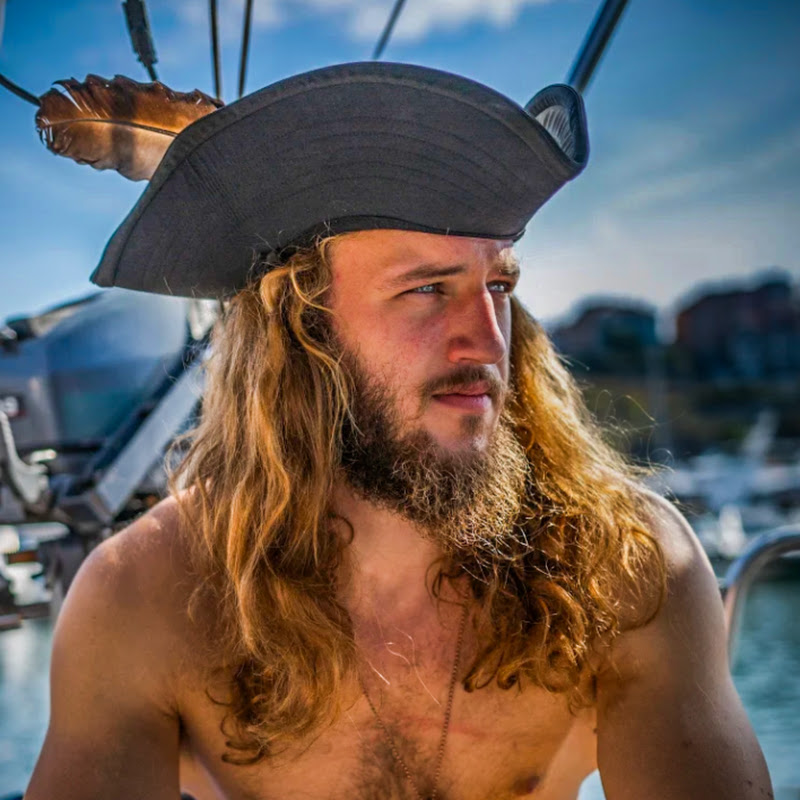
Dylan Magaster
Dylan Magaster, creator of FLORB, documented his transition from vanlife to his 1979 Morgan 382 'Arianrhod'. Follow his 2026 solo mission exploring the Greek Islands.
Channel Information:
Social Media Links:
Latest Episodes from Dylan Magaster
Explore the most recent voyages. Subscribe to the channel to never miss an update!
Can I save my engine that was totally underwater?!
Working on the hard at a boatyard, Dylan Magaster tackles the salvage of his flooded Beta Marine 38 diesel engine, removing fuel injectors to purge trapped rainwater.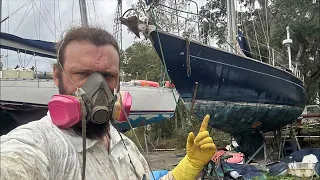
Cleaning my flooded boat
Dylan Magaster continues emergency salvage operations aboard his flooded Morgan 382, stripping moldy cushions, bleaching the cabin, and prepping the diesel.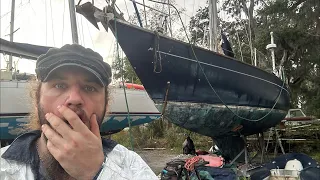
First time going inside my flooded boat!
Dylan Magaster enters the flooded cabin of his 1979 Morgan 382, SV Arianrhod, in a Georgia boat yard, washing away oily sludge and assessing the submerged diesel engine.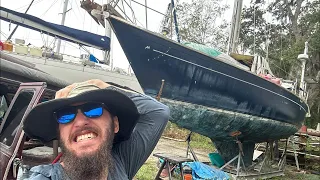
My Boat Flooded. Day 2.
Dylan Magaster returns for Day 2 of flooded boat recovery aboard S/V Arianrhod in a Georgia boatyard, assessing hull oil canning, 20 hours of siphon drainage, and rigging halyards to clear deck cargo.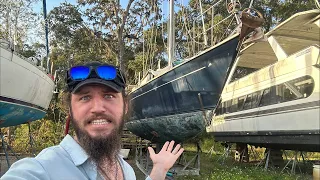
ITS FLOODED! FIRST LOOK! Returning to my boat…
Returning to S/V Arianrhod in a Georgia boatyard, Dylan Magaster discovers standing water three to four feet deep inside the cabin, rigging an emergency shop vac siphon to drain the vessel overnight.