ITS FLOODED! FIRST LOOK! Returning to my boat…
Arriving at a boatyard in Georgia, Dylan Magaster pulled his van up beside his 1979 Morgan 382, S/V Arianrhod, to conduct a comprehensive condition inspection after an extended period away. The classic fiberglass monohull had been stored on land while Dylan traveled and completed video editing projects, operating under the understanding that an assigned caretaker would check on the vessel periodically.
Upon stepping outside into the humid Georgia air, immediate visual inspection revealed substantial weather wear and deferred maintenance across the exterior. Peeling bow paint from an earlier application required extensive sanding, the canvas dodger showed widespread mold accumulation, and the dinghy stowed on deck sat completely deflated under the sun.
Exterior Hull Strain and Cradle Pad Deflection
Before boarding the vessel, Dylan walked the perimeter of the cradle to evaluate structural support along the hull. Because the yard cradle featured fixed support pads that could only slide fore and aft rather than adjust to internal bulkhead positions, the weight of the vessel had concentrated heavily against the fiberglass topsides. At several pad contact points, the hull exhibited noticeable deflection and indentation:
“This is way worse than I thought.”
Inspecting the sunken laminate closely, Dylan spotted a hairline crack along one deformed section, indicating that the fiberglass had been forced inward under severe load. Toward the stern, steady drips of water leaked from beneath the hull alongside patches of green algae growth, confirming that water had accumulated deep within the bilge and was weeping outward through hull penetrations.
Boarding the Cockpit and Discovering Cabin Flooding
Retrieving a respirator from his van to guard against heavy mold spores, Dylan climbed an unstable stepladder to reach the deck. The companionway hatch presented an alarming sight: the protective washboards were broken and displaced rather than sealed shut. Debris from chewed cushions and foreign materials suggested that animals had entered the unsecured interior during his absence.
As Dylan leaned over the companionway sill, a rhythmic electronic alarm beeped from somewhere inside the hull at 30 seconds intervals. Looking down into the main salon revealed a catastrophic scene: black standing water filled the vessel to a depth of 3 to 4 feet, rising above the cabin sole and submerging the interior cushions. The vessel’s auxiliary engine sat half underwater, while the deep-cycle battery bank was completely submerged and shorted out:
“bro, I don’t want to do a whole refit.”
The sheer volume of standing water accounted for the severe deflection on the cradle pads, as thousands of pounds of stagnant liquid placed unprecedented hydraulic stress on the aging fiberglass hull while resting on land.
Formulating Drainage and Rigging a Shop Vac Siphon
Facing total electrical failure with the house batteries underwater, Dylan could not activate the onboard electric bilge pumps. Rummaging through his van, he located a spare emergency pump, but lacked the necessary plumbing to deploy it immediately:
“It’s 1,000 gallons per hour, but I don’t think I have a hose for it.”
Dylan considered drilling out the thru-hull speed sensor to drain the hull directly onto the yard gravel, but hesitated to inflict permanent damage on the bottom. Attempting gravity drainage through the cockpit scuppers also proved impossible, as the cockpit sole rested at a higher elevation than the waterline inside the cabin. A viewer following the live stream suggested priming an external siphon hose using a wet-dry shop vacuum.
Acting on the suggestion, Dylan sourced a long garden hose from the boatyard grounds. Using a pocket knife, he sliced away a kinked section and unscrewed a restrictive quick-connector to maximize water velocity. After dropping a weighted hose end deep into the flooded salon, Dylan hauled a shop vac onto the deck using a utility line, plugged into an extension cord, and drew suction until fluid reached the hose crest:
“Definitely water coming out right now. The flow rate sounds good.”
Gravity immediately sustained the siphon flow, sending an unbroken stream of oily bilge water cascading over the topsides and draining toward the yard ground.
Boatyard Operations and Salvage Logistics
As darkness settled over the yard, the new facility operator arrived to discuss operational policies and equipment support. The manager explained that the boatyard was transitioning away from previous owner Rocky, who had managed the property with minimal tracking:
“240 boats when we showed up in January and contact info for about 60 of them.”
Under former ownership, yard records consisted of a single notebook sheet containing only 40 names, leaving dozens of neglected projects scattered across the facility:
“they tend to call boaty yards where dreams come to die”
The operator pointed out an adjacent vessel that had languished in the yard for 6 years amid owner litigation, which management prepared to crush and scrap. To aid Dylan’s recovery efforts, the operator offered 100 feet of heavy-duty extension cord from his maintenance buggy and promised to provide a 110-volt submersible sump pump at 8 in the morning to remove the final inches of water below the siphon intake. Dylan arranged to sign the mandatory storage agreement, plan deck power washing, and allow the soaked cabin at least 2 days to dry out.
| Inspection metric | Recorded detail |
|---|---|
| Vessel build year | 1979 Morgan 382 |
| Standing water depth | 3 to 4 feet inside cabin |
| Spare bilge pump rating | 1,000 gallons per hour |
| Boatyard fleet inventory | 240 vessels on site in January |
| Litigation vessel duration | 6 years sitting in boatyard |
| Available extension cord | 100 feet in yard buggy |
Frequently Asked Questions
Dylan found between 3 and 4 feet of standing water inside the cabin, which submerged the cabin sole, cushion level, battery bank, and lower engine block.
Using a viewer suggestion, Dylan primed a garden hose with a shop vac plugged into an extension cord, creating a continuous gravity siphon draining water onto the ground overnight.
Dylan identified hull indentation and flexion where the cradle pads supported the hull, along with a hairline crack in the laminate and dripping moisture.
The yard operator explained that when new management arrived in January, the facility contained 240 boats with contact information for only 60 owners.
Book a trip where this was filmed — near Hilton Head Island
Support Dylan Magaster
At WeBoating.com, we profoundly acknowledge the unwavering dedication that Dylan Magaster invests in crafting each and every video or voyage. Their passion for delivering exceptional ocean content shines through every frame, and it's a labor of love that deserves your attention.
We invite you to watch their captivating videos here and actively engage with their content, including their social media links above. Liking, commenting, and sharing their work goes a long way in fueling their creative fire.
We're also inviting you to explore the gear, sponsorships, and boat partnerships highlighted in the "ITS FLOODED! FIRST LOOK! Returning to my boat…" video description, or directly on YouTube. By engaging with these offerings or purchasing services and items, you directly support Dylan Magaster, their collaborators, and the brands they're associated with.
To ensure you never miss an offshore update, consider visiting their official YouTube Channel to subscribe, like, and join their community directly.
If you have any feedback, corrections, or additional information about Dylan Magaster or their videos, please use the comment form below to share your thoughts with us.
Thank you for being a part of our community and supporting the creators we cherish. Your time and support truly matter!
Buy Captain's Salve: https://www.gnossquid.com/shop/p/captainssalve
Support on Patreon: https://www.patreon.com/dylanmagaster
Follow Dylan Magaster:
https://www.instagram.com/dylanmagaster/
Dylan Magaster is a multi facited creator, creating content ranging from travel vlogs, sailing, free diving, scuba diving, fpv drones and more.
Business inquires or music submissions:
[email protected]
Music:
https://mbsy.co/epidemicsound/FLORB
Filmed and edited by
Dylan Magaster:
https://www.instagram.com/dylanmagaster/
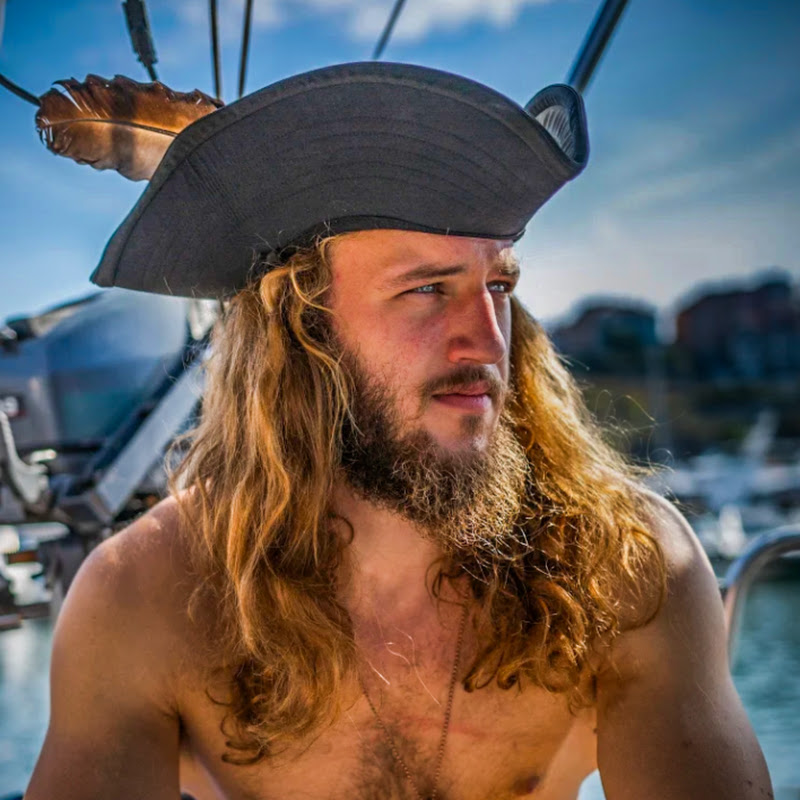
Dylan Magaster
Dylan Magaster, creator of FLORB, documented his transition from vanlife to his 1979 Morgan 382 'Arianrhod'. Follow his 2026 solo mission exploring the Greek Islands.
Channel Information:
Social Media Links:
ITS FLOODED! FIRST LOOK! Returning to my boat… Location
- Brunswick, Georgia (31.1499528,-81.4914894)
Latest Episodes from Dylan Magaster
Explore the most recent voyages. Subscribe to the channel to never miss an update!
Can I save my engine that was totally underwater?!
Working on the hard at a boatyard, Dylan Magaster tackles the salvage of his flooded Beta Marine 38 diesel engine, removing fuel injectors to purge trapped rainwater.
Cleaning my flooded boat
Dylan Magaster continues emergency salvage operations aboard his flooded Morgan 382, stripping moldy cushions, bleaching the cabin, and prepping the diesel.
First time going inside my flooded boat!
Dylan Magaster enters the flooded cabin of his 1979 Morgan 382, SV Arianrhod, in a Georgia boat yard, washing away oily sludge and assessing the submerged diesel engine.
My Boat Flooded. Day 2.
Dylan Magaster returns for Day 2 of flooded boat recovery aboard S/V Arianrhod in a Georgia boatyard, assessing hull oil canning, 20 hours of siphon drainage, and rigging halyards to clear deck cargo.
ITS FLOODED! FIRST LOOK! Returning to my boat…
Returning to S/V Arianrhod in a Georgia boatyard, Dylan Magaster discovers standing water three to four feet deep inside the cabin, rigging an emergency shop vac siphon to drain the vessel overnight.