Cleaning my flooded boat
Stepping down the companionway of his 1979 Morgan 382 sailboat, Arianrhod, solo mariner Dylan Magaster faced the aftermath of catastrophic interior flooding. Resting on cradle pads on the hard at a boatyard in Georgia, the classic Ted Brewer-designed monohull had accumulated standing water throughout the hull, coating cabin sole boards, joinery, and stowage compartments in a foul layer of silt and black sludge. Having already spent consecutive days running an electric pressure washer across the interior overheads and salon, Dylan returned to systematically triage waterlogged provisions, clear decayed gear, and halt rapid mold colonization before toxic spores permanently degraded the vessel’s structural woodwork.
Working in protective gear under stifling coastal humidity, Dylan confronted the sobering reality of salvaging a flooded vessel. The cabin floorboards had swollen tightly into their stringer frames, trapping stagnant water in the subfloor voids. Before critical mechanical diagnostics could begin on the ship’s flooded engine, the entire interior required thorough decontamination. Every sodden mattress, damp cushion, contaminated storage bin, and ruined textile had to be extracted through the hatches to expose standing water pockets and arrest the spread of fungal growth.
Surveying the Waterline and Salvaging Critical Gear
Dylan began by surveying the items previously pulled from below and piled into the cockpit and adjacent yard space. While the heavy canvas of the dodger rain hood appeared salvageable after pressure washing, its clear vinyl windows were cloudy and ruined. A deflated dinghy remained queued for pneumatic testing to verify whether its seams had delaminated. Several scuba diving cylinders were retrieved from the hold; while an unpressurized aluminum cylinder displayed surface corrosion and required formal hydro inspection, steel cylinders that maintained internal pressure remained completely dry and intact inside. Nearby kitesurfing equipment, marine dry bags, and sealed equipment crates showed promising signs of surviving the deluge once rinsed free of stagnant mire.
Inside the cabin, the boundary of flood damage was marked by a distinct waterline tracing across bulkheads and storage lockers. In the galley, an auxiliary EcoFlow battery bank was submerged and likely destroyed. However, the upper galley cabinets and top-loading refrigeration unit had remained safely above the flood line. Inside the dry refrigerator, Dylan discovered an unopened bottle of 2018 vintage wine from Spain, along with unopened packages of rice and bourghol brought from Tunisia. Other items suffered irreplaceable losses; moisture and humidity had warped dozens of personal books, including a cherished edition of the Iliad acquired during his voyages through Greece.
“Everything is going to need at least a second round of cleaning at minimum.”
Acknowledging the scale of the task, Dylan recognized that superficial cleaning would fall short. Every locker, joinery corner, and bulkhead face required stripping down to bare surfaces to eliminate trapped moisture.
Chemical Decontamination and Mold Eradication
With bulk detritus evacuated from the main salon, attention shifted to active biological remediation. Mold flourished across damp surfaces, demanding aggressive chemical treatment to prevent spore infiltration into the vessel’s plywood bulkheads. Dylan prepared a pump sprayer loaded with a concentrated disinfectant batch containing nearly 16 ounces of chlorine bleach mixed with water, supplemented by commercial Simple Green degreaser and dish soap for floor scrubbing.
“Cleaning things with bleach is one of honestly one of my favorite parts about these types of cleanup jobs because it is like you can see the effect almost immediately.”
Dylan systematically misted the white cabin overhead, fiberglass headliner, and molded head compartment, watching active mold colonies dissolve upon contact. However, application required strict discipline: bleach was deliberately kept away from hull-side carpeting and decorative fabric linings to avoid discoloration, reserving gentler acetic acid and vinegar baths for porous textiles. Working across the floor with a rubber squeegee, he drove dirty wash water toward drainage sumps, wiping away persistent grease and silt.
Clearing the Forepeak and Confronting Nesting Insects
Progress slowed significantly upon entering the forward cabin. The V-berth had served as long-term stowage for spare sails, foul-weather suits, bedding, and hardware, creating a dark, damp ecosystem ripe for insect infestation. Donning his protective hood and respirator, Dylan began unearthing sodden sail bags and disintegrated textiles from beneath the berth platform.
“This is by far the most concentrated cockroaches I have seen in the entire boat.”
Dozens of cockroaches scattered across decomposing sail bags as layers of saturated gear were disturbed. Saturated garments disintegrated in his hands, including a waterlogged leather jacket and degraded bedding. Dylan discarded destroyed clothing into heavy trash bags while preserving heavy synthetic gear, such as an old damaged genoa and storm jib. The heavy canvas sail cloth, though heavily soiled, was set aside on deck for thorough washing and potential fabric repurposing.
Hoisting Saturated Cushions and Establishing Airflow
The most demanding physical challenge involved removing the enormous V-berth mattress cushions. Saturated with floodwater, the dense open-cell foam weighed dozens of pounds and proved too bulky to maneuver through the narrow salon companionway without smearing sludge across freshly scrubbed joinery. Dylan unlatched the overhead deck hatch, aligning the bulky cushions vertically to squeeze them through the narrow opening.
Working from below, he wrestled each cushion upward onto the foredeck. The foam cores were slated for thorough pressure washing followed by deep vinegar soaks to neutralize mildew smells before drying under the sun. With the V-berth cleared to bare fiberglass, Dylan hauled an electric box fan up the ladder from his van and rigged it in the forward companionway to establish forced ventilation through the cabin.
Engine Assessment and the Diesel Pickling Protocol
While cosmetic cleaning and hull hygiene progressed, the ultimate fate of Arianrhod rested upon its auxiliary powerplant: a 50 hp Perkins 4-108 marine diesel engine. The powerplant had been submerged beneath floodwaters, creating extreme risk of internal cylinder corrosion, seized rings, and electrical failure.
“I have to clean all this out before I can really assess the engine.”
Dylan stressed that clearing the engine compartment was an absolute prerequisite before undertaking mechanical triage. If the engine proved fatally seized or cracked, the economic viability of keeping the vessel would come into serious question. However, if the cast-iron Perkins block remained salvageable, standard maritime salvage techniques could restore it to running order.
“They call it pickling an engine, empty out the oil as well, and fill the whole thing from top to bottom completely with diesel.”
The scheduled procedure involved unbolting and extracting the fuel injectors, manually turning over the crankshaft to evacuate standing water from the combustion chambers, draining the contaminated crankcase oil, and pickling the engine by filling the cylinders and oil galleries entirely with clean diesel fuel to exclude oxygen and halt oxidation.
| Metric | Remediation Details |
|---|---|
| Vessel Specifications | 1979 Morgan 382 monohull sailboat |
| Auxiliary Propulsion | Perkins 4-108 marine diesel engine |
| Chemical Decontamination | 16 ounces of bleach mixture with Simple Green |
| Galley Salvage Item | 2018 vintage wine from Spain |
Frequently Asked Questions
The 1979 Morgan 382 accumulated severe standing water while resting on cradle pads at a boatyard in Georgia, flooding the salon and cabin compartments with dark silt, sludge, and mold.
Dylan used an electric pressure washer on overheads and bulkheads before applying a concentrated spray mixture containing nearly 16 ounces of bleach combined with Simple Green and soap.
The process involves removing the fuel injectors, rotating the engine to expel trapped water from the cylinders, draining contaminated engine oil, and filling the entire engine block completely with clean diesel fuel.
Steel scuba diving tanks that remained under air pressure kept floodwaters out and stayed dry inside, while an unpressurized aluminum cylinder developed exterior corrosion and required inspection.
Book a trip where this was filmed — near St Augustine
Support Dylan Magaster
At WeBoating.com, we profoundly acknowledge the unwavering dedication that Dylan Magaster invests in crafting each and every video or voyage. Their passion for delivering exceptional ocean content shines through every frame, and it's a labor of love that deserves your attention.
We invite you to watch their captivating videos here and actively engage with their content, including their social media links above. Liking, commenting, and sharing their work goes a long way in fueling their creative fire.
We're also inviting you to explore the gear, sponsorships, and boat partnerships highlighted in the "Cleaning my flooded boat" video description, or directly on YouTube. By engaging with these offerings or purchasing services and items, you directly support Dylan Magaster, their collaborators, and the brands they're associated with.
To ensure you never miss an offshore update, consider visiting their official YouTube Channel to subscribe, like, and join their community directly.
If you have any feedback, corrections, or additional information about Dylan Magaster or their videos, please use the comment form below to share your thoughts with us.
Thank you for being a part of our community and supporting the creators we cherish. Your time and support truly matter!
Buy Captain's Salve: https://www.gnossquid.com/shop/p/captainssalve
Support on Patreon: https://www.patreon.com/dylanmagaster
Follow Dylan Magaster:
https://www.instagram.com/dylanmagaster/
Dylan Magaster is a multi facited creator, creating content ranging from travel vlogs, sailing, free diving, scuba diving, fpv drones and more.
Business inquires or music submissions:
[email protected]
Music:
https://mbsy.co/epidemicsound/FLORB
Filmed and edited by
Dylan Magaster:
https://www.instagram.com/dylanmagaster/
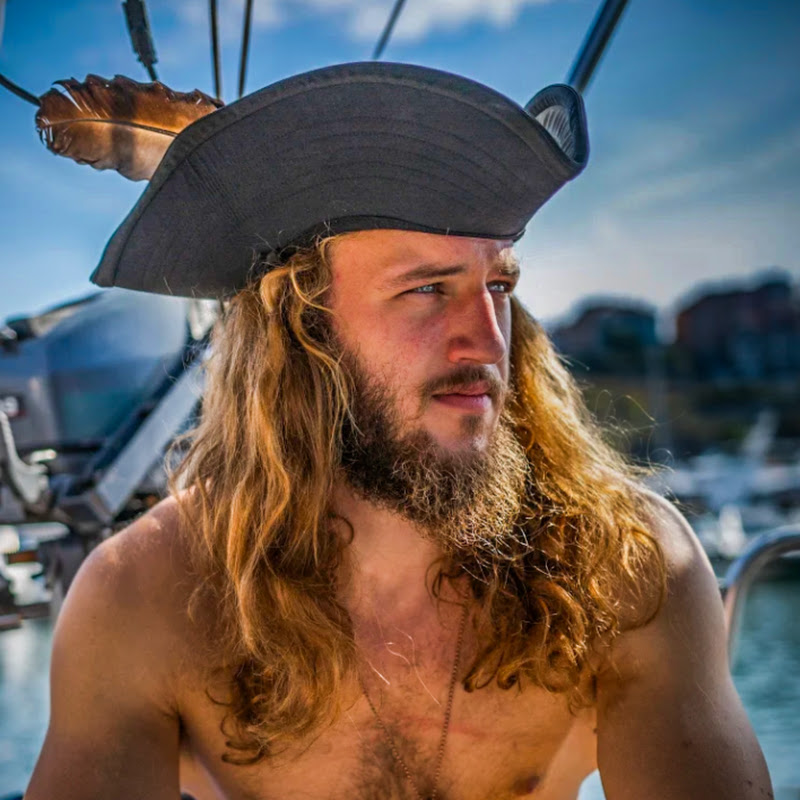
Dylan Magaster
Dylan Magaster, creator of FLORB, documented his transition from vanlife to his 1979 Morgan 382 'Arianrhod'. Follow his 2026 solo mission exploring the Greek Islands.
Channel Information:
Social Media Links:
Cleaning my flooded boat Location
- St. Marys Boat Services, St. Marys, Georgia (30.7446,-81.5246)
Latest Episodes from Dylan Magaster
Explore the most recent voyages. Subscribe to the channel to never miss an update!
Can I save my engine that was totally underwater?!
Working on the hard at a boatyard, Dylan Magaster tackles the salvage of his flooded Beta Marine 38 diesel engine, removing fuel injectors to purge trapped rainwater.
Cleaning my flooded boat
Dylan Magaster continues emergency salvage operations aboard his flooded Morgan 382, stripping moldy cushions, bleaching the cabin, and prepping the diesel.
First time going inside my flooded boat!
Dylan Magaster enters the flooded cabin of his 1979 Morgan 382, SV Arianrhod, in a Georgia boat yard, washing away oily sludge and assessing the submerged diesel engine.
My Boat Flooded. Day 2.
Dylan Magaster returns for Day 2 of flooded boat recovery aboard S/V Arianrhod in a Georgia boatyard, assessing hull oil canning, 20 hours of siphon drainage, and rigging halyards to clear deck cargo.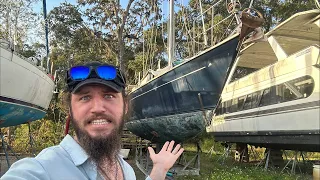
ITS FLOODED! FIRST LOOK! Returning to my boat…
Returning to S/V Arianrhod in a Georgia boatyard, Dylan Magaster discovers standing water three to four feet deep inside the cabin, rigging an emergency shop vac siphon to drain the vessel overnight.