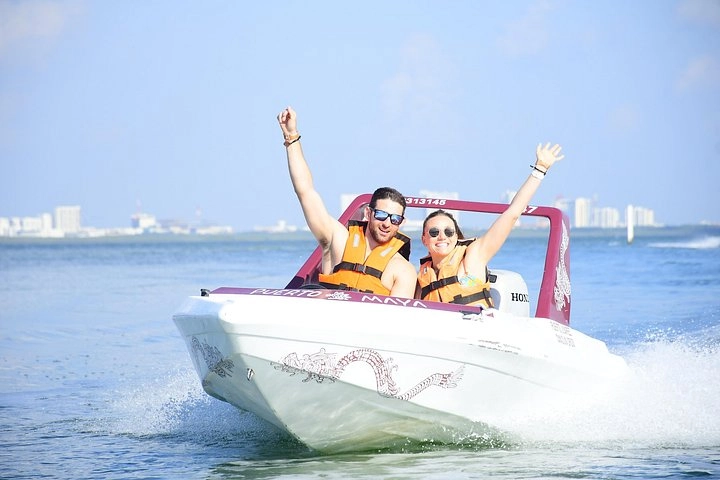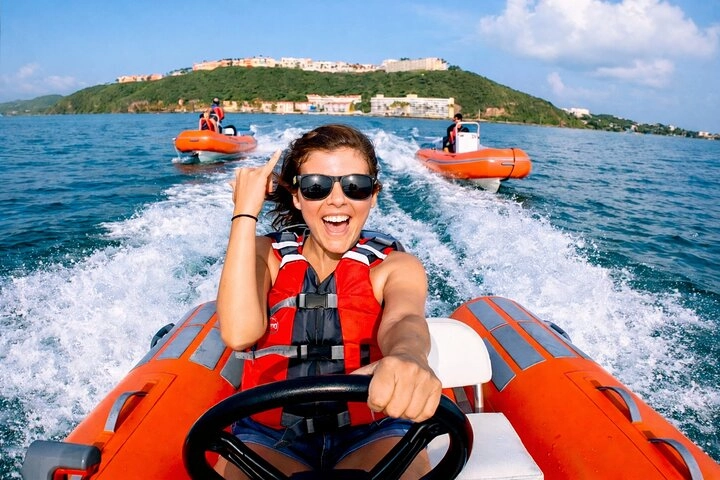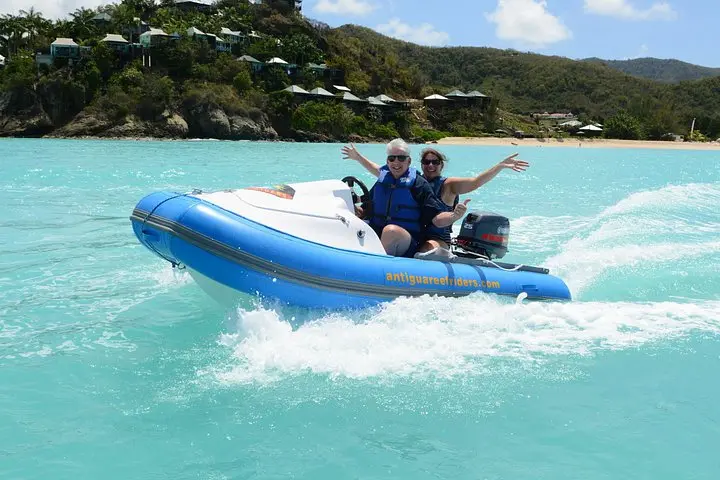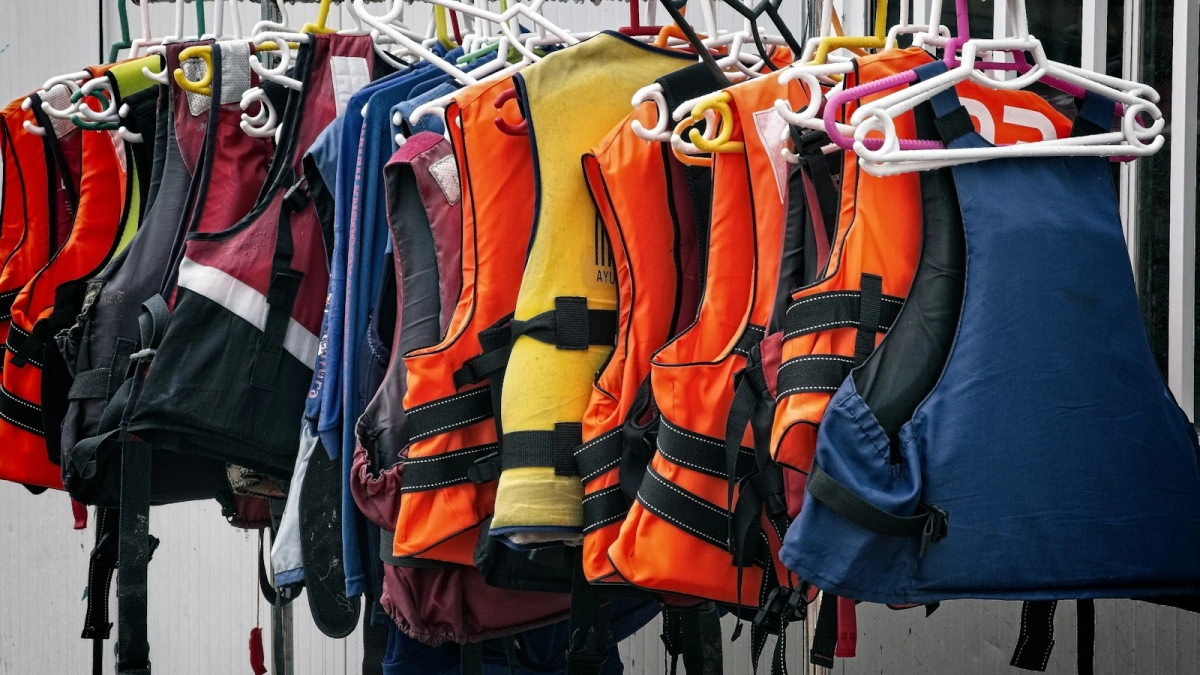
If you are new to boating, start with this: wear a properly fitted life jacket for every person, check the weather and local notices to mariners before you cast off, carry a working VHF radio and basic safety gear, file a float plan with someone on shore, and learn the right-of-way rules. These are the core boating safety tips for beginners that prevent the majority of incidents. Add a pre-departure checklist, practice man-overboard drills, and keep speeds appropriate for conditions. If in doubt, slow down, communicate clearly, and never mix alcohol with operating a boat. For regional charter advice and local safety rules, check out our adjacent Gulf Islands yacht charter guide for navigation strategies, or read our British Columbia yacht charter guide to plan your next coastal journey.
Key Takeaways
- Life Jacket Discipline: Properly sized, approved life jackets (PFDs) must be available for every person on board; children under 13 must wear them underway in federal waters.
- VHF Communication: Maintain active watch on VHF Channel 16 for hailing, weather warnings, and distress calls; never rely solely on mobile phones offshore.
- Float Plan Protocol: Always leave a detailed itinerary (crew list, route, and expected return time) with a responsible contact on land before leaving.
⚓ Boating Safety Vitals
| Metric Class | Requirement / Specification | Target Audience | Cost Range (USD) |
|---|---|---|---|
| Life Jackets (PFDs) | USCG approved Type I, II, III or V; sized per person | Every crew member | $40 – $180 per PFD |
| VHF Radio | Handheld or fixed mount; waterproof & floating | Vessel Operator | $120 – $300 |
| Licensing / PCOC | State Boating Card or Pleasure Craft Operator Card | Vessel Operator | $30 – $50 |
| Emergency Visuals | Flares or approved electronic SOS lights | All vessels | $35 – $120 |
Boating Safety Basics I Teach Every New Crew
I have skippered coastal charters for years, and the fundamentals haven’t changed. The boat, weather, and crew readiness decide your day. Gear is your margin for error. Expect the wind to rise by early afternoon on most coasts and lull near dusk. Keep your plans flexible, and always maintain a safe reserve of fuel, daylight, and energy. Your senses matter: you will learn to hear the creak of the halyard against the mast when a light breeze fills in, smell the salt mixed with engine exhaust on startup, and taste a bit of spray when the chop steepens against a contrary tide.
1. Know Your Local Rules and Signals
Study the international navigation rules (COLREGs) and local navigation aids. In North America, the rule is “Red, Right, Returning,” meaning red channel buoys should be on your starboard (right) side when entering a harbor from the sea. Keep clear of marked swimming zones and diving activities. Always monitor VHF Channel 16 for marine safety broadcasts and emergency traffic. If your fixed VHF radio supports Digital Selective Calling (DSC), ensure it is linked to your GPS and registered with a Maritime Mobile Service Identity (MMSI) number, enabling an automated distress call in a true emergency.
Essential Safety Gear: What You Actually Need
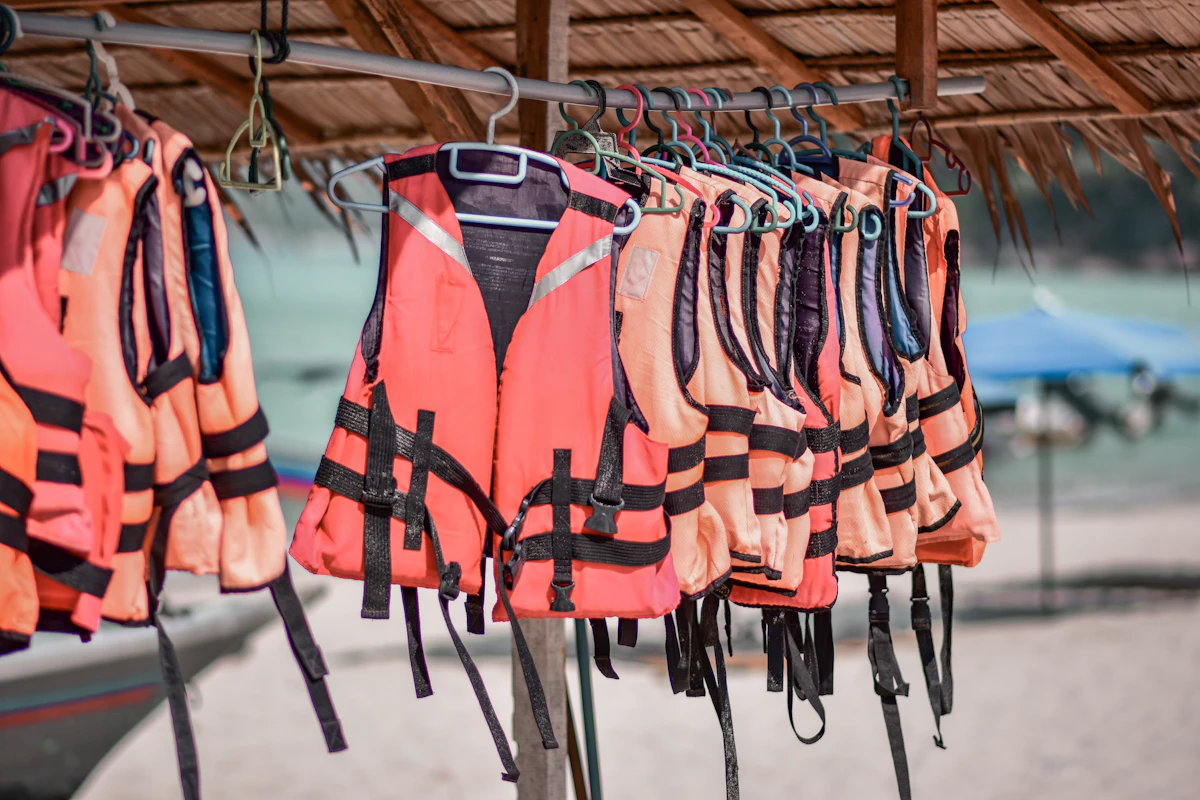
Do not skimp on safety equipment. It is far cheaper than a marine salvage tow, a coast guard ticket, or an on-water disaster. Here is the core gear required on every vessel:
- Personal Protective Equipment: Wearable PFDs for all on board, a throwable Type IV ring buoy or cushion, non-slip footwear, and sun protection.
- Communication & Navigation: VHF radio, a paper backup chart of your local waters, a compass, and a sound-signaling device (whistle or horn).
- Emergency & Damage Control: A marine first-aid kit containing seasickness medications, fire extinguishers (marine-rated, fully charged), visual distress signals (flares or electronic distress lights), and a manual bilge pump or bucket for bailing.
Optional but Smart Upgrades
Consider upgrading to a 406 MHz Emergency Position Indicating Radio Beacon (EPIRB) or a Personal Locator Beacon (PLB) for offshore runs. Automatic Identification System (AIS) transponders are also highly valuable for navigating high-traffic shipping channels, allowing you to see and be seen by commercial ships.
Pre-Departure Routine: The Checklist I Use
Run through this pre-departure checklist before every single voyage. It is the best way to prevent simple oversights from turning into emergencies:
- Weather & Tides: Check the NWS marine forecast and tide tables. Watch for wind-against-tide warnings.
- Float Plan: Email or text your route, boat description, crew list, and expected return time to a friend on shore.
- Fuel & Fluids: Verify the “one-third rule”—one-third out, one-third back, one-third in reserve. Check engine oil and coolant levels.
- Safety Briefing: Show your crew where PFDs, flares, and fire extinguishers are located. Explain the man-overboard recovery plan.
- Engine Check: Sniff the bilge for fuel fumes. Run the blower for at least 4 minutes on gasoline-powered boats before starting the engine.
On-Water Habits That Keep You Safe
Maintain a 360-degree lookout at all times, especially when navigating crowded harbor entrances and channels. Keep your speed appropriate for the visibility and sea state; “slow is pro” when operating near docks, anchorage fields, and swim zones. Watch your depth sounder closely: shoals and bars shift constantly, and a falling tide can trap you on a sandbar in minutes. Finally, stay hydrated and eat snacks to combat fatigue, which slows reaction times on the water.
Anchoring Without Stress
Choose a sandy bottom to drop anchor, avoiding live coral reefs and protected seagrass beds. Anchoring in seagrass is illegal in many regions (like the Florida Keys) due to prop scarring and habitat damage. Lay out a scope of 5:1 to 7:1 (five to seven feet of anchor rode for every one foot of water depth plus bow height). Back down slowly on the anchor with your engine to ensure the fluke bites and holds.
Licenses, Local Rules, and Insurance
Boating education requirements vary widely. In the US, most states require operators born after a certain date to carry a Boating Safety Education ID Card. In Canada, you must possess a Pleasure Craft Operator Card (PCOC). When renting or chartering, choose reputable operators who provide safety orientations, current safety equipment, and well-maintained hulls. Verify that your marine insurance covers the specific waters you plan to transit, including emergency towing coverage (such as SeaTow or BoatUS).
Disclaimer: Boating conditions, weather, and regulations change rapidly. Always cross-check with local authorities, official weather services, and paper charts before embarking.
Emergency Handling: Emergency Marine Procedures
If an emergency occurs on the water, remain calm and follow these clear, stepwise procedures:
- Man Overboard (MOB): Shout “Man Overboard!”, throw a Type IV throwable cushion immediately, keep eyes locked on the victim, and hit the MOB key on your GPS plotter. Circle back slowly from downwind, shifting the engine to neutral before bringing the person over the side.
- Onboard Fire: Cut the fuel supply immediately. Aim the fire extinguisher at the base of the flames. If a fire starts in a sealed engine compartment, do not open the engine cover, as this introduces oxygen and accelerates the fire. Trigger the automatic fire port if available.
- Grounding: Check the bilge immediately for leaks. If the hull is secure, check the tide chart: a rising tide will float you off, whereas a falling tide requires securing the boat and waiting. Do not force the engine in reverse, as this sucks sand into the cooling intake.
Boating Safety Quick Facts
| Metric | Specification & Averages |
|---|---|
| Best Season to Learn | May to September (Temperate regions) |
| Required safety gear | Lifejacket per person, throwable, whistle, flares, fire extinguisher |
| Average Gear Setup Cost | $150 to $800 USD |
| VHF Radio Watch Channel | Channel 16 (156.8 MHz) |
| Maximum Wind for Beginners | 10 knots (Beaufort Force 3) |
Mini Glossary
Draft: The vertical distance between the waterline and the deepest point of the vessel’s hull; determines minimum safe cruising depth.
Freeboard: The height of the deck above the waterline; higher freeboard keeps wave spray out but increases windage during docking.
DSC (Digital Selective Calling): A VHF radio feature that sends an automated distress signal with your GPS coordinates when registered with an MMSI number.
WeBoating.com is a marketplace connecting travelers with independent, third-party operators. WeBoating does not operate, manage, or own any charters or experiences.
Frequently Asked Questions About Boating Safety
At minimum: a properly sized life jacket (PFD) for each person, a throwable flotation device, a sound-producing device (horn/whistle), visual distress signals (flares), a marine fire extinguisher, navigation lights for night, and a VHF radio.
It depends on your location. Many U.S. states require a Boating Safety Education ID Card; Canada requires the Pleasure Craft Operator Card (PCOC); and parts of Europe/UK expect RYA Powerboat Level 2 or an ICC.
Expect to spend between $150 and $800 depending on your boat size and quality of gear. This covers Type III PFDs, a throwable cushion, a floating handheld VHF radio, flares, a fire extinguisher, and a marine first-aid kit.
Stay within 30 to 45 minutes of your home port or launch ramp in protected waters. Increase your cruising range only as you gain confidence, practice anchoring, and master docking.
Use Channel 16 for all distress, safety, and calling communications. If your radio has Digital Selective Calling (DSC), press the red distress button to automatically transmit your GPS location and MMSI.
Mooring balls typically cost $20 to $60 per night. Marina slips range from $2 to $6 per foot per night, depending on the season, destination, and whether shore power and water are included.
Early mornings from sunrise to 11:00 AM are the absolute best times. The water is usually glassy, wind speeds are low, and boat ramps and channels are uncrowded.
Yes, absolutely. Booking a professional captain for your first trip allows you to observe close-quarters maneuvering, docking, anchoring, and safety briefings firsthand without the stress of operating.
A float plan is a written document detailing your boat description, crew list, route, and expected return time. You leave it with a contact on shore who will notify emergency services if you do not return on time.
Shout “Man Overboard!”, throw a Type IV throwable cushion immediately, keep eyes locked on the victim, and hit the MOB key on your GPS plotter. Circle back slowly from downwind, shifting the engine to neutral before bringing the person over the side.
Always budget your fuel as follows: use one-third of your fuel tank to go out, one-third to return to port, and keep one-third in reserve for emergencies, head currents, or weather delays.
You can rent a beginner-friendly boat or book skippered tours on WeBoating.com to compare vessels equipped with mandatory safety gear or hire a local captain for hands-on instruction.
Start small, prepare thoroughly, and always treat the water with respect. The confidence you build by following these boating safety tips for beginners—from properly fitting PFDs to reading the afternoon wind line—turns each trip into steady, rewarding progress, laying the foundation for a lifetime of safe and capable days afloat. We will see you on the water.