After 5,000 Miles, This Is The End of Our Sailing Life... For Now
In the harbor waters off Termini Imerese along the northern coast of Sicily, Andrew and Ruth aboard their Excess 11 catamaran, Rúna, begin the systematic decommissioning of their vessel for winter storage. After two years and 5,000 nautical miles voyaging across France, Spain, Tunisia, and Italy, the crew of The Runa Life are preparing to haul the catamaran out of the water while listing her on the brokerage market for new owners.
With calm conditions across the anchorage and a forecast calling for winds of 20 to 30 knots later in the day, the pair prioritize striking their sail wardrobe, clearing salt crystals from running rigging, and organizing lockers before shifting to a marina berth.
Freshwater Sail Washdown and Locker Audits
Decommissioning begins on the foredeck with the Code 0. Andrew and Ruth unroll the lightweight headsail on a windless morning, wiping it down with fresh water and sponges to dissolve dried salt crystals that could trap moisture and breed mildew during months in storage. Once dry, the Code 0 is rolled tightly, dropped from the bowsprit, and packed away in its dedicated sail bag.
The mainsail requires a coordinated effort. Ruth mans the helm station to hoist the sail using the electric winch, while Andrew climbs onto the coach roof with a sponge and bucket to wash each panel as it rises along the mast track. Ruth jokes about the division of labor: “Now, some would argue that hoisting the main sail is the hard job, so that’s the job I’ve taken.” Andrew counters that the push-button electric winch makes her task considerably lighter than scrubbing the sail under the morning sun.
While the sails hang in the air to dry, the crew turns to deck chores. Andrew tackles stubborn deck stains using a toothbrush to lift grime from non-skid surfaces. Meanwhile, Ruth climbs inside the forward compartment to clean mud, accumulated silt, and dried salt: “I’m cleaning the anchor locker.” She washes each fender before returning it to the locker. To prepare the catamaran for incoming prospective buyers, the crew unloads paddleboards and deck gear to compile an exhaustive equipment inventory, cataloging every spare shackle, block, and line aboard. Progress pauses when neighbors from the nearby anchored vessel Pepperoni invite them over for evening drinks.
Mousing Reef Lines and Lowering the Mainsail
The following morning begins at 8:30 as the sun warms the anchorage. After dropping, rinsing, and re-hoisting the overlapping genoa to dry, Andrew prepares the mainsail for removal. Stripping the mainsail requires detaching the lazy bag, removing internal battens, and pulling the fabric forward toward the mast.
To avoid leaving running rigging exposed to winter sun and weather inside the boom, Andrew mouses out the two reefing lines. Using needle and thread to secure thin pilot cords to the spectra lines, he notes: “I actually think this is the first time in my adult life I’ve used a needle and thread.” Working in tandem, Ruth guides each mousing line into the forward boom opening while Andrew draws the messenger cord out through the aft sheaves. Both reef one and reef two lines pull through without snagging.
With an afternoon forecast predicting gusts of 20 to 30 knots, lowering the mainsail is time-sensitive. Andrew and Ruth swing the boom outward for clearance, detaching the sail from the boom at the tack and clew. As the halyard eases, they pull the battens and unclip each mast car—some secured with bungees, others with metal pins. Flaking the heavy sail on the coach roof demands careful folding to compress it into its storage bag. Andrew declares relief: “All right. So, main sail, I am very proud to say, is in the bag.” The packed mainsail is carried below and stowed in the aft cabin.
The crew quickly drops the overlapping genoa down its furling foil, folds it across the foredeck, and bags it. With the boom stripped of its mainsail and running rigging, Andrew loops winter lines through the boom blocks to secure the spar firmly between port and starboard, preventing dangerous swinging in winter gales. All removed halyards and sheets are submerged in tubs of fresh water to soak out salt crystals and restore fiber flexibility.
Marina Docking and Watermaker Chemical Pickling
With conditions remaining flat, Andrew and Ruth seize the opportunity to move from the open anchorage into a protected marina slip in Termini Imerese. The decision proves prudent: by the time lines are secured to the pontoon, winds increase to 20 knots across the harbor.
Tied securely to the dock, Ruth undertakes winterizing the onboard reverse-osmosis watermaker, a system installed earlier in the year. The process requires chemical pickling with a solution of equal parts propylene glycol and dechlorinated water to prevent biological growth and protect internal membranes from freezing. Ruth flushes the system with fresh water for 5 minutes, disconnects the seawater intake and brine discharge hoses, and places both pipes into a bucket of glycol solution to create a closed recirculation loop.
Moments after starting the pump, pressure builds unexpectedly: “Well, that didn’t go to plan.” The over-loosened pressure relief valve blows out, spraying fluid across the engine compartment. Andrew and Ruth spend 15 minutes and 30 minutes respectively scouring the bilges before pausing for a pre-booked dinner ashore in Palermo. The following morning, Ruth resumes the search with a flashlight and spots the brass fitting: “Bang! I found it.” With the relief valve reinstalled, the closed-loop pump runs for 15 minutes to pickle the membrane successfully.
Passerelle Setup, Life Raft Stowage, and Rigging Inspection
Connecting the catamaran to the high concrete marina quay requires safe boarding access. Ruth inflates a high-pressure drop-stitch gangplank from Spinera, securing it between the transom sugar scoop and the dock to bridge the gap. For two seasons cruising Mediterranean anchorages, the crew had avoided carrying a rigid gangplank due to deck clutter, making the compact inflatable design an effective solution.
Inclement rain sets in, but shelter under the aft cockpit solar array allows work to continue. Andrew and Ruth unbolt the offshore canister life raft from its transom cradle and carry it into an interior cabin for dry winter storage, marking two full seasons the emergency raft remained safely unused. Andrew cleans and protects exposed deck stainless steel fittings with Autosol paste while Ruth boils the kettle for tea.
When the rain pauses, Andrew dons a climbing harness and bosun’s chair. Clipped to the main halyard with a secondary safety line, Ruth winches him aloft on the electric winch. Andrew inspects the masthead fittings, wipes down the aluminum spreaders, and replaces a worn bungee cord that supports the genoa sheets.
Hoisting the Tender and Outboard Onboard
Stowing the tender requires heavy mechanical hoisting. With the inflatable dinghy weighing 50 kg and the outboard motor weighing another 50 kg, the components cannot be lifted by hand over the lifelines. Andrew maneuvers the dinghy alongside the hull while Ruth rigs a halyard to the outboard lifting harness.
Working methodically in gusty conditions, Andrew cautions: “The last thing you want is a 50 kg outboard swinging into the side of your hull.” Ruth steadies the motor from inside the dinghy while Andrew winches the engine upward, transferring it safely onto a transom rail bracket. Switching back to the halyard, they hoist the 50 kg tender out of the water and lower it onto the foredeck. Andrew removes the aluminum floorboards, hoses off marine grime and sand, dries the hypalon tubes, and deflates the hull to pack it inside a deck locker before fogging and winterizing the outboard carburetor.
Decommissioning Summary
| System | Procedure | Key Metric |
|---|---|---|
| Code 0 and Mainsail | Freshwater sponge wash and mast track car removal | 2 reefs moused through boom |
| Watermaker System | Closed loop flush with propylene glycol solution | 15 minutes circulation cycle |
| Tender and Outboard | Halyard hoist to deck, floor wash, and engine service | 50 kg engine and 50 kg dinghy |
Departure and Transition to a Crew of Three
With Rúna fully decommissioned and listed for sale, Andrew packs his personal luggage to catch an airport transfer departing in 10 minutes. Surveying the spotless saloon, Ruth remarks: “He’s just left me to clean the entire boat.” The departure brings an end to their 5,000-nautical-mile journey across France, Spain, Tunisia, and Italy aboard the Excess 11. As Ruth finishes the final cabin wipe-down, the couple prepare to search for their next cruising boat, adapting their offshore life for a crew of three with a baby arriving next year.
Frequently Asked Questions
The crew hauled Rúna out for winter storage in Sicily and put the Excess 11 catamaran up for sale after completing 5,000 nautical miles across France, Spain, Tunisia, and Italy.
Andrew and Ruth washed the Code 0, mainsail, and genoa with fresh water to remove salt crystals that cause mold and mildew, dried them completely, and flaked them into storage bags.
Ruth prepared an equal-parts mixture of propylene glycol and dechlorinated water, running it through the system in a closed loop for 15 minutes to prevent biological growth and freezing.
Because the tender and outboard engine each weigh 50 kg, the crew used halyards and winches to hoist each piece individually over the lifelines and onto the deck.
The couple plan to search for their next cruising boat and adapt their sailing lifestyle to welcome a baby, continuing their voyages as a crew of three.
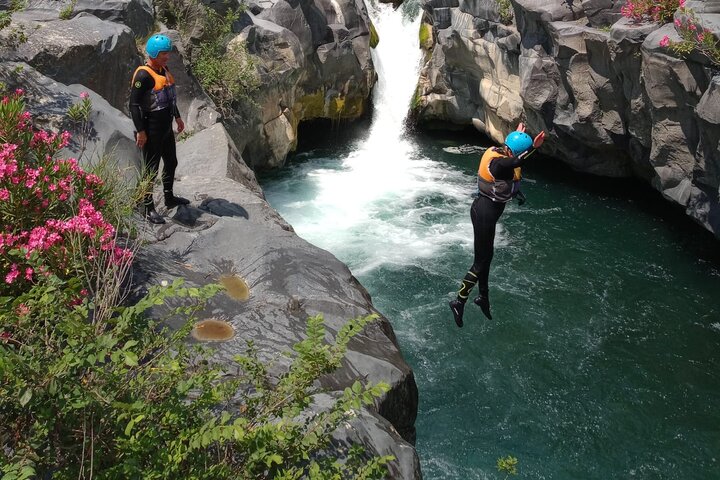
Book a trip where this was filmed — near Sicily



Support The Runa Life
At WeBoating.com, we profoundly acknowledge the unwavering dedication that The Runa Life invests in crafting each and every video or voyage. Their passion for delivering exceptional ocean content shines through every frame, and it's a labor of love that deserves your attention.
We invite you to watch their captivating videos here and actively engage with their content, including their social media links above. Liking, commenting, and sharing their work goes a long way in fueling their creative fire.
We're also inviting you to explore the gear, sponsorships, and boat partnerships highlighted in the "After 5,000 Miles, This Is The End of Our Sailing Life... For Now" video description, or directly on YouTube. By engaging with these offerings or purchasing services and items, you directly support The Runa Life, their collaborators, and the brands they're associated with.
To ensure you never miss an offshore update, consider visiting their official YouTube Channel to subscribe, like, and join their community directly.
If you have any feedback, corrections, or additional information about The Runa Life or their videos, please use the comment form below to share your thoughts with us.
Thank you for being a part of our community and supporting the creators we cherish. Your time and support truly matter!
After 5,000 miles sailing across France, Spain, Tunisia and Italy, it’s time to put Rúna to bed for the winter. And it’s our final video aboard her as she goes up for sale!
In this episode, we take you through how we winterise and decommission our Excess 11 sailing catamaran for winter storage. We take down all the sails (mainsail, genoa and Code 0), remove the lazy bag and lazy jacks, wash the sails and lines in fresh water, climb the mast in a bosun’s chair, and lift the outboard and tender onboard for storage.
But this isn’t the end of the adventure! Next year we’re heading back out to sea as a crew of three 👶 Subscribe to follow along as we search for our next boat and plan sailing life with a baby 🔔
*Some other videos you might like:*
Our Morning Routine On Our Boat: https://youtu.be/H_nj91hJSMk
The Hidden Costs When You Buy A Boat: https://youtu.be/Nbg1JAjwbRs
Inside 48 Hours Of Boat Life: https://youtu.be/wVU_DjloFlk
Thanks to @SPINERA for our inflatable gangplank!
____________________________________________________________
*Wanna collab with us?*
🖥️ Collab enquiries: [email protected]
Our catamaran is for sale: https://www.boat24.com/739171
*Find daily content on our socials:*
📸 Instagram: http://instagram.com/lifestylegibbon
📸 Instagram: https://instagram.com/therunalife
🎥 TikTok: https://www.tiktok.com/@therunalife
_________________________________________________________
In this video:
00:00 Intro
00:39 Cleaning the deck and lockers
04:06 Taking down the Code 0
04:38 Removing the lazy bag and lazy jacks
05:56 Mousing reefing lines
08:21 Taking our sails off
12:06 Pickling our water maker
17:01 Removing our life raft
20:29 Lifting the outboard and tender onboard
22:39 Goodbye Rúna, what’s next
#sailing #catamaran #winterising #sailinglife #liveaboard #sailboatmaintenance #sailingcouple #sailingwithbaby #TheRunaLife

The Runa Life
Andrew and Ruth Gibbon traded corporate Edinburgh for an Excess 11. Follow their 2026 Mediterranean circuit aboard Rúna in this technical feature.
Channel Information:
Social Media Links:
After 5,000 Miles, This Is The End of Our Sailing Life... For Now Location
- Porto di Termini Imerese, Sicily, Italy (37.9846,13.709)
- Palermo, Sicily, Italy (38.1112,13.3524)
Latest Episodes from The Runa Life
Explore the most recent voyages. Subscribe to the channel to never miss an update!

After 5,000 Miles, This Is The End of Our Sailing Life… For Now
In Termini Imerese, Sicily, Andrew and Ruth decommission their Excess 11 catamaran Rúna for winter storage, mousing reef lines, packing sails, pickling the watermaker, and hoisting the dinghy before listing the vessel for sale.
Our Final Sail: Saying Goodbye To Our Catamaran
Ruth and Andrew sail SV Rúna from the Aeolian Islands to Cefalù and Termini Imerese, catching fish underway and riding out 48-knot anchor gales while preparing their catamaran for sale.

New video out now! We’re sailing the Aeolians and we had to stop to see this Volcano erupt 🌋🌋
Andrew and Ruth Gibbon sail their Excess 11 catamaran Rúna to the volcanic island of Stromboli in the Aeolian Islands, anchoring in black sand and trekking to erupting craters.