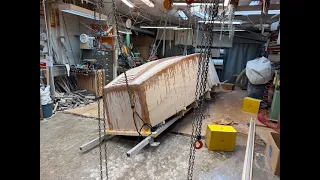
21 July 2024 Sequring batteries
IR Wind Battery Box Construction: A Step-by-Step Guide
Sven Yrvind, the visionary behind the IR wind electric vessel, shares valuable insights into constructing a robust battery box. This essential component ensures the longevity and performance of his eco-friendly boat.
In this episode of [Sven Yrvind], Sven demonstrates how to build a durable battery box using three layers of 9mm material. The process is both fascinating and informative, offering sailing enthusiasts and IR wind technology followers an inside look at the craftsmanship behind this innovative vessel.
Materials and Preparation
The key material used in constructing the battery box is three layers of 9mm thick material, which provides a strong foundation for the enclosure. Sven begins by preparing the components, carefully selecting each piece to ensure optimal fit and performance.
Assembling the Battery Box
The first step in assembly involves gluing the three pieces of 9mm material together. This process requires precision and attention to detail, as a secure joint is crucial for maintaining the integrity of the battery box.
Sven emphasizes the importance of creating a strong bond between the layers, which is evident when glue begins to squeeze out from the joints. The resulting structure weighs 5.14 kilos, equivalent to carrying the weight of an adult male.
Testing the Battery Box
The battery box is subjected to rigorous testing to ensure its ability to withstand the elements and securely hold batteries. In this episode, Sven plans to position the batteries within the box, offering a real-world demonstration of its capabilities.
The success of the battery box construction is evident in its sturdy design and weight, proving its worth as an essential component for the IR wind electric vessel. By following Sven’s step-by-step process, viewers gain valuable insight into the craftsmanship and attention to detail required for building this critical part of the boat.
Embrace the Challenge
Constructing a battery box for an eco-friendly vessel may seem daunting; however, with careful attention to materials, assembly techniques, and testing procedures, anyone can achieve exceptional results. The process demonstrated by Sven Yrvind inspires confidence in those who are eager to embark on similar projects.
Support Sven Yrvind
At WeBoating.com, we profoundly acknowledge the unwavering dedication that Sven Yrvind invests in crafting each and every video or voyage. Their passion for delivering exceptional ocean content shines through every frame, and it's a labor of love that deserves your attention.
We invite you to watch their captivating videos here and actively engage with their content, including their social media links above. Liking, commenting, and sharing their work goes a long way in fueling their creative fire.
We're also inviting you to explore the gear, sponsorships, and boat partnerships highlighted in the "21 July 2024 Sequring batteries" video description, or directly on YouTube. By engaging with these offerings or purchasing services and items, you directly support Sven Yrvind, their collaborators, and the brands they're associated with.
To ensure you never miss an offshore update, consider visiting their official YouTube Channel to subscribe, like, and join their community directly.
If you have any feedback, corrections, or additional information about Sven Yrvind or their videos, please use the comment form below to share your thoughts with us.
Thank you for being a part of our community and supporting the creators we cherish. Your time and support truly matter!
This Youtube channel is about me Sven Yrvind an 85 year and two months old dyslectic solo sailor building OCEANIC PHILOSOPHER a 5.7 meter long, 1.2 meter beam four masted lugger 6 square meter sail area, twin keeled, ocean going, high latitude cruiser. Often the 22 every month I do a resume of the project.
If you’re interested in contributing to my experiments links are below.
https://www.paypal.com/donate/?hosted_button_id=53X8NVEA22MBL
Swish 0706200550
Also subscribe
For more see Yrvind.com
Sven Yrvind
At 86, Sven Yrvind is still pushing the limits of small-boat design. Discover the philosophy and technical grit behind his 'Exlex' series.
Channel Information:
Social Media Links:
Latest Episodes from Sven Yrvind
Explore the most recent voyages. Subscribe to the channel to never miss an update!
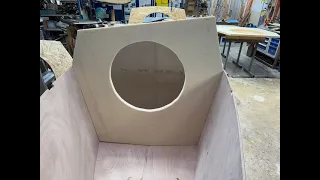
Cutting the Divinycell Bulkheads.
This Youtube channel is about me Sven Yrvind. I am 87 and a half years old dyslectic solo sailor. I am building a plywood test boat for a Divinycell and NM-epoxy high-latitude cruiser. She will be about 4.5 meter or 14 feet and 9 inches long, the beam 1.36 meter, 4 feet 6 inches. She is a two mas...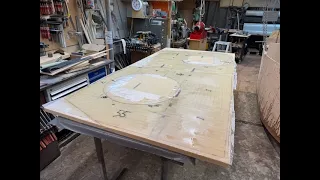
Laminating the Two Bulkheads.
This Youtube channel is about me Sven Yrvind. I am 87 and a half years old dyslectic solo sailor. I am building a plywood test boat for a Divinycell and NM-epoxy high-latitude cruiser. She will be about 4.5 meter or 14 feet and 9 inches long, the beam 1.36 meter, 4 feet 6 inches. She is a two mas...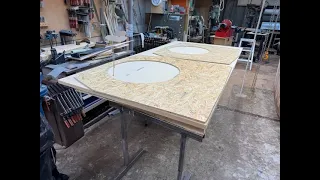
Starting the Two Divinycell Bulkheads.
This Youtube channel is about me Sven Yrvind. I am 87 and a half years old dyslectic solo sailor. I am building a plywood test boat for a Divinycell and NM-epoxy high-latitude cruiser. She will be about 4.5 meter or 15 feet and 9 inches long, the beam 1.36 meter, 4 feet 6 inches. She is a two mas...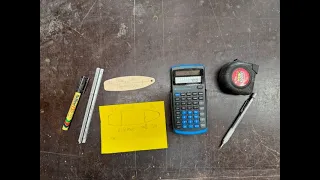
The Space Allocation for the Three Compartments Is Settled.
This Youtube channel is about me Sven Yrvind. I am 87 and a half years old dyslectic solo sailor. I am building a plywood test boat for a Divinycell and NM-epoxy high-latitude cruiser. She will be about 4.8 meter 15 and a half feet long. Her beam will be 1.3 meter. She is a two masted lugger with...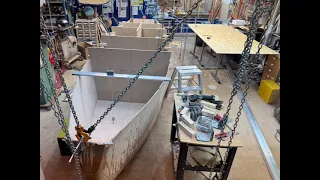
Finding the Best Bulkhead Positions.
In his workshop, Sven Yrvind adjusts bulkhead positions on his plywood test boat, reallocating internal bay spacing, marking the waterline, and calculating hull displacement.