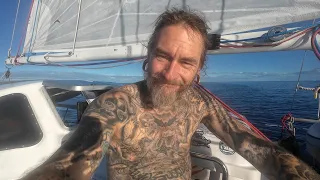
BONUS VIDEO: SMACO Small Scuba Set Up Review
James Frederick lies anchored at Nishimura Anchorage on the Big Island of Hawaii aboard Triteia, his 1965 Alberg 30, preparing to evaluate a compact diving apparatus. Voyaging on Sailing Triteia, James routinely turns down 99.9 percent of unsolicited gear review requests, but accepted a portable mini scuba kit from SMACO to address an essential cruising task: inspecting ground tackle and freeing snagged anchors without hauling heavy dive gear.
Anchoring along volcanic shores frequently presents rocky bottoms where rode can snag on ledges or boulders. Rather than rigging cumbersome dive gear or carrying an air compressor aboard a small sloop, James sought a streamlined setup allowing a solo sailor to dive quickly and resolve anchoring emergencies without complex preparations.
Unboxing the SMACO Cylinder and Regulators
Working in the cockpit of Triteia, James opens the hard case to inspect the hardware. The kit includes a booklet, wrench, spare O-rings, harness, and the pony tank itself, bearing a hydro stamp on the neck. The miniature cylinder is designed for rapid deployment when underwater line clearing or hull inspections become necessary.
Assembly begins by unthreading the protective cap from the primary stage regulator, ensuring the sealing O-ring sits cleanly. Threading the primary stage onto the tank requires care to avoid cross-threading. James then secures the second stage regulator and mouthpiece with the supplied wrench, checking that all fittings seat firmly before adding high-pressure air.
Refill Challenges and Dive Shop Logistics on Oahu
Acquiring breathing gas for the cylinder revealed unexpected logistical hurdles before reaching Nishimura Anchorage. While on Oahu, James took the empty tank to a dive shop for a fill. Technicians informed him that filling required a visual inspection, noting that its proprietary inlet resembled a paintball canister fitting rather than standard scuba hardware.
Because island shops lacked an adapter for the unusual fitting, commercial fills proved impossible without custom parts. The dive technician also noted the expense of paying 8 dollars for every refill, suggesting instead that James transfill the pony bottle directly from full-sized scuba cylinders using leftover air rather than paying shop fees.
High-Pressure Transfilling and Adapter Troubleshooting
Adopting that recommendation required a transfill adapter bridging standard scuba valves to the miniature pneumatic fitting. SMACO dispatched an adapter, but when James connected it aboard Triteia, the fitting failed to deliver air. Fortunately, James had already purchased an aftermarket transfill adapter on Amazon as an operational backup.
Following instructions, James connects the backup adapter between his large scuba tank and the pony bottle using the pneumatic fitting. Opening the main valve allows air to equalize into the smaller vessel over 20 to 30 seconds. Watching the gauge rise smoothly, he secures the valve once the dial settles at 3,000 pounds of pressure.
Harness Rigging and Diver Safety Protocols
Once charged, the cylinder slides into a backpack harness fitted with velcro straps and a chest buckle. The harness incorporates a shoulder sleeve to hold the pressure gauge in place, keeping hoses tidy. With the regulators breathing cleanly on deck, the apparatus provides a compact footprint compared to conventional dive gear.
Despite the mechanical simplicity of the assembled hardware, James pauses on deck to highlight the vital importance of formal diving credentials. Having logged extensive underwater hours during his voyaging career, he insists that compact pony bottles must never tempt untrained cruisers into taking uncalculated risks beneath the surface:
“I have an advanced certification with PADI and I think anyone who is diving should go through the training and get certified because it’s very easy to die underwater.”
Ground Tackle Inspections and Underwater Testing
For long-distance mariners voyaging through remote archipelagos, the primary value of a portable mini scuba setup centers squarely on preserving ground tackle. When anchoring across uncertain seabed topography, having dependable underwater access transforms an emergency into a manageable maintenance procedure, as James explains:
“One of the main reasons I wanted one of these little pony bottles is it’s the perfect tool for diving on your anchor.”
If an anchor becomes pinned beneath rocks or chain wraps around boulders, diving immediately can save ground tackle without buoying chain or cutting expensive rode. Joined by Kimberly Wood, who assists with filming the evaluation, James prepares to test the system in the clear waters of Nishimura Anchorage while checking Triteia anchor placement.
Kimberly also slips into the harness and dives with the cylinder to evaluate its swimming balance and breathing resistance beneath the surface. While both sailors praise the rig for its featherweight handling on deck and effortless recovery, their underwater testing quickly highlights the necessity of auxiliary ballast:
“The only thing I think you really want is a weight belt. We kind of had to struggle to get down which I mean that you use a weight belt for free diving anyway.”
Equipped with a simple lead weight belt, the compact pony bottle proves to be an effective, dependable tool for inspecting ground tackle, freeing snagged anchors, and scrubbing underwater running gear without the burden or maintenance overhead of full-sized scuba gear.
Frequently Asked Questions
Commercial dive shops on Oahu required a visual inspection before filling the cylinder, but local shops lacked the paintball-style adapter needed to connect their filling whips to the bottle.
James transfills the pony bottle directly from standard scuba tanks using a backup adapter purchased on Amazon, equalizing air pressure over 20 to 30 seconds up to 3,000 pounds of pressure.
A compact pony bottle enables a solo sailor to quickly dive and free anchors fouled on rock or coral, avoiding the costly alternative of cutting rode or rigging heavy onboard dive compressors.
A diver weight belt is necessary because the buoyant pony cylinder and harness make descending difficult without supplementary ballast, just as when free diving.
Book a trip where this was filmed — near Big Island of Hawaii
Support Sailing Triteia
At WeBoating.com, we profoundly acknowledge the unwavering dedication that Sailing Triteia invests in crafting each and every video or voyage. Their passion for delivering exceptional ocean content shines through every frame, and it's a labor of love that deserves your attention.
We invite you to watch their captivating videos here and actively engage with their content, including their social media links above. Liking, commenting, and sharing their work goes a long way in fueling their creative fire.
We're also inviting you to explore the gear, sponsorships, and boat partnerships highlighted in the "BONUS VIDEO: SMACO Small Scuba Set Up Review" video description, or directly on YouTube. By engaging with these offerings or purchasing services and items, you directly support Sailing Triteia, their collaborators, and the brands they're associated with.
To ensure you never miss an offshore update, consider visiting their official YouTube Channel to subscribe, like, and join their community directly.
If you have any feedback, corrections, or additional information about Sailing Triteia or their videos, please use the comment form below to share your thoughts with us.
Thank you for being a part of our community and supporting the creators we cherish. Your time and support truly matter!
Sailing Triteia
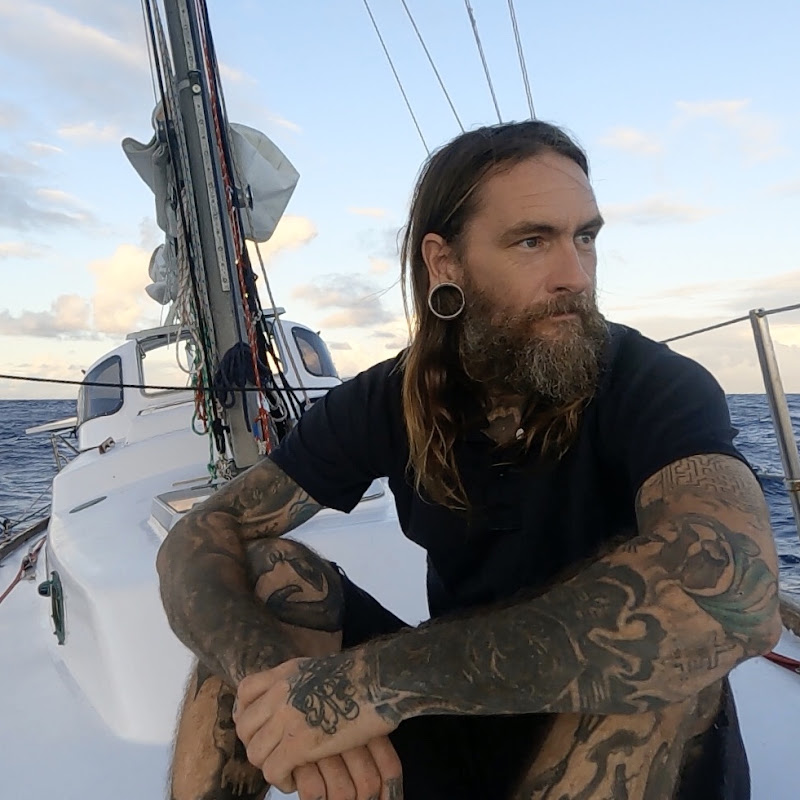
Meet Sailor James Frederick: A solo voyager redefining the Alberg 30 legacy with technical grit, from a rudderless Hawaii crossing to his current 2026 refit in Thailand.
Channel Information:
Social Media Links:
BONUS VIDEO: SMACO Small Scuba Set Up Review Location
- Nishimura Anchorage, Hawaii Island, Hawaii, USA (20.1888,-155.9034)
Latest Episodes from Sailing Triteia
Explore the most recent voyages. Subscribe to the channel to never miss an update!
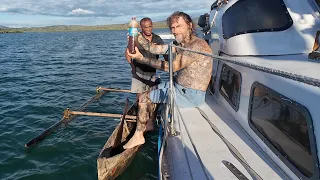
Leaving Nosy Be, Meeting New lemurs and Visiting Honey River in Madagascar
James Frederick sails the Alberg 30 from Nosy Be to Honey River, stopping at Nosy Antsoa to encounter rare lemurs and navigating the tricky sand banks of the Madagascar coast.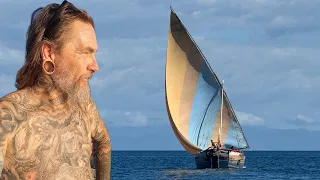
Sailing Dhows of Madagascar, Visiting a Remote Anchorage on Mainland and Amazing Snorkeling
James Frederick observes traditional wooden sailing dhows in Madagascar before navigating SV Triteia into a secluded mainland anchorage and snorkeling the marine reserve of Nosy Tanikely.
MEETING LEMURS in Madagascar!!!
One of my favorite things in the world is getting to see and meet wildlife! watch the complete episode of me meeting lemurs for the first time! If you enjoy the channel please "Like" the videos and Subscribe so you don't miss any future episodes. If you find the videos helpful or ...
Meeting the Famous Lemurs of Madagascar on Nosy Komba
After a 38-mile passage plagued by an erratic autopilot, James Frederick anchors SV Triteia off Nosy Komba and heads ashore to feed bananas to Madagascar's famous lemurs.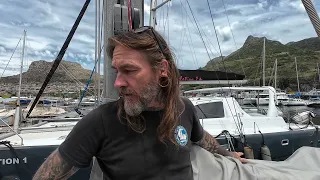
SAILOR JAMES IN CAPE TOWN – MEETUP NOVEMBER 7 2026 – HOUT BAY YACHT CLUB
I will be having a Meetup this coming Saturday at Hout Bay Yacht Club near Cape Town - Pop by and say hello! Hout Bay Yacht Club Hout Bay, Cape Town, South Africa 4-6pm - November 7th 2026 If you enjoy the channel please "Like" the videos and Subscribe so you don't miss any future ...