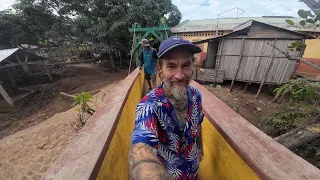
Sailing Dhows of Madagascar, Visiting a Remote Anchorage on Mainland and Amazing Snorkeling
In coastal waters off Madagascar, James Frederick guides his 61-year-old sloop, SV Triteia, amidst fleets of working sailing dhows and dugout outrigger canoes. Sharing his observations on Sailing Triteia, James examines how local mariners handle massive lateen and square rigs made of salvaged fabric, navigating heavily laden timber vessels through calm coastal channels.
Having captured close to 1,000 photos of the region’s indigenous working watercraft, James observes the practical seamanship required to propel heavy cargo hulls in faint zephyrs. Watching a large wooden dhow approach his anchorage, James remarks: “half of it’s like luck cuz they’ve already hit one boat in here, but that helmsman definitely like came up right as he got to Triteia, crept past her, and then fell off on the wind.”
Observing Traditional Sailing Dhows Off Madagascar
Traditional dhows and dugout canoes in Madagascar have served trade, fishing, and transit across the Indian Ocean and Red Sea since ancient centuries. Built by hand from timber with masts and yards fashioned directly from trimmed trees, these hulls carry large sails constructed from whatever cloth is accessible. The vessels operate daily along the coastline, hauling heavy cargoes of wood and sand under working conditions that require minimal air.
Watching a large wooden barge pass nearby in conditions registering barely two knots of breeze, James notes the contrast between modern production yachts and working local craft:
“These dudes are selling this giant barge loaded with wood. Very thin sail. Massive sail. Holes in it. The yards and the mast are just trees that they’ve trimmed down. Centuries old techniques still working.”
Navigating the Sounding Discrepancy into Mainland Madagascar
After weighing anchor at Crater Bay, James sets a course across the channel toward the Madagascar mainland to investigate a secluded cut he discovered on NoForeignLand. The anchorage, tucked behind a small island and leading into an inlet valley bordered by mangroves, had also received a favorable review from the cruising yacht Venture Lady, alongside navigation pins on Navionics and Zulu.
Approaching the narrow entrance at low water presents immediate chart discrepancies. While electronic charts from Navionics displayed sounding depths of 25 feet, the onboard depth sounder registered an alarming reading:
“I saw 7 ft on the depth sounder. Now we’re back in 28 ft, but I went further out than what Navionics was saying.”
Steering farther outside the charted line to clear the shoal, James navigates the remaining tight passage. Inside the inlet, an anchored cruising catamaran hauls up its ground tackle, washes the chain, and exchanges waves with James before departing, leaving SV Triteia alone in the secluded basin. Setting the hook in 11 feet of water, James prepares ground tackle for the incoming tidal swing.
Tidal Swings and Winter Mangrove Anchorage
Securing an Alberg 30 in the mainland mangrove inlet requires careful calculation for tidal amplitude. With the tide scheduled to rise 10 feet from low water, James lays out sufficient chain scope to accommodate high tide rather than the initial drop depth.
Local pilot information notes that crocodiles inhabit nests within the surrounding mangrove roots. However, during the winter season, the animals remain lethargic, resting ashore in the sun rather than hunting in the water. To ensure security, James hoists the dinghy up on halyards for the night. The sheltered basin remains completely undisturbed until daybreak:
“Shockingly still night last night as you would expect in this sort of anchorage. It was like being on the hard.”
Snorkeling Nosy Tanikely and the 1908 Clockwork Lighthouse
At the morning bottom of the tide, James lowers the dinghy back into the water on its towing bridle and gets underway under motor toward the marine reserve island of Nosy Tanikely. Timing the departure with the low tide ensures that the rising flood will assist SV Triteia during the subsequent transit toward Nosy Komba. Dropping anchor in 15 feet of transparent water over white sand, James completes an anchor watch and breakfast before taking to the water for a snorkeling session.
Going ashore on the reserve island, James follows paths through the coastal vegetation in search of chameleons, noting local skinks and unfamiliar bird species before climbing the summit trail to inspect the historic lighthouse station. Built in 1908, the structure houses painted panoramas identifying surrounding islands alongside a vintage rotating lantern:
“This is the old pulley for the clockwork. So these lighouses used to spin with a weight like an old clock and they would wind it every hour and it would bring the weight up in this channel”
Reflecting on his previous experience operating a working clockwork mechanism at North Ronaldsay Island in the Orkney Isles in 2014, James inspects the vertical drop channel before exploring the surrounding canopy. His solo search proves fruitful when he discovers an unexpected reptile in the branches:
“Success. I saw a chameleon by myself.”
Navigational Data and Field Observations
| Parameter or event | Recorded value |
|---|---|
| Wind speed during dhow passage | 2 knots |
| Charted depth on Navionics at cut | 25 feet |
| Sounder reading at mainland entrance | 7 feet |
| Offshore sounding recovery depth | 28 feet |
| Anchor set depth at mainland inlet | 11 feet |
| Tidal rise at mainland anchorage | 10 feet |
| Anchor set depth at Nosy Tanikely | 15 feet |
| Tanikely lighthouse construction year | 1908 |
| Clockwork system reference year | 2014 |
Frequently Asked Questions
Local crews use large sails sewn from salvaged cloth and trimmed tree spars, allowing heavy wooden hulls to sail past anchored boats in winds around two knots.
Navionics charts indicated 25 feet of depth, but the depth sounder dropped to 7 feet, prompting James to steer farther out into 28 feet before entering.
The tide rises 10 feet from low water, requiring ground tackle scope calculated for high water rather than the 11 feet recorded at anchor drop.
Pilot notes indicated crocodiles inhabit nests in the mangroves, but remain lethargic during the winter months, sunning themselves rather than hunting.
A weight-driven clockwork system wound every hour down a vertical channel originally rotated the lantern interruptors to produce the light flashes.
Support Sailing Triteia
At WeBoating.com, we profoundly acknowledge the unwavering dedication that Sailing Triteia invests in crafting each and every video or voyage. Their passion for delivering exceptional ocean content shines through every frame, and it's a labor of love that deserves your attention.
We invite you to watch their captivating videos here and actively engage with their content, including their social media links above. Liking, commenting, and sharing their work goes a long way in fueling their creative fire.
We're also inviting you to explore the gear, sponsorships, and boat partnerships highlighted in the "Sailing Dhows of Madagascar, Visiting a Remote Anchorage on Mainland and Amazing Snorkeling" video description, or directly on YouTube. By engaging with these offerings or purchasing services and items, you directly support Sailing Triteia, their collaborators, and the brands they're associated with.
To ensure you never miss an offshore update, consider visiting their official YouTube Channel to subscribe, like, and join their community directly.
If you have any feedback, corrections, or additional information about Sailing Triteia or their videos, please use the comment form below to share your thoughts with us.
Thank you for being a part of our community and supporting the creators we cherish. Your time and support truly matter!
Episode 508 : Traditional Boats of Madagascar and Remote Anchorages
Hello Friends,
On this episode I put together a highlight montage of some of the amazing Dhows I have seen in Madagascar, I am in awe of their beautiful and construction! We then haul up at Crater Bay and make our way over to a remote anchorage on the Mainland. The next morning we make our way to a national marine park and enjoy some amazing snorkeling!
If you enjoy the channel please "Like" the videos and Subscribe so you don't miss any future episodes.
If you find the videos helpful or entertaining and would like to contribute you can become a Patron at: https://www.patreon.com/sailorjames
Other Ways to Support the Channel:
PayPal: https://www.paypal.com/paypalme/jamesthesailorman
Venmo: https://venmo.com/u/sailorjames
Cash App: https://cash.app/$triteia
Bitcoin: https://cash.app/$triteia
Fair Winds,
James
Website:
http://svtriteia.com
https://linktr.ee/sailor_james
Instagram:
http://www.instagram.com/james.the.sailor.man
#solosailing #vlog #madagascar #dhow
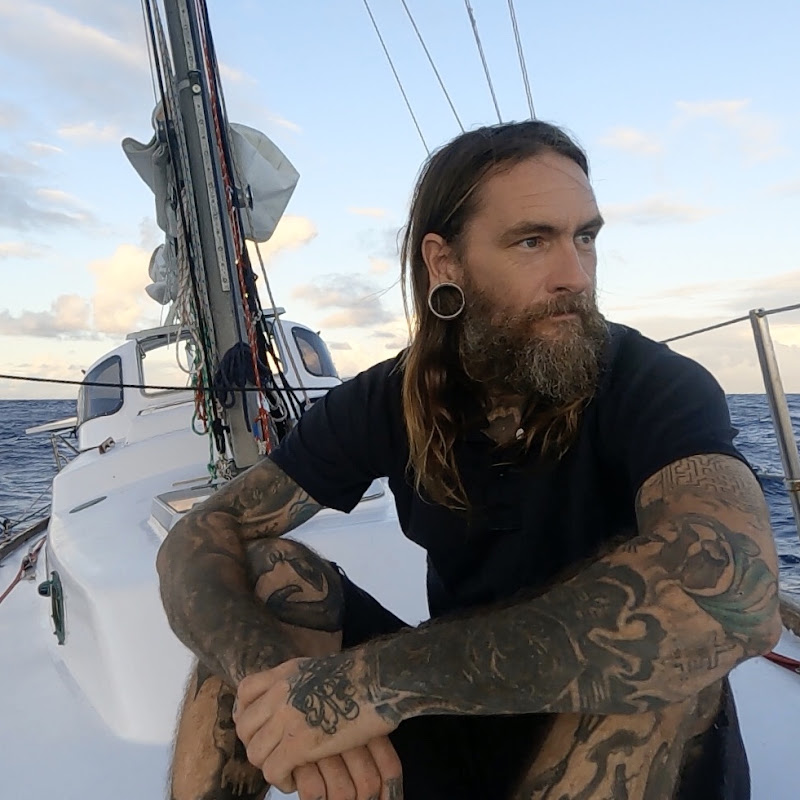
Sailing Triteia
Meet Sailor James Frederick: A solo voyager redefining the Alberg 30 legacy with technical grit, from a rudderless Hawaii crossing to his current 2026 refit in Thailand.
Channel Information:
Social Media Links:
Sailing Dhows of Madagascar, Visiting a Remote Anchorage on Mainland and Amazing Snorkeling Location
- Mainland Mangrove Anchorage, Madagascar (-13.55,48.35)
- Crater Bay, Nosy Be, Madagascar (-13.4045,48.257)
- Nosy Tanikely Marine Reserve, Madagascar (-13.4816,48.2372)
- Nosy Komba, Madagascar (-13.46,48.35)
Latest Episodes from Sailing Triteia
Explore the most recent voyages. Subscribe to the channel to never miss an update!
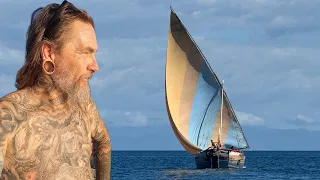
Sailing Dhows of Madagascar, Visiting a Remote Anchorage on Mainland and Amazing Snorkeling
James Frederick observes traditional wooden sailing dhows in Madagascar before navigating SV Triteia into a secluded mainland anchorage and snorkeling the marine reserve of Nosy Tanikely.
MEETING LEMURS in Madagascar!!!
One of my favorite things in the world is getting to see and meet wildlife! watch the complete episode of me meeting lemurs for the first time! If you enjoy the channel please "Like" the videos and Subscribe so you don't miss any future episodes. If you find the videos helpful or ...
Meeting the Famous Lemurs of Madagascar on Nosy Komba
After a 38-mile passage plagued by an erratic autopilot, James Frederick anchors SV Triteia off Nosy Komba and heads ashore to feed bananas to Madagascar's famous lemurs.
SAILOR JAMES IN CAPE TOWN – MEETUP NOVEMBER 7 2026 – HOUT BAY YACHT CLUB
I will be having a Meetup this coming Saturday at Hout Bay Yacht Club near Cape Town - Pop by and say hello! Hout Bay Yacht Club Hout Bay, Cape Town, South Africa 4-6pm - November 7th 2026 If you enjoy the channel please "Like" the videos and Subscribe so you don't miss any future ...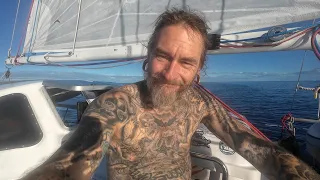
Sailing to Mitsio Island in Remote Madagascar
James Frederick sails SV Triteia 35 miles north to Nosy Mitsio, Madagascar, explores baobab groves with crew from SV Ancala, and demonstrates a solo mainsail reef-down dropping technique without lazy jacks.