Did we push our sailing season too far? - Cruising The Mediterranean
Anchored in a sheltered cove in the Preveza area of western Greece, Scott and Sandy aboard the Seawind 1160 Lite catamaran Sailing Sea Moon face the reality of extending their Mediterranean cruising into mid-October. After enjoying consistent summer sunshine while navigating across Turkey, the Peloponnese, and the Ionian Sea, a sudden seasonal shift brings continuous overcast skies, heavy rain, and active lightning storms.
The change in climate transforms daily life at anchor, posing practical questions about whether lingering past the standard cruising season remains rewarding. As coastal temperatures drop into the high teens and sunrises slip toward 7:30 a.m., the crew must balance technical power constraints against unsettled regional weather systems.
Autumn Power Management and Outboard Limitations
Managing electrical power becomes an immediate priority when heavy cloud cover settles over the Ionian coast. Sea Moon carries a house bank of 1,000 amp hours of lithium batteries, which typically recharge fully from large solar panel arrays by early afternoon during summer. Under persistent overcast skies, however, solar input drops to near zero, forcing the crew to track their power consumption closely.
Unlike cruising catamarans powered by inboard diesel engines equipped with high-output alternators, Sea Moon is propelled by twin Yamaha 25hp outboard engines. Because the outboards do not supply meaningful charging capacity back into the house lithium bank, the boat depends entirely on its solar array or an auxiliary generator. Scott maintains a safety cutoff threshold at 25 percent state of charge, leaving a 250 amp hour emergency margin. With overcast skies keeping the bank near 50 percent, standard daily loads—including cooking breakfast, lunch, and dinner on the electric stovetop and heating domestic water—rapidly draw the 500 amp hour reserve down toward the cutoff threshold.
To prevent depleting the batteries, the crew must deploy their portable Yamaha 2 kVA generator. Under dry conditions, Scott operates the portable unit on the foredeck to keep combustion noise and exhaust fumes away from the accommodation. When heavy autumn downpours strike, the generator must be moved into the covered aft cockpit. Scott notes that the generator has become essential equipment, having run it five or six times over the past two weeks to keep the house bank operational.
Cold Mornings, Condensation, and Vessel Design
The mid-October transition brings practical living adjustments inside the catamaran. Early summer routines beginning at 5:30 or 5:45 a.m. in bright daylight give way to 6:30 a.m. alarms in total darkness, with dawn delayed until nearly 7:30 a.m. Sandy pulls out long pants, jumpers, socks, and extra bedding as cabin temperatures settle into the high teens. Although an onboard electric heater is available, Scott refrains from running it to avoid further draining the lithium bank.
The Seawind 1160 Lite was designed primarily as a warm-weather vessel, featuring expansive saloon windows and large aft trifold doors that blend the salon into the open cockpit. In cold, wet autumn conditions, sealing the cabin traps interior moisture and creates condensation across surfaces. Sandy routinely wipes down internal joinery and bulkheads with a vinegar solution to prevent mold growth before it can establish a foothold.
Shuttered Ports and Empty Anchorages
Scott initially anticipated that cruising in October would provide a sweet spot of solitary anchorages and easier access after navigating through packed summer bays in July and August. While the summer charter flotillas have largely cleared out, shoreside life has shut down in tandem. Walking into a coastal town a nautical mile and a half from their anchorage, Scott and Sandy find shuttered storefronts, closed tourist vendors, and an ancient hilltop castle with no visitors.
Scott reflects on the trade-offs of late-season exploration: “It’s just this time of the year it just becomes just not worth doing that. Everything’s closing, shutting down.” While a local taverna offers attentive service and high-quality food due to lower customer volume, outdoor sightseeing and car rentals lose their appeal during days of persistent rain.
Regional Storm Systems and Wintering Decisions
Severe weather warnings issued for the broader Ionian Islands—just three to five nautical miles from their anchorage—advise mariners to remain in port and avoid open water passages. Having weathered 40-knot storm fronts in Croatia and violent autumnal sea surges in Rhodes during previous seasons, the crew chooses to remain securely anchored in flat, protected water.
Reflecting on cruisers who attempt to winter aboard at anchor in the Mediterranean, Scott notes that the harsh conditions demand constant generator operation and heating: “I think you’re just surviving rather than thriving, though.” With their scheduled haul-out set for the middle of October, Scott and Sandy prepare to place Sea Moon on the hard for four months of land travel. Assessing their experience, Scott observes: “I think it would have been great to start later and finish earlier if you really wanted to milk the best of the season.”
| Cruising factor | Metric | Daily management reality | | :— | :— | :— | | Lithium battery capacity | 1000 amp hours | Overcast skies prevent typical solar charging | | Safety cutoff threshold | 25 percent | 250 amp hours held as safety buffer | | Overcast battery draw | 50 percent | 500 amp hours consumed before running generator | | Portable generator rating | 2 kVA | Yamaha unit run 5 to 6 times over two weeks | | Scheduled winter duration | 4 months | Catamaran hauled out for land travel |
Frequently Asked Questions
Unlike yachts with inboard diesel engines and high-output alternators, Sea Moon uses twin Yamaha 25hp outboard engines that provide minimal battery charging. With persistent cloud cover eliminating solar power generation, the crew must rely on their portable Yamaha 2 kVA generator to keep their 1,000 amp-hour lithium battery bank charged.
The boat is equipped with a 1,000 amp-hour lithium battery bank. While lithium cells can technically discharge lower, Scott maintains a strict low-voltage cutoff safety margin at 25 percent, leaving a 250 amp-hour protected reserve. When overcast conditions drop the bank to 50 percent (500 amp hours), normal cooking and water heating draw close to that limit.
Scott and Sandy usually place their portable Yamaha 2 kVA generator on the foredeck to isolate engine noise and exhaust fumes away from the cabin. During heavy rain, however, the generator must be positioned in the aft cockpit to stay dry, increasing noise and odor inside the living space.
Scott and Sandy found that while summer crowds vanish, coastal resort towns undergo a complete seasonal shutdown by mid-October. Shops and tourist attractions close, rental car excursions become impractical during downpours, and cruisers face limited dining and indoor options.
The crew scheduled their haul-out for the middle of October, setting aside four months off the boat to travel overland before returning to the catamaran to chase warm summer weather and cross the Atlantic.
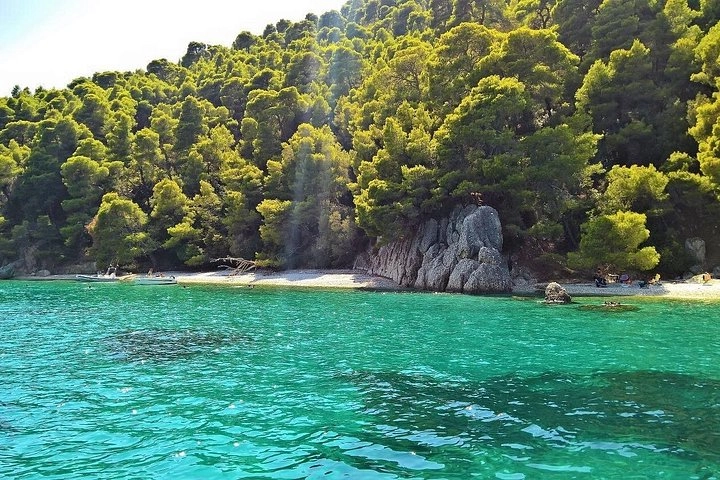
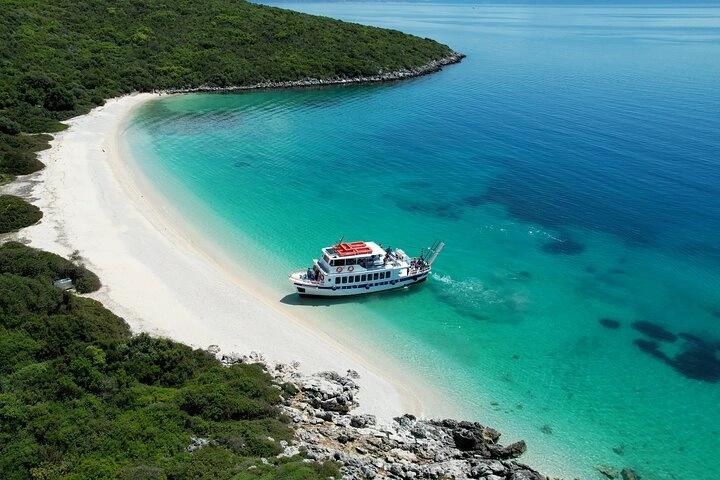
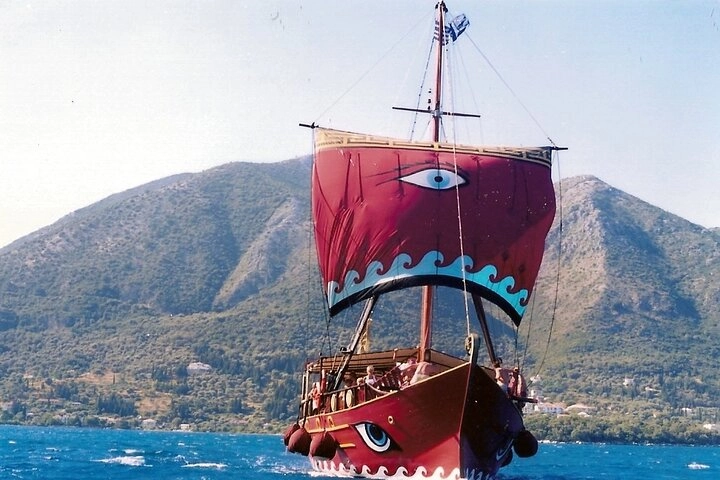
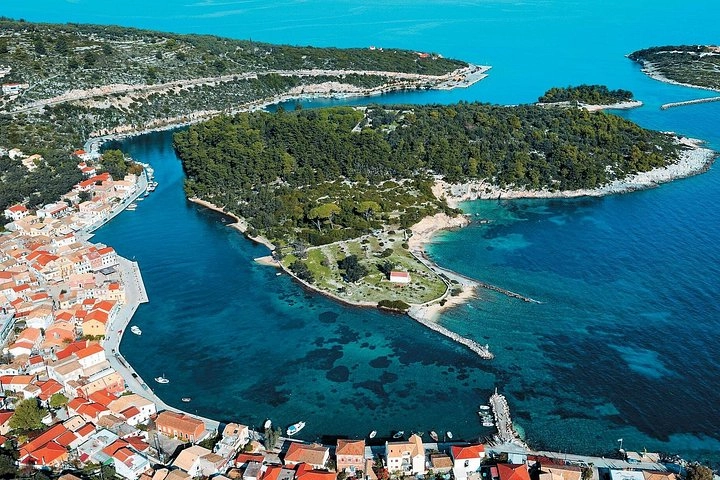
Book a trip where this was filmed — near Lefkada
Support Sailing Sea Moon
At WeBoating.com, we profoundly acknowledge the unwavering dedication that Sailing Sea Moon invests in crafting each and every video or voyage. Their passion for delivering exceptional ocean content shines through every frame, and it's a labor of love that deserves your attention.
We invite you to watch their captivating videos here and actively engage with their content, including their social media links above. Liking, commenting, and sharing their work goes a long way in fueling their creative fire.
We're also inviting you to explore the gear, sponsorships, and boat partnerships highlighted in the "Did we push our sailing season too far? - Cruising The Mediterranean" video description, or directly on YouTube. By engaging with these offerings or purchasing services and items, you directly support Sailing Sea Moon, their collaborators, and the brands they're associated with.
To ensure you never miss an offshore update, consider visiting their official YouTube Channel to subscribe, like, and join their community directly.
If you have any feedback, corrections, or additional information about Sailing Sea Moon or their videos, please use the comment form below to share your thoughts with us.
Thank you for being a part of our community and supporting the creators we cherish. Your time and support truly matter!
After months of exploring the Mediterranean aboard our Seawind 1160 catamaran, Sea Moon, the seasons are changing — and so is life onboard.
The warm summer days, calm anchorages and endless sunshine are giving way to colder temperatures, unsettled weather, strong winds and some rather uncomfortable nights at anchor.
But it's not just the weather that's challenging us.
With shorter days and less sunshine, managing our power becomes increasingly important. Unlike cruisers with diesel engines, our twin Yamaha outboards don't provide the same battery-charging capabilities, leaving us more reliant on solar and our generator.
So we're asking ourselves some important questions.
Have we stayed out cruising too long? Is it still possible to enjoy exploring the Mediterranean this late in the season? And knowing what we know now, would we do it all again?
Join Scott and Sandy for another honest conversation aboard Sea Moon as we reflect on the realities of extending our cruising season, our winter plans and the lessons we're learning along the way.
⏱️ CHAPTERS
00:00 Introduction
01:25 The Change of Season
02:49 Can You Still Explore?
04:06 Power Management Challenges
08:03 When Summer Turns to Autumn
12:12 Have We Pushed It Too Far?
16:41 Why Are We Here?
18:29 Our Wintering Plans
21:18 Has the Weather Slowed Us Down?
24:28 Advice for Future Cruisers
28:37 Would We Do It Again?
⛵ Welcome Aboard Sailing Sea Moon
Hi, we're Scott & Sandy.
Five years ago we matched on Tinder. Today we're living aboard our Seawind 1160 Lite catamaran, Sea Moon, sailing full-time around the world.
Every week we share honest sailing adventures, cruising guides, boat projects, tech tips, destination guides and the realities of life aboard. From hidden anchorages and unforgettable experiences to the challenges that come with living at sea, we bring you along for the journey.
If you've ever dreamed of sailing, travelling full-time or living life differently, we'd love to have you aboard.
🔔 Subscribe and join the adventure!
📅 New Videos Every Week
Wednesday (Alternating)
• Sea Moon Tech with Scott
• Coffee with Sandy
Sunday - Mixture of;
• Sailing adventures, destination guides and life aboard Sea Moon
🌐 Follow Our Journey
📺 YouTube
https://www.youtube.com/@SailingSeaMoon
https://www.instagram.com/sailingseamoon
https://www.facebook.com/SailingSeaMoon
⛵ Our Boat
SV Sea Moon
Seawind 1160 Lite Catamaran
Twin Yamaha 25hp Outboards
🎥 Our Gear
Cameras
• DJI Action 4
• iPhone 17 Pro
• DJI Mini Drone
Audio
• DJI Mic
Editing
• Movavi Video Editor
• Canva Pro
🎵 Music
Music created using the built-in music library in
- Movavi Video Editor
- YouTube Studio
Other
- Google Earth
- Google Earth Pro
📧 Business Enquiries
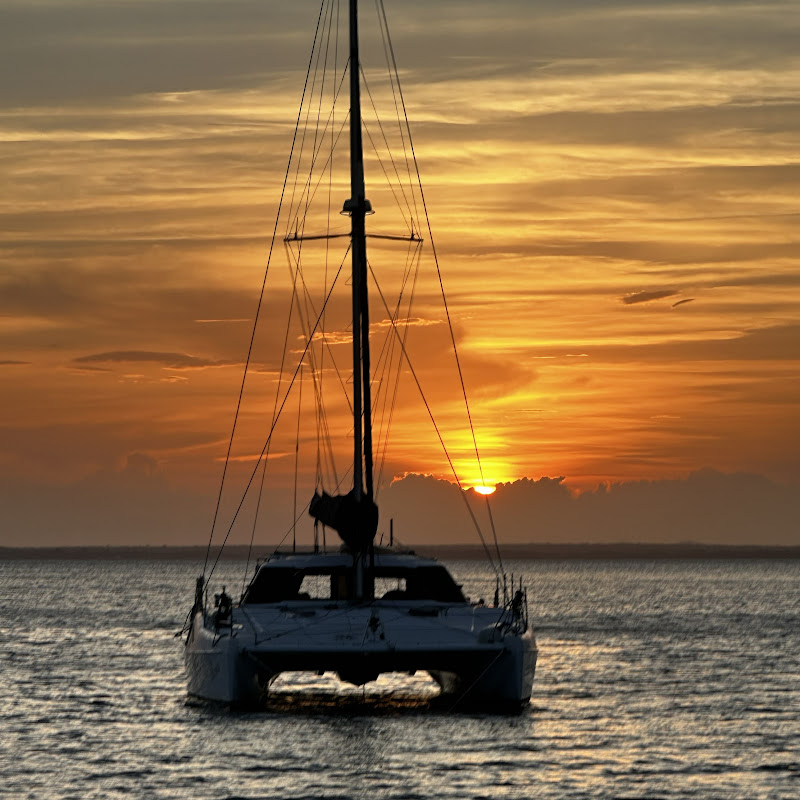
Sailing Sea Moon
In 2026, Sailing Sea Moon chronicles Scott and Sandy sailing around the world aboard Sea Moon, their Australian-designed Seawind 1160 Lite catamaran. Logging over 14,000 nautical miles from an initial Tinder date, the couple cruises Greece and Turkiye, executing outboard repowers, transiting the Corinth Canal, and sharing honest circumnavigation seamanship.
Channel Information:
Social Media Links:
Did we push our sailing season too far? - Cruising The Mediterranean Location
- Preveza, Greece (38.9597,20.7518)
Latest Episodes from Sailing Sea Moon
Explore the most recent voyages. Subscribe to the channel to never miss an update!

Mediterranean Sailing Season 2026 -Turkiye: New Engines, Gallipoli and a few surprises
Sailing Sea Moon reflects on their 2026 cruising season in Turkey, reviewing new Yamaha outboards, ancient ruins, and passages to Gallipoli.
Battlefields, Quirky Villages and the Corinth Canal: What a way to finish our Greek road trip
Scott and Sandy explore mainland Greece by car, traveling from the ancient pass of Thermopylae and whimsical Pavliani to the submersible bridges of the Corinth Canal.
Am I really a SAILOR ?After 14,000 nautical miles, I’m Still Asking
In Bali, Indonesia, Sandy reflects on identity, cruising milestones, and what it truly means to call oneself a sailor after 14,000 nautical miles.
METEORA GREECE – A Place You Have to See to Believe!
With their Seawind 1160 Lite catamaran Sea Moon on the winter hardstand in Greece, Scott and Sandy drive to Meteora to hike the Rock of the Holy Spirit, tour cliffside monasteries, and inspect ancient hermit cave dwellings.