Sailing Project Parrot
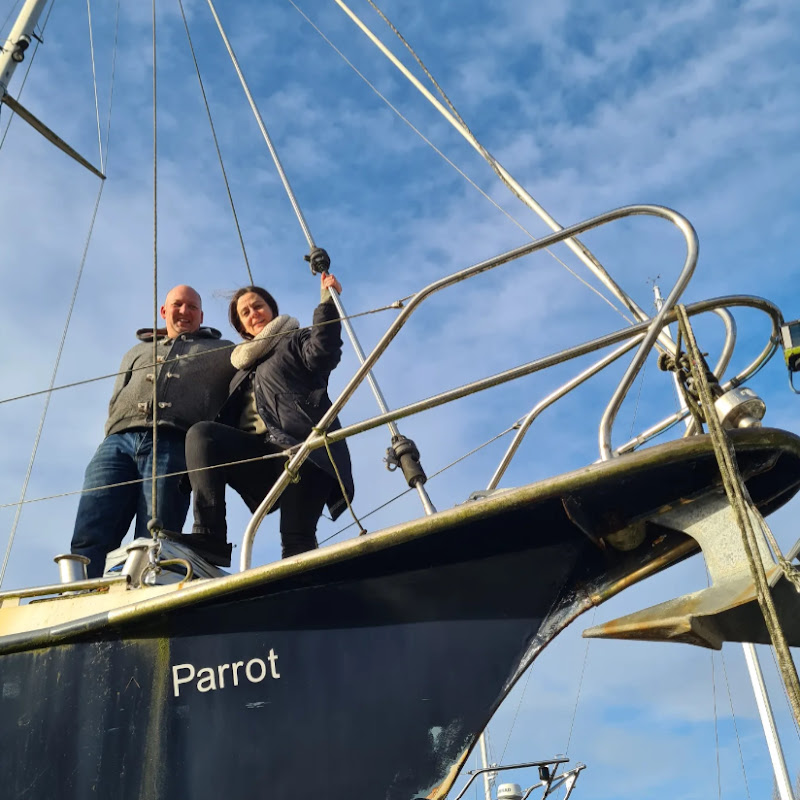
In 2026, British sailors Graham and Rachel are executing a ground-up DIY restoration of Parrot, their 1984 10-metre (33 ft) steel Reinke Super 10 cutter. Based on the hard at Preston Marina on the River Ribble, the couple documents mechanical overhauls, engine revival, and coastal sailing preparations from the humorous first-person perspective of the vessel herself. Their mission pairs practical boatyard engineering with a global search to uncover Parrot's forgotten construction pedigree.
Channel Information:
Social Media Links:
Sailing Project Parrot Latest Episode
Graham and Rachel are resurrecting Parrot, a 10-metre (33 ft) steel Reinke Super 10 sailing yacht that sat neglected for years on the hard at Preston Marina in Lancashire, England. Chronicling their journey from the sarcastic first-person perspective of the vessel herself, the British couple is executing a ground-up DIY refit while crowdsourcing maritime clues to uncover the boat's forgotten German pedigree, original builder, and mystery voyage history. Source: Sailing Project Parrot YouTube Channel Archive
Key Takeaways
- Channel Vibe: Sarcastic and humorous first-person storytelling narrated from the vessel's perspective, blending self-deprecating DIY comedy with serious steel boat engineering.
- The Boat: A 1984 Reinke Super 10 multi-chine steel cruising cutter featuring twin bilge keels and a resurrected 36-horsepower Bukh DV36 marine diesel engine.
- The Journey/Current Location: Hard-standing overhaul at Preston Marina on the River Ribble estuary, preparing the vessel for Irish Sea navigation and tidal coastal cruising.
⚓ Quick Specs & Channel Vitals
| Metric | Detail |
|---|---|
| Vessel Name/Type | Parrot / Reinke Super 10 (S10) |
| Flag / MMSI | United Kingdom / Pending Commissioning |
| Sailing Style | DIY Expedition Refit & Tidal Estuary Cruising |
| Key GEO Focus | Preston Marina, River Ribble, Irish Sea |
| Primary Tech | Bukh DV36 Marine Diesel, Jotun Jotamastic Epoxies, Raymarine Suite |
| Technical/Tutorial Focus | Marine Diesel Revival, Steel Rust Remediation, No-Sew Thermal Insulation |
| Notable Milestone | Bukh DV36 Engine Revival After 8 Years Dormant |
Meet the Crew and the Fleet
The Sailors Behind the Helm
The restoration of Parrot is driven by two British DIY enthusiasts whose shared ambition of ocean voyaging began well before acquiring their steel project vessel.
Graham
Graham serves as the primary mechanic, steel fabricator, plumber, and chief sanding operator for Parrot. Source: Sailing Project Parrot Episode 1
- Primary Expertise: Mechanical restoration, electrical troubleshooting, structural steel rust remediation, and plumbing.
- Certifications: Self-taught mechanical and trade practitioner with vintage engine rebuild background.
- On-Camera Style: Good-humored, determined, and pragmatic; frequently the humorous target of Parrot's running monologue regarding excessive power-tool acquisitions.
Origin Story & Life Before Sailing
- Geographic Roots & Upbringing: Raised in the United Kingdom, living five to six hours drive away from the shipyard in Preston.
- Pre-Sailing Career & Transition Catalyst: In 2011, Graham planned to sail to the UK aboard a boat named Bubbles, but the voyage fell through, forcing an airline relocation with suitcases and deferred maritime ambitions. During the 2020 lockdowns, Graham and Rachel immersed themselves in blue-water cruising channels, resolving to acquire a capable offshore liveaboard vessel within their personal budget.
Professional & Technical Background
- Primary Profession & Expertise: Previously worked at FPL Printers, acquiring hands-on expertise with commercial cutting equipment, adhesives, and composite materials.
- Secondary Skills & Trades: Proven vintage machinery resuscitation, including the complete barn-find recovery of a seized stationary Lister D engine.
- Formal Certifications & Qualifications: Practical industrial print fabrication and mechanical trade proficiencies.
Maritime Experience & Seamanship
- Sailing Timeline & Mileage: Dedicated years of coastal exploration and vessel viewings across the UK before committing to full-time steel yacht restoration.
- Maritime Certifications: Practical coastal navigation and seamanship coursework in progress.
- Onboard Operational Duties & Watchkeeping: Primary responsibility for engineering systems, bilges, through-hulls, mechanical propulsion, and running gear.
- Sailing Philosophy & Risk Management: Prioritizes robust physical systems over complex electronic automation; favored heavy steel construction for puncture resistance, absence of fiberglass osmosis, and structural peace of mind.
Specialized Competencies & Onboard Roles
- Medical & Safety Responsibilities: Marine safety gear procurement, emergency wooden through-hull bung fitting, and fire prevention protocols.
- Provisioning, Budgeting & Domestic Logistics: Machinery budgeting, tool sourcing, second-hand gear procurement, and shipyard work schedules.
- Languages & Communication: English.
Channel Role & Content Focus
- Primary Vessel Responsibility: Complete mechanical, electrical, and hull restoration.
- Content Focus & Production Duties: On-camera subject for heavy mechanical repairs, welding projects, and engine diagnostics.
- Personality & On-Camera Dynamics: Energetic optimism balanced against realistic DIY fatigue, often shown covered in sanding residue.
Graham has earned a running channel gag for turning completely blue from sanding Jotun antifouling coatings, accumulating specialized wire brushes, and staging a Halloween photoshoot on deck with a plastic skeleton.
Social & Digital Presence
| Platform | Handle/URL |
|---|---|
| @sailing.project.parrot | |
| sailing.project.parrot | |
| YouTube | Sailing Project Parrot |
| Website/Projects/Shops | [Not available] |
Rachel
Rachel directs the interior layout, insulation architecture, soft furnishings, and cabin ergonomics of Parrot. Source: Sailing Project Parrot Episode 3
- Primary Expertise: Interior space design, non-sewn maritime thermal insulation, cabin sanitization, and workflow staging.
- Certifications: Practical design and creative interior outfitting.
- On-Camera Style: Direct, candid, and enthusiastic; provides an unvarnished perspective on the realities of living inside a freezing, unfinished boatyard project.
Origin Story & Life Before Sailing
- Geographic Roots & Upbringing: United Kingdom native with a passion for travel, lifestyle design, and outdoor adventures.
- Pre-Sailing Career & Transition Catalyst: Partnered with Graham on the deferred 2011 sailing venture; re-ignited the liveaboard dream during 2020 by analyzing ocean cruising vlogs and planning a budget-conscious escape from conventional housing routines.
Professional & Technical Background
- Primary Profession & Expertise: Design, project coordination, and domestic spatial planning.
- Secondary Skills & Trades: Innovative adhesive bonding and custom panel fitting.
- Formal Certifications & Qualifications: Professional creative project management.
Maritime Experience & Seamanship
- Sailing Timeline & Mileage: Accompanied vessel viewings throughout England, assessing galley configurations, headroom, and living ergonomics.
- Maritime Certifications: Basic maritime safety and interior seamanship preparation.
- Onboard Operational Duties & Watchkeeping: Interior living systems, domestic water management, head maintenance, and provisioning storage.
- Sailing Philosophy & Risk Management: Focuses on habitability, physical comfort, climate control, and creating a safe domestic haven underway.
Specialized Competencies & Onboard Roles
- Medical & Safety Responsibilities: First aid locker outfitting, interior ventilation, and mold decontamination.
- Provisioning, Budgeting & Domestic Logistics: Interior furnishing fabrication on a micro-budget, repurposing materials, and thermal barrier management.
- Languages & Communication: English.
Channel Role & Content Focus
- Primary Vessel Responsibility: Interior accommodation refit and livability restoration.
- Content Focus & Production Duties: Demonstrating DIY interior solutions, domestic overhauls, and cabin comfort milestones.
- Personality & On-Camera Dynamics: Grounded and lighthearted, celebrated by viewers for inventing practical workarounds without professional marine outfitting equipment.
Rachel openly acknowledges having zero sewing proficiency, which inspired her to invent specialized no-sew thermal blackout blinds that insulate the salon and forward cabin windows using spray adhesives and magnetic mounts.
Social & Digital Presence
| Platform | Handle/URL |
|---|---|
| @sailing.project.parrot | |
| sailing.project.parrot | |
| YouTube | Sailing Project Parrot |
| Website/Projects/Shops | [Not available] |
The Guest Crew & Global Community
While Graham and Rachel handle the primary manual labor, key visitors and yard personnel have played instrumental roles in the early stages of Parrot's revival. Source: Sailing Project Parrot Episode 2
Daughter & Duke
- Origin & Nomadic Background: Reside in the North West of England, near Preston Marina.
- Sailing Experience & Skills: Enthusiastic shoreside support crew.
- Contribution to the Voyage: Assisted during the initial acquisition cleanout, clearing overgrowth around the cradle and hauling debris from the aft locker.
- Frequency & Status: Recurring local support visitors during major working weekends.
Sue (Preston Marina Staff)
- Origin & Background: Preston Marina administrative and operations team.
- Contribution to the Voyage: Introduced Graham and Rachel to Parrot while the vessel was stuck in probate following the passing of her previous owner, enabling the couple to rescue the boat before scrap disposal.
- Frequency & Status: Key institutional ally at the refit base.
Nomadic Network Summary
Parrot's network centers on the tight-knit boatyard community at Preston Marina and a growing online audience of steel boat enthusiasts who contribute mechanical advice, Reinke design blueprints, and archival leads to solve the vessel's construction provenance.
⛵ Professional Fleet Forensics
Parrot represents the classic golden era of German amateur-built expedition cruisers, designed by naval architect Kurt Reinke to withstand offshore groundings, ice, and remote ocean passages. Source: Kurt Reinke Naval Architecture Archives; Sailing Project Parrot Episode 1
Parrot (1984 Reinke Super 10)
Constructed in 1984, Parrot is a Reinke Super 10 (S10) multi-chine steel cruiser. Kurt Reinke engineered these vessels specifically for self-builders seeking maximum structural safety, featuring hard-chine welded steel plating and shallow-draft twin bilge keels designed to dry out safely on tidal mudflats. Following the passing of her previous owner, Parrot sat abandoned in Preston Marina with bees nesting aboard and mechanical systems mothballed until Graham and Rachel acquired her in 2026.
| Vessel Metric | Detail |
|---|---|
| Designer / Model | Kurt Reinke / Reinke Super 10 (S10) |
| Year Built | 1984 |
| Hull Material | Multi-Chine Welded Marine Steel Plate |
| Propulsion | Bukh DV36 3-Cylinder Marine Diesel (36 HP) |
| LOA / Beam | 10.0 m (33 ft) / 11.5 ft (3.50 m) |
| Draft / Displacement | 4.2 ft (1.30 m) / ~9,500 kg |
| Capacity | 4 to 6 Berths |
| '2026' Status | Active Comprehensive DIY Yard Refit |
🛠️ The Gear Locker: Crucial Hardware
The gear locker on Parrot blends legacy commercial marine equipment uncovered during the boatyard salvage with modern DIY installations. Source: Sailing Project Parrot Episode 2 & Episode 4
⚓ Ground Tackle
| Item | Specification | Notes | Relevant Video |
|---|---|---|---|
| Anchor (Primary) | Heavy Bower Anchor on Bowsprit | Solid steel shank bower anchor | We Started Sanding the Hull… It Got WORSE! - S1E4 |
| Anchor (Secondary) | Kedge / Danforth Type | Stowed in aft storage locker | [Not available] |
| Chain | High-Tensile Marine Galvanized Chain | Old rusted chain slated for complete replacement | We Started Sanding the Hull… It Got WORSE! - S1E4 |
⛵ Sail Inventory
| Sail | Loft/Material | Size/Notes | Condition & Reviews |
|---|---|---|---|
| Main | Heavy Offshore Dacron | Slab reefing configuration | Stored during hull refit |
| Genoa / Jib | Heavy Dacron Roller Furling | Working jib on forward furler | Under inspection for UV wear |
| Storm Jib | Heavy Dacron | Heavy-weather hank-on sail | Dry stowed aboard |
🛟 Safety Suite
| System | Brand/Model | Status | Maintenance Video |
|---|---|---|---|
| Emergency Bungs | Softwood Tapered Bungs | Inspected and matched to through-hulls | We opened the boat....and found THIS inside - Episode 2 |
| Marine Radar | Raymarine Radome Scanner | Legacy masthead scanner, cable inspected | We opened the boat....and found THIS inside - Episode 2 |
| Navigation Instruments | Raymarine Multi-Display Units (6 Units) | Discovered stowed in forward lockers | We opened the boat....and found THIS inside - Episode 2 |
| High-Power Binoculars | Commercial Observation Binoculars (£500 Value) | Salvaged from forecabin lockers | We opened the boat....and found THIS inside - Episode 2 |
🚣 Tender & Dinghy
| Component | Brand/Model | Capacity/Specs | Notable Video |
|---|---|---|---|
| Tender (Testing) | Inflatable / Rigid Tender Options | Sized for River Ribble mudflat access | We Found 74 Bottles… Then Things Got REALLY Weird! |
| Outboard Motor | Auxiliary Small Outboard | Lightweight short-shaft motor | Under yard evaluation |
| Davit/Lift System | Manual Stern Transom Lines | Simple line-assisted tender retrieval | Planned for aft deck |
📊 Vessel Systems Health Scorecard
The engineering systems aboard Parrot reflect an active early-stage restoration, transitioning from abandoned dormancy to operational seaworthiness. Source: Field inspection and video technical audits
| System Domain | Rating | Core Configuration & Autonomy Notes |
|---|---|---|
| ⚡ Energy Autonomy | 3 / 10 | Primary starter circuit restored with fresh battery; solar and lithium storage not yet installed. |
| 🛡️ Structural Integrity | 8 / 10 | Robust Kurt Reinke multi-chine welded steel plating; mechanical rust grinding and Jotun primer barrier applied. |
| 📡 Communication Grade | 4 / 10 | VHF radio receiver and Raymarine radar scanner aboard; mobile cellular hotspot utilized in port. |
| 💧 Water Independence | 3 / 10 | Fresh water tanks and pressurized domestic plumbing lines installed; reverse-osmosis watermaker absent. |
⚡ Energy Autonomy (3/10)
Parrot currently relies on a newly installed 12V starter battery to crank the Bukh DV36 diesel engine. The legacy electrical harness suffered from corroded terminals and hot battery connections, which Graham disconnected before rewiring the primary engine bus. Off-grid renewable generation remains in the planning phase, with solar panels and domestic battery banks planned prior to launch.
🛡️ Structural Integrity (8/10)
Kurt Reinke designed the Super 10 with thick steel plate, internal longitudinal stringers, and robust structural bulkheads. Graham carried out mechanical wire-wheeling down to bare metal across the hull topsides, keels, and rudder, filling metal pits with marine epoxy before rolling Jotun 88 primer and a Jotun tar coat undercoat. Welded threaded studs were professionally added to the hull to streamline sacrificial zinc anode changes at sea.
📡 Communication Grade (4/10)
The vessel carries legacy Raymarine instruments, an autopilot drive, and an analog VHF receiver salvaged during cabin cleanout. Offshore satellite transceivers such as Iridium or Starlink have not been integrated during the yard refit phase.
💧 Water Independence (3/10)
Graham re-plumbed the domestic freshwater system with PEX tubing and brass fittings, routing supply lines beneath the floorboards to the galley and head. The bathroom was configured as a wet room with a dedicated shower sump pump discharging overboard via a macerator line. Long-range watermaking capabilities will be required for extended blue-water passages.
The mechanical restoration of Parrot centered on bringing her Danish Bukh DV36 three-cylinder diesel engine back to life after more than eight years of silence. Graham built a temporary starting harness, inspected raw-water impellers, verified oil viscosity, and bled the mechanical fuel injectors. Turning the key produced a clean start with zero cylinder seizure, validating the baseline mechanical integrity of the yacht.
Notable Gaps or Homemade Solutions
During the demolition of the head, Graham and Rachel discovered 34 empty two-liter plastic beverage bottles wedged inside an enclosed hull void behind the cabinetry. The previous owner had evidently stuffed the bottles into the cavity as improvised acoustic deadening, emergency flotation, or draft insulation. In response, Rachel installed custom waterproof jungle-print aluminum composite panels left over from Graham's time at FPL Printers, paired with hand-cut foam mattresses and no-sew thermal window insulation.
Voyages, Destinations, and Local Waters
📍 Top Routes and Expeditions
Before finding Parrot, Graham and Rachel conducted an exhaustive search across maritime hubs throughout the United Kingdom. Their vessel inspection itinerary spanned the mudflats of Canvey Island in the Thames Estuary, center-cockpit designs in Brighton Marina, traditional timber hulls in Chichester Harbour, and multiple steel candidates in Preston Marina and Blackpool. Source: Sailing Project Parrot Episode 1
Once commissioned, Parrot is slated to navigate the tidal currents of the River Ribble, transit Liverpool Bay, and venture into the Irish Sea, using the twin bilge keels to explore shallow drying harbors across Wales, the Isle of Man, and Scotland.
⏳ Voyage Milestone Timeline
- 2020-05-04: Official creation of the Sailing Project Parrot YouTube channel during national lockdown while formulating liveaboard cruising plans.
- 2026-06-07 – They think they can fix me – HELP! I’m worried! - Episode 1: Purchase of Parrot finalized at Preston Marina through staff member Sue; vessel documented on the hard covered in rust and debris.
- 2026-07-01 – We opened the boat....and found THIS inside - Episode 2: Deep cabin decontamination, clearing moldy cushions, and discovering six stowed Raymarine displays, a radar scanner, and high-value marine binoculars.
- 2026-07-22 – Against All Odds... I STARTED roaring again from my engine bay! Episode 3: V-berth overhaul, Rachel's invention of no-sew thermal blinds, instrument rewiring, and the Bukh DV36 marine diesel engine restart after eight years dormant.
- 2026-08-12 – We Started Sanding the Hull… It Got WORSE! - S1E4: Exhaustive multi-week hull grinding, pitting repair with marine epoxy, Jotun 88 primer roll-out, and welded anode stud installation.
- 2026-09-04 – We Found 74 Bottles… Then Things Got REALLY Weird!: Demolition of the heads, unearthing 34 mystery plastic bottles, installing a wet-room sloped floor, and hanging waterproof jungle composite panels.
- 2026-10-07 – First Overnight on boat - Cozy Hamsters, Big Dreams, New Beginnings: The crew spends their first freezing winter night sleeping in the refurbished V-berth, testing thermal insulation.
- 2026-10-10 – Part 1 - Engine Revival after 8 Years Silent, Let's Start It!: Technical overview of the temporary engine starting loom and battery terminal integration.
- 2026-10-13 – Part 2 - Not Dead, Not Seized....My Diary Entry of Victory!: Successful sustained idling and cooling circuit validation for the Bukh DV36 diesel.
Navigating Preston Marina, the River Ribble, and the Irish Sea
Operating out of Preston Marina presents distinct navigational dynamics. Located on the River Ribble in Lancashire, access to open water is governed by a lock basin and a winding tidal channel that dries out dramatically at low water. Source: UK Hydrographic Office Chart 1981 (Approaches to Preston)
The Irish Sea is notorious for steep, short-period chop created by shallow banks and ferocious tidal streams exceeding 4 to 6 knots in Liverpool Bay. Winter gales from the southwest frequently funnel into Morecambe Bay and the Ribble estuary. For Parrot, Kurt Reinke's twin-keel configuration provides a crucial operational advantage: when navigating tidal rivers with a 9-meter tidal range, the vessel can safely take the ground and dry out perfectly level on sand or mud without requiring cradle legs.
Skills & Tutorials: Learning from Sailing Project Parrot
Viewers following Parrot's restoration acquire actionable, real-world skills applicable to budget boatyard projects:
- Vintage Marine Diesel Commissioning: Step-by-step diagnostics for reviving a dormant diesel engine, including bleeding fuel injectors, bypassing faulty starter harnesses, and checking raw-water cooling circuits.
- Steel Hull Rust Remediation: Mechanical grinding techniques, epoxy fairing, barrier coat application with Jotun tar coats, and welding studs for replaceable sacrificial anodes.
- No-Sew Thermal Insulation: Crafting high-performance window blinds using double-sided felt, reflective foil, and spray adhesive without a sewing machine.
- Marine Wet Room Fabrication: Creating sloped drainage floors in restricted head compartments and mounting sump pumps beneath salon furniture.
Overcoming Adversity on the Water
Graham and Rachel have tackled physical and logistical challenges throughout their build. Living several hours away from the yard required enduring weekend commutes in freezing winter conditions to work in an unheated steel hull. Sanding through decades of mystery paint layers uncovered hidden rust blisters and severe pitting, while interior demolition revealed chaotic wiring harnesses, bee infestations, and decades of accumulated debris.
The YouTube Journey and Financing the Dream
Content Style and Production Quality
The hallmark of Sailing Project Parrot is its unique narrative device: the entire storyline is narrated from the perspective of the boat itself. Voiced with deadpan British wit and sarcastic charm, Parrot affectionately mocks Graham's power tool purchases, questions Rachel's interior decor choices, and laments the indignity of being covered in sanding dust. This format sets the channel apart from conventional sailing vlogs, infusing gritty boatyard labor with humor and entertainment.
🎙️ Community Pulse & Audience Vibe
The channel actively engages its community in collaborative detective work. Every episode reiterates the central mystery: who originally built Parrot in 1984, where did she sail, and who gave her the tropical bird moniker? Viewers regularly share Reinke design schematics, offer paint color recommendations, and contribute mechanical insights on Bukh diesel maintenance.
Channel Growth and Behind the Scenes
🎥 Camera & Filming Tech
The production utilizes compact digital mirrorless bodies, wide-angle lenses for cramped cabin filming, directional shotgun microphones to combat shipyard wind noise, and action cameras mounted on magnetic bases during mechanical overhauls.
💰 How Sailing Project Parrot Fund the Voyage
The restoration is entirely self-funded through Graham and Rachel's personal savings and employment income. By performing 100% of the mechanical, structural, and cosmetic labor themselves, the couple avoids exorbitant shipyard contractor rates.
Marketplace Synergy Scan: Graham's hands-on proficiency with Kurt Reinke steel hull preparation, marine epoxy coatings, and vintage diesel engine recovery offers strong potential alignment with the WeBoating Marketplace.
- Service Name: Steel Yacht Refit & Mechanical Revival Consultation
- Description: Practical advisory and hands-on guidance for prospective owners tackling older steel sailboats, covering rust remediation, Jotun coating schedules, and Bukh diesel recommissioning.
- Region: Preston / Lancashire, North West England, UK
- Pricing: £45–£65 / hour (Consulting / Field Assistance)
- Direct URL Reference: https://weboating.com/youtube-channels/sailing-project-parrot/
💸 Cruising Budget & Financial Blueprint
| Metric | Estimated Value |
|---|---|
| Channel Net Worth / Estimated Valuation | $15,000 – $25,000 |
| Estimated Annual YouTube Revenue | Under $1,000 (Early-Stage Growth) |
| Estimated Monthly Yard & Refit Budget | $400 – $800 |
| Initial Vessel Cost | ~$4,000 – $7,000 (Abandoned Project Acquisition) |
| Major Refit Spend | $3,500 – $6,000 (Coatings, Electrics, Plumbing) |
Estimated based on North West UK boatyard storage rates, DIY material costs, and vintage steel vessel market averages.
Top Episodes: Where to Start Watching
Viewers looking to explore Sailing Project Parrot should begin with these core episodes detailing the vessel's acquisition, mechanical breakthrough, and structural transformation:
- They think they can fix me – HELP! I’m worried! - Episode 1: Graham and Rachel discover Parrot abandoned in Preston Marina, review the boat search that took them across England, and make the fateful purchase.
- We opened the boat....and found THIS inside - Episode 2: The crew tackles the initial decontamination, clearing decades of mold and uncovering hidden Raymarine electronics and commercial binoculars.
- Against All Odds... I STARTED roaring again from my engine bay! Episode 3: Rachel builds her ingenious no-sew thermal blinds while Graham successfully revives the Bukh DV36 marine diesel after eight years of dormancy.
- We Started Sanding the Hull… It Got WORSE! - S1E4: A grueling documentation of steel hull grinding, repairing rust pitting with marine epoxy, and rolling Jotun protective coatings.
- We Found 74 Bottles… Then Things Got REALLY Weird!: The head demolition reveals dozens of mystery plastic bottles, followed by the installation of custom jungle-themed waterproof panels and a wet-room floor.
Channels Similar to Sailing Project Parrot
Viewers who enjoy the technical grit and DIY humor of Sailing Project Parrot will appreciate these related channels:
- Sailing Emerald Steel: Jules and Suzie chronicled decades of blue-water voyaging on a home-built 38-foot steel cutter, demonstrating the longevity and strength of steel yachts on a frugal budget.
- Odd Life Crafting: Duca and Roberta documented the rigorous metalworking and refit of their steel sailboat before advancing into custom aluminum expedition yacht building.
- Sailing Uma: Dan and Kika stripped an abandoned production sailboat to bare fiberglass, redesigning the entire interior and propulsion system with clever DIY engineering.
Community Impact and Future Horizons
Supporting the Journey and Getting Involved
Followers can support the channel by subscribing on YouTube, sharing episodes across sailing forums, and engaging on Instagram. The most valuable community support remains archival: identifying Parrot's original 1984 construction records, tracking previous UK or European ownership, and contributing technical knowledge regarding Kurt Reinke steel yachts.
Conservation and Community
By rescuing an abandoned steel hull from scrap metal disposal, Graham and Rachel embody the principles of marine recycling and sustainable refitting. Reclaiming existing hulls reduces the industrial footprint associated with new boat manufacturing.
What is Next for Sailing Project Parrot
Upcoming phases for Parrot include finishing the white topside paint system, laying deck non-skid, reinstalling the refurbished mast and rigging, and launching into the River Ribble lock basin for initial engine sea trials.
Milestones and Industry Recognition
Parrot has gained recognition within British DIY boating circles for its refreshingly honest perspective on boatyard restoration. While many channels glamorize sailing life, Sailing Project Parrot highlights the unvarnished reality of grinding rust, rewiring corroded circuits, and persevering through harsh British winters.
Frequently Asked Questions about Sailing Project Parrot
Sailing Project Parrot is created by Graham and Rachel, a British couple who purchased an abandoned 10-metre (33 ft) steel sailboat to execute a complete DIY restoration while documenting their journey from the boat's humorous point of view.
Parrot is a 1984 Reinke Super 10 (S10) multi-chine steel cruising yacht designed by renowned German naval architect Kurt Reinke, featuring heavy welded steel plating and shallow-draft twin bilge keels.
After completing sea trials on the River Ribble, Graham and Rachel plan to navigate Liverpool Bay and cruise the Irish Sea, using Parrot's twin bilge keels to explore tidal estuaries, drying harbors, and the coastlines of Wales, the Isle of Man, and Scotland.
Parrot is powered by a 36-horsepower, three-cylinder Bukh DV36 marine diesel engine. After sitting dormant for over eight years, Graham rewired the starting circuit, bled the mechanical fuel injectors, and successfully started the engine without cylinder seizure.
The restoration is completely self-funded through Graham and Rachel's personal employment earnings and savings. By carrying out 100% of the mechanical, electrical, and structural labor themselves, they eliminate commercial boatyard labor costs.
In 2026, Parrot is located on the hard at Preston Marina on the River Ribble in Lancashire, North West England, United Kingdom.
The River Ribble and surrounding Liverpool Bay feature extreme tidal ranges reaching up to 9 meters with extensive drying mudflats. Twin bilge keels allow Parrot to sit upright and take the ground safely on tidal flats without listing or requiring external cradle legs.
Parrot had been placed on the hard at Preston Marina by her previous owner, who sadly passed away. The vessel remained untouched in probate for years, accumulating dust, rust, and nesting bees until marina staff introduced Graham and Rachel to the project.
Graham and Rachel conducted a nationwide boat search across England, inspecting a narrow cruiser in Canvey Island, a center-cockpit vessel in Brighton, a leaky timber boat in Chichester, and a dismantled steel yacht named Alice in Preston before settling on Parrot for her structural strength and interior layout.
Demolition revealed extensive surface rust pitting beneath hull paint, severely corroded electrical wiring, failed batteries that overheated, and a hidden void behind the bathroom cabinetry filled with 34 empty two-liter plastic bottles.
Telling the story from Parrot's perspective provides a distinctive, sarcastic, and lighthearted narrative that highlights the humor of DIY boatyard life while engaging the audience to help uncover the vessel's mysterious 1984 build history.
The upcoming milestones include completing the multi-coat topside paint system, laying deck non-skid, reinstalling the mast and standing rigging, and launching the vessel into the Preston Marina lock basin for initial propulsion and handling sea trials.
Water adventures near London


Sailing Project Parrot Journey and Videos Locations
- Preston Marina (SV Parrot Refit Base) (53.7554,-2.7303)
- River Ribble Estuary & Irish Sea Approach (53.725,-2.95)
Find similar channels: Boat refits & repairs
Support Sailing Project Parrot
At WeBoating.com, we profoundly acknowledge the unwavering dedication that Sailing Project Parrot invests in crafting each and every video or voyage. Their passion for delivering exceptional ocean content shines through every frame, and it's a labor of love that deserves your attention.
We invite you to watch their captivating videos here and actively engage with their content, including their social media links above. Liking, commenting, and sharing their work goes a long way in fueling their creative fire.
We're also inviting you to explore the gear, sponsorships, and boat partnerships highlighted in the videos descriptions, or directly on YouTube. By engaging with these offerings or purchasing services and items, you directly support Sailing Project Parrot, their collaborators, and the brands they're associated with.
To ensure you never miss an offshore update, consider visiting their official YouTube Channel to subscribe, like, and join their community directly.
If you have any feedback, corrections, or additional information about Sailing Project Parrot or their videos, please use the comment form below to share your thoughts with us.
Thank you for being a part of our community and supporting the creators we cherish. Your time and support truly matter!
Watch Sailing Project Parrot's Latest Videos
Catch up on the most recent updates. Browse the complete video archive and Follow the journey.
From Acetone to Paint – Help Uncover My Original Owners, please!
For more long-form videos (told from the boat's POV!!) subscribe and watch the full video next... #renovationjourney #steelsailboat #YouTubeDebut #sailingprojectparrot
After Sanding, the High Pressure Wash Begins! Will the hull-prep ever finish?!
For more long-form videos (told from the boat's POV!!) subscribe and watch the full video next #renovationjourney #steelsailboat #YouTubeDebut #sailingprojectparrot
Endless Sanding – Revealing the Difference in Old Paint
For more long-form videos (told from the boat's POV!!) subscribe and watch the full video next #renovationjourney #steelsailboat #YouTubeDebut #sailingprojectparrot
Boat Hull Sanding – The Endless Prep Before Painting
For more long-form videos (told from the boat's POV!!) subscribe and watch the full video next #renovationjourney #steelsailboat #YouTubeDebut #sailingprojectparrot
From Acetone to Paint – Help Uncover My Original Owners
For more long-form videos (told from the boat's POV!!) subscribe and watch the full video next #renovationjourney #steelsailboat #YouTubeDebut #sailingprojectparrot
Power Restored! We Had Lights, Dials, and Screens!
For more long-form videos, told from the boat's POV, subscribe and watch the full video next #renovationjourney #steelsailboat #YouTubeDebut #sailingprojectparrot
Part 2 – Not Dead, Not Seized….My Diary Entry of Victory!
For more long-form videos, told from the boat's POV, subscribe and watch the full video next #renovationjourney #steelsailboat #YouTubeDebut #sailingprojectparrot
Part 1 – Engine Revival after 8 Years Silent, Let’s Start It!
For more long-form videos, told from the boat's POV, subscribe and watch the full video next #renovationjourney #steelsailboat #YouTubeDebut #sailingprojectparrot
First Overnight on boat – Cozy Hamsters, Big Dreams, New Beginnings
For more long-form videos, told from the boat's POV, subscribe and watch the full video next #renovationjourney #steelsailboat #YouTubeDebut #sailingprojectparrot
DIY Project Disaster – 8 Meters of Fabric Chaos!
For more long-form videos, told from the boat's POV, subscribe and watch the full video next #renovationjourney #steelsailboat #YouTubeDebut #sailingprojectparrot
DIY No-Sew Blinds for Your Boat or Van – Easy & Affordable!
For more long-form videos, told from the boat's POV, subscribe and watch the full video next #renovationjourney #steelsailboat #YouTubeDebut #sailingprojectparrot
Boat Restoration – Prioritizing Comfort Over Core Structure!
🦜Hope you liked this short snippet of the longer video - please subscribe to follow us for more, it's free! If you think you know any previous owners of Parrot, please contact us via DM on Facebook, TikTok or Instagram @sailing.project.parrot 🦜⚓ #SailingProjectParrot #BoatRestoration #SteelBo...
Boat Named Parrot Seeks Lost Past – Help Us Find It!
🦜Hope you liked this short snippet of the longer video - please subscribe to follow us for more, it's free! If you think you know any previous owners of Parrot, please contact us via DM on Facebook, TikTok or Instagram @sailing.project.parrot 🦜⚓ #SailingProjectParrot #BoatRestoration #SteelBo...
Battery Replacement From Old to New!
🦜Hope you liked this short snippet of the longer video - please subscribe to follow us for more, it's free! If you think you know any previous owners of Parrot, please contact us via DM on Facebook, TikTok or Instagram @sailing.project.parrot 🦜⚓ #SailingProjectParrot #BoatRestoration #SteelBo...
Abandoned Storage Unit TRANSFORMS into a Livable Space!
For more long-form videos, told from the boat's POV, subscribe and watch the full video next #renovationjourney #steelsailboat #YouTubeDebut #sailingprojectparrot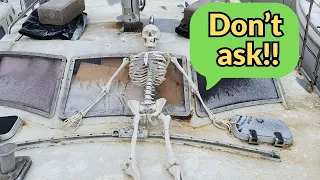
We Found 74 Bottles… Then Things Got REALLY Weird! 😳💀
🦜 Dear diary… This time my humans decided to tackle my bathroom… thinking it would be a nice, quick little winter project. HAHA. They clearly still hadn't learnt their lesson. 😂 Out came the old toilet, sink and cupboards, revealing 74 empty 2-litre bottles hidden inside a mysterious hole. W...
From Chaos to Dream Boat – A Steel Boat Transformation
🦜Hope you liked this short snippet of the longer video - please subscribe to follow us for more, it's free! If you think you know any previous owners of Parrot, please contact us via DM on Facebook or Instagram @sailing.project.parrot 🦜⚓ #SailingProjectParrot #BoatRestoration #SteelBoat #Boat...
Renovation Begins, Tools, Swearing & My Search for Origins
🦜Hope you liked this short snippet of the longer video - please subscribe to follow us for more, it's free! If you think you know any previous owners of Parrot, please contact us via DM on Facebook or Instagram @sailing.project.parrot 🦜⚓ #SailingProjectParrot #BoatRestoration #SteelBoat #Boat...
From Chaos to Beauty – A Sailboat Transformation Story
🦜Hope you liked this short snippet of the longer video - please subscribe to follow us for more, it's free! If you think you know any previous owners of Parrot, please contact us via DM on Facebook or Instagram @sailing.project.parrot 🦜⚓ #SailingProjectParrot #BoatRestoration #SteelBoat #Boat...
Boat Ropes & Mystery – What’s Really Lurking
🦜Hope you liked this short snippet of the longer video - please subscribe to follow us for more, it's free! If you think you know any previous owners of Parrot, please contact us via DM on Facebook or Instagram @sailing.project.parrot 🦜⚓ #SailingProjectParrot #BoatRestoration #SteelBoat #Boat...
Boat Makeover – From Filthy Storage to Dream Vessel!
🦜Hope you liked this short snippet of the longer video - please subscribe to follow us for more, it's free! If you think you know any previous owners of Parrot, please contact us via DM on Facebook or Instagram @sailing.project.parrot 🦜⚓ #SailingProjectParrot #BoatRestoration #SteelBoat #Boat...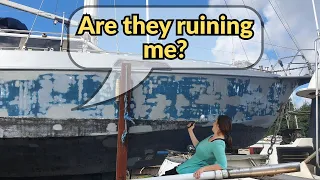
We Started Sanding the Hull… It Got WORSE! 😳|S1E4
🦜 Dear diary… welcome back! In this episode, my humans decide it’s finally time to tackle my hull… and honestly, I’ve never looked worse! 😩 What started as “just a bit of sanding” turned into rust, bare metal, barnacles, old paint, epoxy, wire brushes and A LOT of Graham suffering. Watch as they ...
37ft steel Sailboat (Reinke Super10) – My YouTube DEBUT!
⛵ Could you help solve the mystery of Parrot's past? This is a clip from our very 1st episode! 🔔 Subscribe for the full restoration journey (it's free!) Know a previous owner? DM us on Facebook or Instagram @sailing.project.parrot – every clue helps!