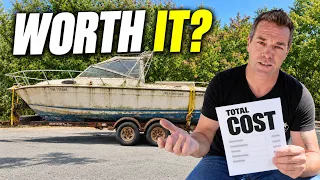
Our $15K Boat Ended Up Costing Nearly $30K
Ben and Ashley Stobbart prepare to haul their 24-foot powerboat out of the water along the British Columbia coast after a rugged summer navigating remote tidal inlets with their young children, Willa and Bodhi. Documenting their regional marine projects on Sailing Nahoa, the crew purchased the deep-V vessel for 15,000 Canadian dollars as a trailerable expedition craft, seeking dependable diesel range without incurring continuous in-water moorage fees or salt dock deterioration.
While the heavy hull and Volvo diesel delivered reliable performance throughout the Canadian wilderness, the final passage revealed looming mechanical vulnerabilities. An unexpected steering failure underway, coupled with severe corrosion throughout the boat’s haul-out running gear, quickly transformed an economical trailer boat concept into an intensive mechanical overhaul.
Power Steering Belt Failure in British Columbia Rapids
Navigating through surging coastal rapids, Ben noticed an escalating whining sound emerging from the engine compartment. Although topping up the hydraulic fluid provided temporary relief while the engine was warm, the high-stress run through the narrows suddenly threw the power steering drive belt off its pulleys.
Ben immediately pulled his spare parts inventory to carry out an emergency replacement on the water. However, unboxing the replacement revealed a significant dimension mismatch. As Ben explained while inspecting the components with his hand wrenches:
“The belt I have is 990 diameter… and the belt that came off there was 1190, so I think my belt is too small. We’ll try without power steering.”
With the 990 mm spare far too tight to span the bracket, Ben opted to run the remainder of the passage through coastal waters without hydraulic assist. Despite the heavy steering effort demanded by the deep-V hull, the vessel maneuvered safely past resting harbor seals feeding on salmon runs, carrying the family onward toward their home base on southern Vancouver Island.
Upgrading to a Galvanized Trailer in Victoria
Arriving back in Victoria just as Willa entered grade one and Bodhi started kindergarten, Ben confronted the most compromised link in his cruising strategy: the trailer. The original trailer supplied with the boat was severely stern-heavy and structurally degraded, posing serious highway risks. To establish safe towing autonomy, Ben purchased a used 2015 galvanized Tough Trailer rated for 7,000 pounds of carrying capacity for 7,000 Canadian dollars, a substantial discount compared to its 18,000-dollar retail price when brand new.
Towing the heavy dual-axle rig into Victoria presented immediate logistical hurdles. Fitting the 24-foot rig onto the residential driveway required precision parking, clearing the sidewalk by a razor-thin margin. Observing the tight fit, Ashley noted with relief:
“You cannot believe that fit in the driveway.”
With just 4 inches separating the trailer tongue from pedestrian traffic, the boat avoided commercial storage yards. However, closer forensic inspection of the galvanized trailer quickly dispelled any illusions of a simple turnkey upgrade.
Snapped Hardware and Escalating Trailer Expenses
Ben discovered that the Tough Trailer had been originally adjusted for a Double Eagle hull, whereas his Hourston featured a significantly deeper deadrise. When Ben attempted to loosen the bunk brackets to adjust them inward and upward, the seized steel fasteners sheared completely off under torque. Ben had to source replacement heavy-duty U-bolts totaling 360 Canadian dollars.
The running gear presented even steeper setbacks. Ben observed that while previous owners had installed newer brake calipers, the underlying rotors were heavily scaled with corrosion, and the Titan electric-over-hydraulic actuator reservoir contained disgusting, rust-contaminated brake fluid. Stripping the wheels for tire replacement snapped a manual breaker bar, prompting Ben to invest in a Milwaukee high-torque impact wrench. A snapped wheel stud added 40 Canadian dollars in replacement lugs and hardware.
Inspecting the trailer tires revealed a DOT date code from the 21st week of 2015. Hardened rubber and sidewall dry rot required immediate replacement. Ben spent 800 Canadian dollars outfitting all four wheels with new high-load tires and fresh stems. When the commercial estimate to replace the full electric-over-hydraulic brake assembly—including four calipers, four rotors, oil-bath hubs, and a new hydraulic pump—came in at 5,300 Canadian dollars, the trailer budget exploded. Ben reviewed the growing stack of invoices:
“The trailer I bought for 7,000 has now cost me 13,500 Canadian. That’s almost four times what I spent fixing the boat.”
| Expense Item | Cost (CAD) | Technical Scope |
|---|---|---|
| Used Tough Trailer | $7,000 | Galvanized dual-axle frame with 7,000 lb load rating |
| Commercial Tires | $800 | Four new high-load tires and valve stems replacing 2015 rubber |
| Bunk U-Bolts | $360 | Heavy-duty replacement U-bolts for hull deadrise adjustment |
| Wheel Hardware | $40 | Replacement wheel studs and lug nuts after sheared fastener |
| Brake System Overhaul | $5,300 | New rotors, calipers, oil-bath hubs, and electric pump quote |
| Total Trailer Investment | $13,500 | Full restoration cost to achieve roadworthy towing safety |
Combined with the 20,000 Canadian dollar boat acquisition plus parts that brought the vessel to 26,000 Canadian dollars, the total investment climbed to almost 40,000 Canadian dollars before final haul-out.
Assessing the 24-Foot Hourston and Mechanical Volvo Diesel
Despite the mounting financial investment, Ben defended the practical utility of the 24-foot Hourston platform for coastal British Columbia. Larger vessels spanning 27 or 30 feet require triple-axle trailers, oversized commercial tow vehicles, and legal width permits exceeding highway escort limits of 8 or 10 feet. At 24 feet, the boat incorporates an enclosed head, forward V-berth for family overnighting, cabin heating, and a sharp deep-V bow designed to pound through heavy West Coast chop.
The primary advantage of the craft centers around its propulsion system: a 2002 Volvo KAD43 diesel rated at 230 horsepower. Unlike modern common-rail engines governed by electronic control units and complex motherboards, the KAD43 is a fully mechanical workhorse. It combines a supercharger for low-end grunt with an exhaust turbocharger to cruise cleanly above displacement speeds of 6 knots.
While the family previously ran a Sea Ray 24 equipped with a 6.2 L gas Stroker engine, that platform lacked the long-range fuel efficiency necessary to explore remote wilderness inlets. With 800 operating hours logged, the Volvo diesel promises an operational lifespan between 3,000 and 5,000 hours, far outlasting a typical 1,000-hour gas engine overhaul threshold.
Starter Solenoid Troubleshooting and Final Winter Haul-Out
On haul-out day at the boat ramp, two separate electrical failures threatened to strand the vessel in the water. First, the electronic control module responsible for reading engine RPM and triggering the supercharger clutch at 1,700 RPM failed to actuate. More critically, turning the ignition key produced complete silence at the starter motor. Ben described the sudden electrical stall:
“When I turn on the key, the ignition, the gauges come up, but then when I turn the key, nothing.”
Rather than canceling the haul-out, Ben executed a vital field bypass. Reaching down to the rear starter motor, he bridged the primary positive battery post directly to the starter solenoid terminal using a screwdriver. The engine turned over instantly, prompting Ben to leave the diesel running continuously while Ashley piloted the boat toward the ramp and Ben backed the trailer into the water.
The initial loading attempt revealed that the trailer bunks were misaligned, pressing against the hull’s longitudinal lifting strakes. Ben re-submerged the trailer, allowing Ashley to gently reposition the hull until the bunks aligned cleanly and extended past the transom. With the Hourston secured onto the hard for the winter, Ashley reflected on the family’s seasonal exploration:
“Even after all the issues, granted, I’m not the one fixing it all, but I am the one supporting the fixer. I still love this boat.”
Stored safely on land in Victoria, the boat remains free from marine growth, barnacles, drive bellows rot, and dockside galvanic corrosion, ready for spring prawning runs along Vancouver Island.
Frequently Asked Questions
The total expenditure reached almost 40,000 Canadian dollars, comprising 26,000 CAD for the boat purchase and mechanical refit, and 13,500 CAD for the used Tough Trailer acquisition, new tires, hardware, and complete brake overhaul.
The existing power steering belt stretched and threw off the pulley underway. Ben attempted to fit an onboard spare belt measuring 990 mm diameter, but it was too small compared to the removed 1190 mm belt, requiring the crew to complete the voyage without power steering assist.
The used 2015 Tough Trailer required four new commercial tires for 800 CAD to replace cracked 2015 rubber, 360 CAD in replacement U-bolts after original fasteners sheared off during bunk adjustment, 40 CAD in wheel studs and nuts, and a 5,300 CAD professional brake replacement to address seized calipers, rusted rotors, and contaminated actuator fluid.
Ben bypassed the faulty ignition circuit by taking a screwdriver and bridging the gap between the positive red battery cable terminal on the starter motor and the solenoid terminal, instantly cranking the engine.
The vessel is powered by a 2002 Volvo KAD43 mechanical diesel generating 230 horsepower, equipped with a supercharger that kicks in at 1,700 RPM alongside an exhaust turbocharger to power through West Coast chop.
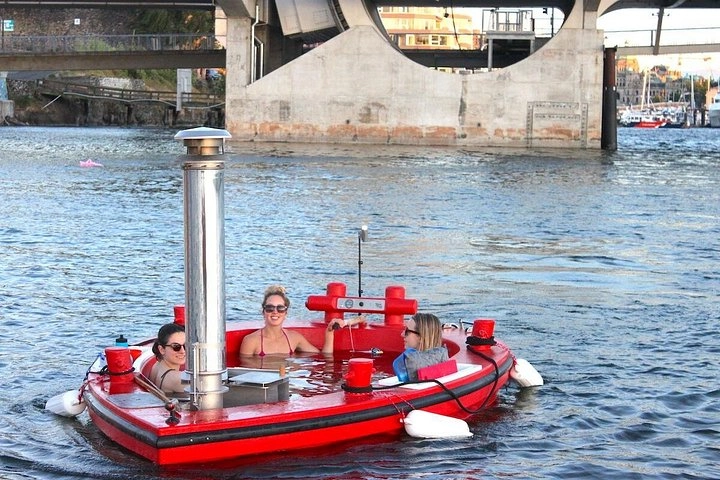
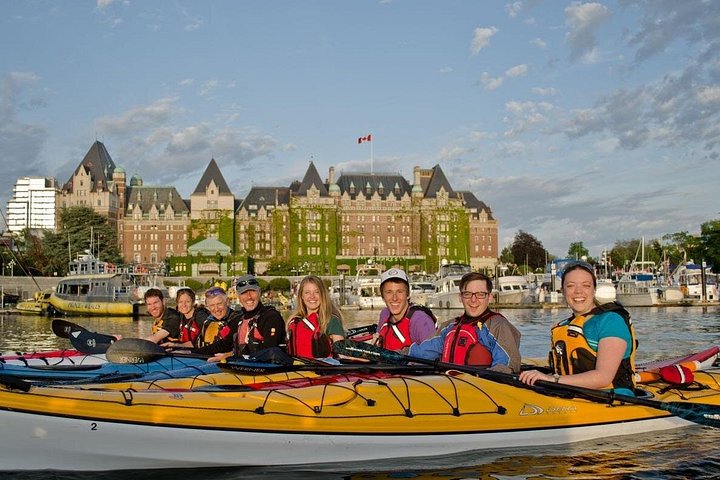
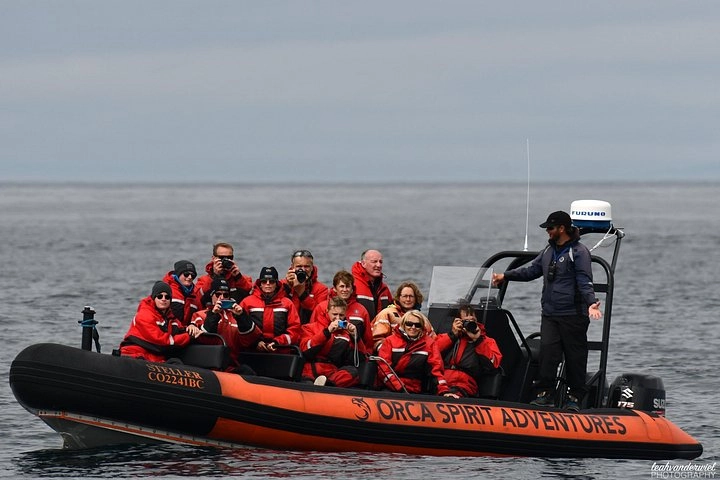
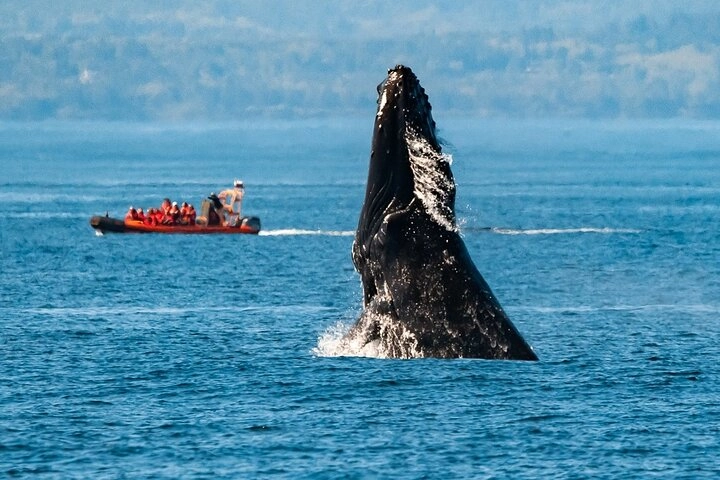
Book a trip where this was filmed — near Victoria
Support Sailing Nahoa
At WeBoating.com, we profoundly acknowledge the unwavering dedication that Sailing Nahoa invests in crafting each and every video or voyage. Their passion for delivering exceptional ocean content shines through every frame, and it's a labor of love that deserves your attention.
We invite you to watch their captivating videos here and actively engage with their content, including their social media links above. Liking, commenting, and sharing their work goes a long way in fueling their creative fire.
We're also inviting you to explore the gear, sponsorships, and boat partnerships highlighted in the "Our $15K Boat Ended Up Costing Nearly $30K" video description, or directly on YouTube. By engaging with these offerings or purchasing services and items, you directly support Sailing Nahoa, their collaborators, and the brands they're associated with.
To ensure you never miss an offshore update, consider visiting their official YouTube Channel to subscribe, like, and join their community directly.
If you have any feedback, corrections, or additional information about Sailing Nahoa or their videos, please use the comment form below to share your thoughts with us.
Thank you for being a part of our community and supporting the creators we cherish. Your time and support truly matter!
Thanks to LMNT for sponsoring this video! Get a FREE 8-count LMNT Sample Pack with any order at https://DrinkLMNT.com/NAHOA.
⛵ NAHOA YACHTS
Years of sailing and fixing boats are shaping what we’re building next: Nahoa M, our 57-foot aluminum expedition sailing catamaran. Specs, renders and enquiries:
https://www.nahoayachts.com/
⚓ SUPPORT THE ADVENTURE
Help us keep making these videos. Join us on Patreon for real-time updates, behind-the-scenes access and our private WhatsApp crew chat:
https://patreon.com/nahoa
SUBSCRIBE TO OUR NEWSLETTER:
https://sailingnahoa.substack.com
FOLLOW US ON INSTAGRAM:
https://www.instagram.com/sailingnahoa/
FOLLOW US ON FACEBOOK:
https://www.facebook.com/sailingnahoa
Stay Wild, Stay Free,
Ben. Ashley. Willa. Bodhi.
0:00 A $15,000 Gamble
1:18 The Hidden Cost of the Trailer
3:05 Engine Whining and Roadside Repairs
5:49 Upgrading to a Beefier Trailer
10:12 The Hidden Danger of Rusty Brakes
22:16 Emergency Starts and Final Haul-Out

Sailing Nahoa
Ben and Ashley Stobbart voyage with their daughter Willa on Sailing Nahoa, documenting South Pacific cruising aboard their Lagoon 410 catamaran. In late 2026, the Canadian family is concluding their cruising chapter in Fiji, selling their vessel to build the Nahoa 55 aluminum expedition yacht.
Channel Information:
Social Media Links:
Our $15K Boat Ended Up Costing Nearly $30K Location
- Victoria, British Columbia, Canada (48.4284,-123.3656)
- British Columbia, Canada (53.7266683,-127.6476206)
Latest Episodes from Sailing Nahoa
Explore the most recent voyages. Subscribe to the channel to never miss an update!
We Probably Just Sold Our Boat…
Ben and Ashley Stobbart clear out eleven years of belongings from their Lagoon 410 in Fiji as they prepare to transition to their custom aluminum expedition ketch, the Nahoa 55.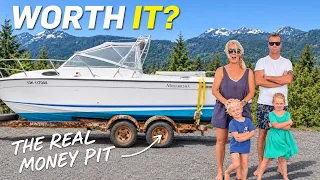
Our $15K Boat Ended Up Costing Nearly $30K
Ben and Ashley Stobbart tally the real expenses of their 24-foot Hourston project in British Columbia, detailing power steering belt failures, snapped trailer U-bolts, and unexpected brake overhaul quotes.
Nahoa M – Mechanical Space
Ben Stobbart details the aft cockpit mechanical space on the Nahoa M catamaran, featuring a swing-up door, standing headroom, and centralized machinery.
Why We Bought This Pocket Diesel Cruiser
Ben and Ashley Stobbart refit the electrical and bilge systems on their 2002 24-foot Monaro pocket diesel cruiser before taking their kids on a four-hour test run to Princess Louisa Inlet.