Sailor, Captain, Instructor and Entrepreneur. She's done it all!
The leap from weekend cruiser to licensed commercial skipper demands an uncompromising command of offshore meteorology, vessel engineering, and crew safety. In a technical maritime seminar with Sail Stillwater, hosted by voyagers Brian and Jillian, professional mariner Amanda Haley breaks down the realities of commanding charter yachts across the Americas. Holding a USCG Master Captain license, serving as an accredited ASA sailing instructor, and directing boutique charter operations, Haley embodies modern maritime leadership, bridging leisurely bareboating with serious bluewater seamanship.
Haley developed her seamanship through decades of coastal and offshore sailing, beginning on South Florida tidal waters with the Hillsboro Inlet Sailing Club. After racing pram dinghies and flying trapezes on Hobie 16s off Fort Lauderdale Beach, she stepped into liveaboard cruising. When a shore power arc destroyed her Hunter 355 at the Fort Lauderdale International Boat Show, she persevered, logging extensive offshore delivery passages—including open-ocean routes on a Swan 53 from Central America back to Florida—to secure her commercial maritime credentials.
Joining Sail Stillwater as Brian and Jillian explore catamarans like the Leopard 43, Lagoon 47, and Royal Cape 530, Haley delivers an authoritative masterclass. Her guidance demystifies commercial charter licensing, multihull heavy-weather dynamics, and transparent yacht sales platforms.
Transitioning From Recreational Cruising to Commercial Master Credentials
During the technical briefing with Sail Stillwater, Amanda Haley underscores that any aspiring Charter Captain seeking to master Caribbean Navigation must recognize the immense gulf separating recreational bareboating in Tortola and the British Virgin Islands from licensed commercial operations extending southward toward St. Vincent and the Grenadines. While bareboat charterers sail under charter base waivers, a commercial master carries legal and operational responsibility for passenger safety, vessel seaworthiness, and international maritime compliance.
Earning a USCG 50-Ton or 100-Ton Master Near Coastal license requires documenting 720 days of verified sea service, with at least 360 days logged on ocean or near-coastal waters. The USCG examination evaluates advanced navigation plotting, COLREGS International Rules of the Road, shipboard fire fighting, deck seamanship, and medical emergency response. Candidates must also pass DOT maritime physicals, complete drug screenings, hold a TWIC card, and maintain an FCC Marine Radio Operator permit.
Haley also highlights the value of American Sailing Association instructional ratings. Progressing through ASA 101, 103, 104, 105, 106 (Advanced Coastal Cruising), and ASA 114 (Cruising Multihull) equips skippers with structured methodologies to train amateur charterers, handle close-quarters docking under single-engine failure, and lead effective crew safety briefings.
Heavy-Weather Seamanship and Caribbean Channel Navigation
In her detailed dialogue with Sail Stillwater, Amanda Haley illustrates why a seasoned Charter Captain must cultivate specialized Caribbean Navigation skills when breaking away from the landlocked protection of Tortola and the British Virgin Islands to negotiate the turbulent deep-water channels flanking St. Vincent and the Grenadines. Beyond the calm, protected reaches of the Sir Francis Drake Channel, crossing the Eastern Caribbean exposes vessels to open North Atlantic trade wind swells and unpredictable compression squalls.
Inter-island passages such as the Anegada Passage, Martinique Channel, and Bequia Channel demand meticulous routing. As Atlantic trade winds meet steep submarine drop-offs, ocean swells compress into steep, short-period seas. Furthermore, high volcanic peaks like Mount Pelée on Martinique and La Soufrière on Saint Vincent generate violent katabatic winds and Venturi acceleration corridors. Trade winds funneled through island valleys can transform a calm twenty-knot breeze into a thirty-five-knot gale within seconds, catching unreefed vessels off guard.
Managing cruising catamarans in these channels requires techniques distinct from monohulls. Because catamarans maintain high initial form stability and do not heel to spill wind pressure, aerodynamic loads transfer straight to the standing rigging and bridgedeck structure. Haley emphasizes reefing strictly to polar load charts and apparent wind velocity rather than helm feel. Tucking in the first reef at eighteen knots and the second reef by twenty-two knots prevents catastrophic rig failure during heavy beam-sea crossings.
Caribbean Charter Passage Vitals and Navigation Matrix
Addressing passage planning parameters alongside Sail Stillwater, Amanda Haley outlines the technical matrix every professional Charter Captain must calculate during Caribbean Navigation, contrasting the benign island hops surrounding Tortola and the British Virgin Islands against the demanding offshore passages leading into St. Vincent and the Grenadines. A comprehensive passage plan accounts for channel distances, prevailing sea states, tidal sets, and required skipper competencies.
| Cruising Passage & Region | Distance & Sea State | Primary Navigational Hazards | Minimum Skipper Credential | Recommended Vessel & Reefing Profile |
|---|---|---|---|---|
| Sir Francis Drake Channel British Virgin Islands | 10–15 NM Sheltered chop (1–3 ft) | Ferry traffic, mooring field congestion, shallow reef bommies | ASA 104 Bareboat Recreational Skipper | 40–45ft Catamaran / Monohull; full sail in 15kt trade winds. |
| Anegada Passage BVI to St. Martin | 80–90 NM Atlantic swell (6–10 ft) | Strong equatorial set, adverse leeway, isolated squall lines | USCG 50-Ton Master Offshore Certification | 45–50ft Bluewater Cruiser; double-reefed main and staysail pre-set. |
| Martinique Channel Dominica to Martinique | 22–26 NM Confused beam seas (5–8 ft) | Katabatic downdrafts off Mount Pelée, commercial shipping | USCG 100-Ton Master ASA 106 Advanced Coastal | 44–48ft Performance Catamaran; first reef at 18kt, storm jib ready. |
| Bequia Channel St. Vincent to Bequia | 10–14 NM Short steep swell (6–9 ft) | Venturi acceleration, severe tidal sets, leeward wind shadows | USCG 100-Ton Master ASA 114 Multihull Endorsement | 46–54ft Cruising Catamaran; second reef set before clearing Kingstown. |
| Placencia to Barrier Reef Southern Belize | 25–35 NM Lagoon to outer barrier reef | Uncharted coral heads, shifting shoals, narrow reef cuts | Local Commercial Captain ASA 104 with Local Guide | 42–50ft Shallow-Draft Catamaran; visual piloting with overhead sun. |
Navigating between these regions illustrates how passage dynamics change once skippers leave landlocked sounds. Volcanic lee shores can create a deceptive calm, tempting crews to carry full sail until emerging past headlands directly into thirty-knot winds. Haley advises setting conservative sail plans before departing sheltered anchorages, ensuring balanced helm authority across exposed channels.
Marine Entrepreneurship, Fleet Operations, and Industry Leadership
Examining the business of yacht management with Sail Stillwater, Amanda Haley explains that succeeding as an independent Charter Captain demands a balance of executive acumen and meticulous Caribbean Navigation, whether dispatching luxury yachts from Tortola and the British Virgin Islands or managing boutique fleets among the remote anchorages of St. Vincent and the Grenadines. A viable maritime enterprise requires proactive maintenance, transparent brokerage models, and uncompromising safety protocols.
Operating Placencia Yacht Charters in Belize, Haley developed a captained-only fleet model to safeguard yacht assets while delivering authentic guest adventures. Navigating fragile barrier reef ecosystems requires intimate local knowledge. By placing experienced local captains on every charter, the company eliminates costly groundings on uncharted shoals, reduces client stress, and grants access to pristine marine reserves. Combining expert piloting with high-end culinary service from local chefs elevates the boutique charter experience.
Haley also applies her industry expertise to boat sales through Current Yachts and the FSBO (For Sale By Owner) boat transaction platform, co-founded with Marilyn Boasser. Offering an alternative to rigid ten-percent brokerage fees on vessels under $250,000, the platform provides verified identity security, escrow integration, and artificial intelligence survey analysis tools. Furthermore, Haley actively mentors aspiring female mariners, demonstrating how technical skill, licensing rigor, and business innovation create successful commercial careers in yachting.
Frequently Asked Questions
Reviewing the operational insights shared between Amanda Haley and Sail Stillwater delivers actionable guidance for any mariner striving to serve as a commercial Charter Captain, master complex Caribbean Navigation, and plan rewarding cruising itineraries beyond Tortola and the British Virgin Islands into the stunning expanse of St. Vincent and the Grenadines.
Commercial skippers on US vessels require a USCG Master Captain license (50-Ton or 100-Ton Near Coastal). Requirements include 720 days of sea service (360 days in ocean or coastal waters), passing written exams on Navigation Rules, chart plotting, and deck safety, plus holding a TWIC card, CPR/First Aid certification, DOT medical clearance, and an FCC Marine Radio Operator permit.
While Tortola and the British Virgin Islands offer sheltered cruising with abundant mooring fields, southern destinations like St. Vincent, the Grenadines, and Belize feature open-ocean channel sailing, isolated anchorages, vibrant barrier reefs, and authentic culture away from crowded commercial charter hubs.
Because catamarans resist heeling due to wide beam stability, wind loads transfer directly to the mast and standing rigging. Skippers must reef proactively based on apparent wind velocity (first reef at 18 knots) and polar load tables rather than waiting for heel angles, avoiding severe structural stress.
High volcanic peaks like Mount Pelée on Martinique and La Soufrière on Saint Vincent generate strong katabatic downdrafts and Venturi compression corridors. Trade winds funnel through mountain passes and around capes, abruptly escalating 20-knot breezes into 35-knot squalls without cloud warnings.
Navigating intricate barrier reef systems with uncharted coral heads and shifting shoals carries high grounding risks. Mandating local commercial captains protects high-value yacht assets, relieves guest anxiety, and ensures seamless navigation to secluded anchorages and premium diving sites.
Female sailors can advance by building verified offshore delivery sea time, completing progressive ASA instructional ratings through Advanced Coastal Cruising, obtaining USCG Master Captain credentials, and developing strong hands-on skills in marine diesel engines, onboard electrical diagnostics, and fleet management.
Support Sail Stillwater
At WeBoating.com, we profoundly acknowledge the unwavering dedication that Sail Stillwater invests in crafting each and every video or voyage. Their passion for delivering exceptional ocean content shines through every frame, and it's a labor of love that deserves your attention.
We invite you to watch their captivating videos here and actively engage with their content, including their social media links above. Liking, commenting, and sharing their work goes a long way in fueling their creative fire.
We're also inviting you to explore the gear, sponsorships, and boat partnerships highlighted in the "Sailor, Captain, Instructor and Entrepreneur. She's done it all!" video description, or directly on YouTube. By engaging with these offerings or purchasing services and items, you directly support Sail Stillwater, their collaborators, and the brands they're associated with.
To ensure you never miss an offshore update, consider visiting their official YouTube Channel to subscribe, like, and join their community directly.
If you have any feedback, corrections, or additional information about Sail Stillwater or their videos, please use the comment form below to share your thoughts with us.
Thank you for being a part of our community and supporting the creators we cherish. Your time and support truly matter!
Planning a Caribbean sailing charter? We chat with Amanda Haley about finding the perfect destinations beyond the BVI. Amanda is profesional in the yachting industry and has built quite a reputation as a sailor, licensed Captain, entrepreneur, broker and owner of Placencia Yacht Charters.
Whether you are interested in specific catamaran sailing routes or just want to avoid the crowds, this conversation offers a fresh perspective on how to plan your next escape. We explore what goes into successful sailboat chartering when you choose to venture outside of the Bahamas or the British Virgin Islands.
From logistics to choosing the right vessel, we cover the essentials to help you feel confident about heading to remote Caribbean waters. It is all about finding the right balance between adventure and comfort on the water.
Subscribe for more episodes on the sailing lifestyle and leave a comment telling us your dream destination for your next sailing vacation!
Links:
https://currentyachts.com/
https://www.facebook.com/currentyachts
https://www.instagram.com/currentyachts/
https://placenciayachtcharters.com/
https://www.facebook.com/profile.php?id=61573846231894&ref=1
https://www.instagram.com/placenciayachtcharters/?next=%2F&hl=en
https://fsboat.com/
https://www.facebook.com/fsboat
https://www.instagram.com/fsboat

Sail Stillwater
Thank you for finding your way to our channel! We are Jillian and Brian from Stillwater, Oklahoma. We are a blue collar couple who enjoy traveling as much as our bank account and busy lives will allow. We love turquoise water, rum, and every place in the Caribbean that we have dipped our toes into. We have a passion for sailing and in our downtime you will find us on a charter somewhere with our friends and family. We started our channel to document our travels and share our love of sailing and travel. We are working hard on our retirement plan to purchase our own catamaran and set sail for the Caribbean! Start our own charter business and supplement our retirement by providing people the opportunity to relax or to live like a modern day pirate on board our boat, while we show them around the paradise we have came to love. I hope we can enjoy an umbrella drink with you sometime in the future. Cheers! https://www.youtube.com/channel/UCBusRK4UPRVsEOzvz3Zpvpw?sub_confirmation=1
Channel Information:
Social Media Links:
Sailor, Captain, Instructor and Entrepreneur. She's done it all! Location
- Port Purcell & Road Town Harbour Fairway, Tortola, British Virgin Islands (18.425,-64.615)
- Admiralty Bay & Bequia Channel, St. Vincent and the Grenadines (13.005,-61.24)
Latest Episodes from Sail Stillwater
Explore the most recent voyages. Subscribe to the channel to never miss an update!
There was a sailing club in our backyard, and we didn’t even know it!
In this video we might just be starting our best sailing adventure yet! We are leaving the Caribbean behind, and joining the Oklahoma State Sailing Club right in our own little community of Stillwater, Oklahoma. As it turns out anyone in the community can become a member, not just college students...
Our best sailing moments changed us. Here’s why!
Join us as we sit down and compile our favorite sailing moments from our sailing adventures into one video. From island hopping in paradise to building miles sailing the North Atlantic, we show you some of our best moments on the water. Our first sailing moment was from our first sailing school ...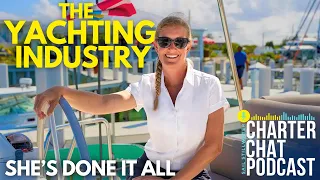
Sailor, Captain, Instructor and Entrepreneur. She’s done it all!
USCG Master Captain Amanda Haley joins Sail Stillwater to break down Caribbean navigation, charter captain licensing, inter-island channel crossings beyond Tortola, and seamanship throughout St. Vincent and the Grenadines.
We’re headed back to Annapolis for the Sailboat Show! #annapolis #cruiserscreatingcontent #boatshow
The mother of all sailboat shows is just a few weeks away and we are going! The Annapolis Sailboat show coming up October 15th-18th, and we are going! We are excited to see the new boats as well as hang out the cruisers creating content booth sponsored by the Young Cruisers Association.