Sailing charters don't have to be slow!
Brian and Jillian of Sail Stillwater sit down with offshore captain and sailing instructor Jack Karger of Vagabonde Adventures to break down multihull design, sail handling, and performance catamaran charters. Having logged more than 100,000 miles under sail across transatlantic crossings, rallies, and deliveries, Jack evaluates why lightweight multihulls transform cruising compared to heavy production charter catamarans.
The conversation centers on vessel responsiveness and operational compromises. Brian and Jillian first sailed with Jack in 2019 during sailing school. Reconnecting ahead of the Annapolis Boat Show, the crew reviews how rig geometry, helm feedback, and daggerboard engineering directly influence offshore safety and light-air sailing.
Performance Catamarans Versus Production Multihulls
Modern bareboat charter fleets feature high-volume production catamarans from builders such as Bali and Lagoon. While these platforms maximize accommodations and flybridges, the design introduces operational trade-offs. Elevated flybridges force designers to mount the boom high above the deck, elevating the center of effort and inducing rolling motion. High booms also complicate mainsail flaking and reefing.
In contrast, performance cruising catamarans such as the Outremer series prioritize sailing geometry and balance. Explaining the design focus, Jack emphasizes that “things are thought out by sailors and designed for sailing.” Lower booms keep the center of power low, stabilizing the catamaran and allowing shorthanded crew to manage lines without climbing aloft.
Bridgedeck clearance and forward deck construction also mark a critical dividing line. Production cats often replace forward trampolines with solid composite cockpits or sunpads, which catch rising water and suffer violent bridgedeck slamming in steep head seas. Performance multihulls retain expansive forward trampoline nets and generous bridgedeck clearance, allowing swells to pass freely underneath without slamming the bridgedeck structure or jarring off-watch crew.
Steering Feedback and Helm Dynamics
Steering responsiveness dictates passage comfort and safety off the wind. Production catamarans typically rely on hydraulic steering routed across long hose runs from flybridge helms down to distant rudders. This arrangement eliminates tactile pressure and water movement feedback, leaving the helmsperson isolated from the forces acting on the foils.
Outremer catamarans address helm communication through direct mechanical linkages. Alongside low-friction cable wheels positioned close to rudder stocks, the vessels feature aft carbon fiber tiller stations. As Jack describes the setup: “we have carbon fiber tillers you sit in like a racing bucket chair and that goes direct to the rudder.” Direct tiller connection provides instantaneous feedback, enabling the helmsman to feel foil trim, balance gusts, and steer precisely without overcontrolling.
Performance Catamaran Operational Specifications
| Vessel or Platform | Operational Metric | Sailing Context |
|---|---|---|
| Outremer 45 catamaran | 45-foot waterline | Performance cruising catamaran utilized for ASA instruction and charters |
| Outremer 52 catamaran | 52-foot flagship | Cruising catamaran providing luxury accommodation and high-speed passages |
| Light-wind sailing speed | 9 knots under sail | Catamaran matches true wind speed up to 9 knots without starting engines |
| Sea of Abaco soundings | 10 feet water depth | Protected navigation inside barrier islands sheltering hulls from ocean swell |
| ARC transatlantic rally | 8th place finish | Offshore rally passage across the Atlantic Ocean competing in cruiser division |
Light-Wind Sailing and Passage Efficiency
A common frustration on bareboat charters is motoring whenever breezes lighten. Heavy displacement multihulls generate substantial drag, forcing charterers to start diesel engines whenever true wind drops below 10 knots.
Performance cruising catamarans excel in light air due to reduced displacement, fine entries, and efficient daggerboards. Jack highlights that “we can match true wind speed up to about 9 knots of true wind speed.” By hoisting a gennaker on the bowsprit, crews sustain sailing speeds between 8 and 9 knots while neighboring yachts motor. When winds build, the multihulls cruise at speeds between 20 and 25 knots without excessive leeway, speeding passage between anchorages.
Cruising Grounds of the Abacos and Fleet Operations
Vagabonde Adventures operates out of Marsh Harbor in the Abaco Islands of the Bahamas. The Sea of Abaco provides an ideal cruising environment, protected by barrier cays where soundings remain shallow and clear. As Jack notes: “you can sail in what is it like 10 ft of water.” Crews sail briskly over calm flats with visible sandy bottom, completely isolated from rolling offshore seas.
Marsh Harbor offers direct flights arriving in 50 minutes from Miami. Crews depart the marina and reach protected anchorages such as Tulu Pond within 45 minutes of setting out. Open ocean cuts between cays provide 15-minute access to Atlantic swells and deep-sea fishing before returning to calm island anchorages.
Beyond vacation charters, the operation delivers ASA sailing certifications alongside experiential performance instruction. Operating an Outremer 45, an Outremer 52, and introducing an Outremer 48 demo platform, the program pairs professional skippers and chefs to maintain five-star standards, proving that cruising multihulls deliver speed and sailing pleasure without sacrificing safety.
Frequently Asked Questions
Performance catamarans like Outremer utilize low-friction cable steering and transom carbon fiber tillers connected directly to rudder stocks, avoiding hydraulic lag common on flybridge multihulls.
Lower booms bring the sail plan center of effort closer to the water to eliminate rolling motion and simplify reefing, while daggerboards reduce leeway and allow vessels to match true wind speeds up to 9 knots in light air.
The Abacos feature protected barrier islands where sailors navigate calm 10-foot waters within 45 minutes of Marsh Harbor, with direct ocean cuts allowing easy access to Atlantic swells.
Vagabonde Adventures provides ASA certification programs alongside experiential performance catamaran training and charter holidays in the Bahamas and the Mediterranean.
Book a trip where this was filmed — near Grand Bahama Island

Support Sail Stillwater
At WeBoating.com, we profoundly acknowledge the unwavering dedication that Sail Stillwater invests in crafting each and every video or voyage. Their passion for delivering exceptional ocean content shines through every frame, and it's a labor of love that deserves your attention.
We invite you to watch their captivating videos here and actively engage with their content, including their social media links above. Liking, commenting, and sharing their work goes a long way in fueling their creative fire.
We're also inviting you to explore the gear, sponsorships, and boat partnerships highlighted in the "Sailing charters don't have to be slow!" video description, or directly on YouTube. By engaging with these offerings or purchasing services and items, you directly support Sail Stillwater, their collaborators, and the brands they're associated with.
To ensure you never miss an offshore update, consider visiting their official YouTube Channel to subscribe, like, and join their community directly.
If you have any feedback, corrections, or additional information about Sail Stillwater or their videos, please use the comment form below to share your thoughts with us.
Thank you for being a part of our community and supporting the creators we cherish. Your time and support truly matter!
In this episode of the Charter Chat Podcast we chat with Jack Karger with Vagabonde Adventures. Jack explains the difference between performance cruising catamarans from production boats, and how the right boat can transform a sailing holiday.
Jack shares his journey from an unexpected Atlantic crossing to sailing instruction and charter work, and how he and his partner Etta built Vagabond Adventures. The conversation covers sailing in the Abacos, Croatia, and Greece; hands-on catamaran training; and the realities of running a high-quality charter business.
In this episode:
Why boat design, steering feedback, and sail handling matter
What light-wind performance can mean for a charter
Why Jack loves the Abacos as a sailing destination
How Vagabond Adventures combines holidays, sailing instruction, and ASA certification
What it takes to build a charter business and deliver a great guest experience
Jack’s path through Sailing La Vagabond, Sailing Virgins, and beyond
Whether you’re planning a sailing holiday, learning to sail, or curious about performance catamarans, this episode offers an inside look at the boats, places, and people that make time on the water memorable.
www.vagabondeadventures.com
Sail Stillwater
In 2026, Sail Stillwater follows Brian and Jillian, a blue-collar couple from Stillwater, Oklahoma, pursuing their retirement dream of catamaran ownership and Caribbean chartering. Exploring turquoise anchorages across the BVI, reviewing electric boats like the Smart Cat S280, and hosting Charter Chat, the couple proves landlocked sailors can master the sea.
Channel Information:
Social Media Links:
Sailing charters don't have to be slow! Location
- Marsh Harbour Base, Great Abaco, Bahamas (26.5417,-77.0636)
- Tilloo Pond Anchorage, Tilloo Cay, Bahamas (26.4714,-76.9928)
- Great Guana Cay, Abaco Islands, Bahamas (26.6631,-77.1189)
- Annapolis Harbor, Maryland (38.9784,-76.4922)
Latest Episodes from Sail Stillwater
Explore the most recent voyages. Subscribe to the channel to never miss an update!
Let’s go on board the Smartest catamaran in the world! Smart Cat S280
Sail Stillwater tours the Smart Cat S280 catamaran in Annapolis, highlighting its 28-foot length, 3-foot draft, and 900 watts of hardtop solar.
Let’s Regatta. But first, we dinghy it up in south Texas!
Brian lands in Houston to help William Cox collect a Mantus rigid dinghy, mount an outboard motor, and prepare Sea Ox in Freeport for the upcoming Harvest Moon Regatta passage down the Texas coast.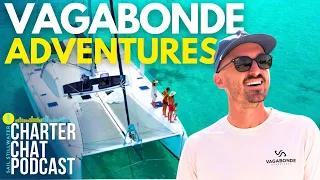
Sailing charters don’t have to be slow!
Brian and Jillian of Sail Stillwater interview Jack Karger of Vagabonde Adventures on operating Outremer performance catamarans in the Abaco Islands, sail training ergonomics, and multihull helm dynamics.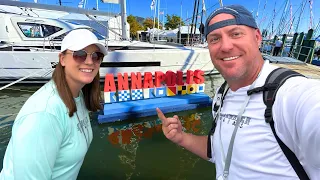
This sailboat show is more about PEOPLE, than BOATS. Prove us wrong
Brian and Jillian from Sail Stillwater attend the Annapolis Boat Show, connecting with cruising creators, touring new catamarans, and catching up with friends on the docks.