The road back to boat work: drywall in the bunker. Ep. 702
Preparing his North Carolina homestead workshop to resume boatbuilding on his sailboat Spiffy, Mads of Sail Life focused on completing the subterranean bunker structure. Establishing a dedicated office and climate-controlled server room required wrapping up electrical rough-ins, heavy conduit runs, and hanging sound-dampening drywall before freezing winter temperatures arrived:
“Before we can get back to Boat Work, I do want to get the bunker at least in a shape where we can start moving in there so we can start reaping the benefits of having a nice office and a dedicated server room.”
Powering the bunker facility centers on dual MultiPlus 5000 inverter-chargers. To handle high current draw, Mads installed an eight-by-eight junction box and ran heavy two-gauge and four-gauge wire. Backing the heavy inverter equipment required mounting three-quarter-inch plywood backing plates securely between structural wall studs, providing sturdy anchoring directly behind the drywall.
Wiring the interior lighting presented unexpected puzzles. After pulling fourteen-two Romex cable through wall studs to a modern flush ceiling lighting channel, Mads realized fourteen-three wire would have been preferable to switch lights independently. Working through preexisting stud penetrations, he routed lines to the main entrance switch box while planning an enclosure to house transformers for low-voltage LED circuits.
Drilling Concrete Walls and Exterior Lighting Runs
To supply power for exterior wall sconces and recessed fixture boxes, Mads penetrated the eight-inch solid concrete bunker walls. While smaller anchor holes were handled with cordless drills, penetrating the thick aggregate required a heavy-duty corded SDS rotary hammer drill powered by a portable Bluetti power station.
Checking the exterior alignment with a laser level revealed that the front corner had settled slightly into the hillside during foundation curing. Setting the fixtures at a uniform physical offset from the concrete slab, Mads used a four-inch core hole saw to bore recessed circular openings. He secured the metal electrical boxes inside the core penetrations using hydraulic water-stop cement pressed firmly into the gaps. Outside, Mads tied in an exterior weather-resistant convenience outlet along the wooded approach path, fulfilling Ava’s suggestion to illuminate the dark woodland trail leading up to the bunker at night.
Scribing Airlock Meranti Plywood and Spray Foam Thermal Insulation
At the building entrance, Mads constructed a dedicated weather airlock entryway. Rather than hanging exterior siding, he fitted high-grade marine timber to produce a clean architectural finish:
“This is marine grade Miranti plywood. Rather than putting up some kind of siding in our little air lock, I’m going to either paint it or coat it with a clear polyurethane.”
Carefully scribing the panels to accommodate an eight-millimeter clearance gap at the ceiling and floor prevented moisture wicking from the slab. With the marine plywood fastened using construction adhesive and eighteen-gauge finish nails, Mads warmed his polyurethane spray foam canister in the sun to achieve ideal expansion temperature. Applying the expanding foam into the wall cavity yielded an R21 insulation rating in the airlock that combines with dense mineral wool batting to reach R29 across the bunker structure.
Hanging Five-Eighths Drywall and Preparing for Spiffy’s Arrival
Inside the server room, Mads installed dense five-eighths-inch (sixteen-millimeter) sound-isolating drywall over mineral wool insulation to prevent server cooling fan noise from transferring into the adjoining office space. Trimming openings for electrical boxes with a rotary drywall tool, he secured the sheets ahead of upcoming joint compound application. Because water-based joint compound cannot cure properly in freezing weather, maintaining an enclosed, heated environment was paramount. To fit the bunker’s non-standard seventy-nine-inch rough entrance opening, Mads placed a special order for a custom exterior door while installing temporary plywood cladding.
With drywall hung, wiring organized inside junction boxes, and cleanups completed around the yard, Mads confirmed that Spiffy is officially scheduled to move onto the property in two days. Having the bunker prepped ensures all technical office systems are established as major boat restoration operations kick off.
Frequently Asked Questions
The bunker is powered by dual MultiPlus 5000 inverter-chargers fed through an 8×8 junction box with 2-gauge and 4-gauge heavy electrical wiring.
He installed 5/8-inch (16 mm) drywall over mineral wool insulation to provide high acoustic dampening, keeping server fan noise from entering the office.
Mads scribed marine-grade Meranti plywood, sealed with polyurethane and spray foam insulation to create an R21 moisture-resistant entryway.
With the bunker prepped, Spiffy is scheduled to be moved directly to the North Carolina property two days after the bunker wiring was completed.
Book a trip where this was filmed — near West Virginia



Support Sail Life
At WeBoating.com, we profoundly acknowledge the unwavering dedication that Sail Life invests in crafting each and every video or voyage. Their passion for delivering exceptional ocean content shines through every frame, and it's a labor of love that deserves your attention.
We invite you to watch their captivating videos here and actively engage with their content, including their social media links above. Liking, commenting, and sharing their work goes a long way in fueling their creative fire.
We're also inviting you to explore the gear, sponsorships, and boat partnerships highlighted in the "The road back to boat work: drywall in the bunker. Ep. 702" video description, or directly on YouTube. By engaging with these offerings or purchasing services and items, you directly support Sail Life, their collaborators, and the brands they're associated with.
To ensure you never miss an offshore update, consider visiting their official YouTube Channel to subscribe, like, and join their community directly.
If you have any feedback, corrections, or additional information about Sail Life or their videos, please use the comment form below to share your thoughts with us.
Thank you for being a part of our community and supporting the creators we cherish. Your time and support truly matter!
🔋 You can grab the Apex 200 here: https://bit.ly/4eHZ7bE and use my code SAIL5OFF to save! Plus, don't miss out on Bluetti's Black Friday deals: https://bit.ly/4fASsQN
#BLUETTI #APEX200 #BlackFriday #SolarGenerator
** Links and contact information **
My email address is [email protected]
For sponsor deals, please use this email: [email protected]
Amazon wishlist: https://www.amazon.com/hz/wishlist/ls/2NJUK30IBFWO1
Sail Life website:
https://www.saillifechannel.com/
Sail Life on Patreon:
http://bit.ly/SailLifeOnPatreon
Sail Life on Instagram:
https://www.instagram.com/saillife_
Sail Life on Facebook:
http://bit.ly/SailLifeOnFacebook
Sail Life on Twitter:
http://bit.ly/SailLifeOnTwitter
TotalBoat:
https://www.totalboat.com/saillife
Athena on No Foreign Land:
https://www.noforeignland.com/boat/saillife

Sail Life
From the 'Oh Glorious Sanding' of SV Athena to the resurrection of a hurricane-damaged Antares 44, Mads Dahlke of Sail Life defines DIY boat refitting gold.
Channel Information:
Social Media Links:
The road back to boat work: drywall in the bunker. Ep. 702 Location
- Sail Life Workshop Bunker (35.7596,-79.0193)
Latest Episodes from Sail Life
Explore the most recent voyages. Subscribe to the channel to never miss an update!
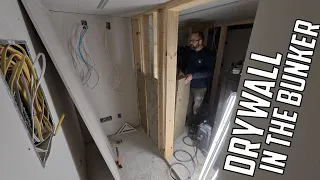
The road back to boat work: drywall in the bunker. Ep. 702
Sail Life finishes wiring, drywall, and marine Meranti plywood in the bunker workshop, prepping the space to resume boat work on Spiffy.
Antigravity roof check
Mads Dahlke uses an aerial drone to inspect his house roof after discovering summertime ceiling moisture, checking metal surfaces and flashing for water damage.
Antigravity A1 360 drone – Roof issue & dingy adventure
Mads Dahlke tests the Anti Gravity A1 360 drone for structural roof inspections and attic diagnostics, then tracks his dinghy exploring Danish creeks.
Medium to small size human vs smoke detector
Mads evaluates interconnected X-Sense smoke and carbon monoxide detectors, showing how two clicks silence linked alarms to quickly identify which unit detected hazards.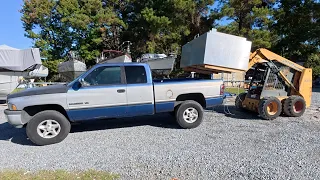
The road back to boat work: Big oven on the move & wiring the bunker. Ep. 701
Mads Dahlke relocates the heavy composite curing oven, clears the staging footprint under SV Spiffy, and installs in-wall electrical circuits and network cabling inside the concrete bunker workshop ahead of the catamaran road move.