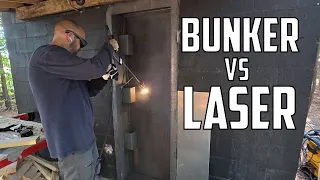
The road back to boat work: Big oven on the move & wiring the bunker. Ep. 701
At the staging grounds along the creek, Mads Dahlke coordinates the physical relocation of workshop equipment and clears the ground footprint beneath SV Spiffy, the 44-foot hurricane-damaged Antares catamaran project featured on Sail Life. With road transport permits in progress, the immediate priority centers on clearing heavy tooling and materials stored under the hulls before the wide-load hauling crew can access the vessel.
Before the catamaran can travel across the county to the permanent homestead property, two major operational fronts demand attention: clearing the creek staging yard and outfitting the homestead concrete bunker workshop with reliable electrical distribution, backup power circuits, and high-speed network infrastructure.
Moving the Composite Curing Oven
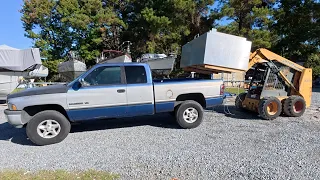
The first heavy equipment hurdle involves moving the massive custom composite curing oven built for post-curing fiberglass panels and composite components. Having sat outdoors beneath the boat through the winter, the human-sized oven remained undamaged, eliminating the necessity for its exterior counterweight structure at the new installation site. Using a skid steer, Mads hoisted the assembly onto the flatbed of a 30-year-old truck, only to discover the unit was facing the wrong direction for offloading.
After setting the oven down and rotating it with the skid steer, Mads secured the chassis with three ratchet straps to guarantee stability during the 20-minute road transit to the homestead. The destination positioned the oven between two storage shipping containers, allowing a narrow clearance of about 1 foot on either side.
Unloading the assembly presented significant mechanical challenges due to its estimated weight of around 200 kilos or 440 lb. With Ava assisting on site, Mads rigged a heavy 6×6 timber post and a chain hoist across the container opening. Although the oven momentarily snagged on the truck bed during extraction, the team brought it to the ground intact:
“This might get a little bit sketchy, but I assure you no ovens were harmed during the filming of this video.”
Staging Yard Clearance and Container Workshop Heating
Returning to the staging footprint beneath SV Spiffy, Mads cleared out eight large plastic storage containers along with assorted resin chemistry from the adjoining plastic shed, transferring all supplies into a storage container. By removing the material, the crew established clear access to the catamaran hulls, ensuring that future laminating work can proceed without maneuvering around support gear.
At the homestead workshop, attention shifted to managing workspace climate and communications. Friend Chad provided a heavy cast-iron wood-burning stove to heat the primary workshop. Because the rear window geometry of the CRV prevented a direct overhead lift from the entrance hoist eye, Mads rigged support straps around the car pillars to slide the cast-iron stove smoothly down onto a wooden pallet.
To maintain acceptable working temperatures across the oncoming cold weather, Mads reattached the reverse-cycle mini-split heat pump serving the shipping container workshop. Connecting the unit restored climate control to the structural enclosure, while an existing household router bridged temporary wireless data:
“The default Spectrum Wi-Fi router just barely reaches the shipping container, so we can reuse our old hardware to provide Wi-Fi inside of the container.”
Residential Safety and Sensor Modernization
Inside the homestead residence, Mads addressed domestic life safety ahead of deeper technical renovations. Having occupied the dwelling for roughly 4 months, the household had experienced nuisance false alarms from three builder-grade smoke detectors, which frequently triggered during galley meal preparation and lacked reachable silencing mechanisms.
The installation replaced these units with interconnected smoke and carbon monoxide alarms manufactured by video sponsor X-Sense. Featuring a sealed 10-year battery life, the devices eliminate middle-of-the-night maintenance chirps and broadcast warnings across both floor levels without requiring local network connectivity. A handheld remote control allows direct silencing of non-emergency triggers from floor level.
Core Drilling and In-Wall Bunker Electrical Installation
Transitioning to the concrete bunker, work began on establishing physical utility penetrations and electrical rough-in. The bunker perimeter consists of 8 in thick cinder blocks filled with solid concrete and steel rebar, translating to 20 cm of masonry core drilling. Mads utilized a diamond hole saw chucked into an SDS rotary drill to core the exterior wall for main power and fiber optic conduits. The high-load coring pushed the cordless drill into thermal protection, requiring intermittent cooldown cycles before breaking clean through the dense masonry.
Because the bunker interior layout is permanently locked in, all branch wiring runs through stud cavities rather than exposed metal conduit. Mads designed two independent distribution panels:
- **Workshop subpanel:** A feeder panel sourced from the main shop distribution delivering 120 volts and 240 volts for standard utility loads and industrial equipment.
- **Server room subpanel:** A dedicated panel located in the server room, powered continuously by Victron MultiPlus inverter chargers and a bank of lithium batteries to protect networking equipment from local utility grid drops.
To keep circuits organized and prevent electromagnetic interference, Mads routed DC lighting, door access control, and low-voltage communications near the ceiling plate. High-bandwidth Cat 6A runs were designated for 10 GB editing transfers to the storage array passing near the power inverters, while standard Cat 6 handles dual 180-degree exterior security cameras and electronic door access controllers. Branch convenience circuits utilize 12 AWG wire feeding 20 amp receptacles housed in reinforced four-gang boxes, alongside heavy orange 10/2 cable stubbed out for exterior mini-split disconnects:
“This is my doomsday bunker and this is good enough for me.”
With the wiring installed, Mads noted:
“I would say the bunker is probably 95% ready for drywall.”
Pre-Transport Inspection and SV Spiffy Readiness
Back at the creek boatyard, Mads conducted a thorough pre-move structural and watertightness inspection across SV Spiffy. Marine biological growth had accumulated across the deck hatches and non-skid coatings over two years of outdoor storage. In the main cabin, inspection of the glazing revealed mixed results:
“The good news is the window I made, my test window is performing great.”
However, the adjacent middle windshield panel developed a fresh thermal expansion crack that had appeared over the preceding 4 to 6 months.
Below deck, Mads tackled rainwater accumulation by siphoning standing water from both sugar scoop hull lockers and unblocking a clogged internal deck drain with Blair. With all interior wiring disconnected and the bilges dried, the 44-foot catamaran stands completely staged, awaiting road transport permits submitted by Danny and Blair.
Technical Project Specifications
| Equipment or system | Stated metric | Installation notes | | — | — | — | | Composite curing oven | 200 kg (440 lb) | Hauled on 30-year-old truck; hoisted between shipping containers | | Bunker exterior walls | 8 inches (20 cm) | Cored with diamond hole saw through concrete and rebar | | In-wall branch circuits | 12 AWG / 20 amp | Dedicated four-gang utility boxes backed with blocking | | Server feed and mini-splits | 10/2 AWG orange wire | Future-proofed 240-volt supply routed to exterior disconnects | | Drywall readiness | 95 percent | Low-voltage cabling separated near ceiling prior to wall closeout | | SV Spiffy relocation | 44-foot catamaran | Siphoned sugar scoops; 100 percent staged for road permit |
Frequently Asked Questions
Mads loads the 200-kilogram (440-pound) oven onto a 30-year-old truck using a skid steer, drives 20 minutes to the property, and uses a chain hoist rigged to an overhead 6×6 timber post with Ava to lower it between two shipping containers.
The local utility grid experiences frequent outages lasting from seconds to hours. To keep servers and network equipment operational, the server room panel is powered continuously by lithium batteries and Victron MultiPlus inverter chargers.
The facility uses Cat 6A cabling to maintain a shielded 10-gigabit connection to the storage server near the power inverters, while standard Cat 6 cables connect exterior 180-degree security cameras and electronic door access systems.
While the custom test window remained completely intact without cracking, the middle windshield panel developed a new thermal stress crack over the preceding 4 to 6 months, and rainwater in the sugar scoops required siphoning.
The catamaran is 100 percent prepped and dried out, waiting only on the approval and issuance of municipal highway transit permits submitted by Danny and Blair along with suitable transit weather.
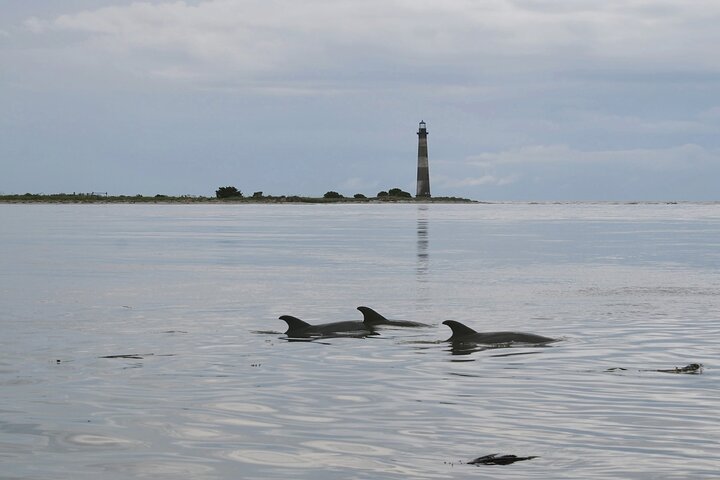
Book a trip where this was filmed — near Charleston
Support Sail Life
At WeBoating.com, we profoundly acknowledge the unwavering dedication that Sail Life invests in crafting each and every video or voyage. Their passion for delivering exceptional ocean content shines through every frame, and it's a labor of love that deserves your attention.
We invite you to watch their captivating videos here and actively engage with their content, including their social media links above. Liking, commenting, and sharing their work goes a long way in fueling their creative fire.
We're also inviting you to explore the gear, sponsorships, and boat partnerships highlighted in the "The road back to boat work: Big oven on the move & wiring the bunker. Ep. 701" video description, or directly on YouTube. By engaging with these offerings or purchasing services and items, you directly support Sail Life, their collaborators, and the brands they're associated with.
To ensure you never miss an offshore update, consider visiting their official YouTube Channel to subscribe, like, and join their community directly.
If you have any feedback, corrections, or additional information about Sail Life or their videos, please use the comment form below to share your thoughts with us.
Thank you for being a part of our community and supporting the creators we cherish. Your time and support truly matter!
📦 Amazon: 11% off X-Sense SC07-W Interconnected Smoke and CO Alarm https://amzn.to/4kf49A5
🖥️ Official Website (with discount code): SailLife for 12% off https://bit.ly/48vog61
#xsense #smokedetector #carbonmonoxidedetector #fireprotection
@xsense.global
** Links and contact information **
My email address is [email protected]
For sponsor deals, please use this email: [email protected]
Amazon wishlist: https://www.amazon.com/hz/wishlist/ls/2NJUK30IBFWO1
Sail Life website:
https://www.saillifechannel.com/
Sail Life on Patreon:
http://bit.ly/SailLifeOnPatreon
Sail Life on Instagram:
https://www.instagram.com/saillife_
Sail Life on Facebook:
http://bit.ly/SailLifeOnFacebook
Sail Life on Twitter:
http://bit.ly/SailLifeOnTwitter
TotalBoat:
https://www.totalboat.com/saillife
Athena on No Foreign Land:
https://www.noforeignland.com/boat/saillife

Sail Life
From the 'Oh Glorious Sanding' of SV Athena to the resurrection of a hurricane-damaged Antares 44, Mads Dahlke of Sail Life defines DIY boat refitting gold.
Channel Information:
Social Media Links:
The road back to boat work: Big oven on the move & wiring the bunker. Ep. 701 Location
- Greens Creek Boat Staging Site, Oriental, North Carolina (35.0251,-76.6959)
Latest Episodes from Sail Life
Explore the most recent voyages. Subscribe to the channel to never miss an update!
The road back to boat work: Big oven on the move & wiring the bunker. Ep. 701
Mads Dahlke relocates the heavy composite curing oven, clears the staging footprint under SV Spiffy, and installs in-wall electrical circuits and network cabling inside the concrete bunker workshop ahead of the catamaran road move.
The road back to boat work: The dry run & more bunker work! Ep. 700
Mads Dahlke prepares the creek bunker workshop for office work and voiceovers, installing spray foam and ceiling drywall before running a trailer dry run with Danny for catamaran Spiffy.
The road back to boat work: Bunker roof, done! Ep. 699
Meet Renogy’s new Mini Smart Battery — smarter energy storage with reliable performance for every journey: Using Code【saillife】for 15% OFF #Renogy#renogyminismart#renogysolar ** Links and contact information ** My email address is [email protected] For sponsor deals, please use this emai...
The road back to boat work: A bunker surprise. Ep. 698
Mads Rasmussen returns to structural refit work aboard SV Athena, confronting hidden moisture rot in the bunker lockers and executing precision marine joinery and epoxy bonding.
xTool Laser Welder & Cleaner vs. bunker door
Get a $100 discount on MetalFab with the code: MADS100 👉 US: 👉 CA: